
Products
| Bizen Sake Bottle & sake Cup | Tea Ceremony Things | Bizen Flower Vase | Bizen Dish & Bowl | Others |
Tea Ceremony Things
66 Items
1 / 6 page NEXT LAST


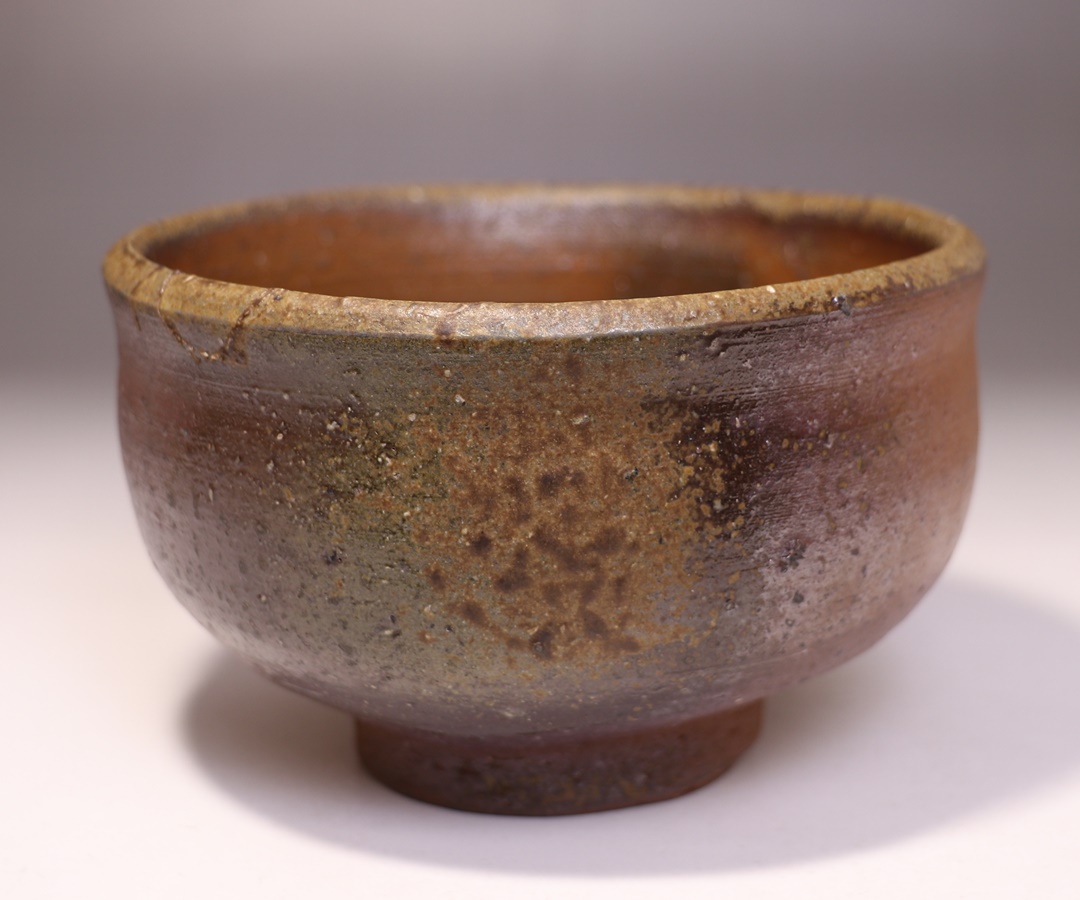
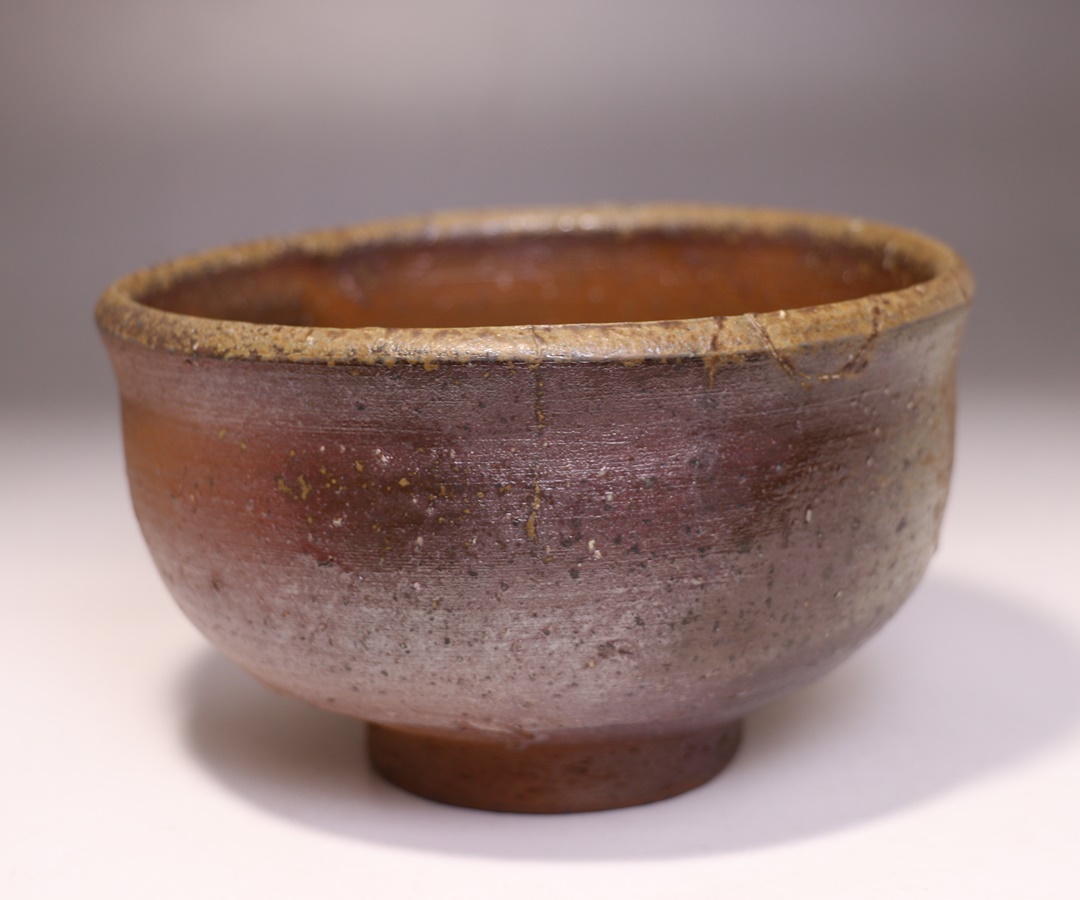
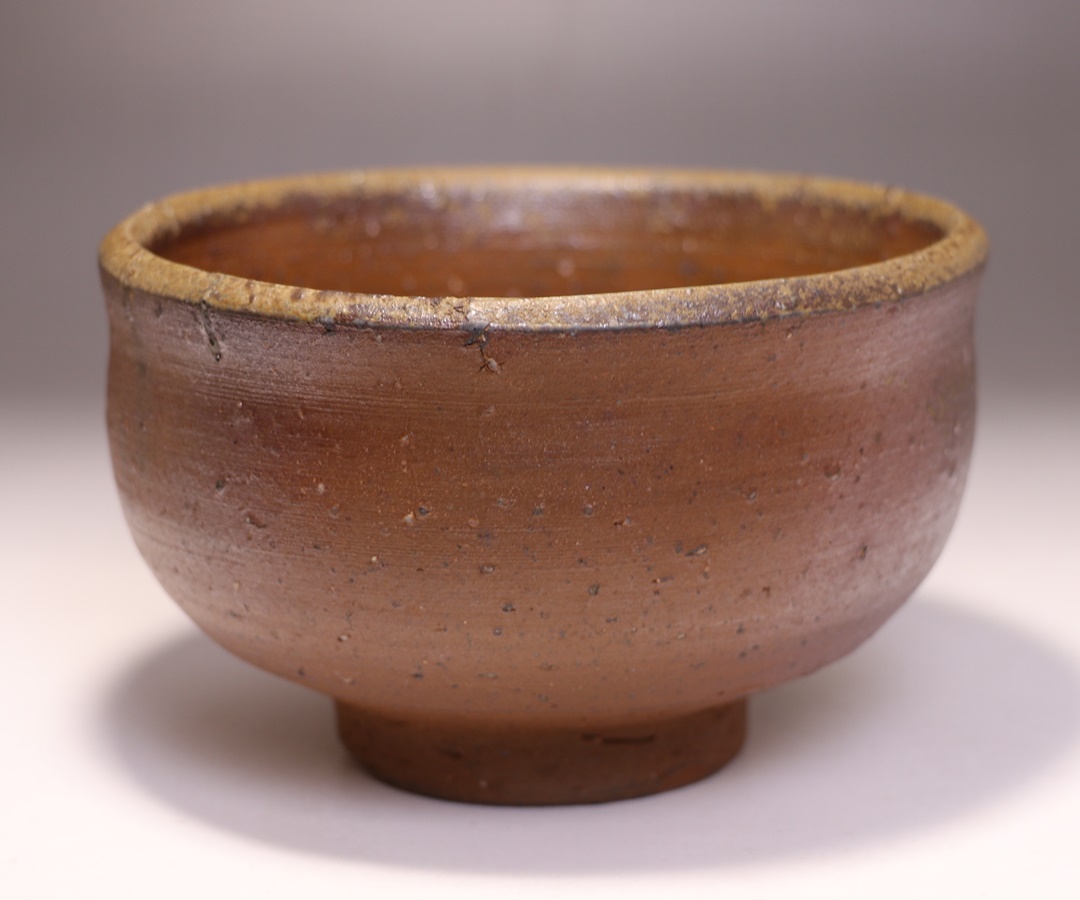
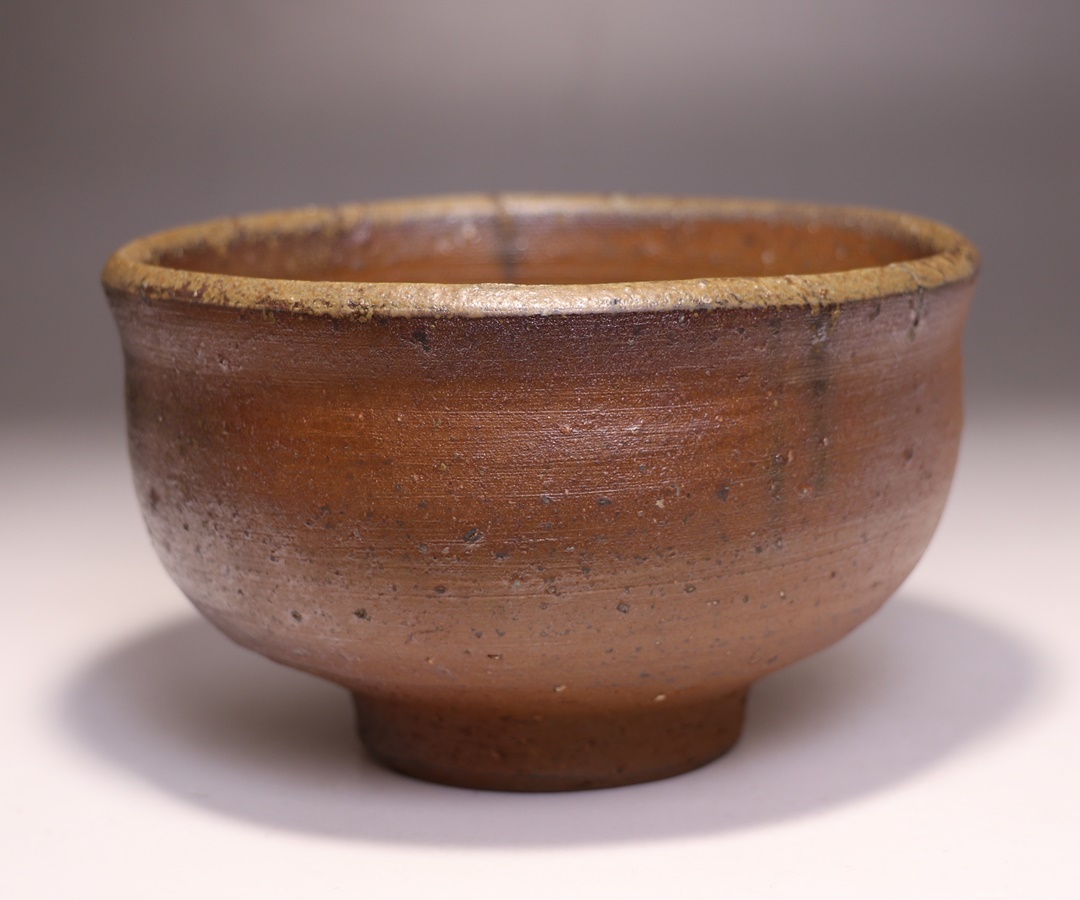
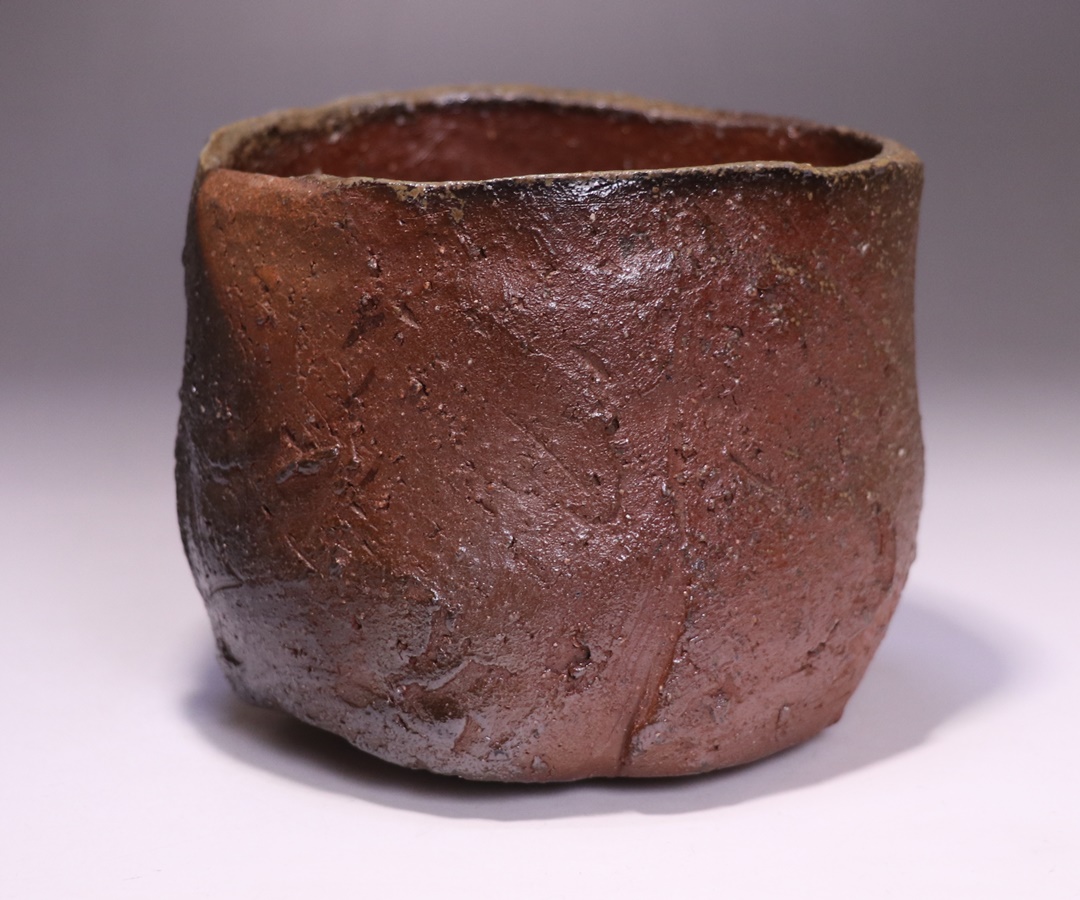
Kei Fujiwara - Bizen Chawan
88,000 YENSold out
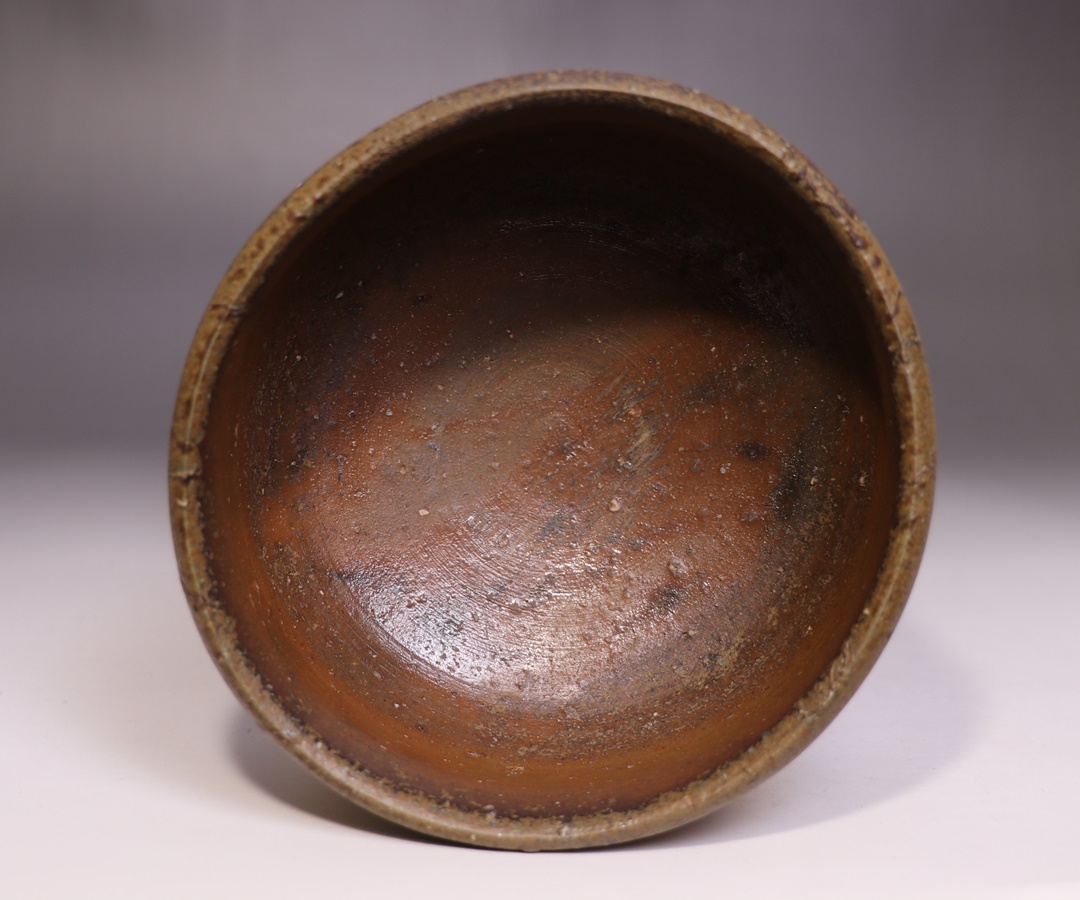
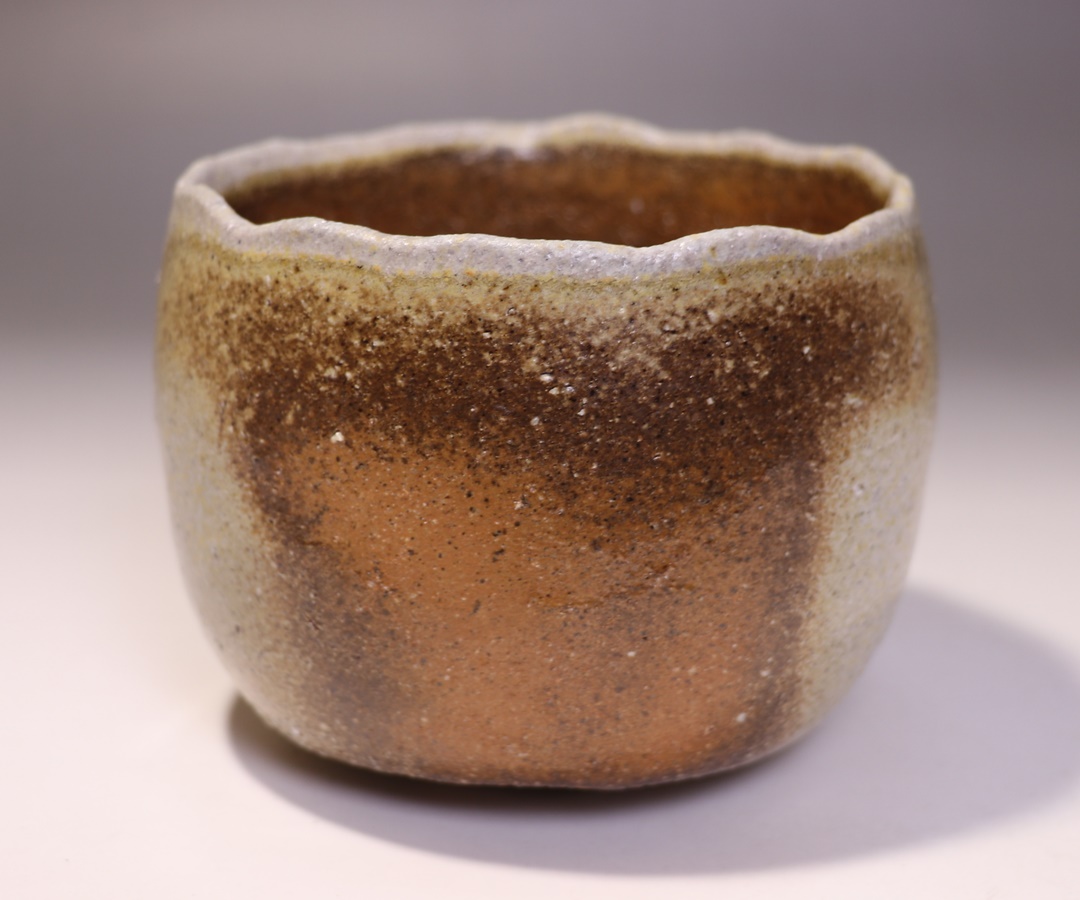
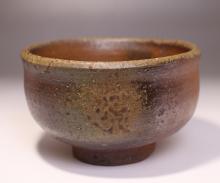
size : W13.7cm×13.3cm×H8.3cmKen Fujiwara was a timeless master whose works combine boldness with remarkable precision. This is a Bizen Chawan by the artist.
Through the climbing-kiln firing techniques he inherited from his teacher, Toyo Kaneshige, Fujiwara beautifully recreates the complex clay tones associated with the Kaneshige tradition, in which multiple colors blend intricately together.
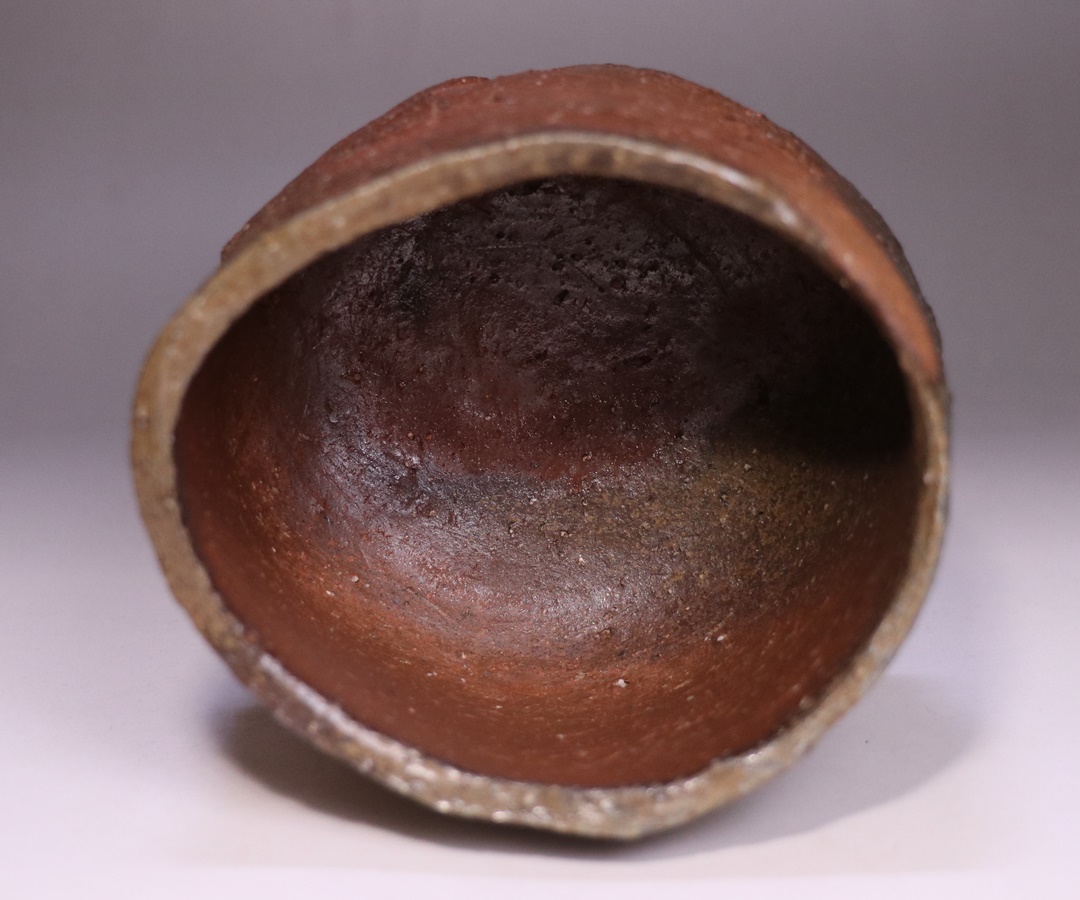
Orange, reddish purple, and brown form a complex gradation across the surface. Although the work does not display any particularly dramatic kiln transformations, it is a superb Chawan that one could happily continue admiring in the palms of the hands for hours.
Inside the bowl, subdued Hidasuki markings characteristic of Fujiwara, who was renowned as a master of this technique, unfold across the surface. The Hidasuki seems almost to melt into the reddish-orange tones of the clay.
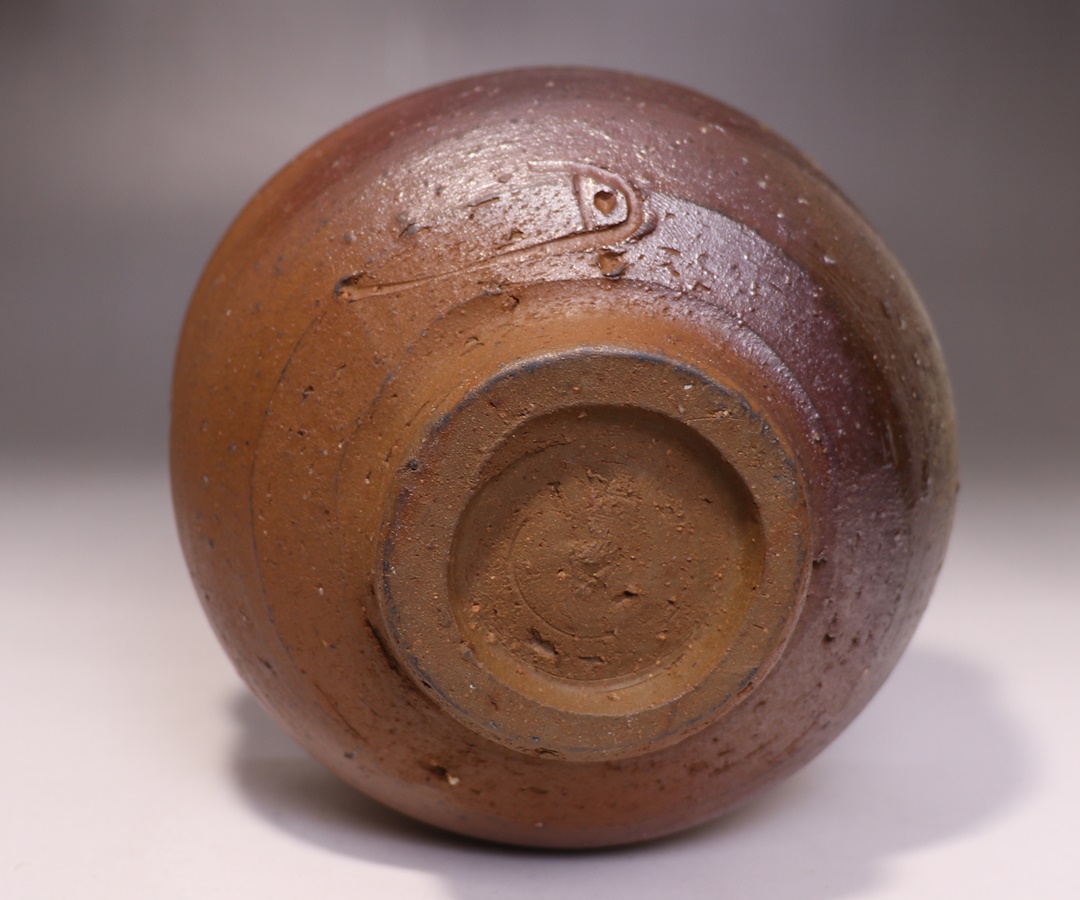
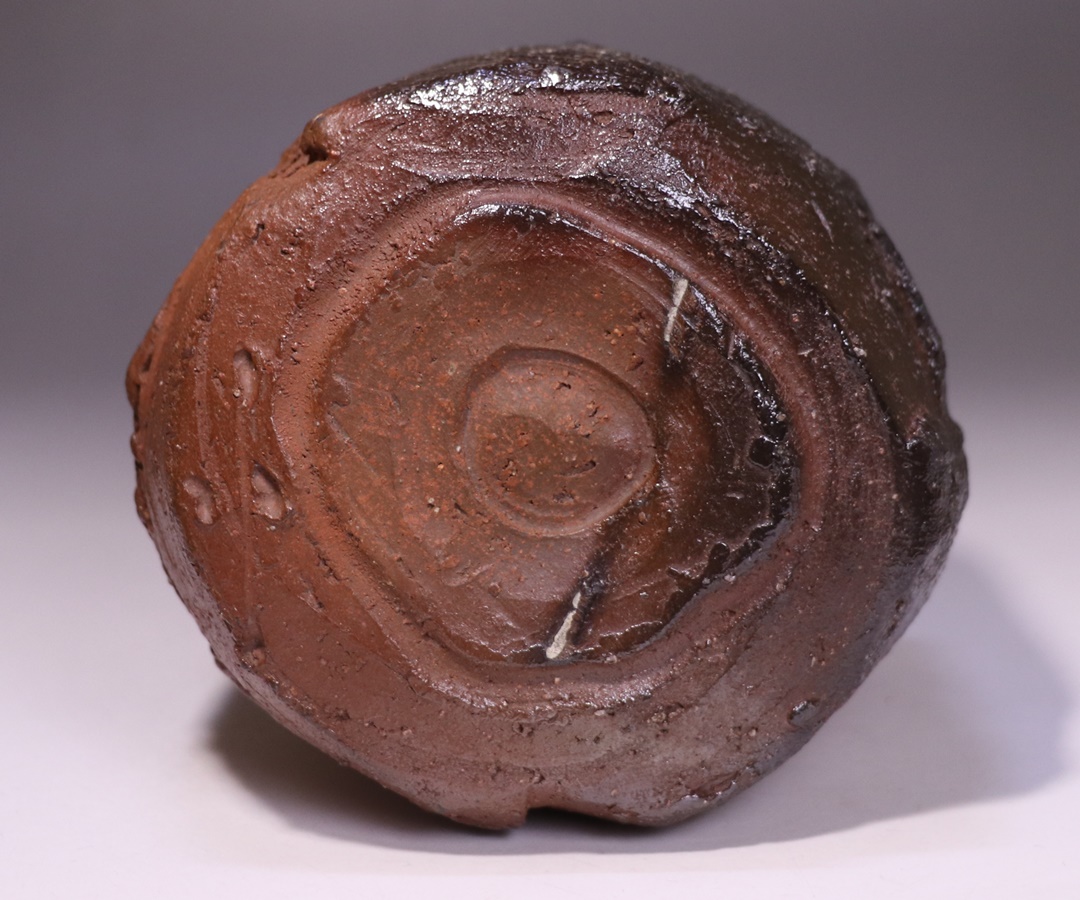
In contrast to the thick and substantial foot ring characteristic of Fujiwara’s Chawan, the body rises toward the rim with remarkably fluid and accomplished wheel throwing. This contrast in rhythm gives the bowl a weighty presence while retaining a simple and approachable character.
The rim, too, has been given a masterfully judged outward turn. Within the otherwise quiet and restrained style of the work lies an astonishing variety of subtle techniques, each revealing Fujiwara’s exceptional craftsmanship.


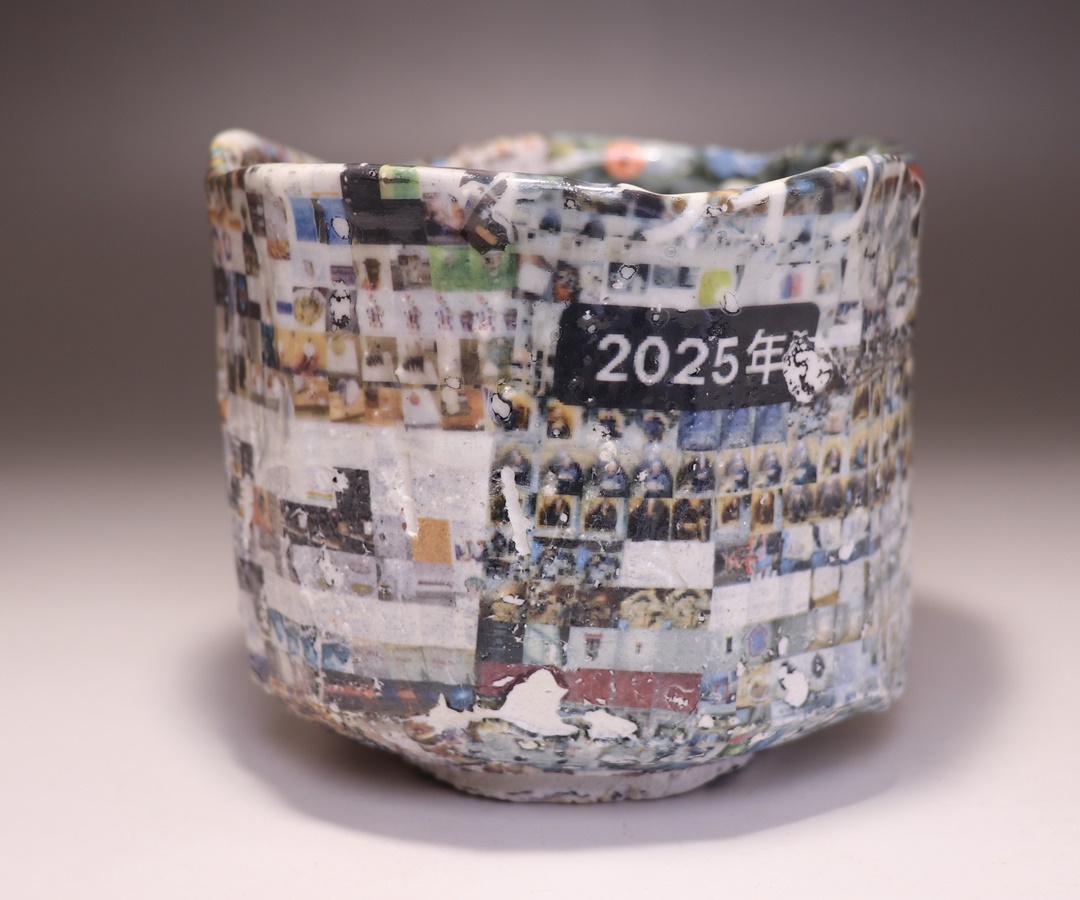
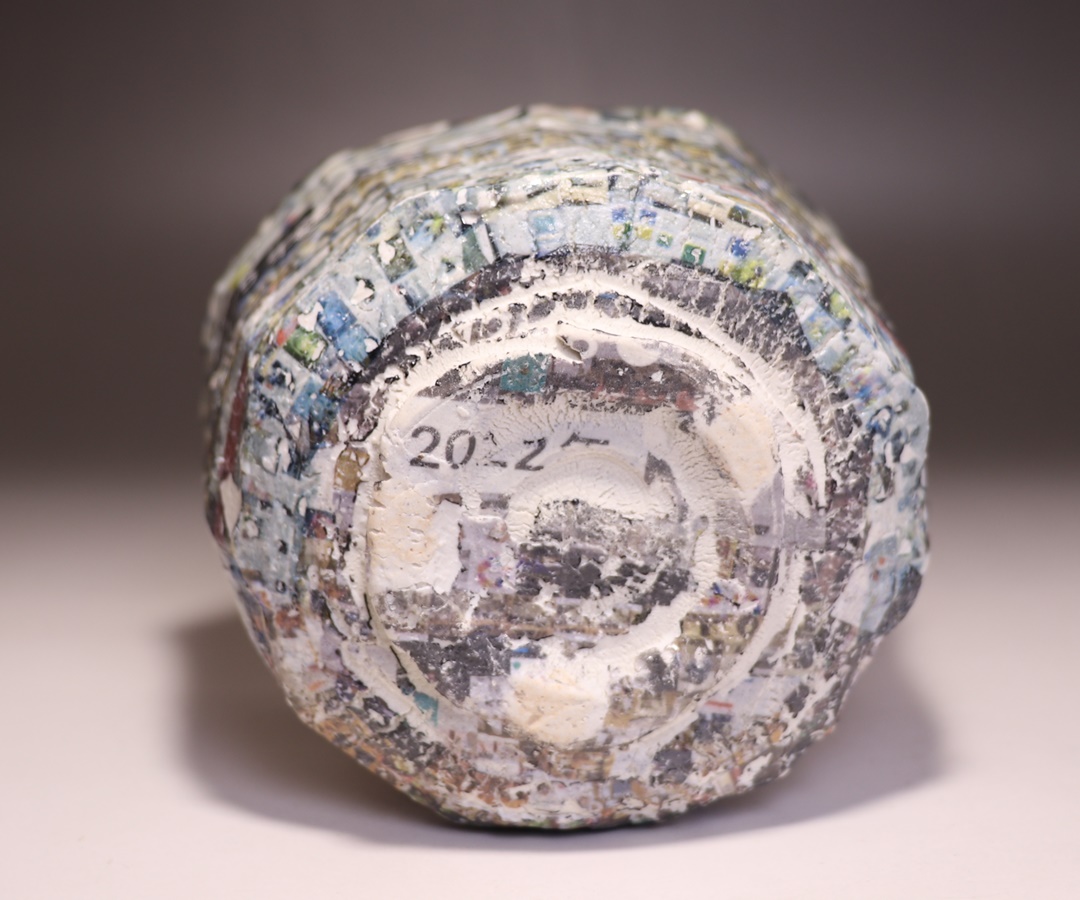
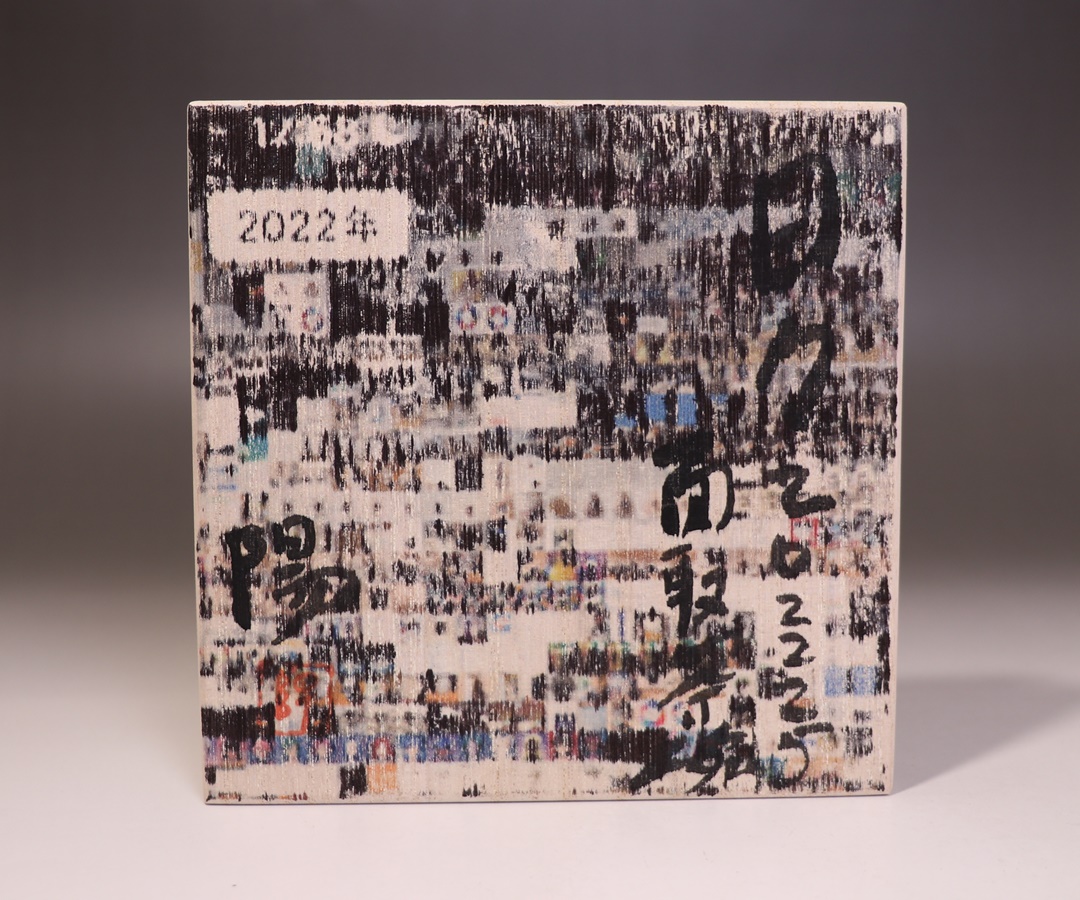
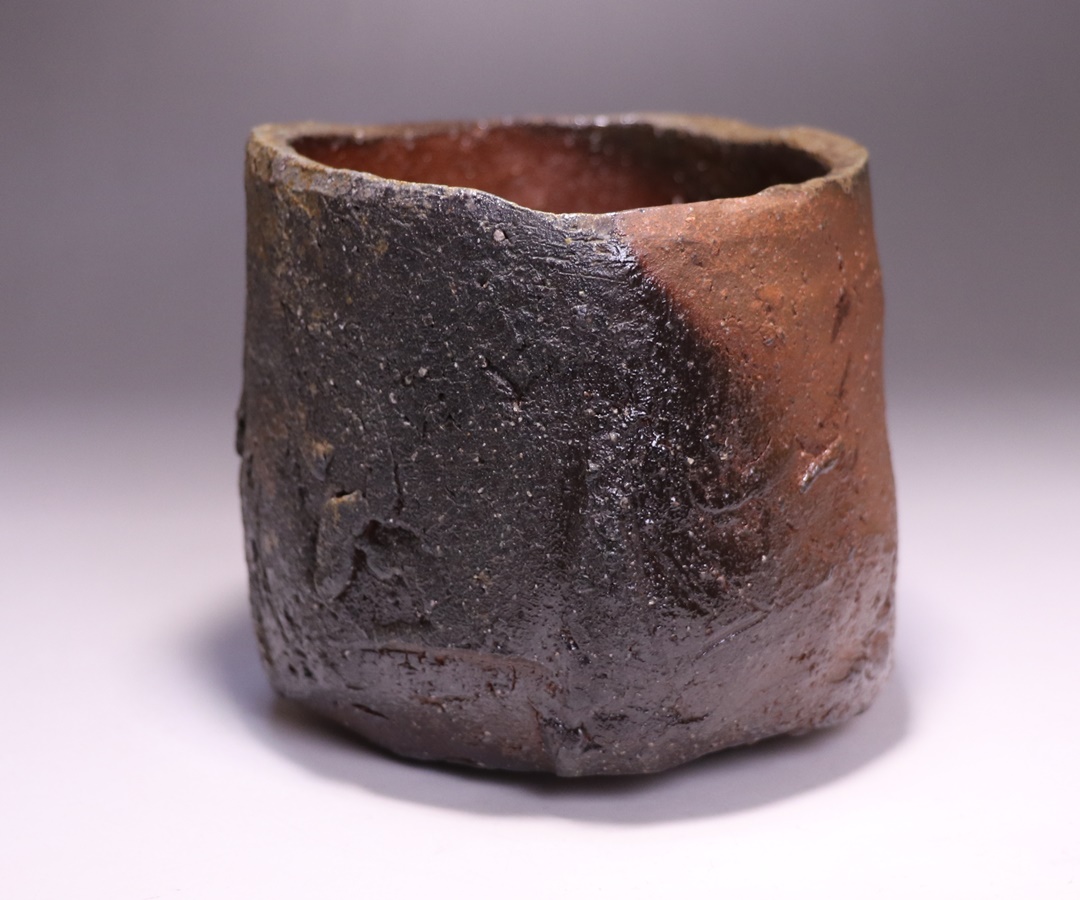
Youtaro Isezaki - Hibi 202225Chawan
88,000 YENSold out
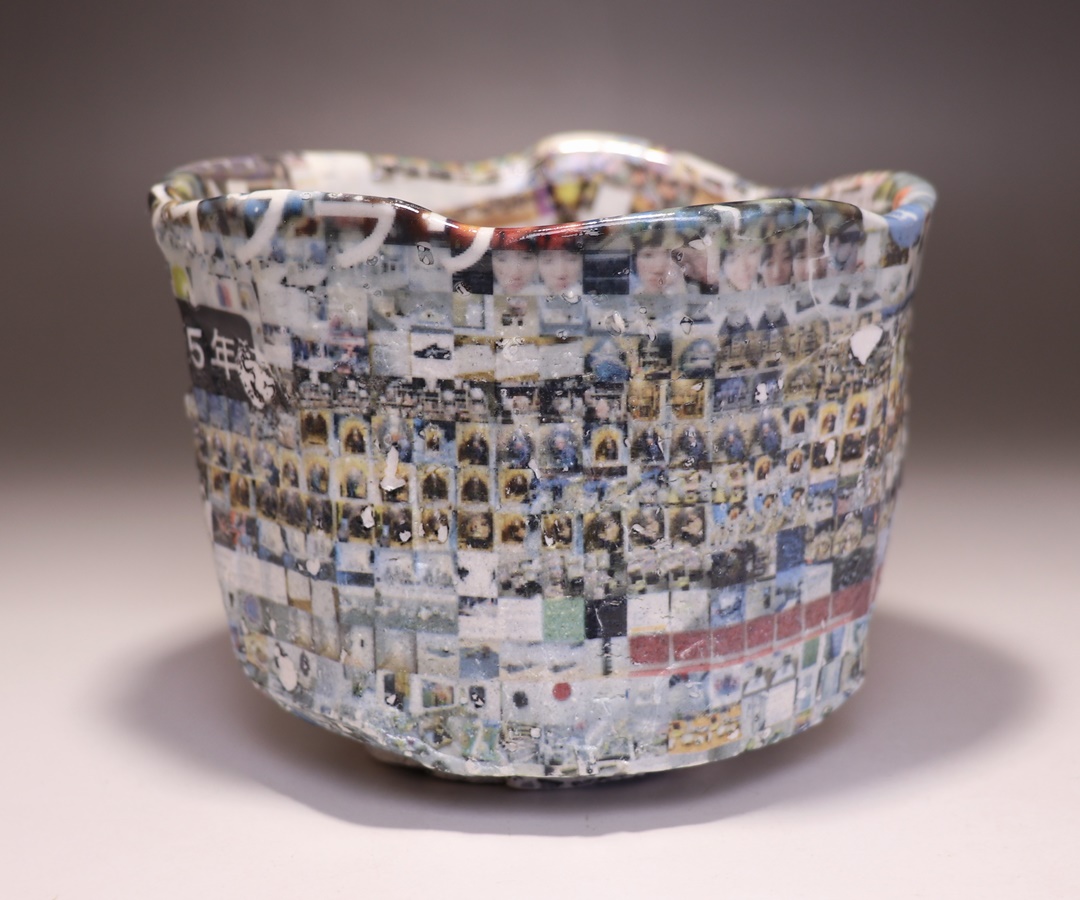
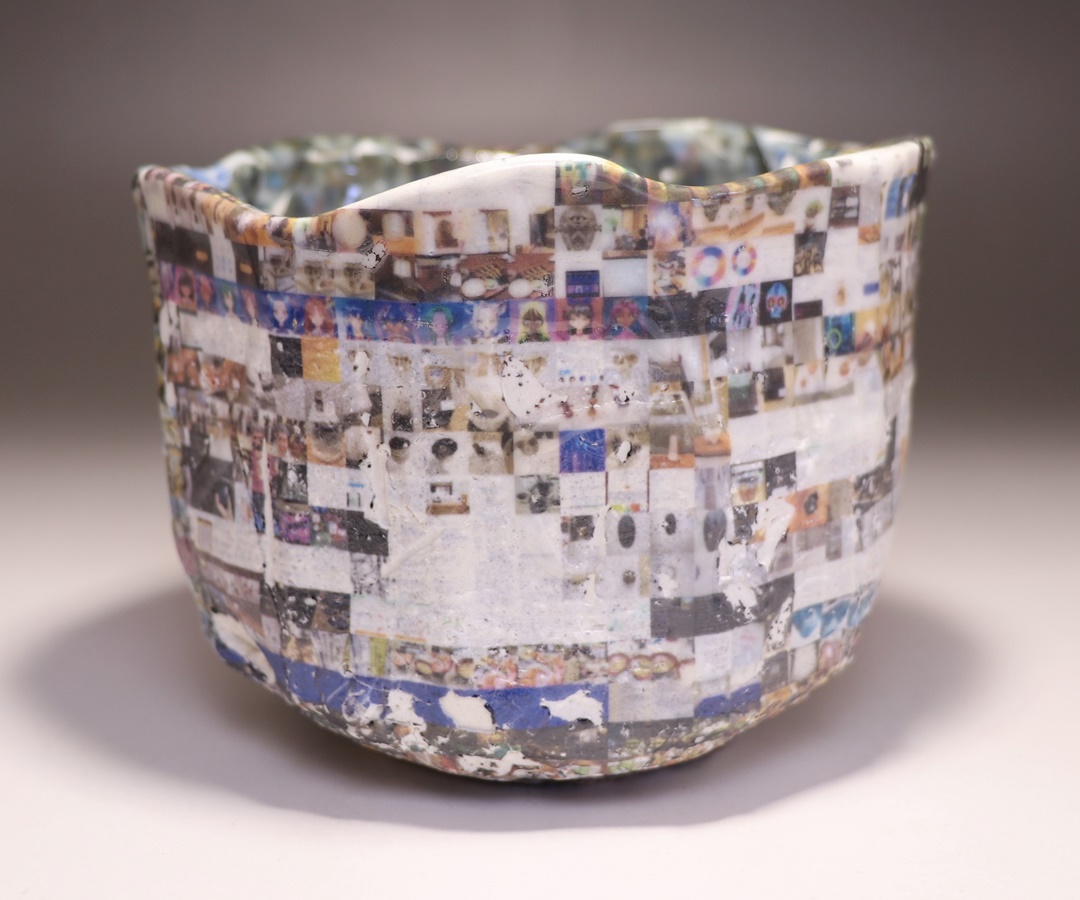
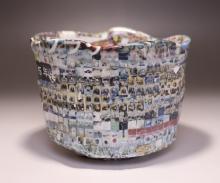
size : W12.9cm×11.4cm×H10.0cmBorn as the eldest son of Shin Isezaki into a prestigious family of Bizen ware, Youtarou Isezaki continues to create works in a new style that is not bound by conventional ideas. This is his **Hibi 202225 Chawan**.
By incorporating AI-generated imagery and decal transfer techniques, he pursues a distinctive form of expression that brings contemporary sensibilities into ceramics.
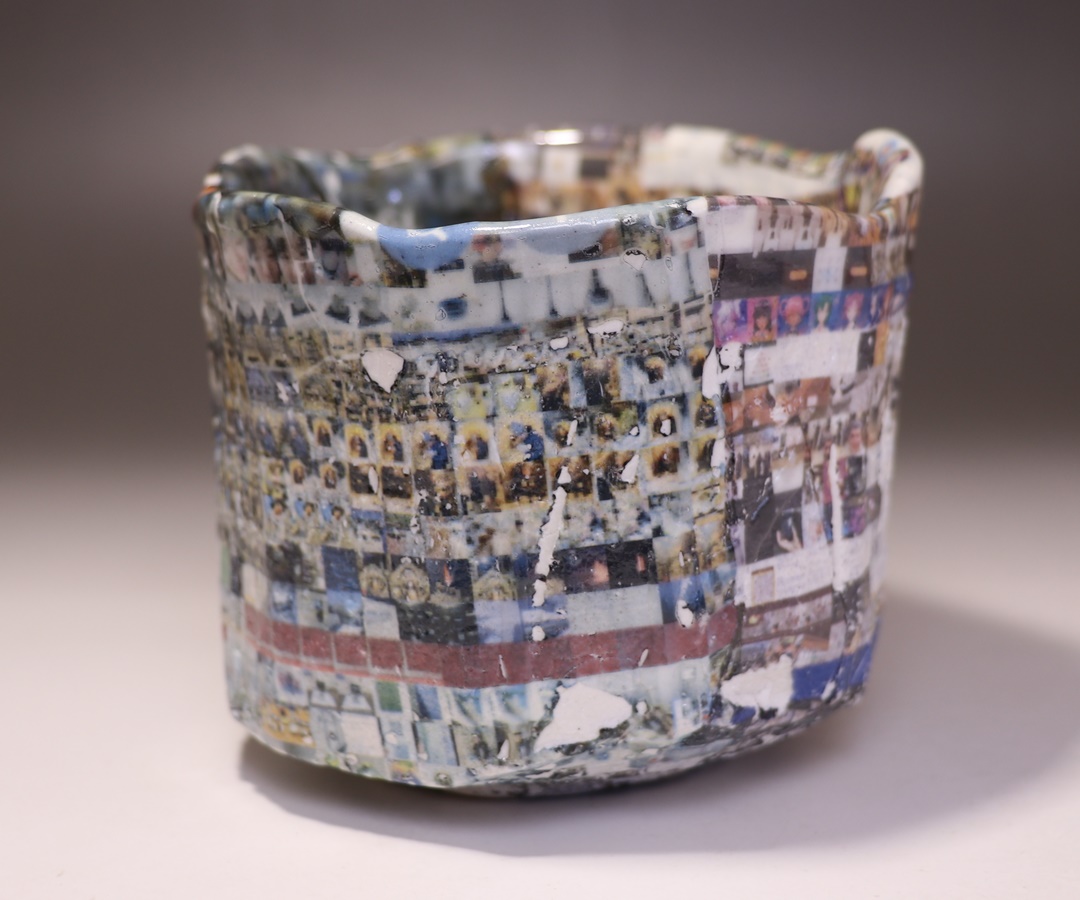
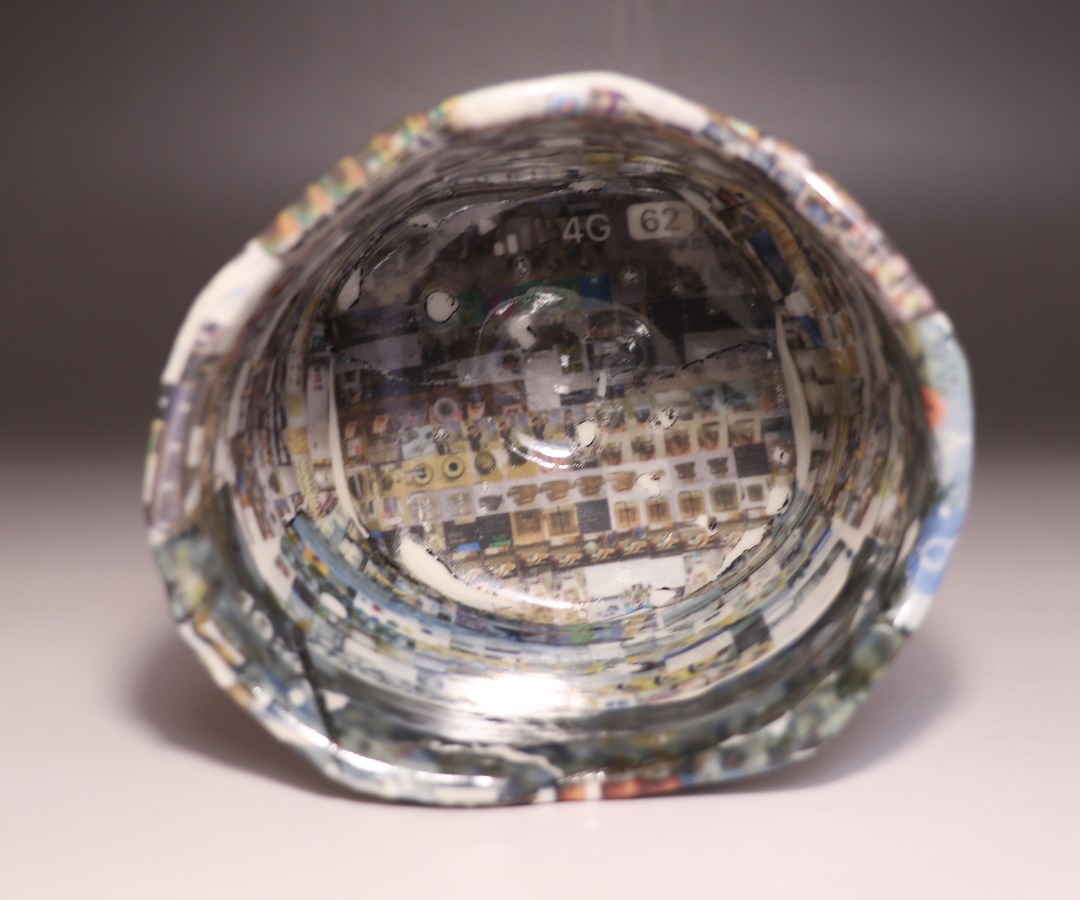
As suggested by the title Hibi 202225 — with “Hibi” carrying the sense of everyday life and the repeated passing of days — he applies images from his own iPhone camera roll across the entire surface of the vessel with transfer paper, creating an effect reminiscent of a photo collage.
Based on an original clay body made by blending porcelain clay and Mogusa clay, the surface is adjusted with coated clay and glaze, allowing the vessel itself to function like a canvas.
Furthermore, this clay canvas affects the outlines of the transferred images through the texture of the clay particles and the glaze, creating a uniquely faded surface impression, as if the piece had been used over a long period of time.
The body is finely faceted with vertical marks made by a spatula, and when held in the hand, it is interesting to quietly feel the traditional sense of form that has been passed down through the Isezaki lineage from Mitsuru Isezaki.
While based on the traditional form of a Chawan, this work brings together contemporary elements such as AI, decal transfer, and smartphone functions, creating a new ceramic expression unique to Youtarou Isezaki.


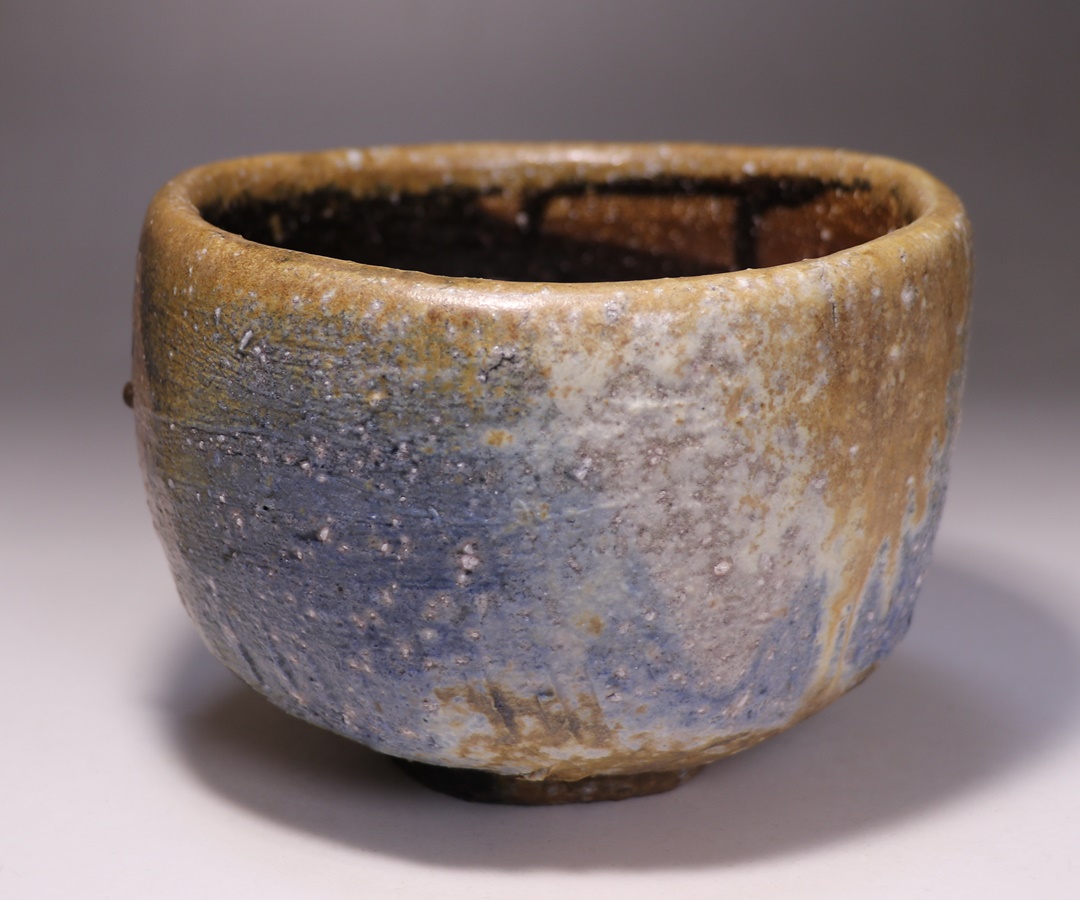
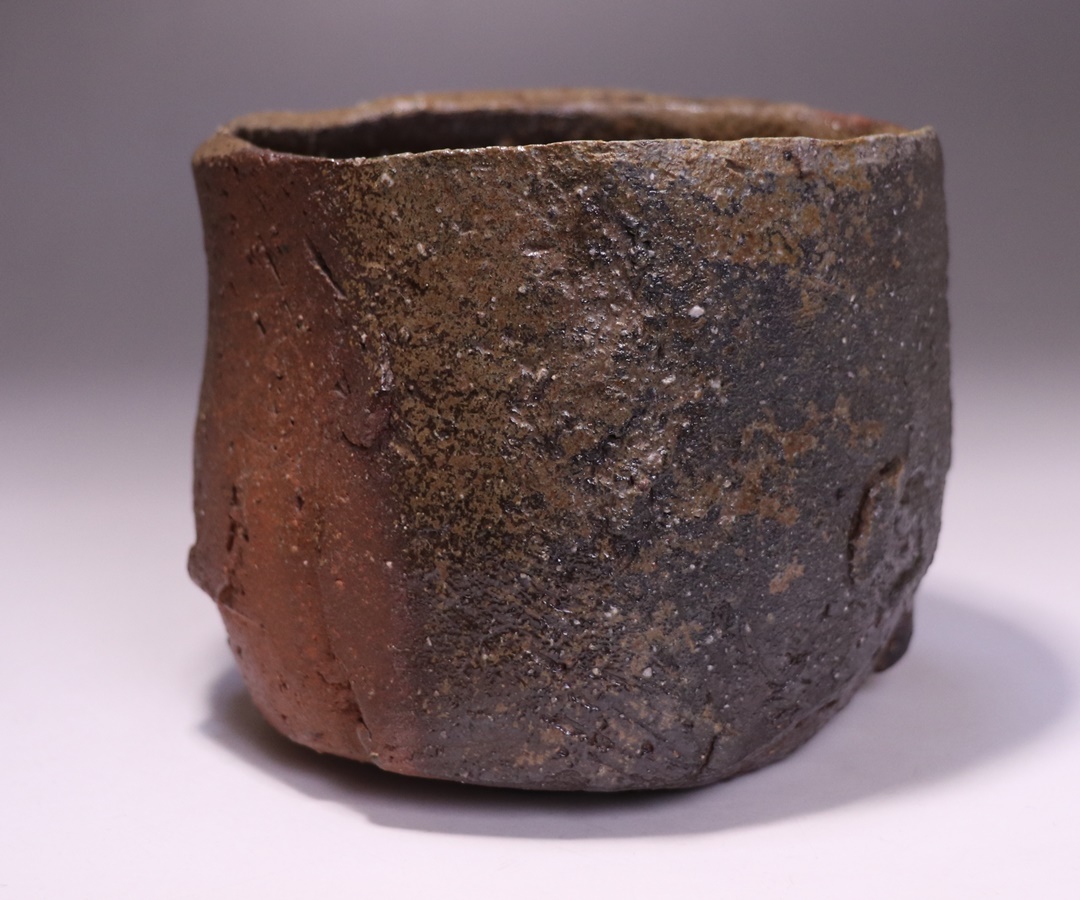
Hiroshi Goseki - Hiyama Bizen Chawan
88,000 YEN
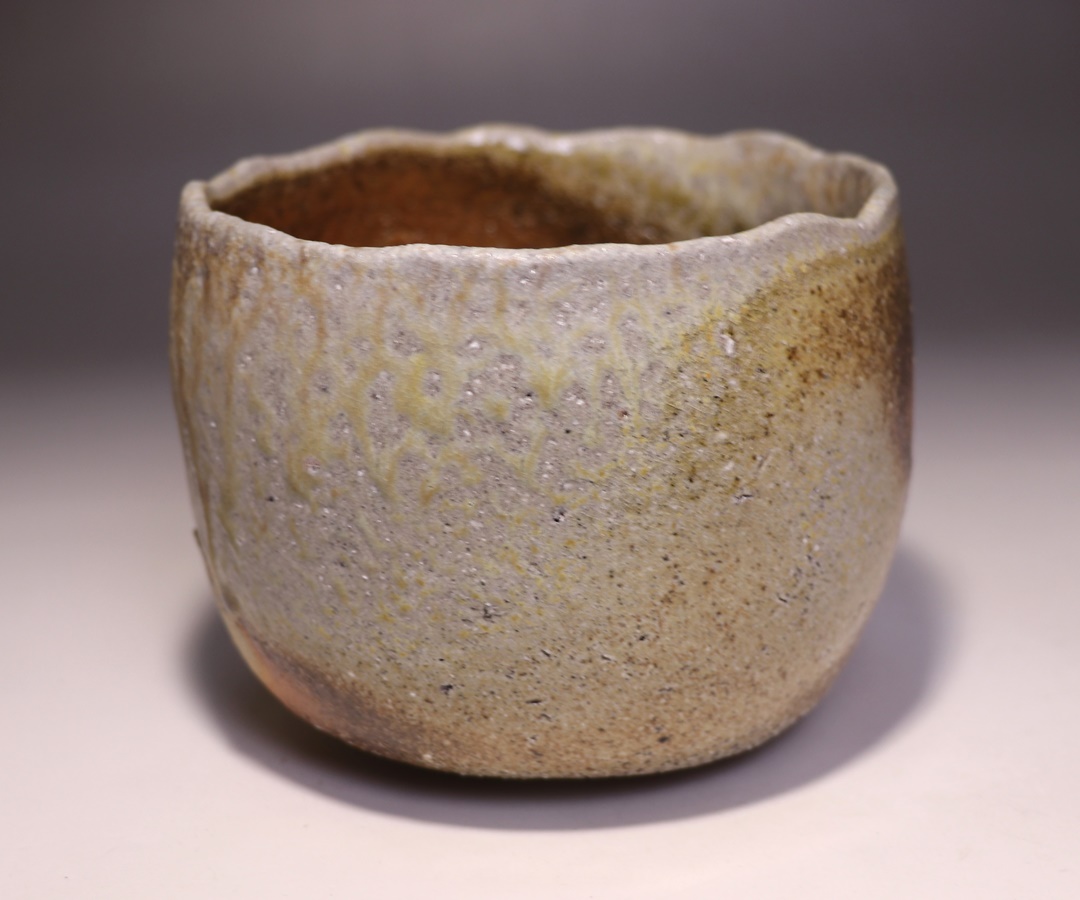
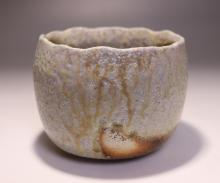
size : W12.2cm×11.9cm×H9.4cmHiroshi Goseki trained under Jun Isezaki, a Living National Treasure, and later established his kiln in Ibaraki. This is a Hiyama-Bizen Chawan by Hiroshi Goseki.
This Chawan was made using a blend of Bizen clay and Hiyama clay, and fired in the Anagama kiln he built in Hiyama, Hitachiomiya City.
Perhaps due to the influence of the Hiyama clay, it has a rough, earthy texture when held in the hand, while the strong caramel-brown clay tone gives it a charm distinct from that of traditional Bizen-style works.
The exterior features Sangiri with a distinctive luster and texture reminiscent of wet stone, while the interior draws the eye with matte Tobi-Goma scattered across a dry clay surface.
For this work, the form was first built up to a certain degree using slab construction, and then carefully adjusted and refined by hand. The resulting shape is excellent, conveying both the quiet dignity and subtle movement reminiscent of a Raku Chawan.
The foot also reflects Goseki’s deep study of tea ceramics and the tea ceremony. Within its energetic and sharp design, a calm sense of maturity is beginning to emerge.
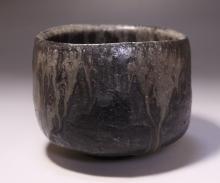


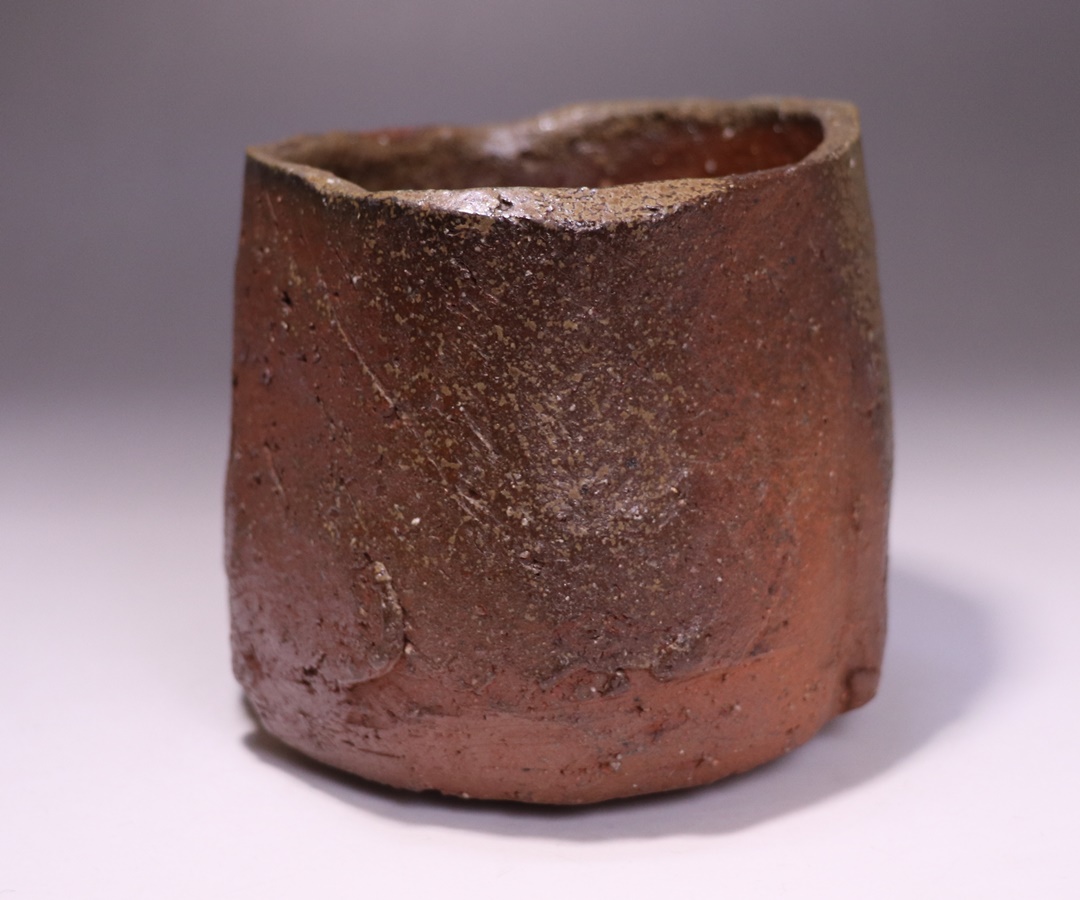
Mitsuhiro Kaneshige - Ao Imbe Chawan
88,000 YEN
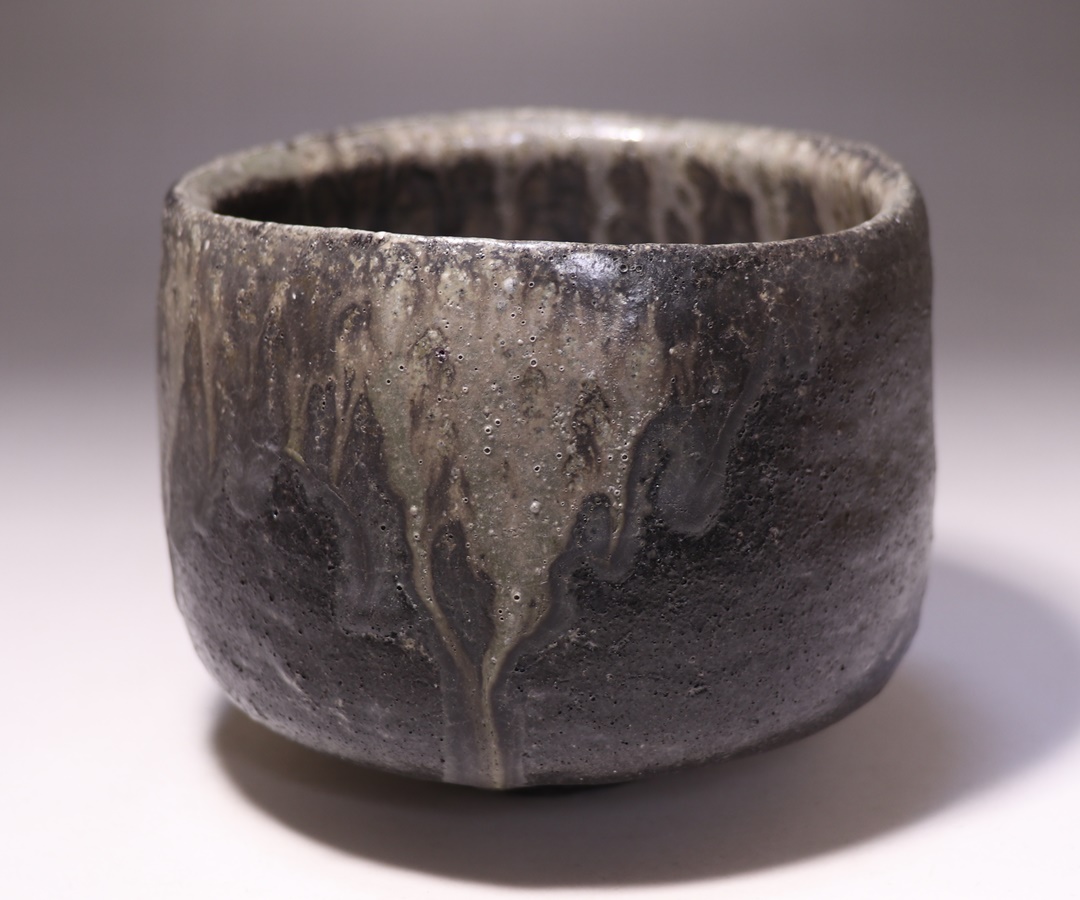
size : W12.1cm×12.0cm×H9.3cmThis is an Ao-Imbe Chawan by Mitsuhiro Kaneshige, who was born into Kaneshige Ritouen, one of the six traditional Bizen kiln families, yet pursues his own path in pottery without being bound by the family name.
This is a unique work that aims for an Ao-Bizen style firing through intense reduction flames, while also seeking a black expression through Ibe-te.
Through the blue-toned firing created by the reduction flames and the effect of Ibe-te, the colors of Bizen appear almost as if they have been reversed like a photographic negative. Over the black surface, reminiscent of carefully prepared sumi ink, slightly blue-gray white Goma flows across the piece.
The thick, substantial Goma, possible only through multiple firings, is truly impressive. The bead-like drips that stop around the lower body will likely take on a gentle warmth when the vessel is in use, creating an indescribably pleasant feeling in the hand.
The influence of the powerful firing is also clearly visible inside the piece. The many overlapping layers of Goma create a scene that looks almost as if molten metal had been poured into the fired vessel.
The foot, with its distinctive design that seems to make the clay rise in soft, rounded forms, is finished in a manner that reflects Mitsuhiro Kaneshige’s deep admiration for old Bizen.
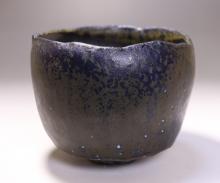


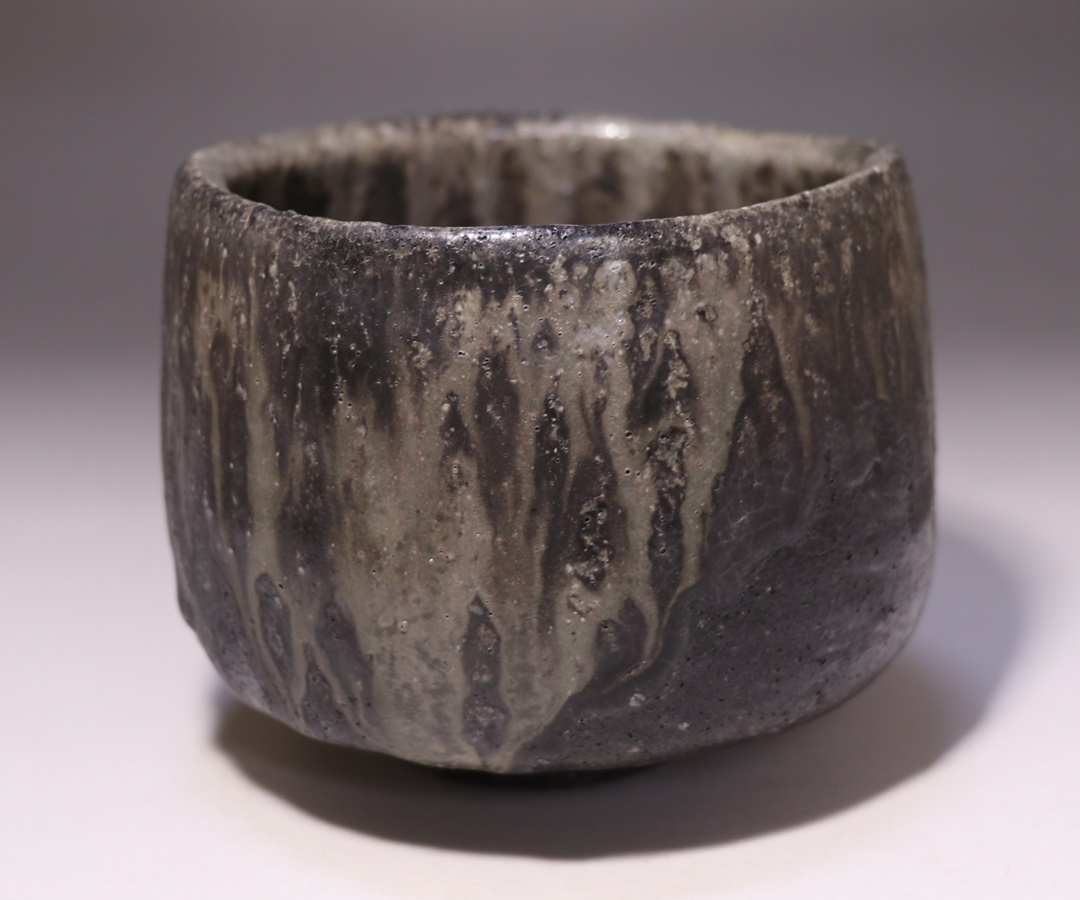
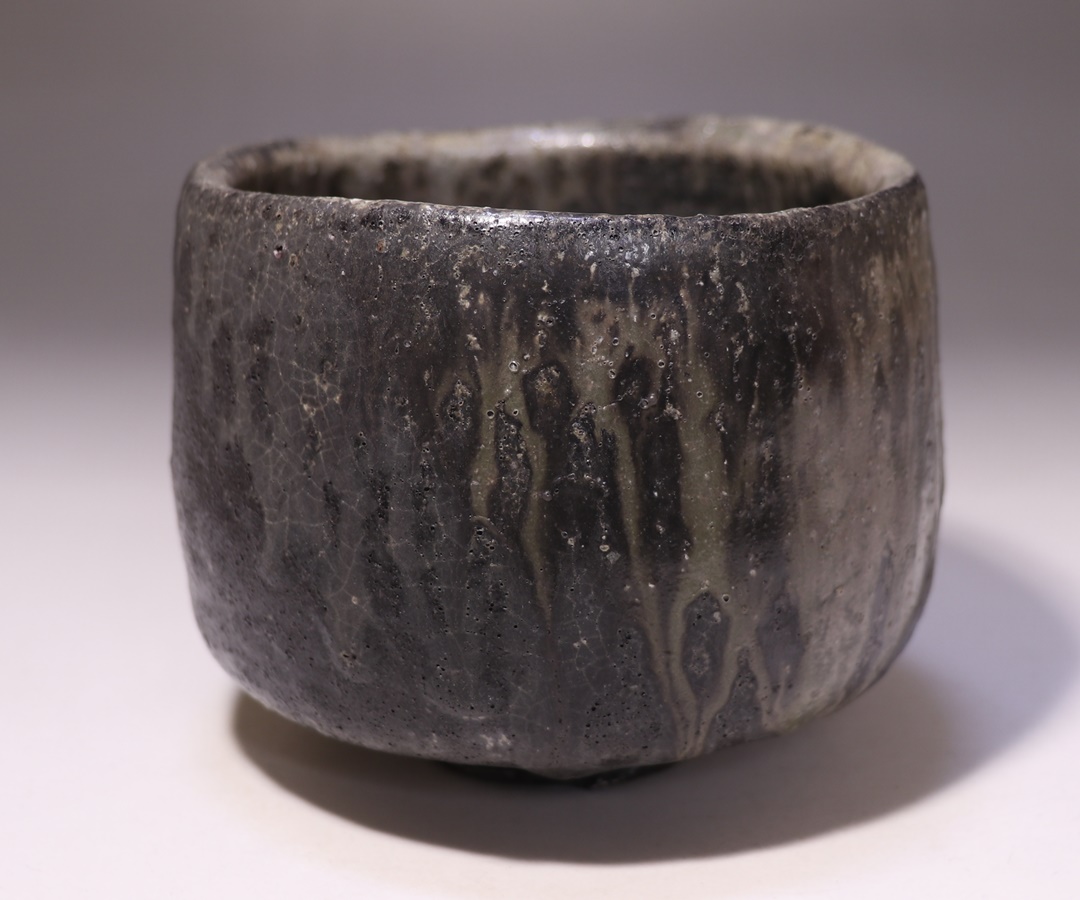
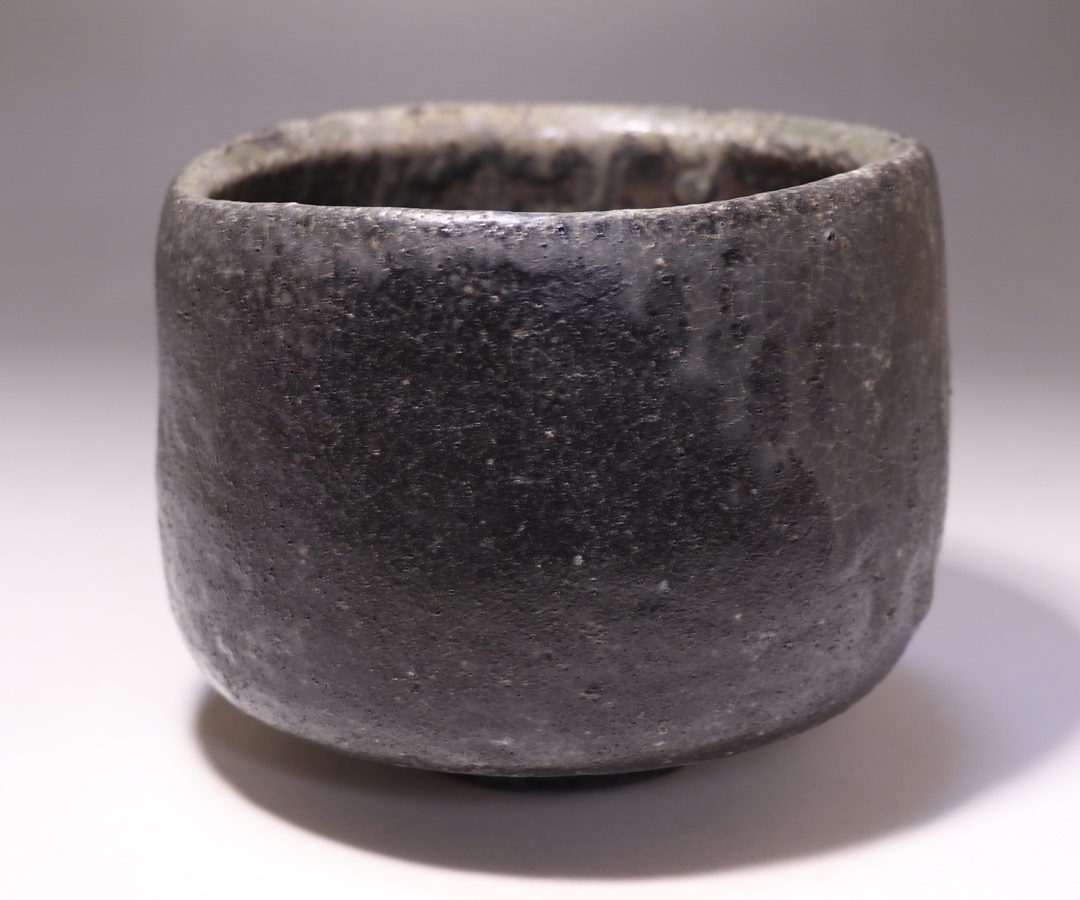
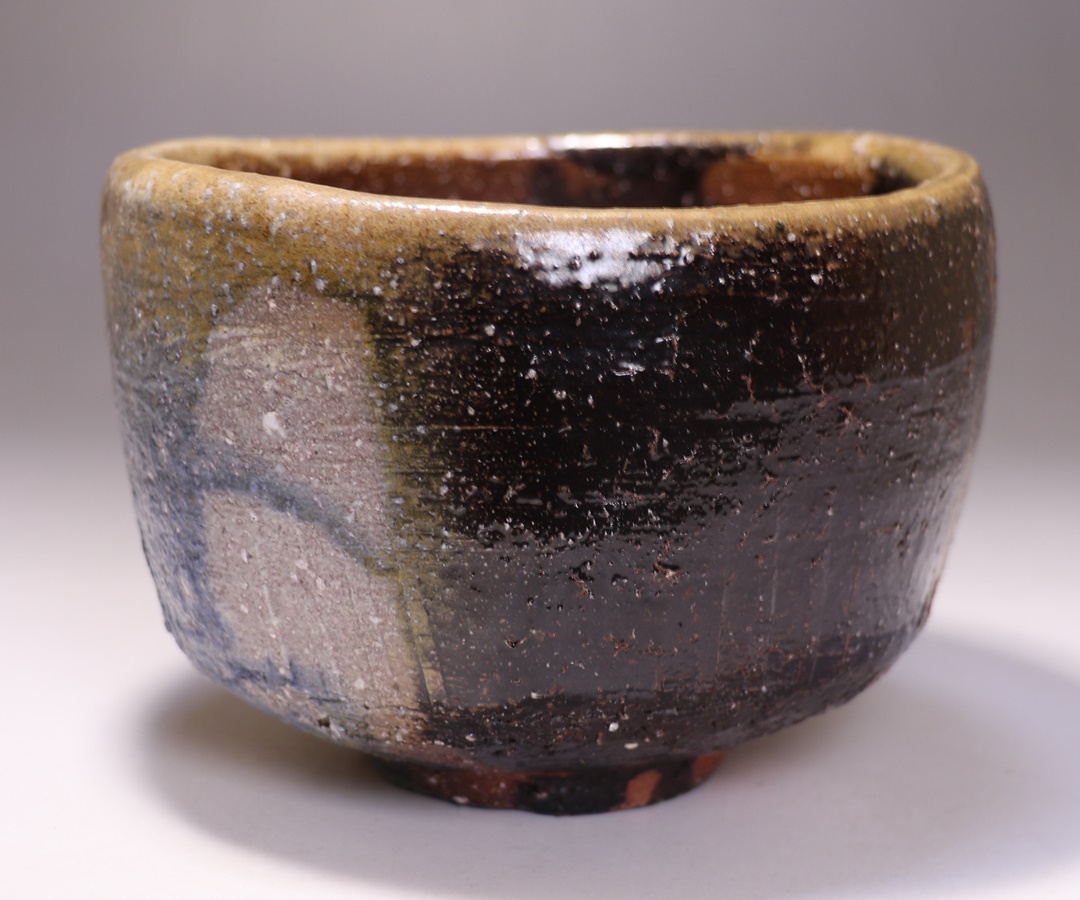
Hiroshi Goseki - Sohen Kuro Chawan
88,000 YENSold out
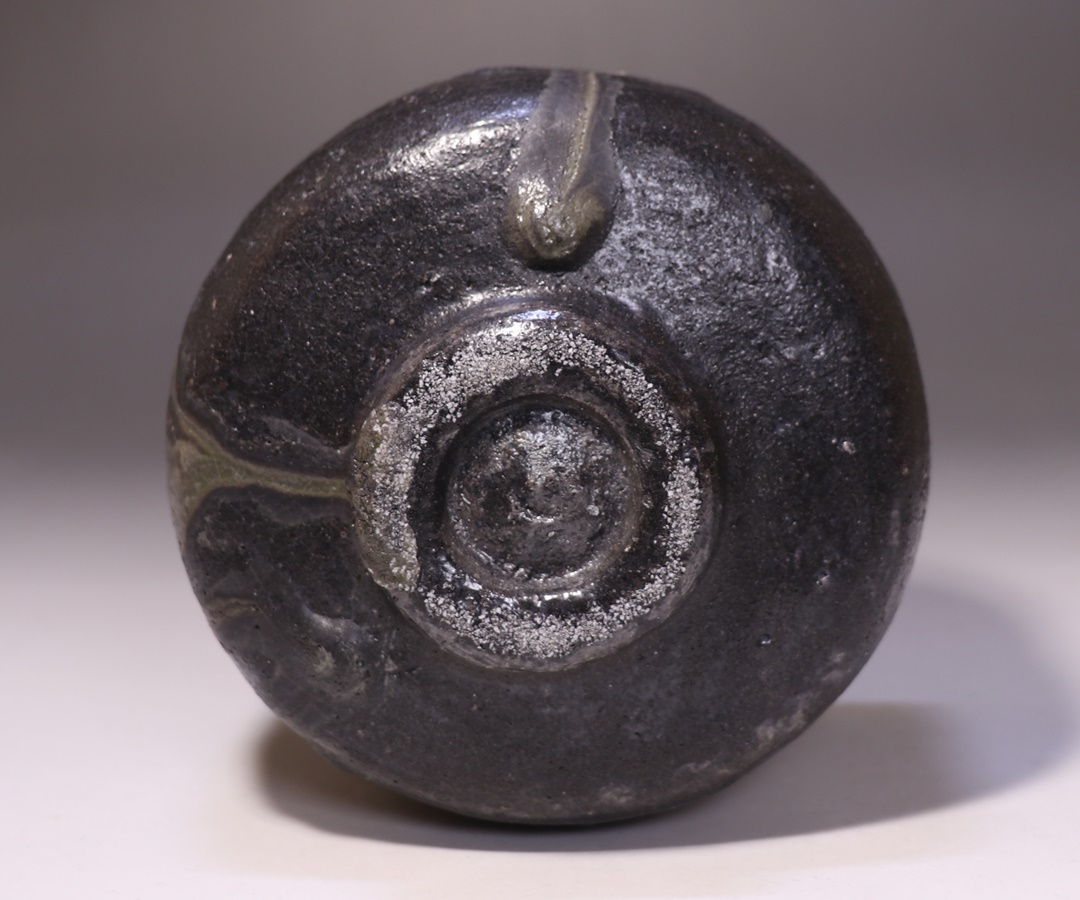
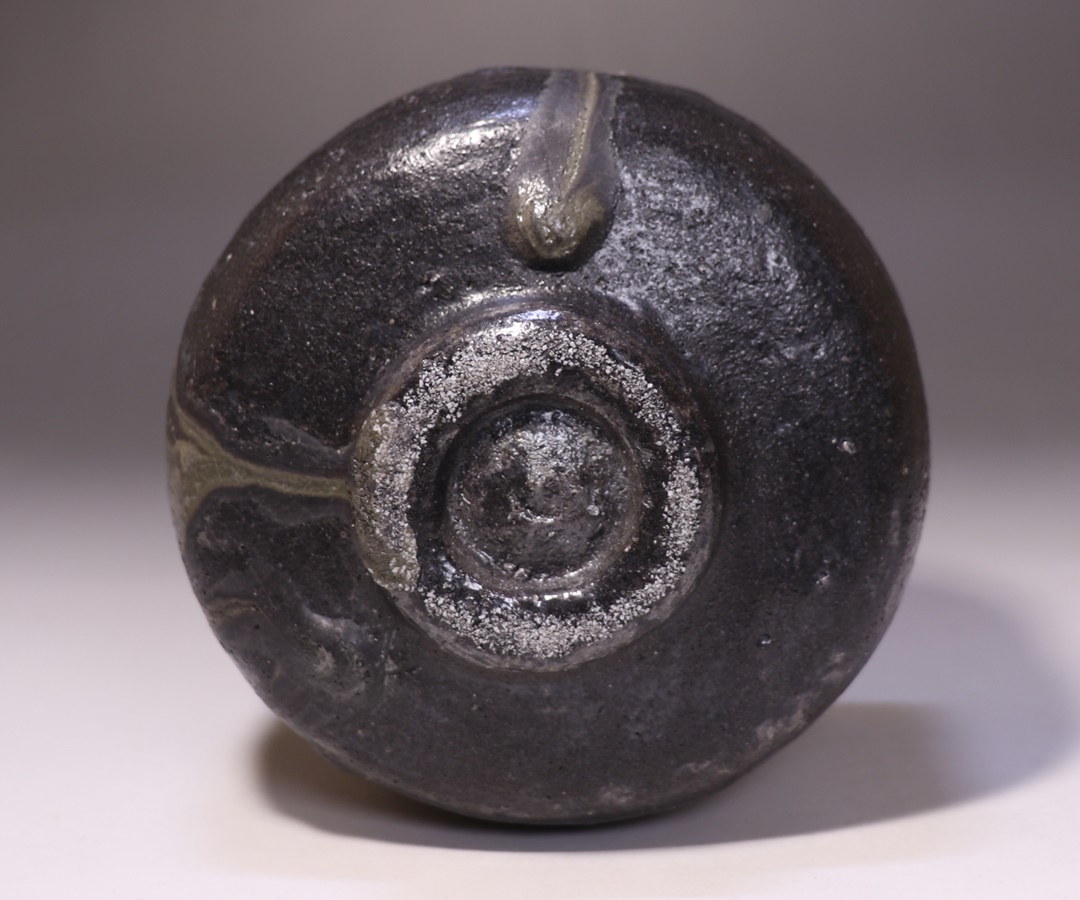
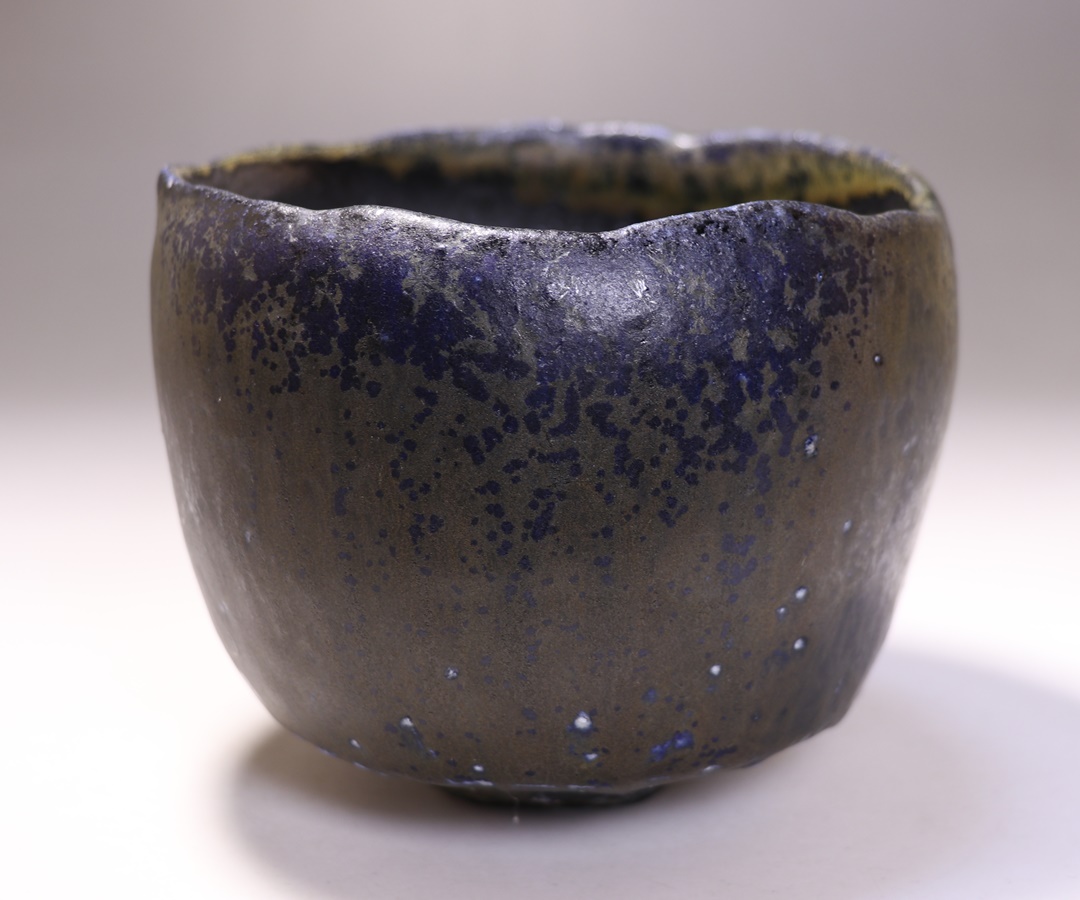
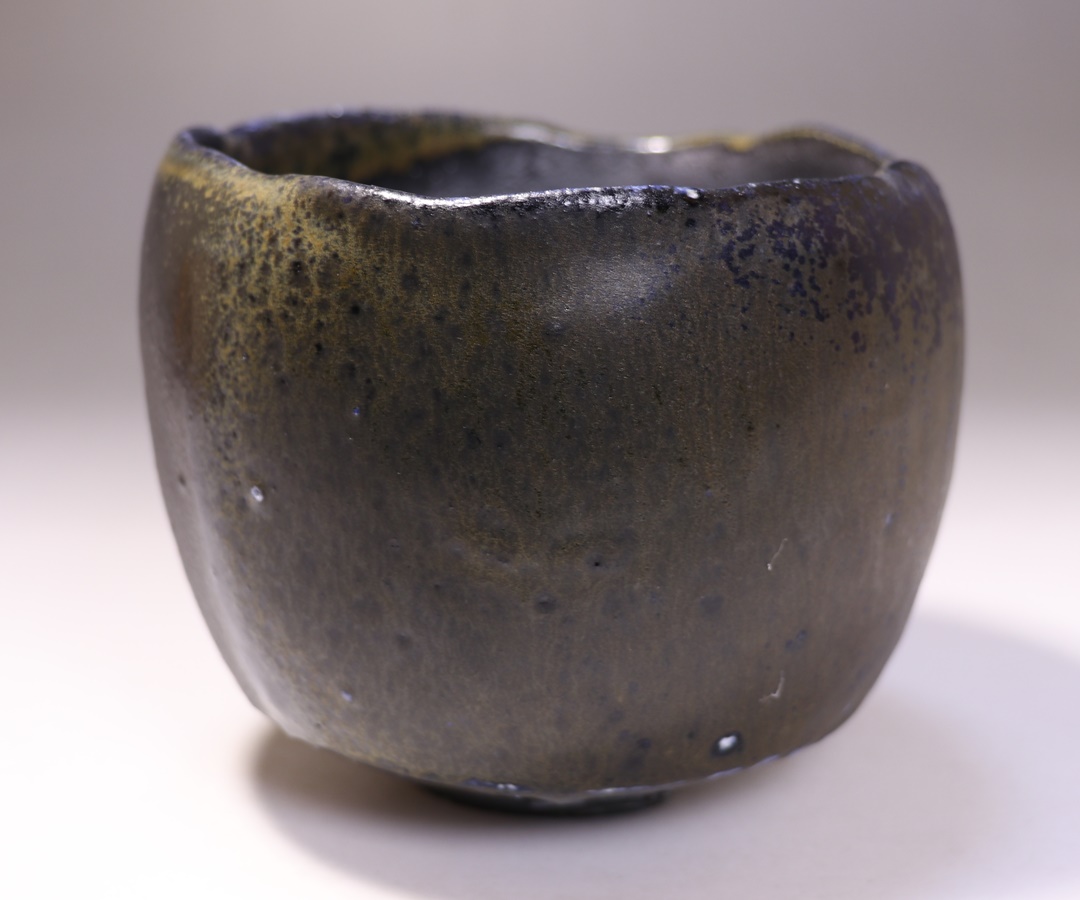
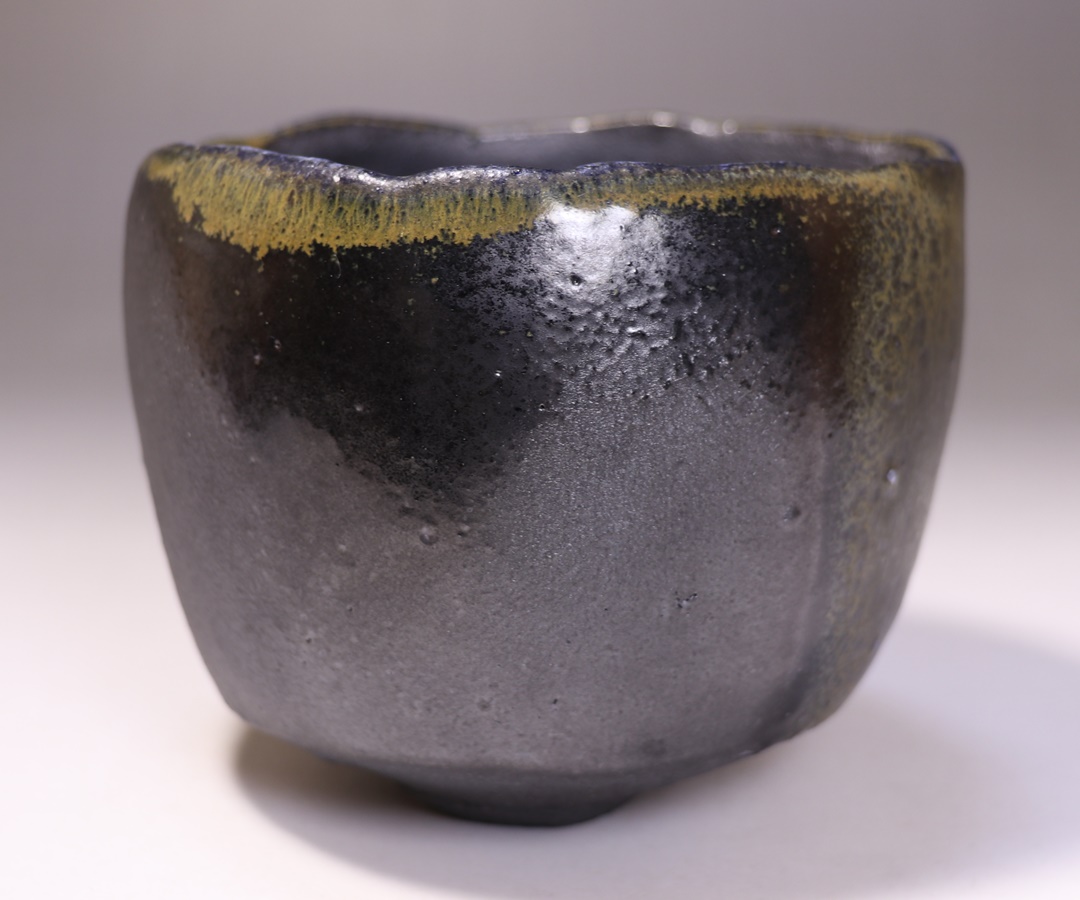
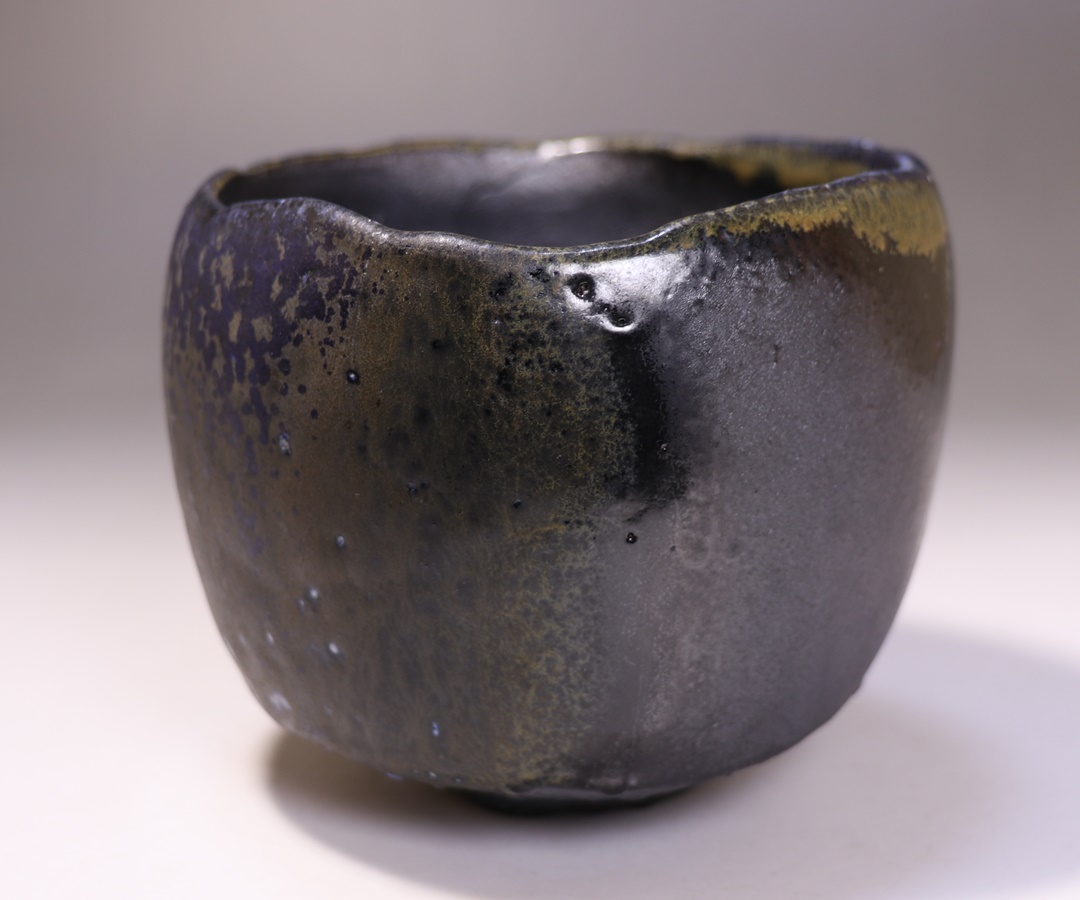
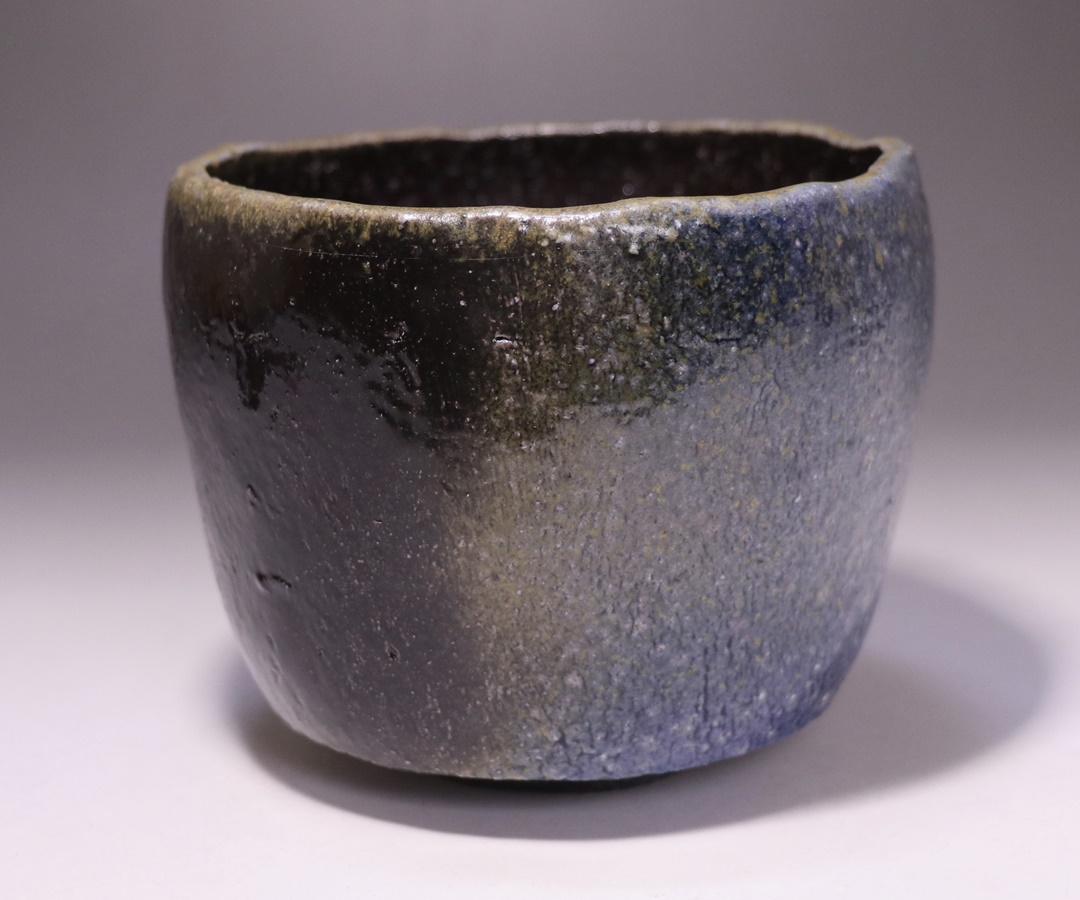
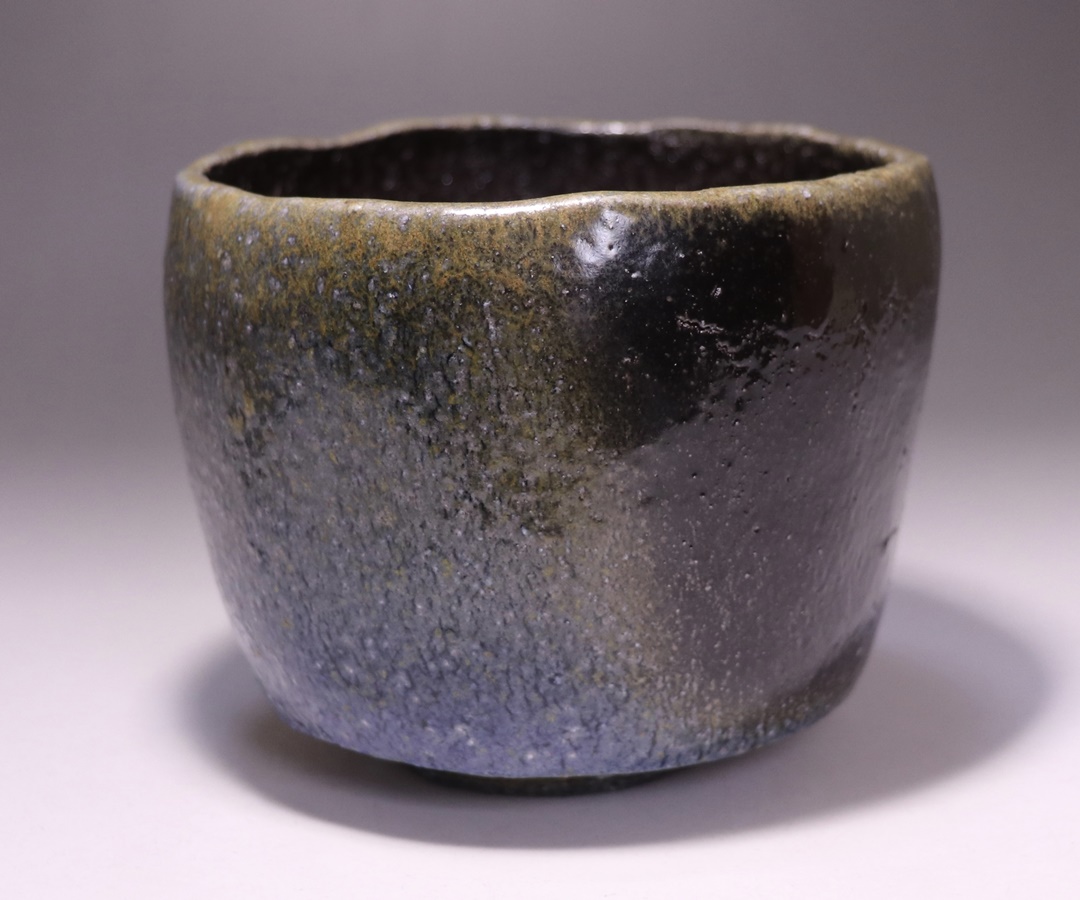
size : W11.9cm×11.8cm×H9.8cmHiroshi Goseki trained under Jun Isezaki, a Living National Treasure, and later established his kiln in Ibaraki. This is a Sohen-Kuro Chawan by Hiroshi Goseki.
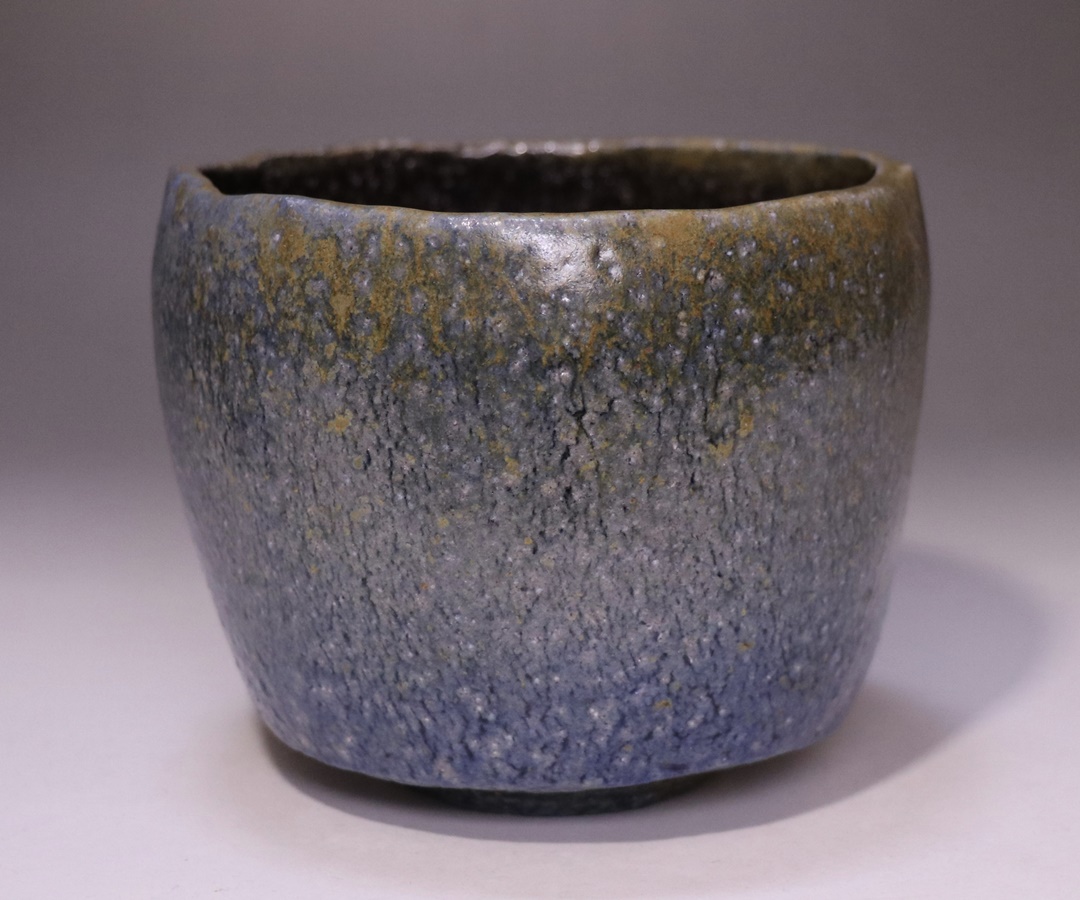
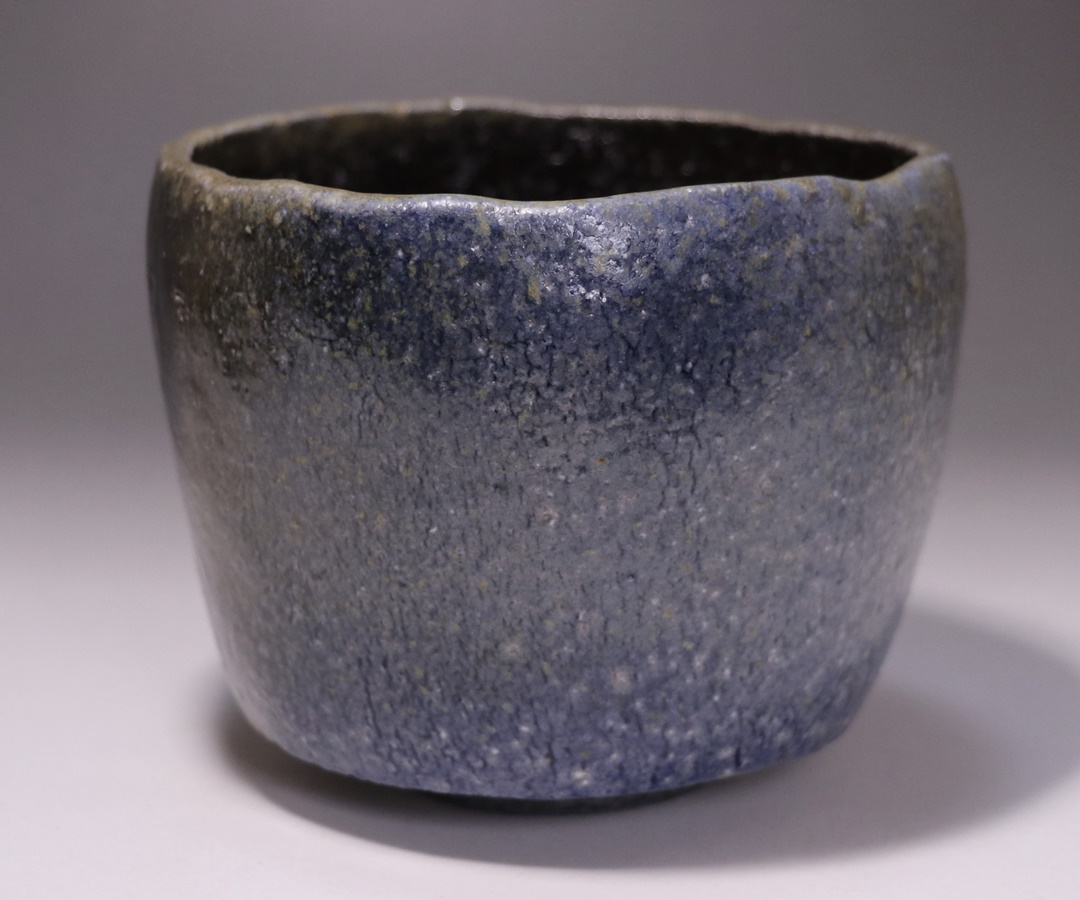
This piece uses the black coating that immediately reveals the influence of the Isezaki lineage. Since the areas where natural ash glaze has accumulated turn cobalt blue, it has been given the title “Sohen-Kuro.”
Over the calm Kigoma, which contains a slight greenish nuance, a rich cobalt-blue fire effect appears, truly befitting the name “Sohen.”
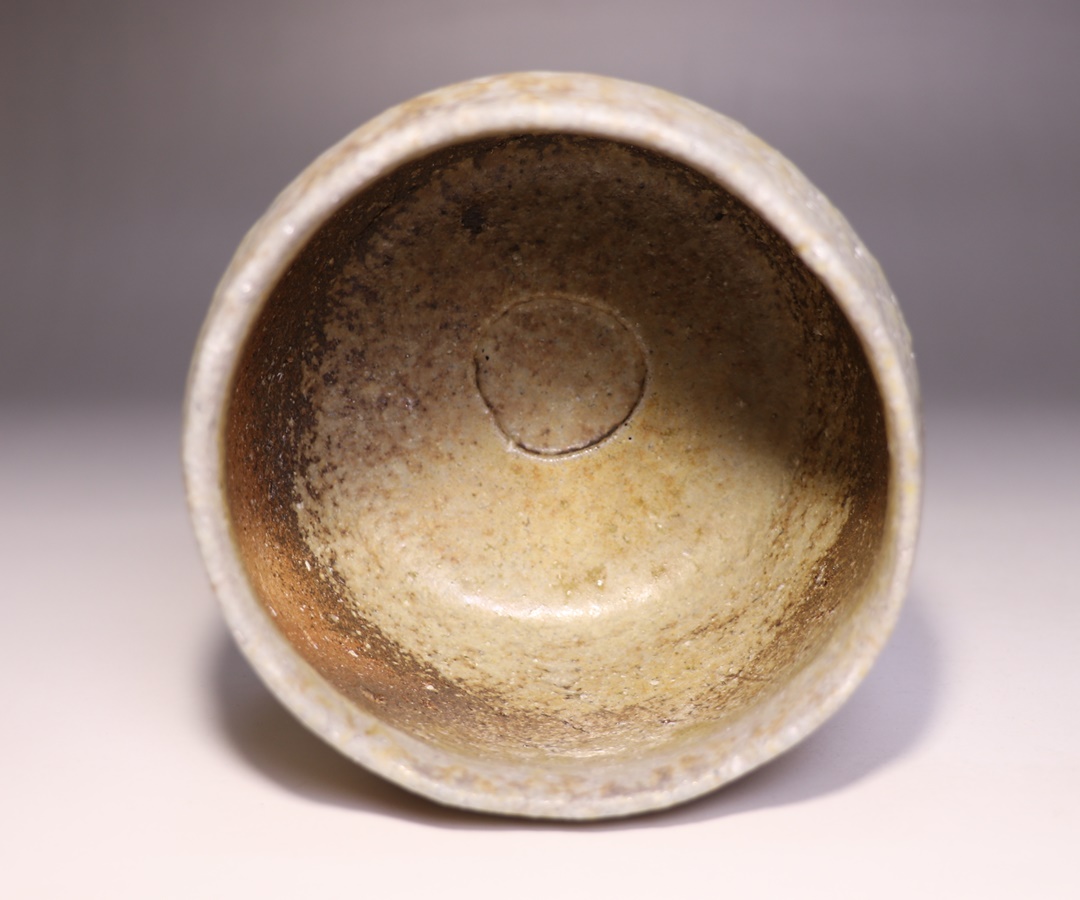
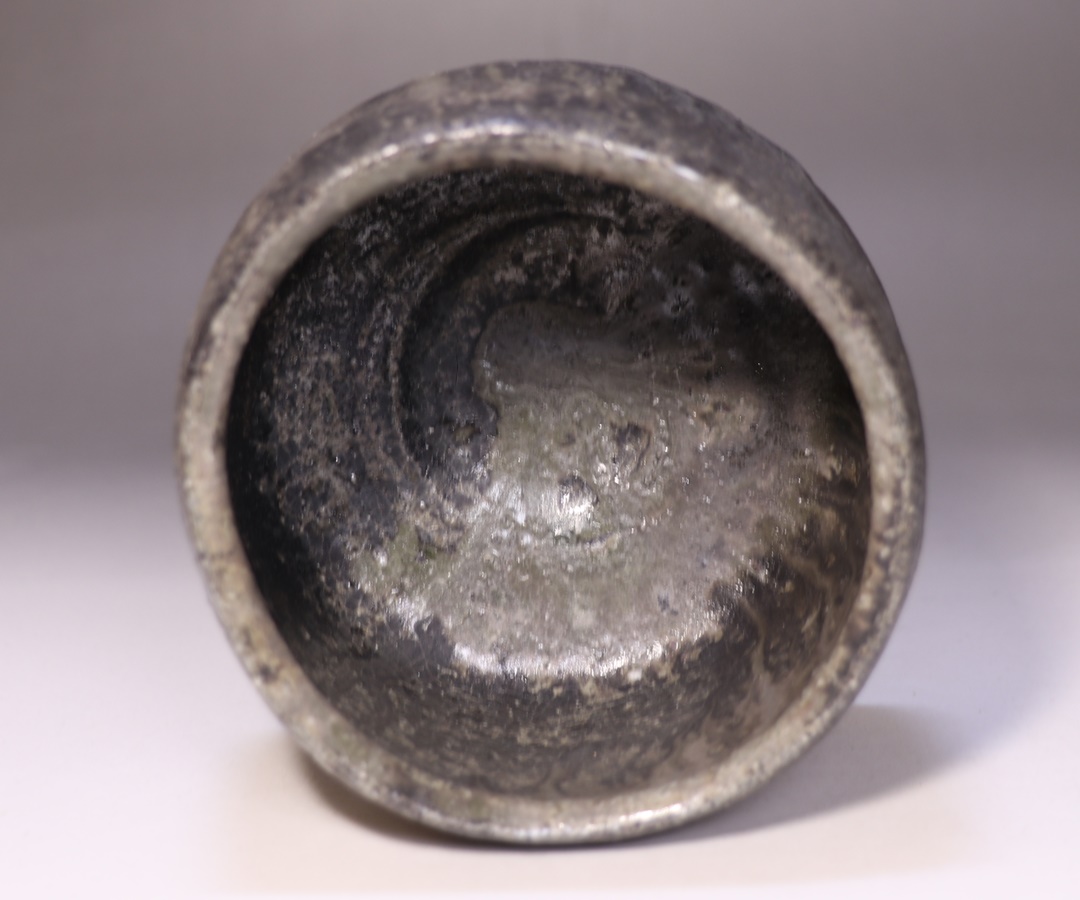
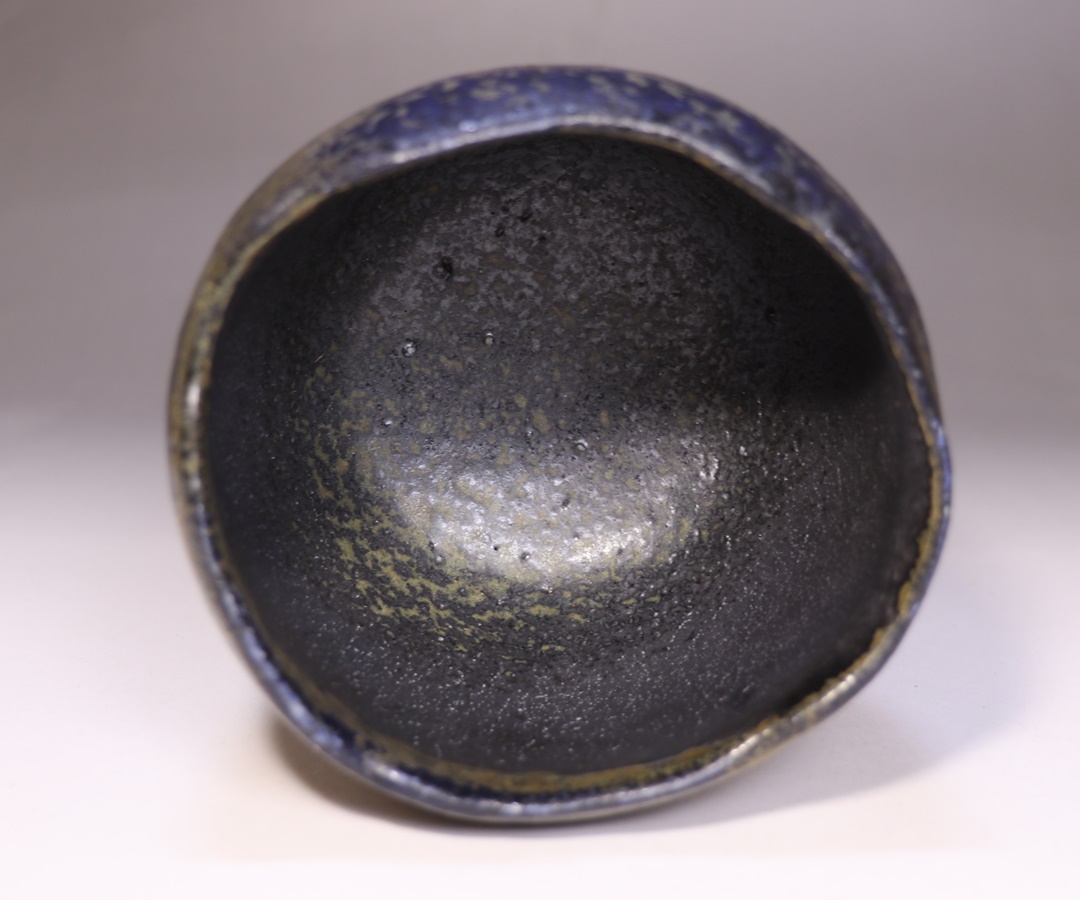
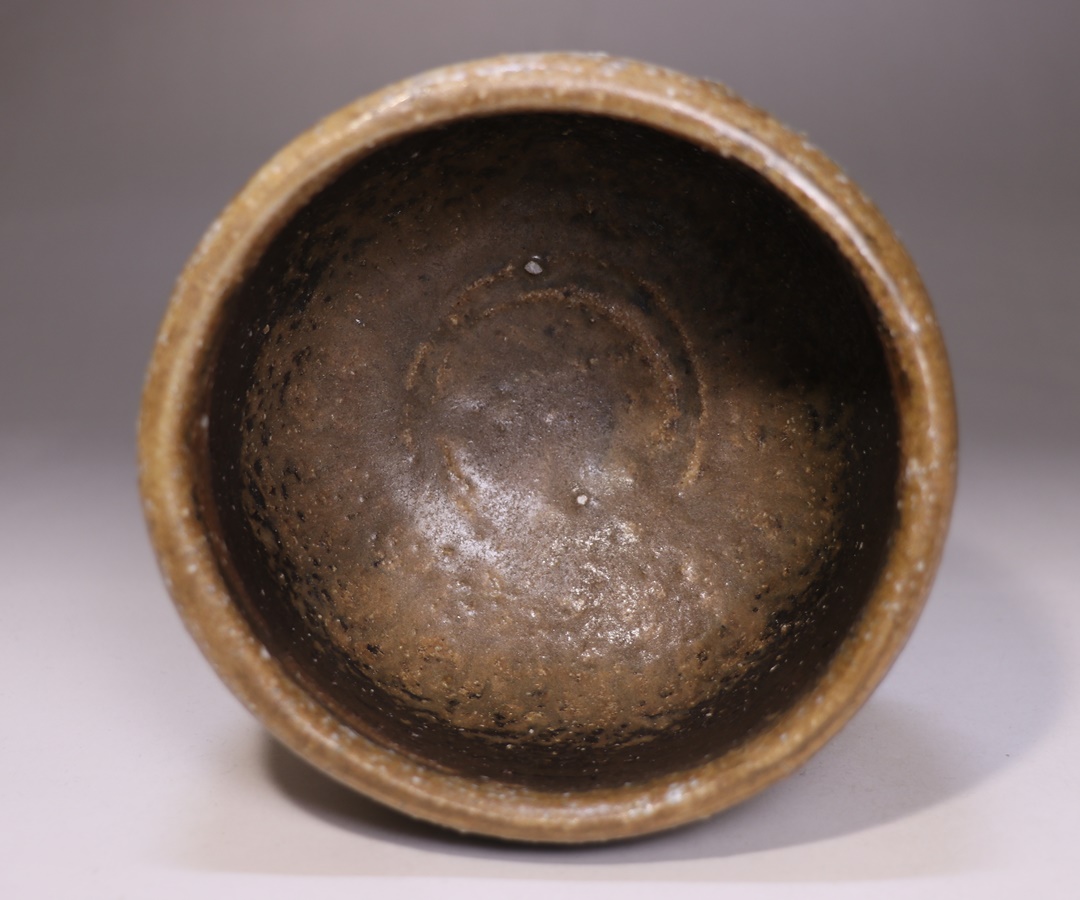
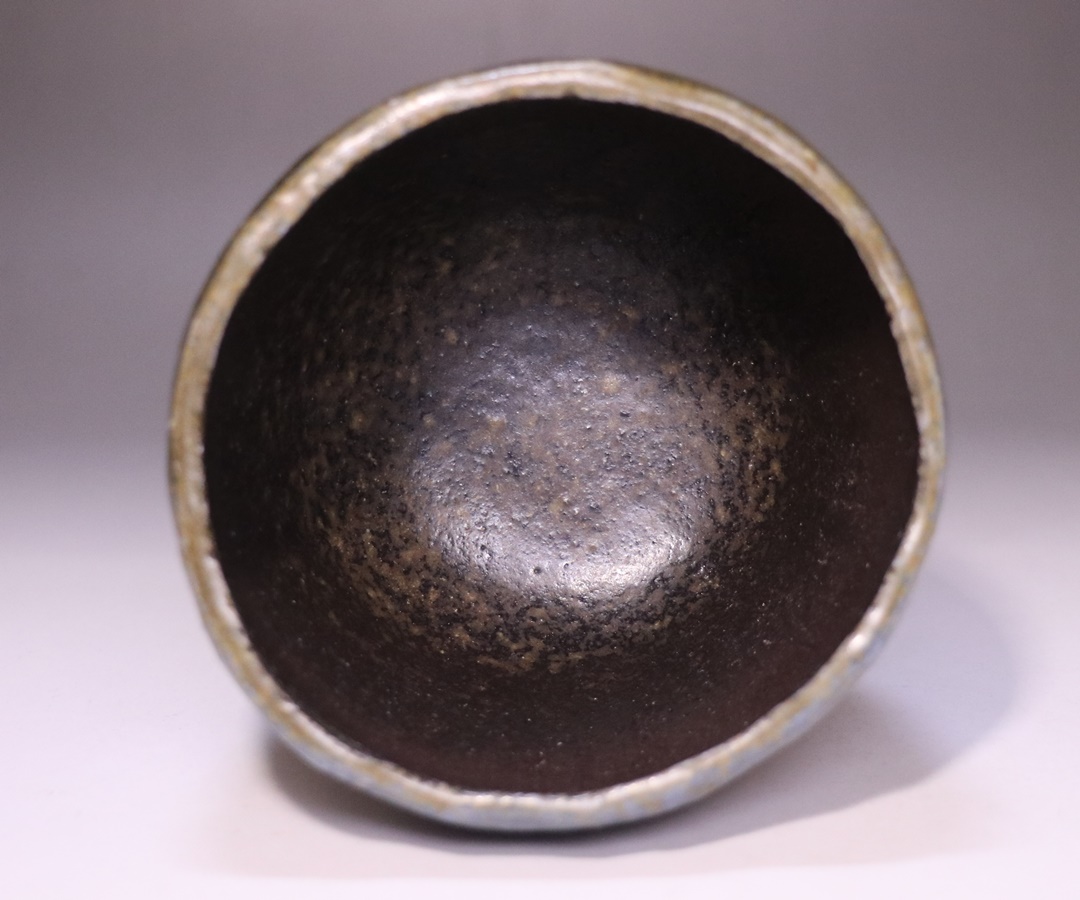
The interior presents a different atmosphere from the exterior, showing a matte black tone mixed with silver. Together with the fine wrinkles and small holes formed inside, it gives the impression of charcoal.
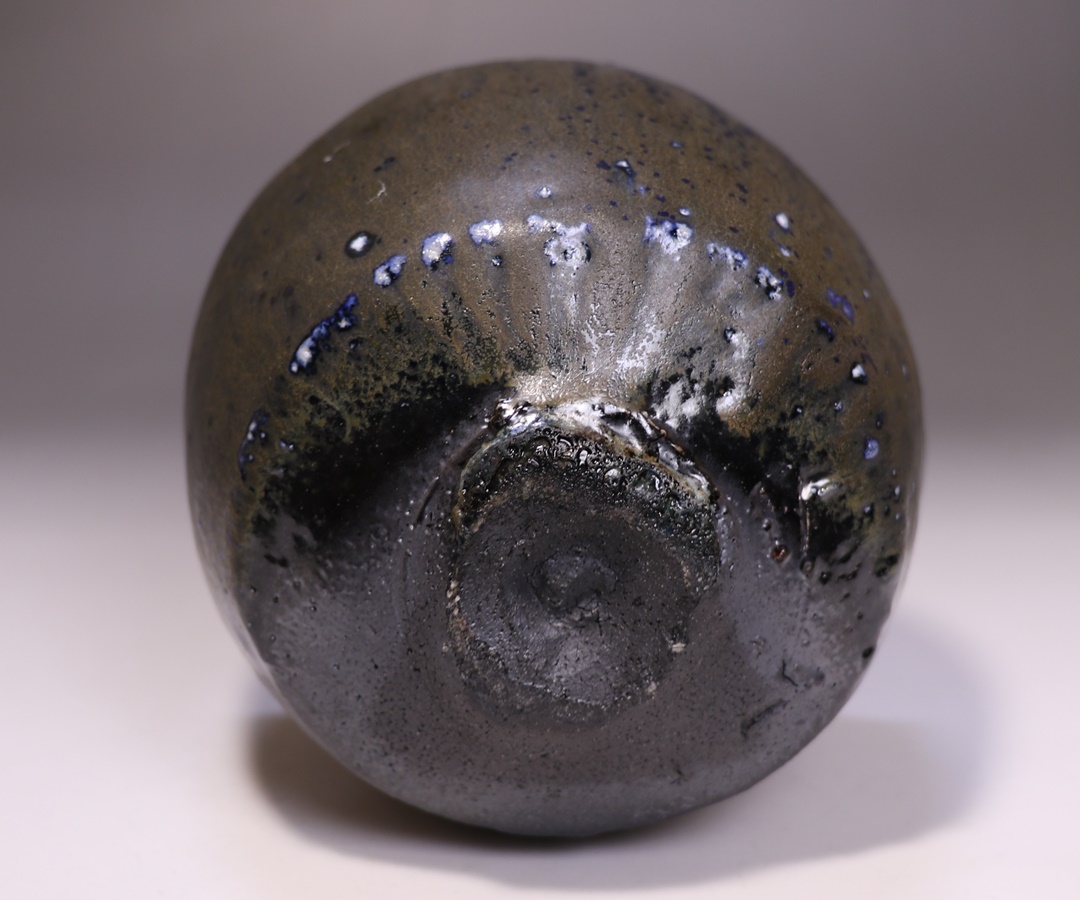
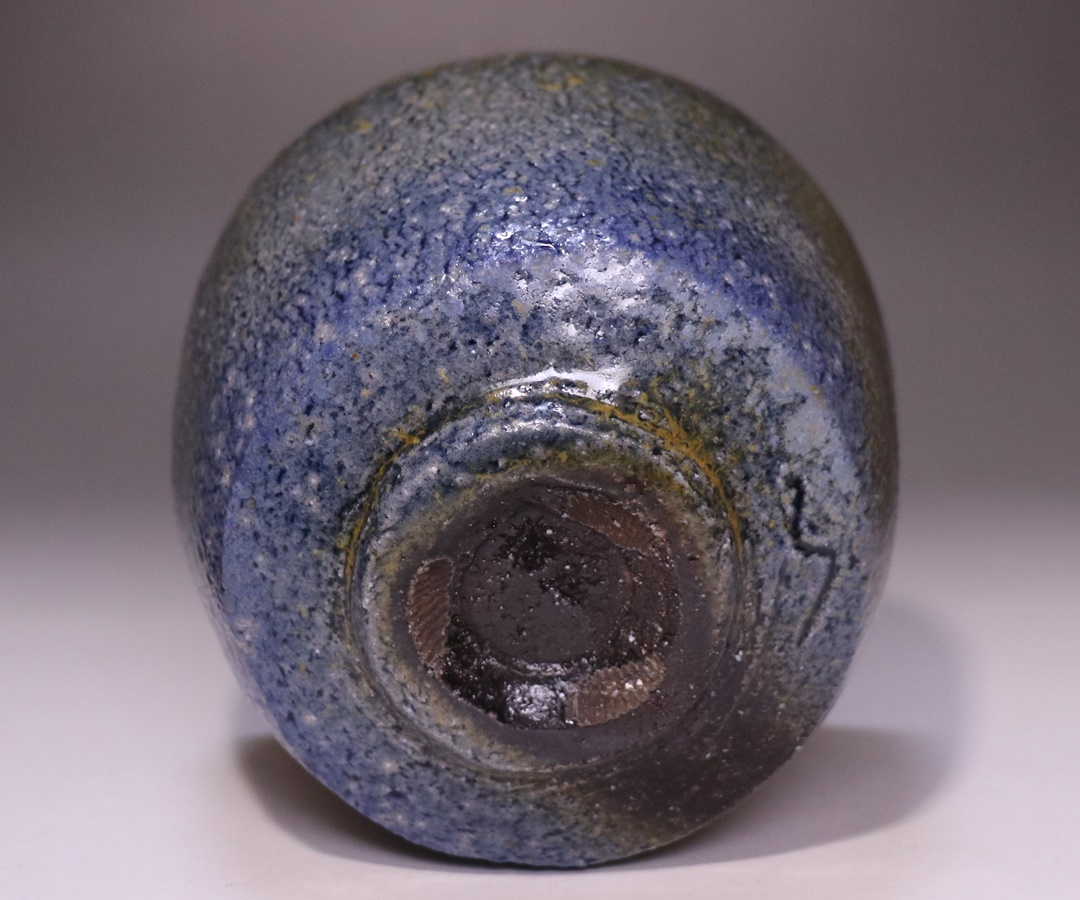
For this work, the form was first built up to a certain degree using slab construction, and then carefully adjusted and refined by hand. The resulting shape is excellent, conveying both the quiet dignity and subtle movement reminiscent of a Raku Chawan.
The foot also reflects Goseki’s deep study of tea ceramics and the tea ceremony. Within its energetic and sharp design, a calm sense of maturity is beginning to emerge.
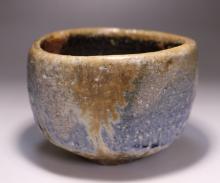


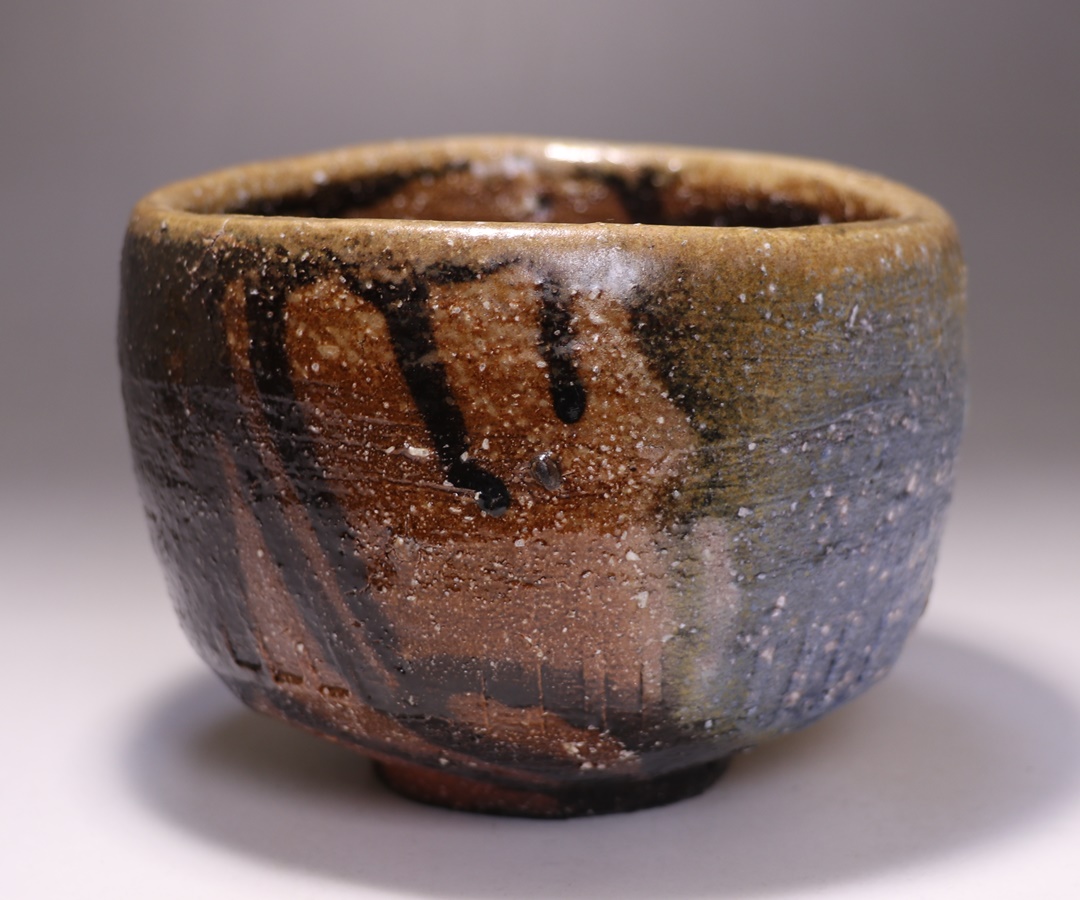
Jun Isezaki - Bizen Kuro Chawan
880,000 YENSold out
size : W13.5cm×13.2cm×H9.5cmThis is a newly fired Bizen Kuro Chawan by Jun Isezaki, a Living National Treasure who continues to lead the world of Bizen ware with a creative spirit that never runs dry.
This is one of his latest works, newly fired in February 2026.
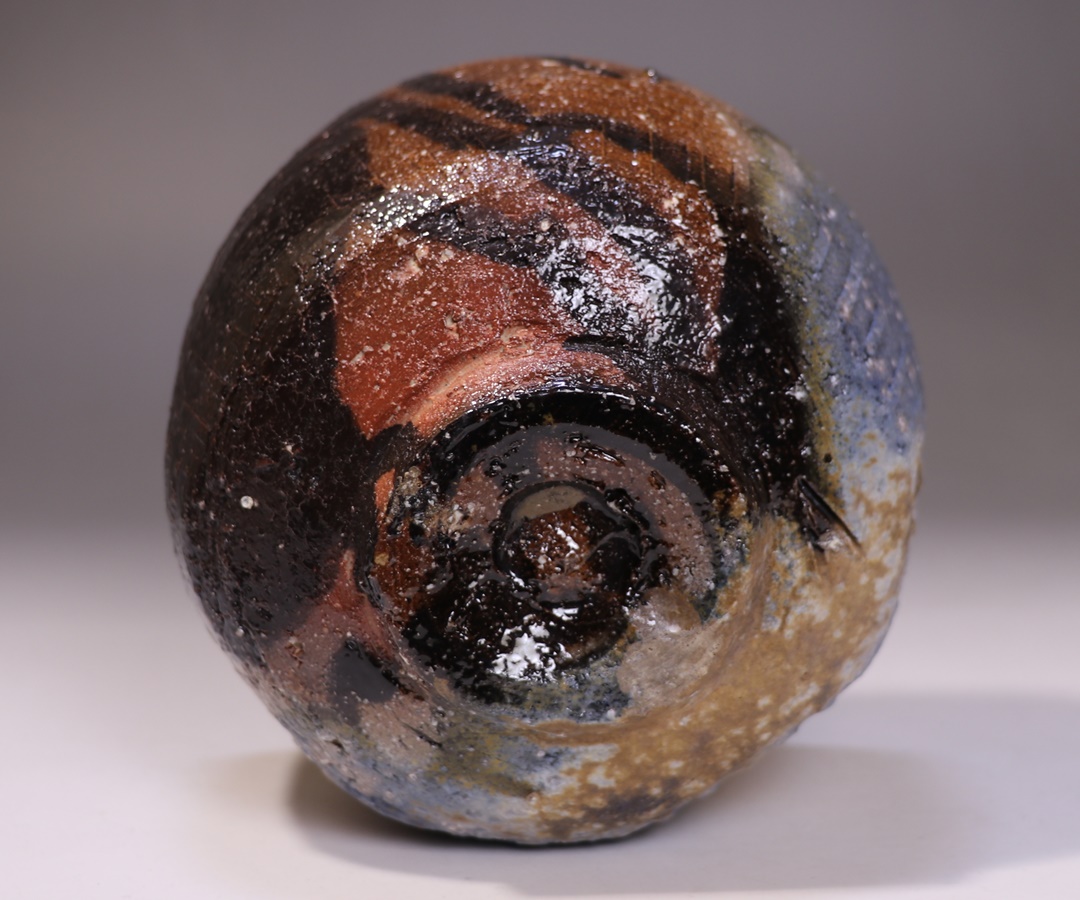
Fired for about ten days in a semi-underground Anagama kiln, this piece presents a dynamic fire pattern that seems to engulf the entire surface, as the black coating and powerful Goma contend with one another across the clay.
This work is executed in the technique known as kakewake, in which the black coating is poured over the surface, creating a striking contrast between the areas covered in black and those where the underlying orange-toned clay remains visible.
Furthermore, golden Goma carried by the intense flames has settled across the surface, completing a bold and dynamic fire pattern that perfectly suits Jun Isezaki’s powerful style.
The front is especially fascinating, as it condenses the appeal of this kakewake technique. Only where the black coating overlaps with the white Kase-Goma characteristic of Anagama firing does a vivid blue fire effect appear, produced by the cobalt contained in the coating.
Yellow, orange, black, vivid blue, and white — no fewer than five colors enliven the surface. To this unusual brilliance, rarely seen in Bizen ware, the fresh green of matcha is added as the final color when the bowl is in use, completing the work as a Chawan imbued with the spirit of the “new era of Bizen ware” that Jun Isezaki sought to open.
Around the lower body, Jun Isezaki’s characteristic impressed patterns have been carved, and energetic touches such as the powerful foot can be seen throughout. At the same time, the broad, deep, and gently open interior quietly reveals the kindness of a man admired by so many disciples.
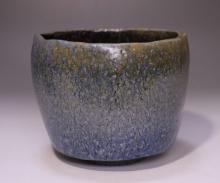


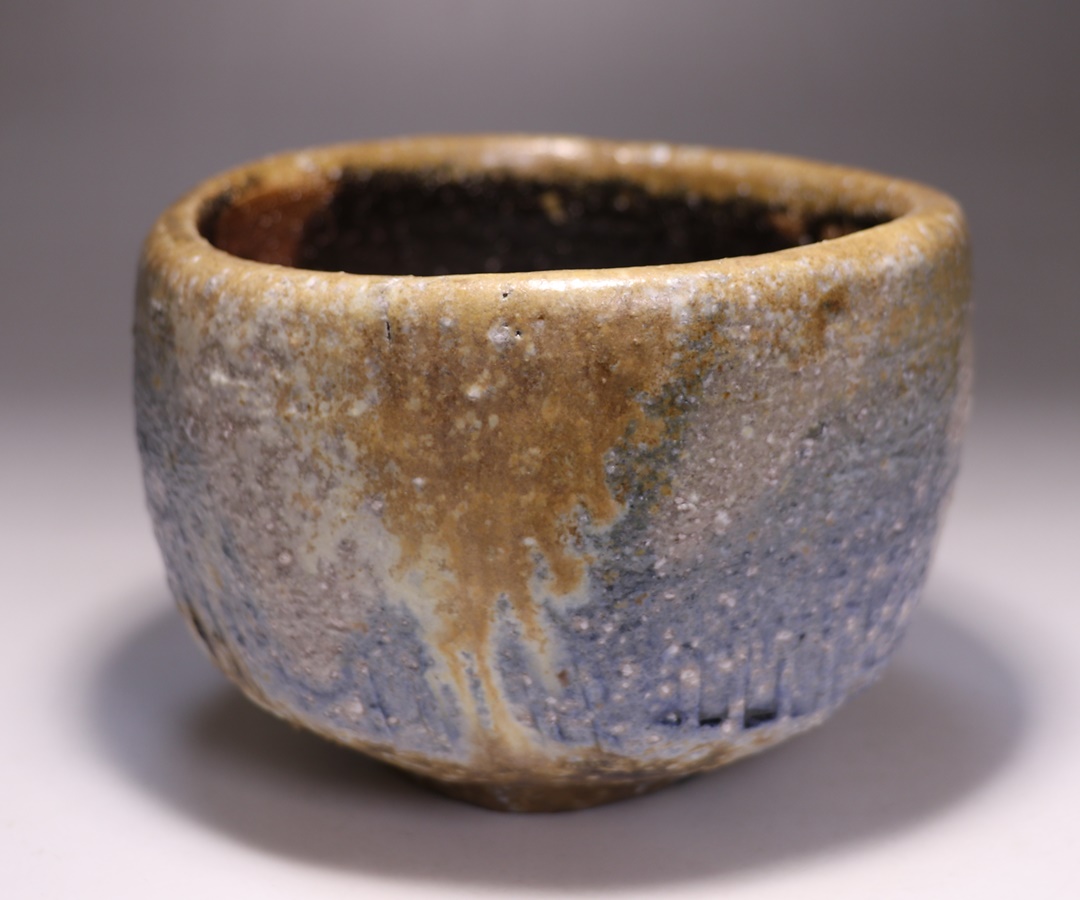
Masao Akiya - Kuto Chawan
55,000 YEN
size : W12.2cm×11.9cm×H9.6cmThis is a newly fired Kuro Chawan by Masao Akiya, who studied under Jun Isezaki, the fifth Living National Treasure of Bizen ware, and creates highly original works within a fresh and contemporary spirit.
It is one of his latest works, freshly fired in February 2026.
This piece was made using the Kuro-Bizen technique inherited from his teacher, Jun Isezaki, and its black surface is especially appealing, with a deep luster yet a warm and inviting tone.
A special clay collected from areas near Osafune, close to Bizen City, is applied to the surface after a small amount of cobalt is added, creating a stylish and richly nuanced black texture.
One of the great attractions of black works is the so-called blue fire effect, created by the reaction between cobalt and natural ash glaze. In this piece as well, blue fire effects appear across roughly seventy percent of the surface, giving it a highly striking presence.
The form has a quiet and refined character reminiscent of a Raku chawan, designed to make full use of the vivid black and blue scenery while also allowing the green of tea to stand out beautifully.
The fine wrinkles that emerged naturally in the clay during forming are especially fascinating. These wrinkles create subtle variations in the blue fire effects, resulting in a landscape of remarkable depth.
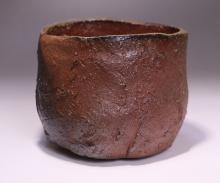


Yukio Tomori - Bizen Chawan
11,000 YENSold out
size : W12.0cm×11.2cm×H10.2cmThis is a slightly earlier Bizen Chawan by Yukio Tomori, who began his ceramic journey in Okinawa and later studied in Bizen under Taisetsu Sueishi.
When Tomori works at the wheel, he creates while seeking to capture the most beautiful moment—when the clay is transforming and shifting on the wheel.
This Chawan expresses that philosophy directly, with a fresh, lively sense of motion, as if the clay were shaping itself naturally.
In particular, the foot—often considered the “life” of a tea bowl—gives a mysterious impression, as if it were being drawn into a swirling whirlpool of clay. The wide, flat foot ring has an especially rich character, almost as if it were smiling.
The bowl is formed using Tomori’s signature slightly coarse clay, and together with his powerful hera-carved finish, it creates a surface like weathered stone.
Due to the character of the clay, the overall tone becomes a deep, rich Hiiro, and this is combined with contrasting black Kase-Goma on one side. It is a wonderfully striking combination that should make the green of matcha stand out beautifully.
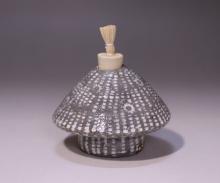


Toukoubou Yu - Huridashi
11,000 YEN
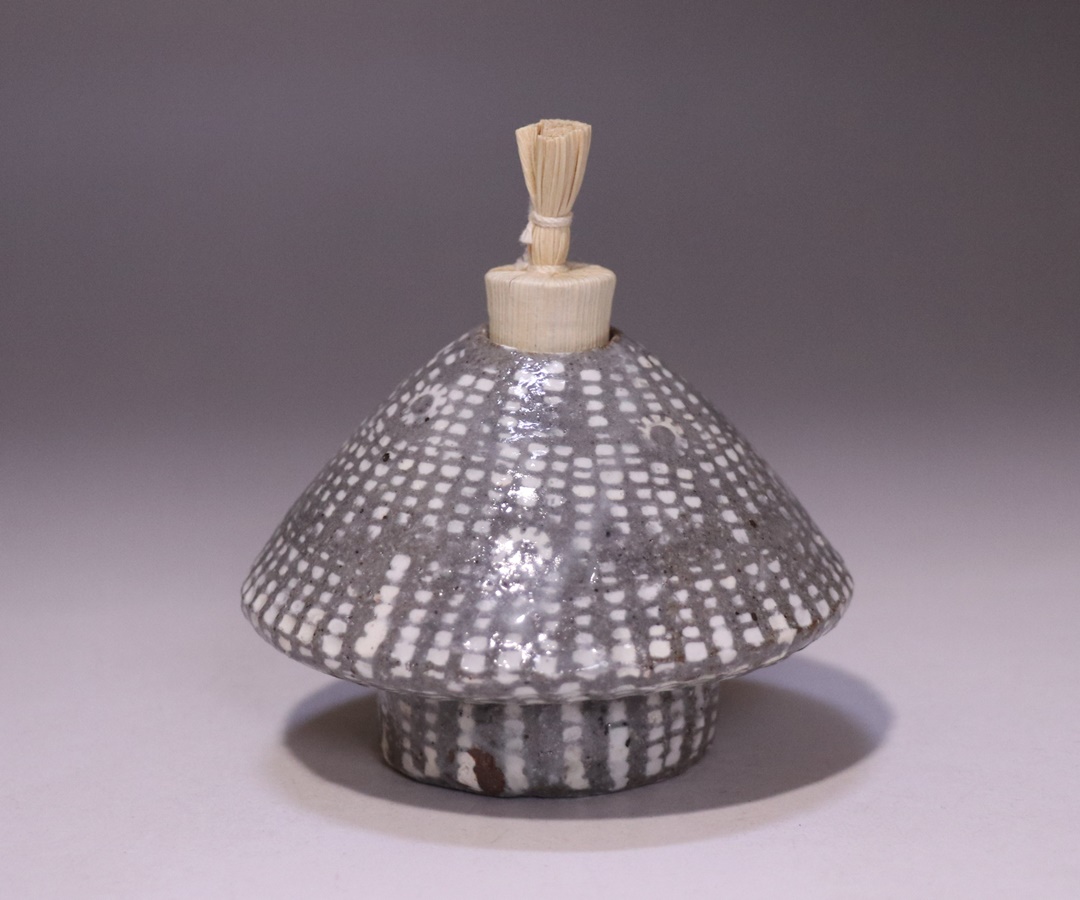
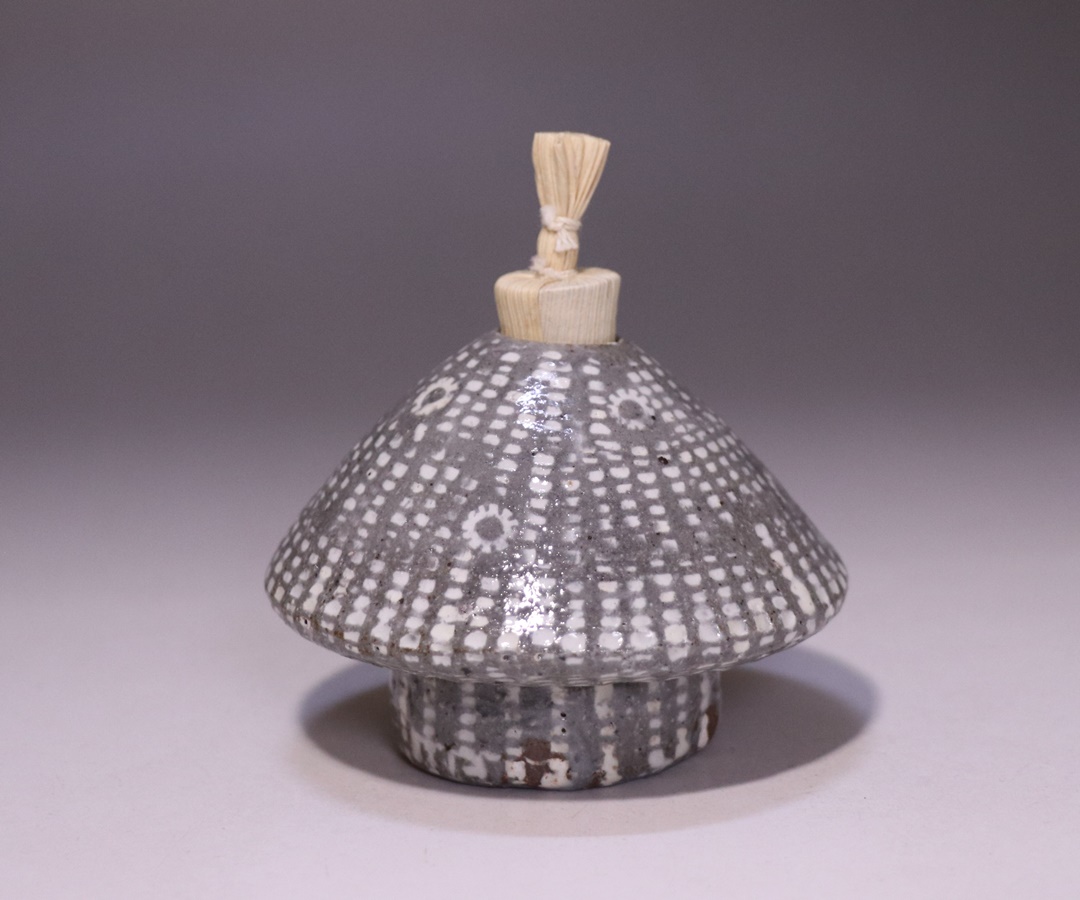
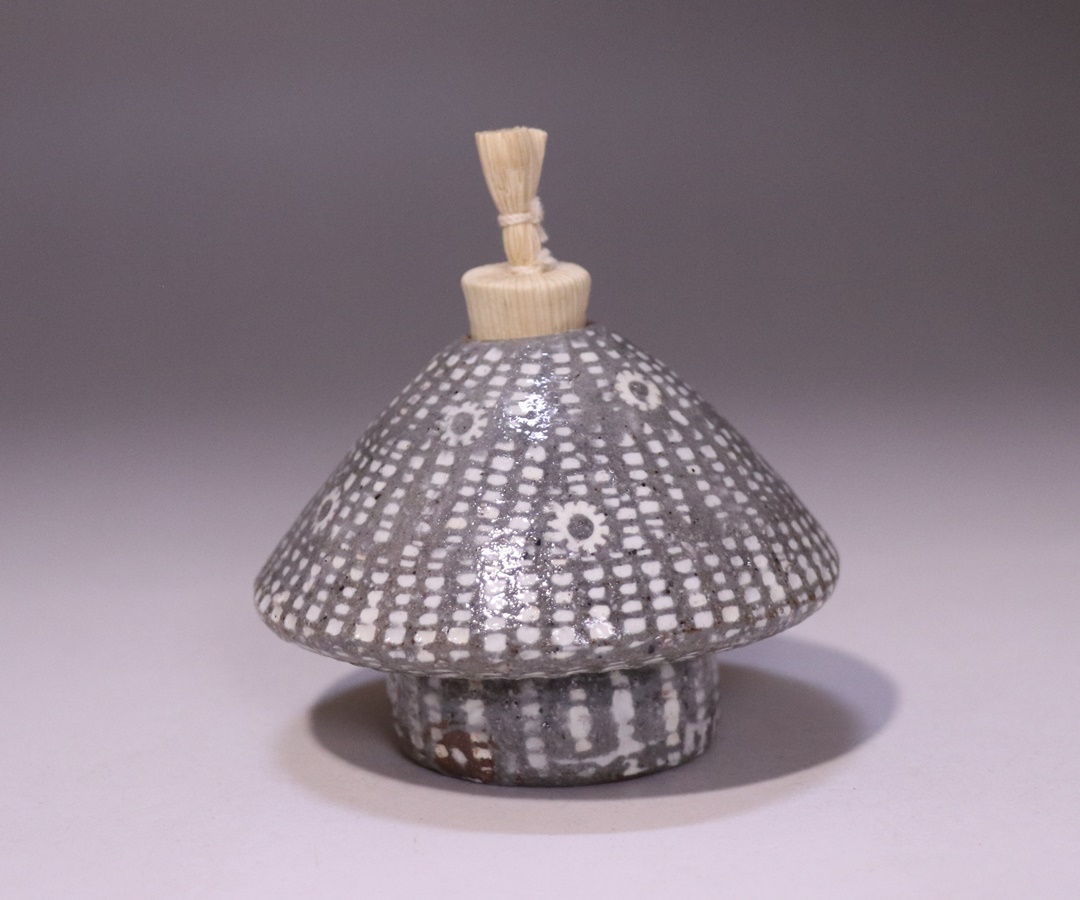
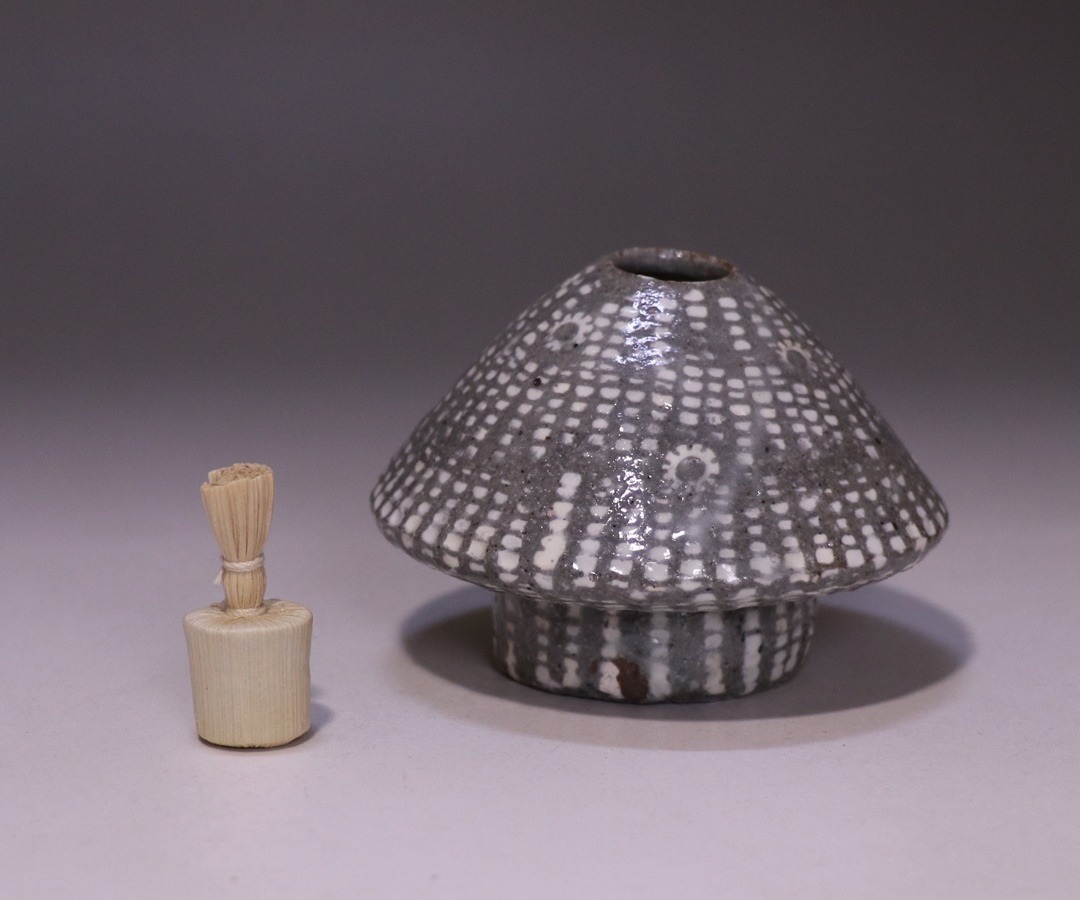
size : W7.9cm×7.9cm×H7.9cmThey inherit the careful and quiet style of Yuho Kaneshige.
They were too afraid to use Bizen clay when the studio was first formed.
You can tell they take very good care of their clay.
Their roots, Sozan Kaneshige, were also good at glazed work.
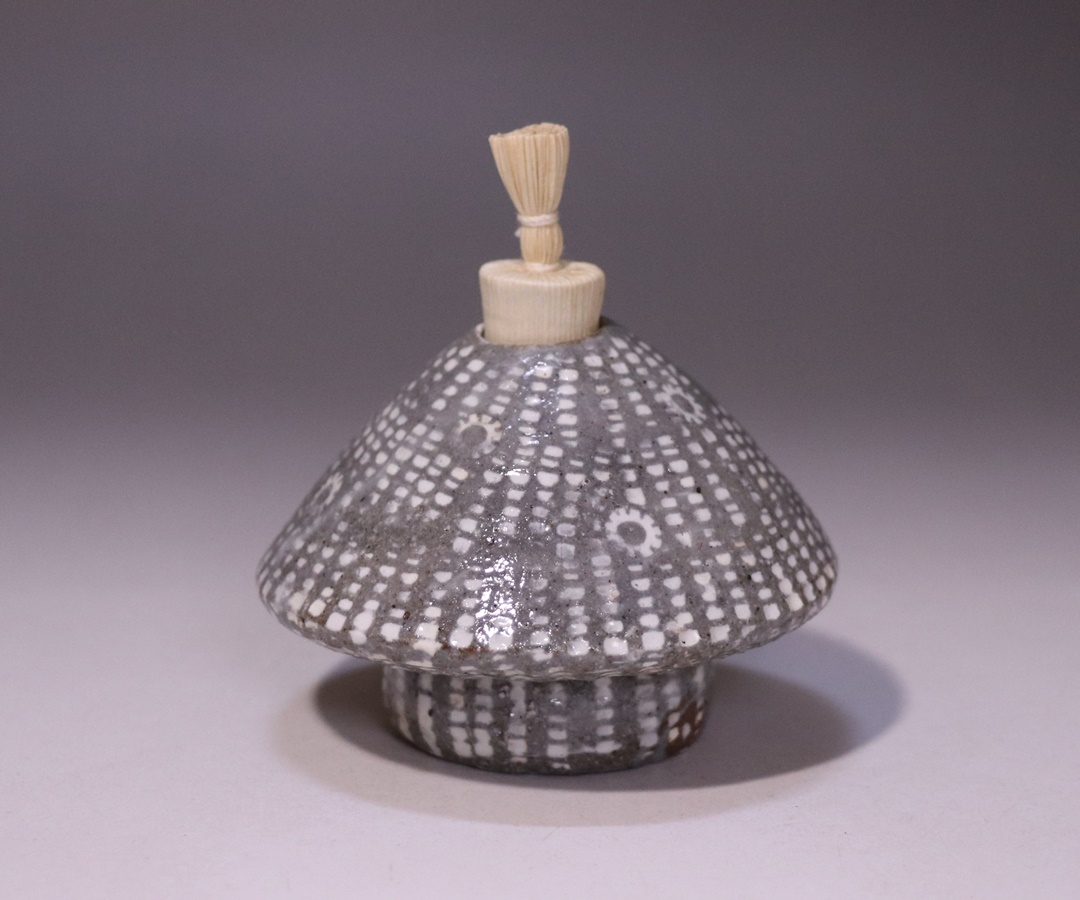
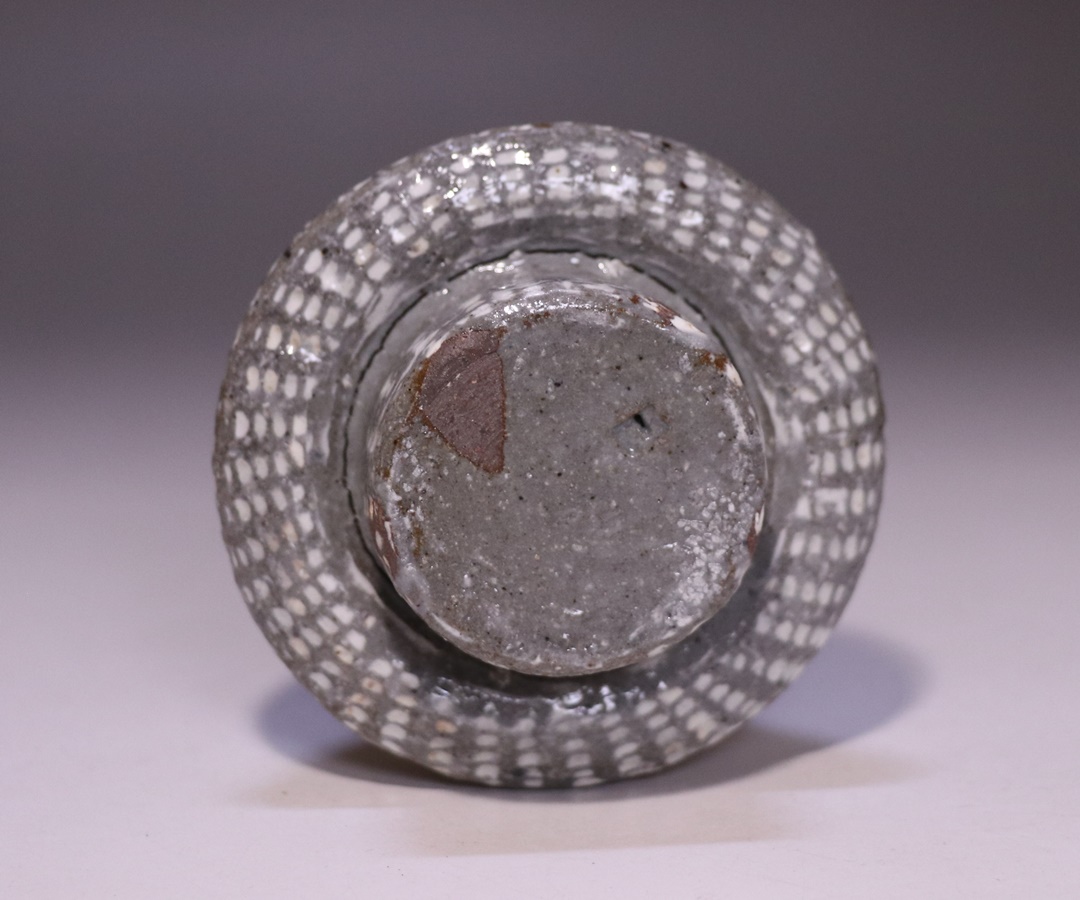
Crafted with a refined gray clay body and accented by white-slip inlay, this Furidashi evokes the elegance of Mishima-de while departing from its traditional floral motifs. Instead, the inlay patterns bear a striking resemblance to African tribal designs, infusing the piece with an exotic charm.
The intricate patterns are brought to life through meticulous glazing, harmonizing beautifully with the Furidashi—a traditional Japanese container originally used for konpeitō sugar candies. The result is a work that feels both fresh and timeless, blending cultural influences into a uniquely captivating form.
Accompanied by a finely woven stopper, this piece serves not only as a traditional confectionery vessel but also as a versatile container, ideal for holding small condiments or seasonings.
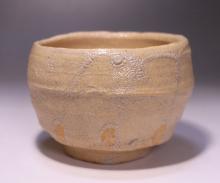


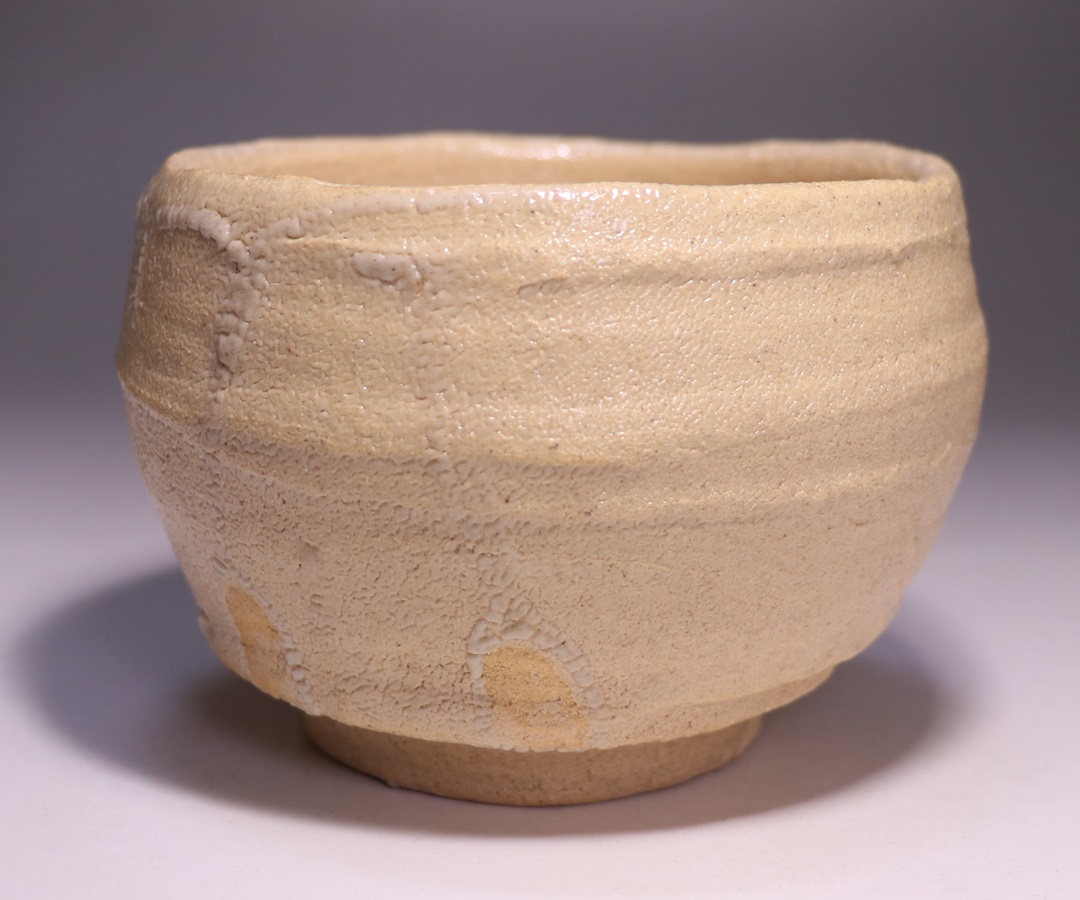
Yuho Kaneshige - Karatsutsuchi Haiyu Chawan
385,000 YEN
size : W11.6cm×11.5cm×H8.1cmYuho Kaneshige is the third son of Sozan Kaneshige.
He inherited Inbe's house and kiln from his father.
He was presenting traditional Kaneshige style works.
But around 2018 he started a new challenge.
He demolished the kiln that he inherited from his father and made a more primitive kiln.
This Chawan was fired in May 2025.
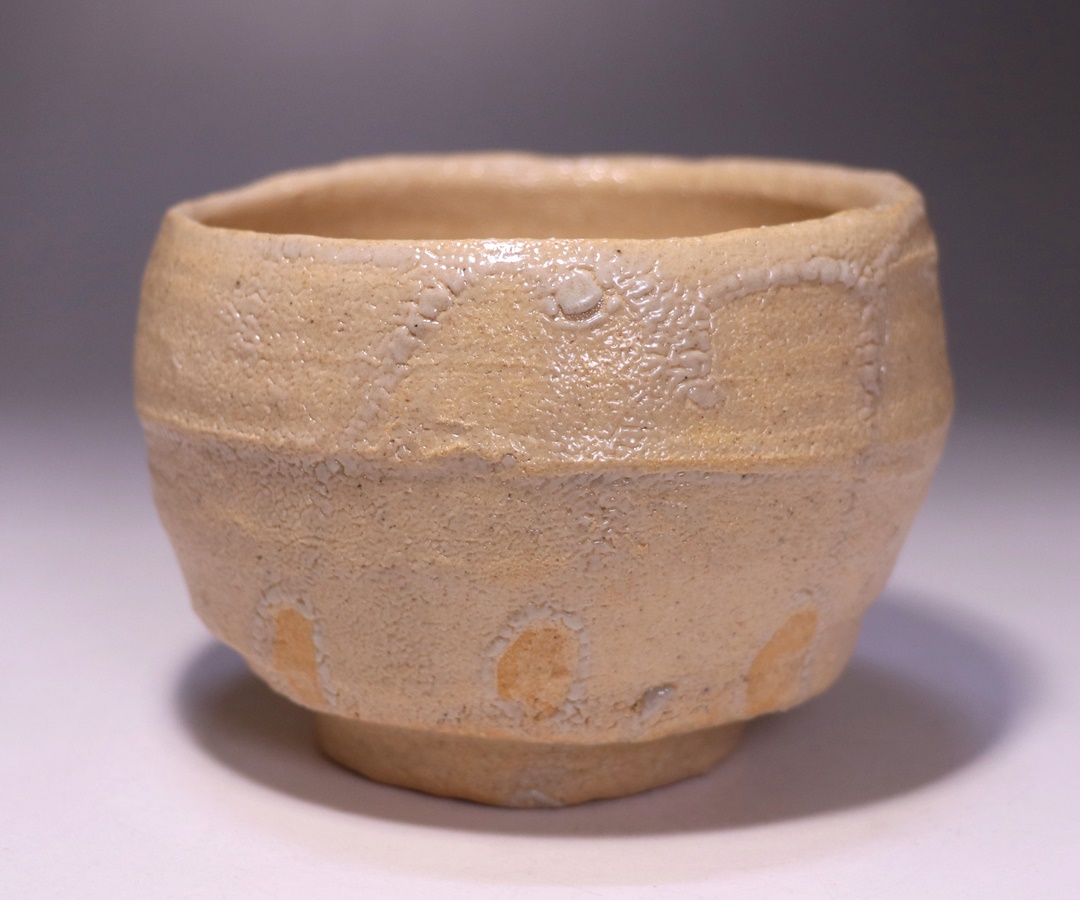
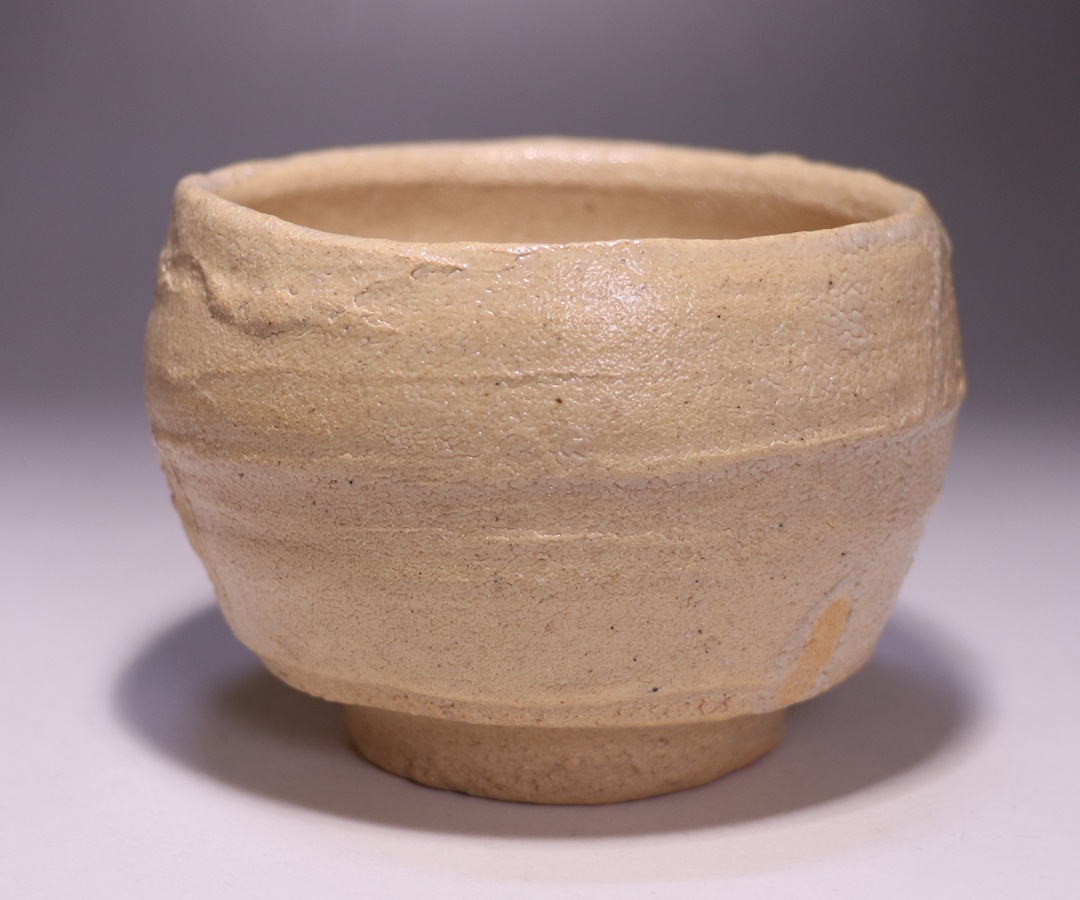
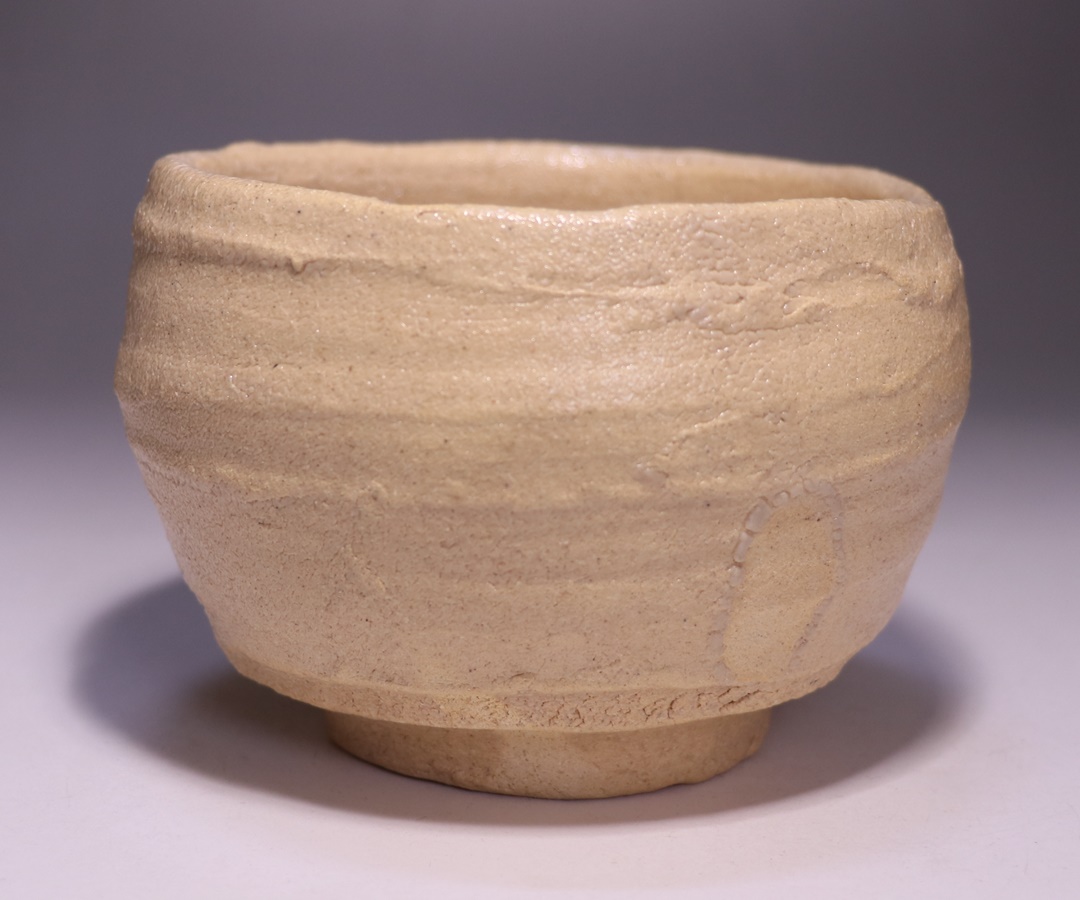
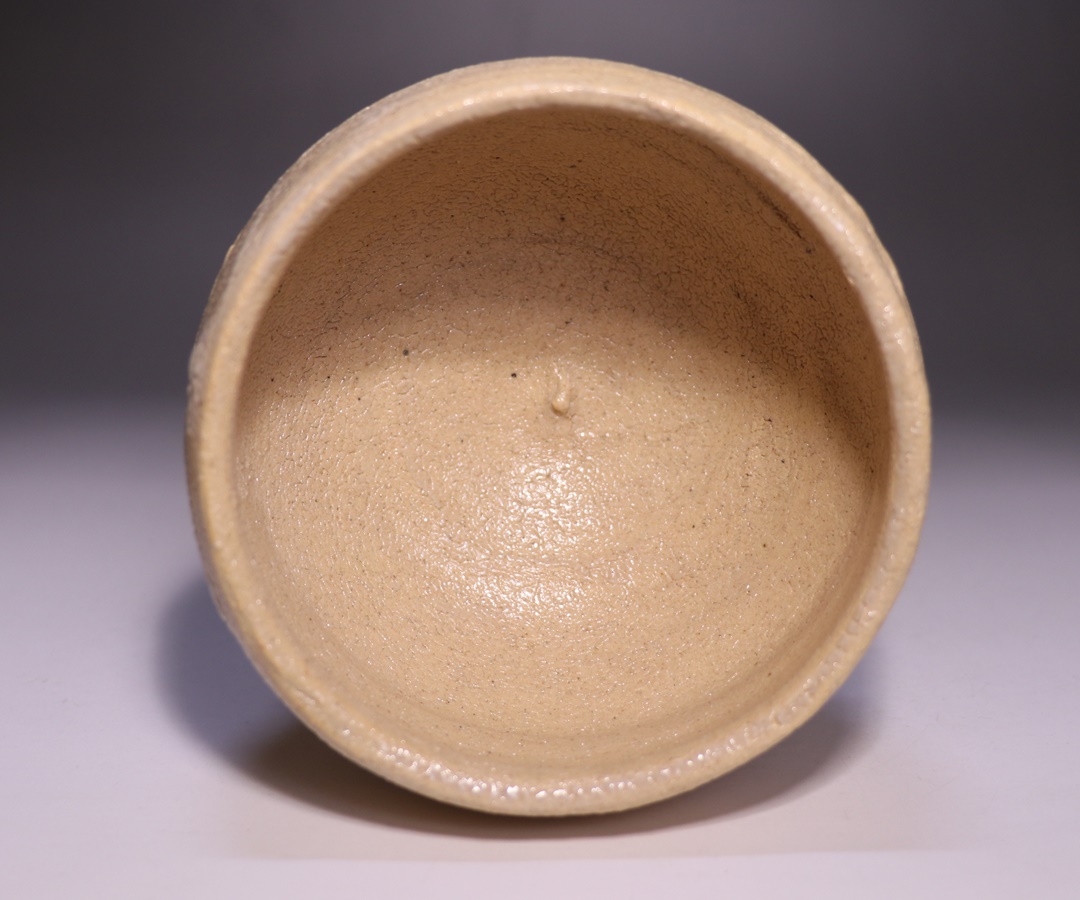
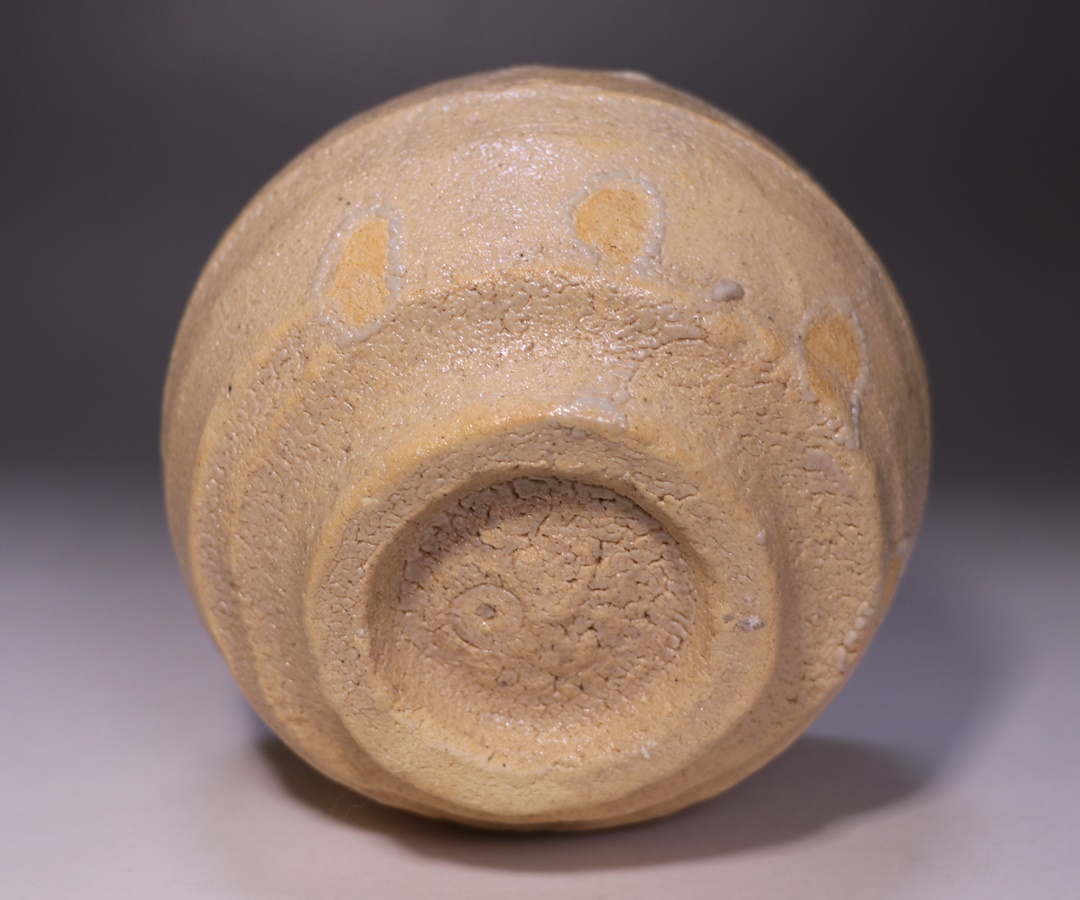
This Chawan was made using clay that the artist personally unearthed in the Karatsu region around the mid-Heisei era. It represents the culmination of his work with glazed pottery.
The surface shows the true charm of Karatsu ware—rustic and powerful. The slightly sandy clay was quickly trimmed, creating a rough texture that stands in contrast to the more refined feel of Bizen ware.
Though the piece is simply glazed with ash glaze and no iron painting, it has a quiet elegance cultivated through the artist’s experience in making tea ceramics. The title "Karatsu Clay with Ash Glaze" reflects his free-spirited approach, unconstrained by tradition.
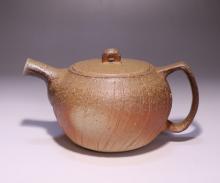


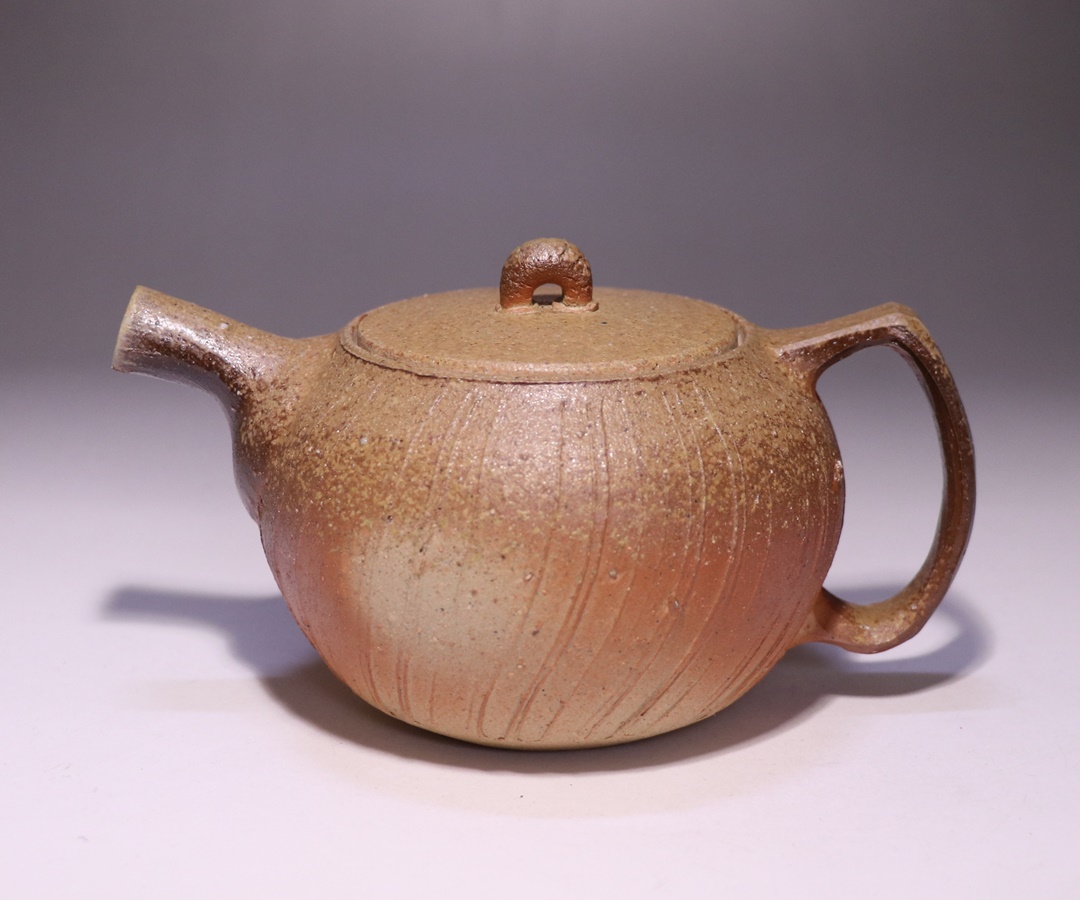
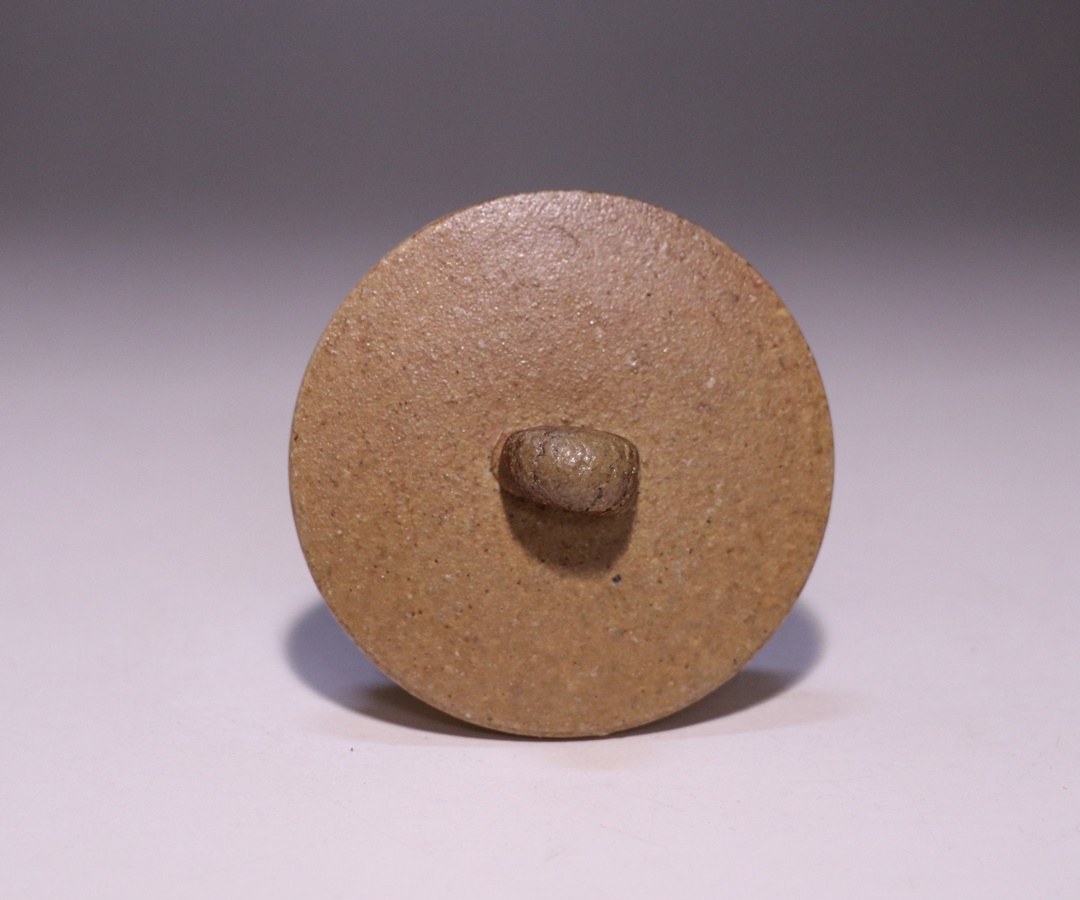
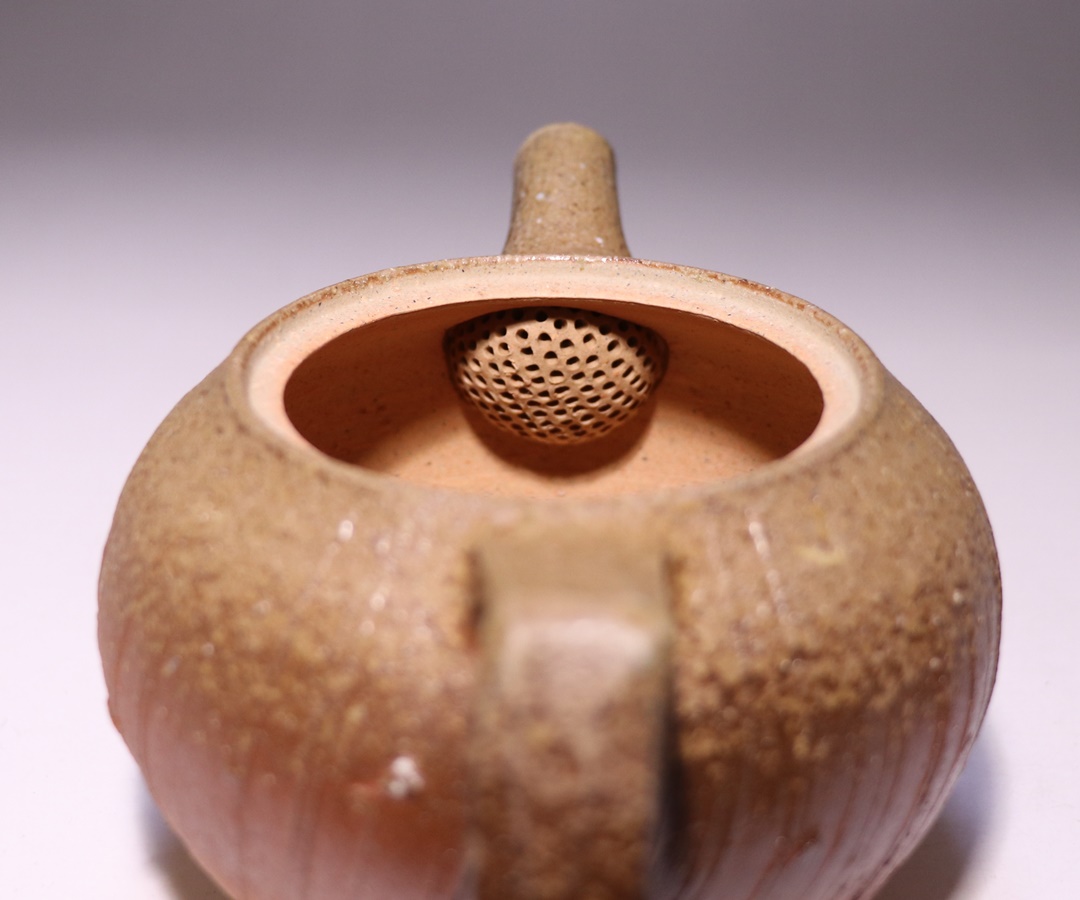
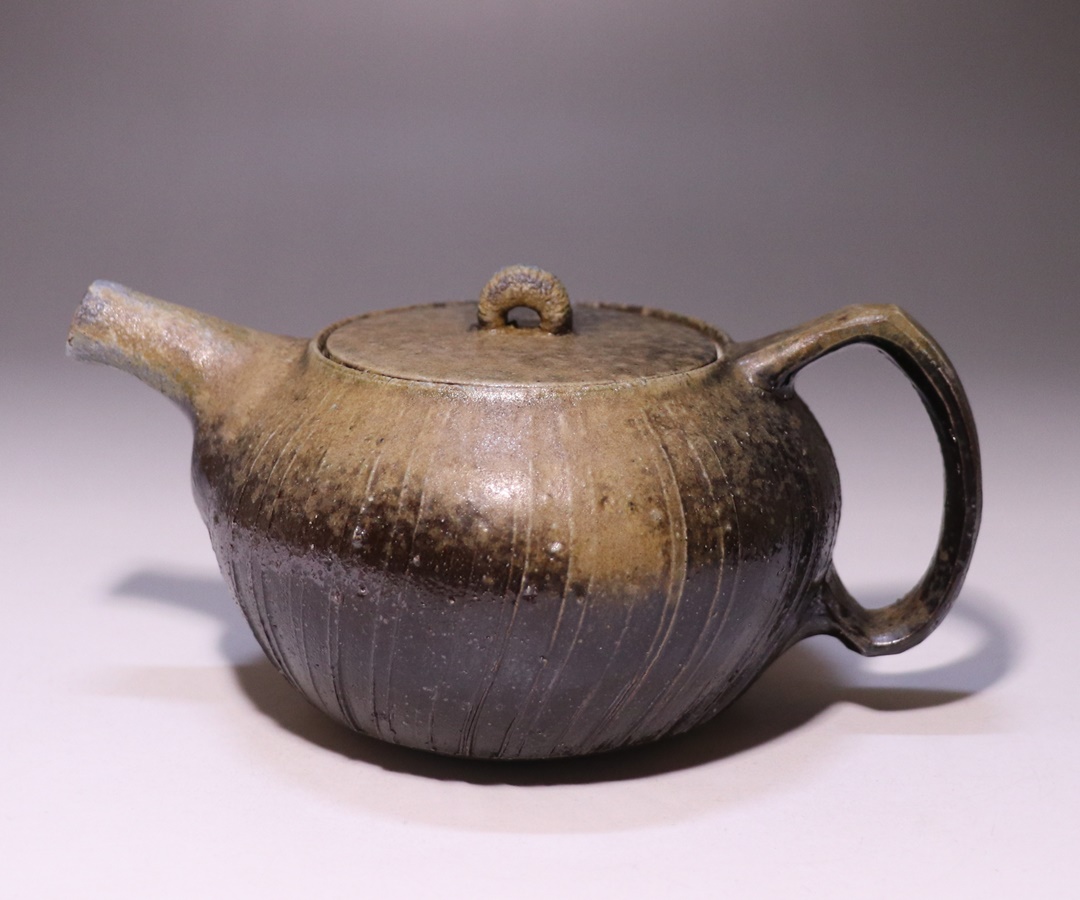
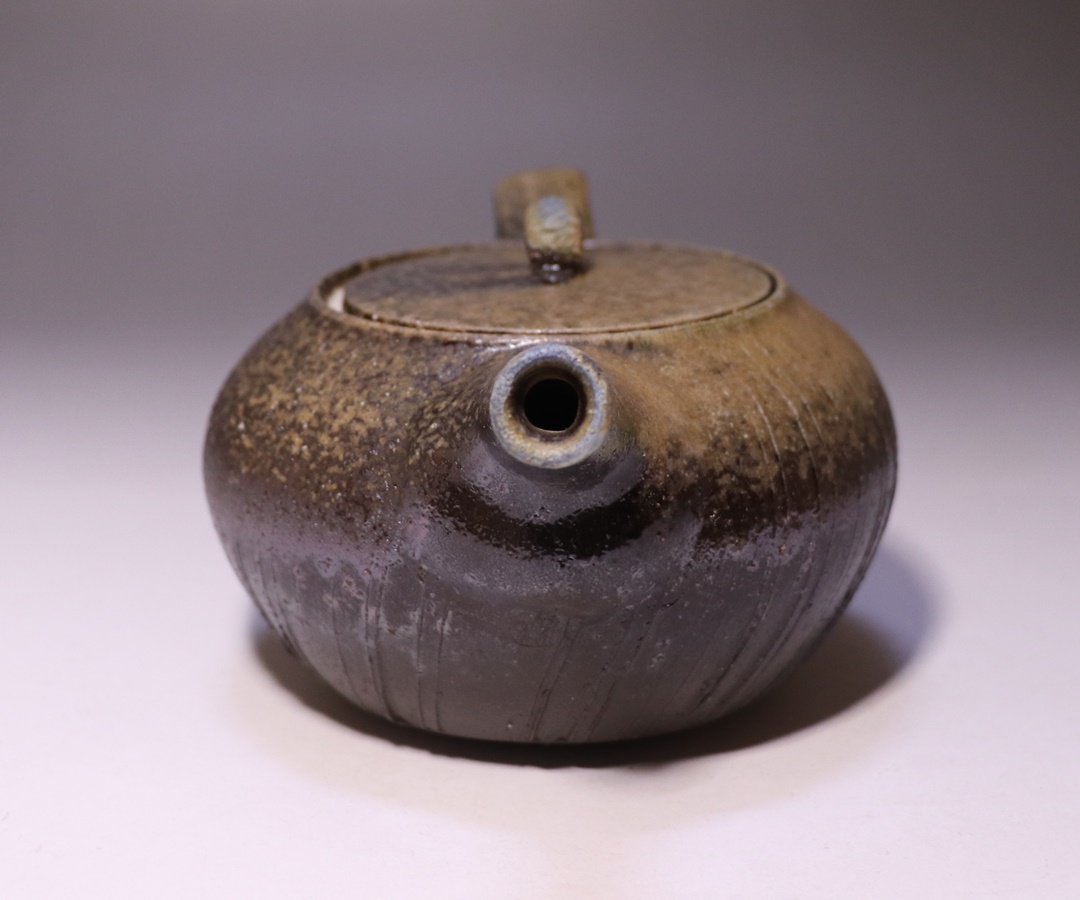
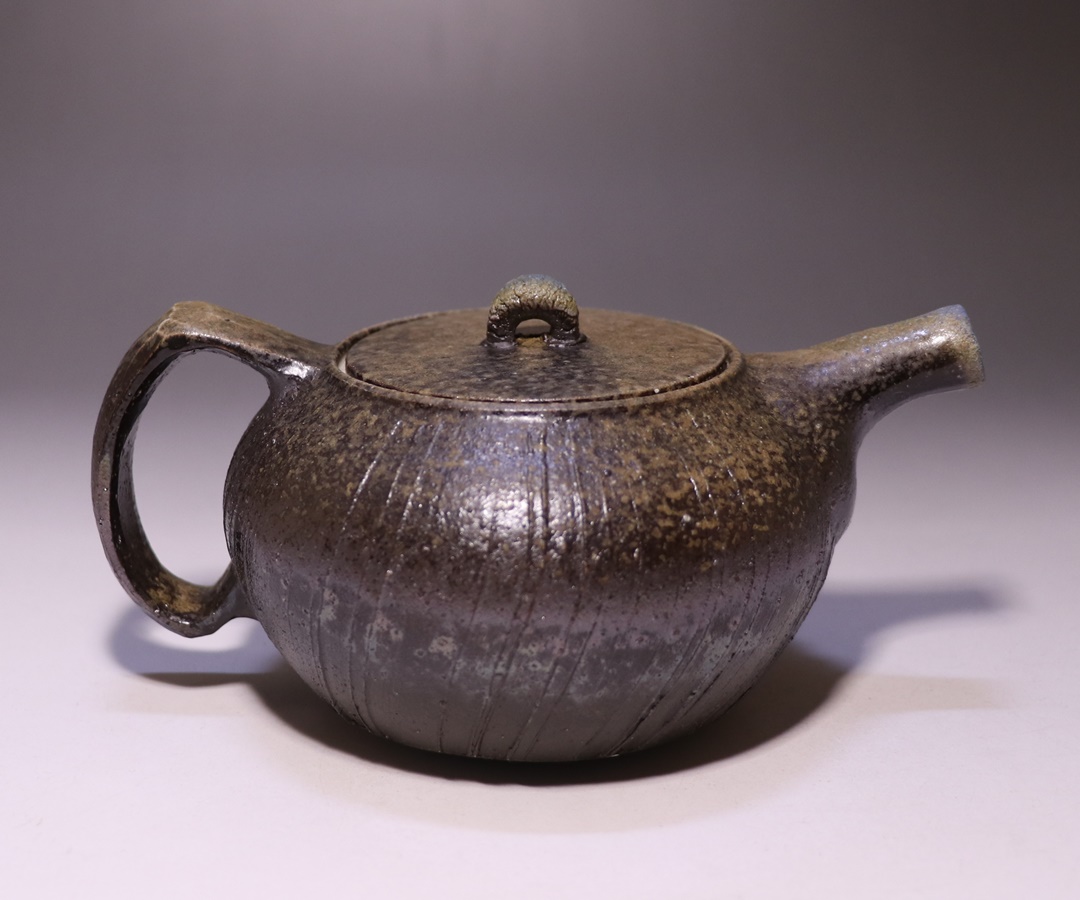
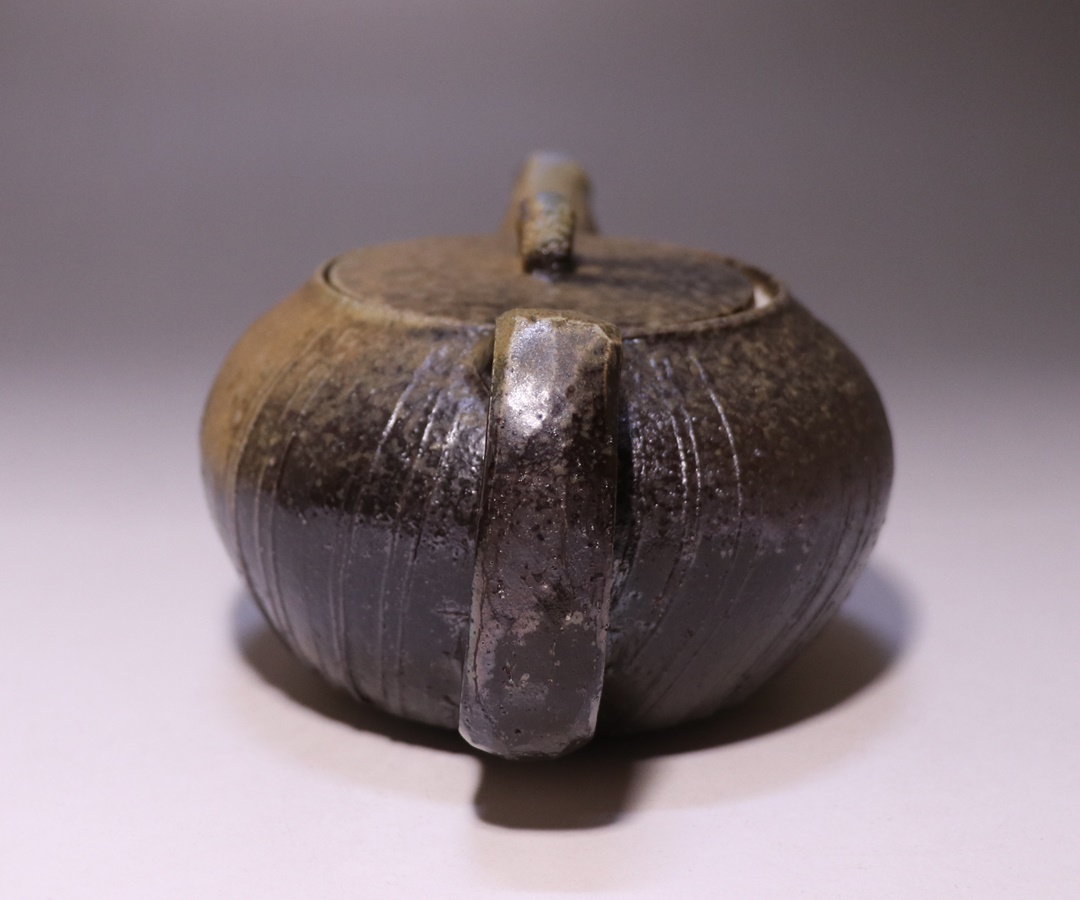
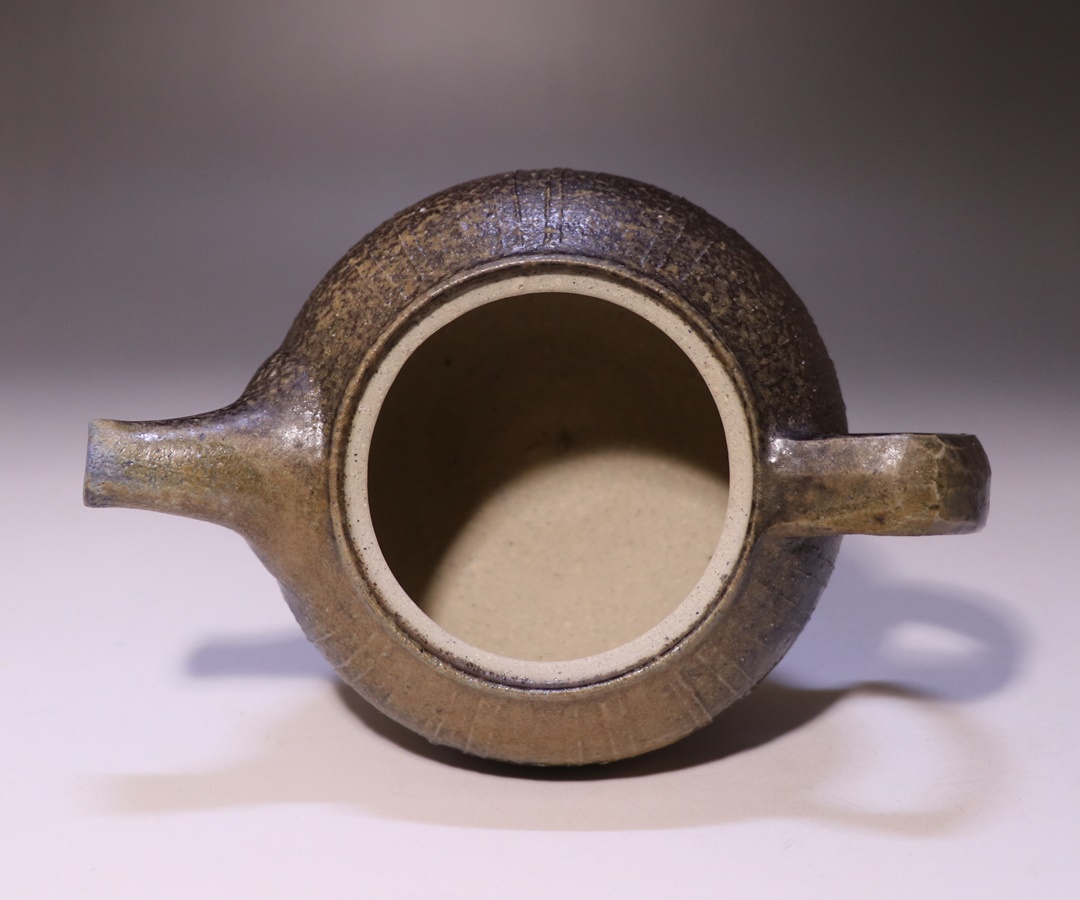
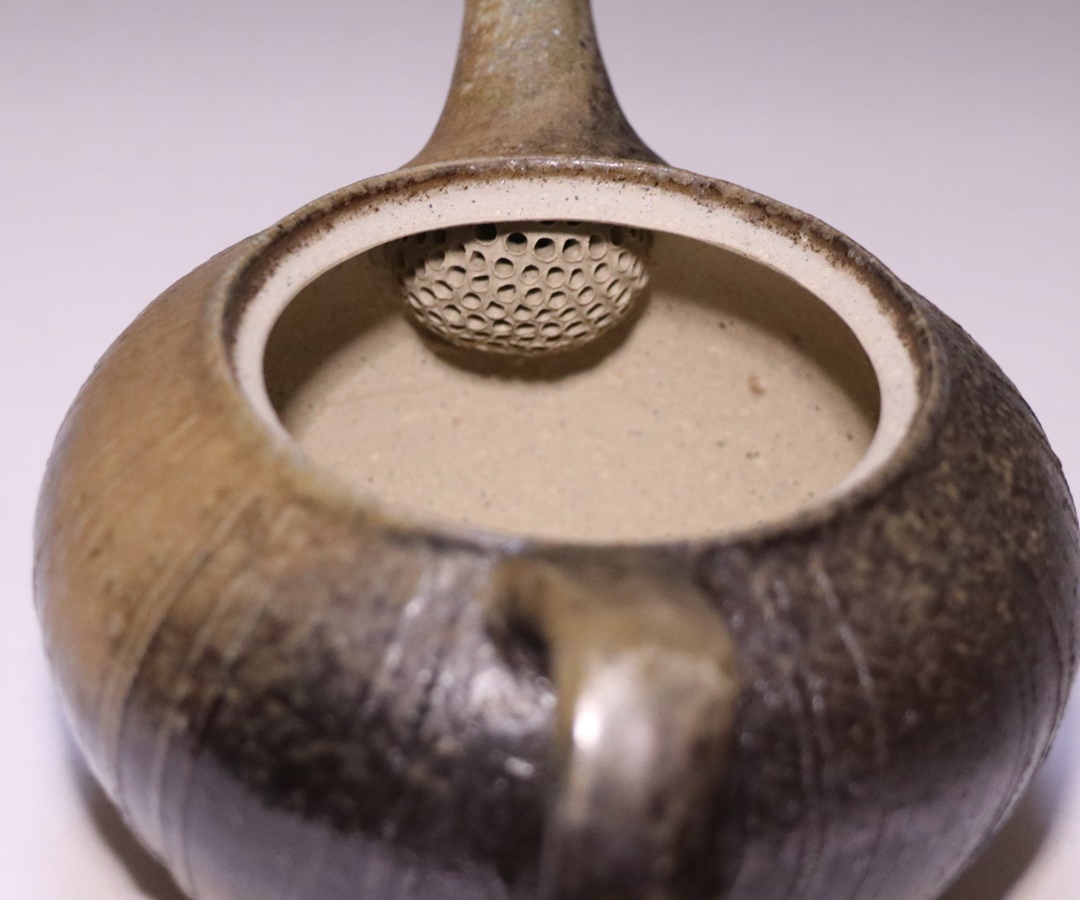
Masao Akiya - Bizen Teapot
16,500 YENSold out
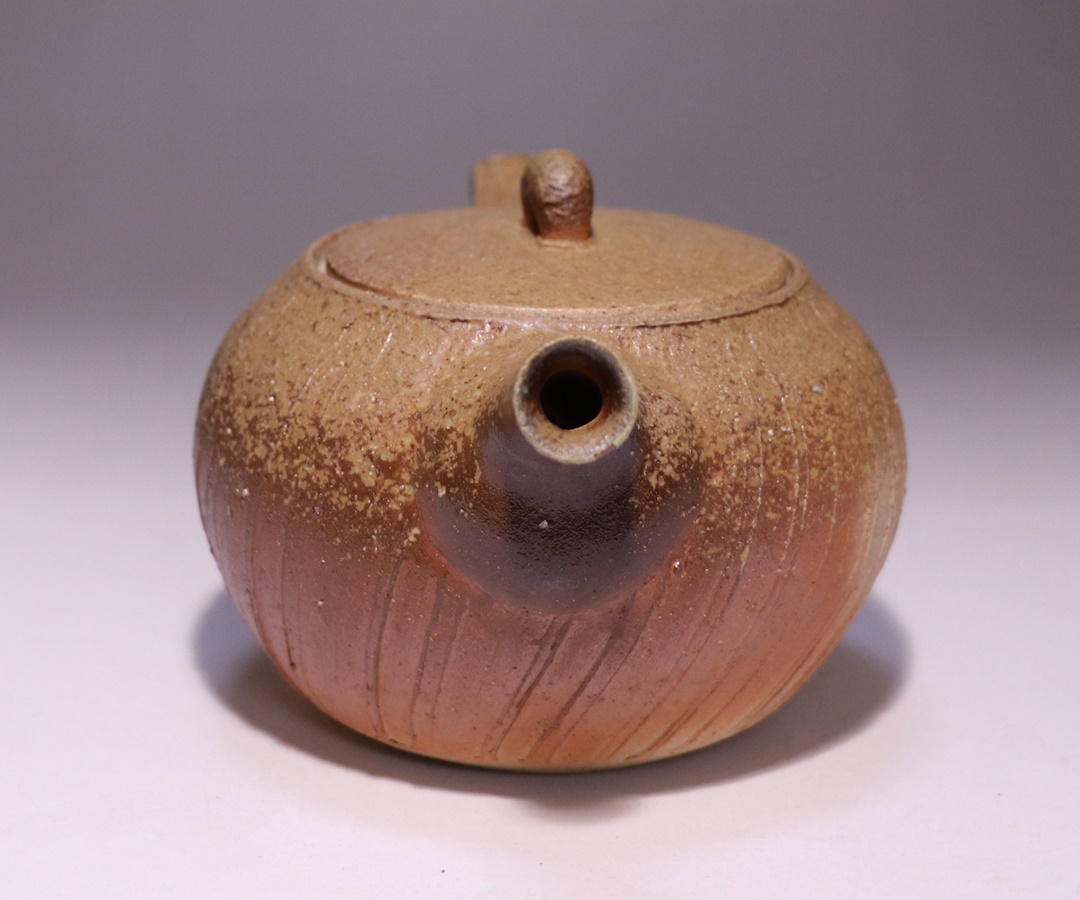
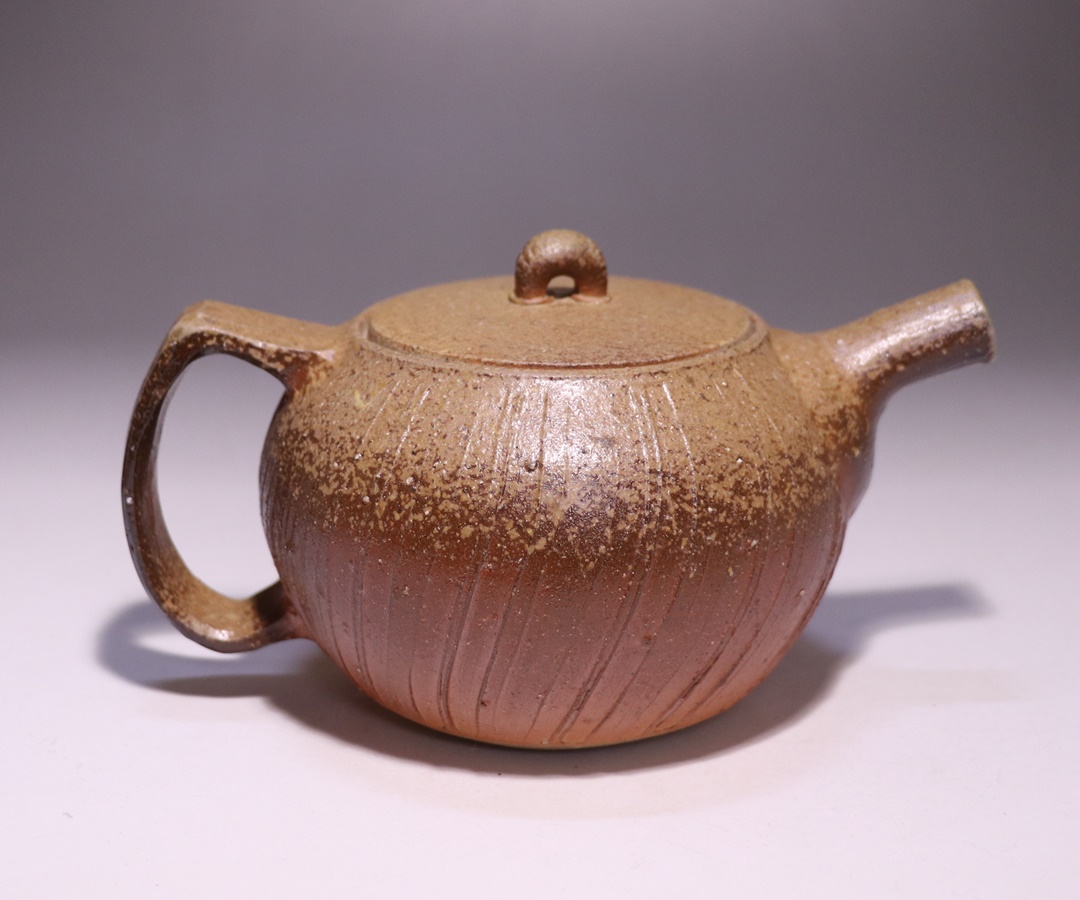
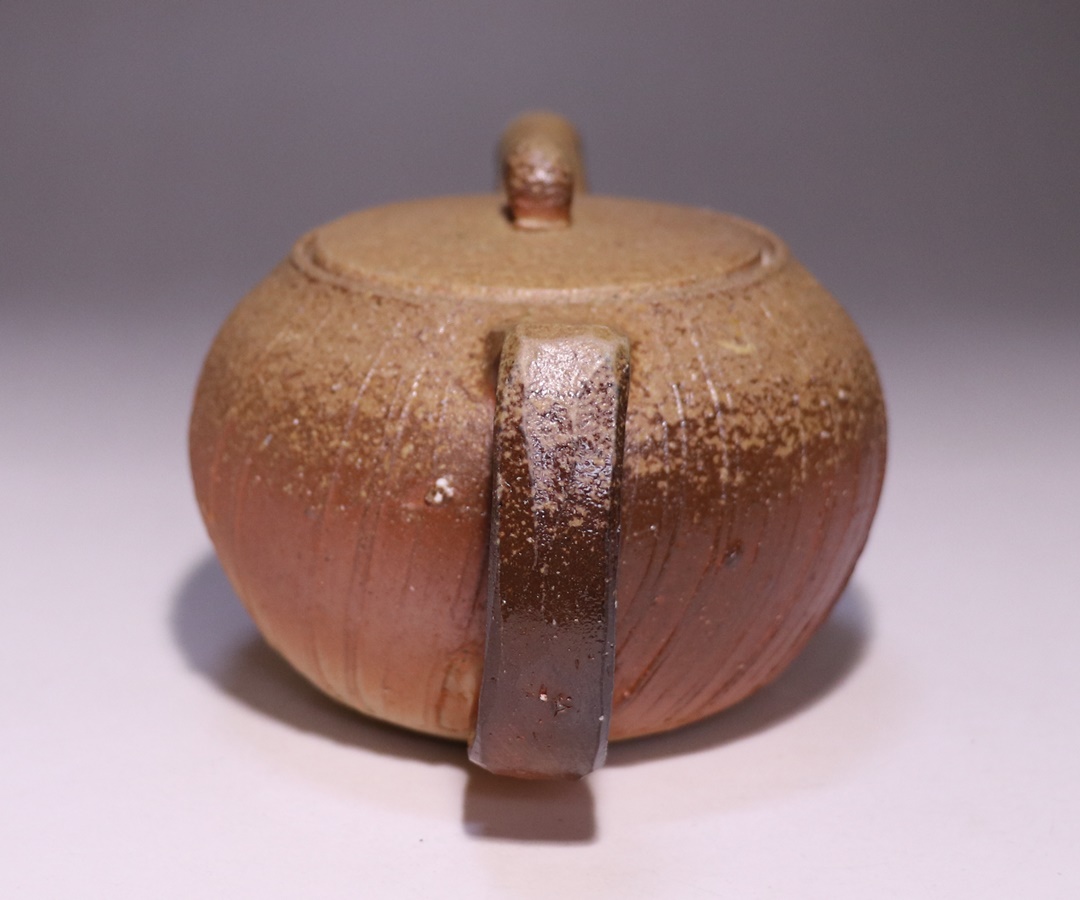
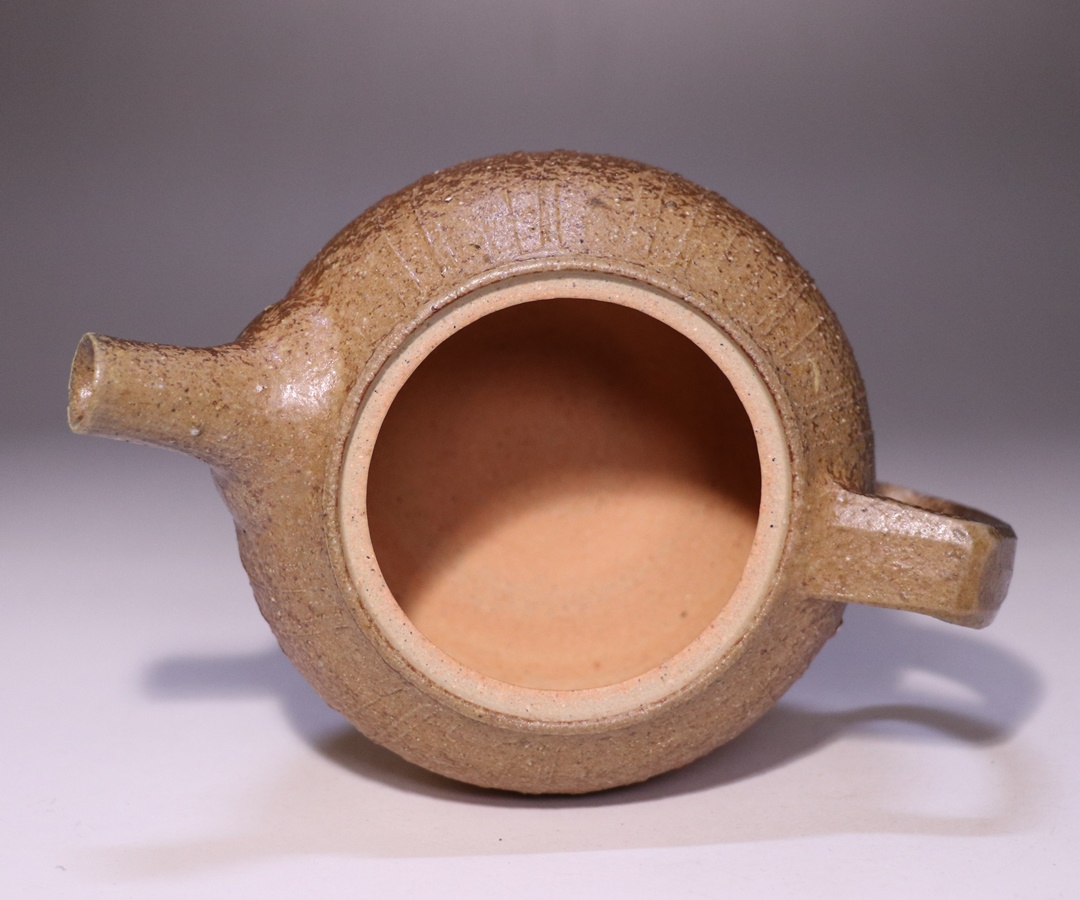
size : W15.8cm×10.8cm×H9.0cmMasao Akiya is a disciple of Jun Isezaki.
He also uses hole type klin called "Anagama".
This teacup is made of clay with a little sand content.
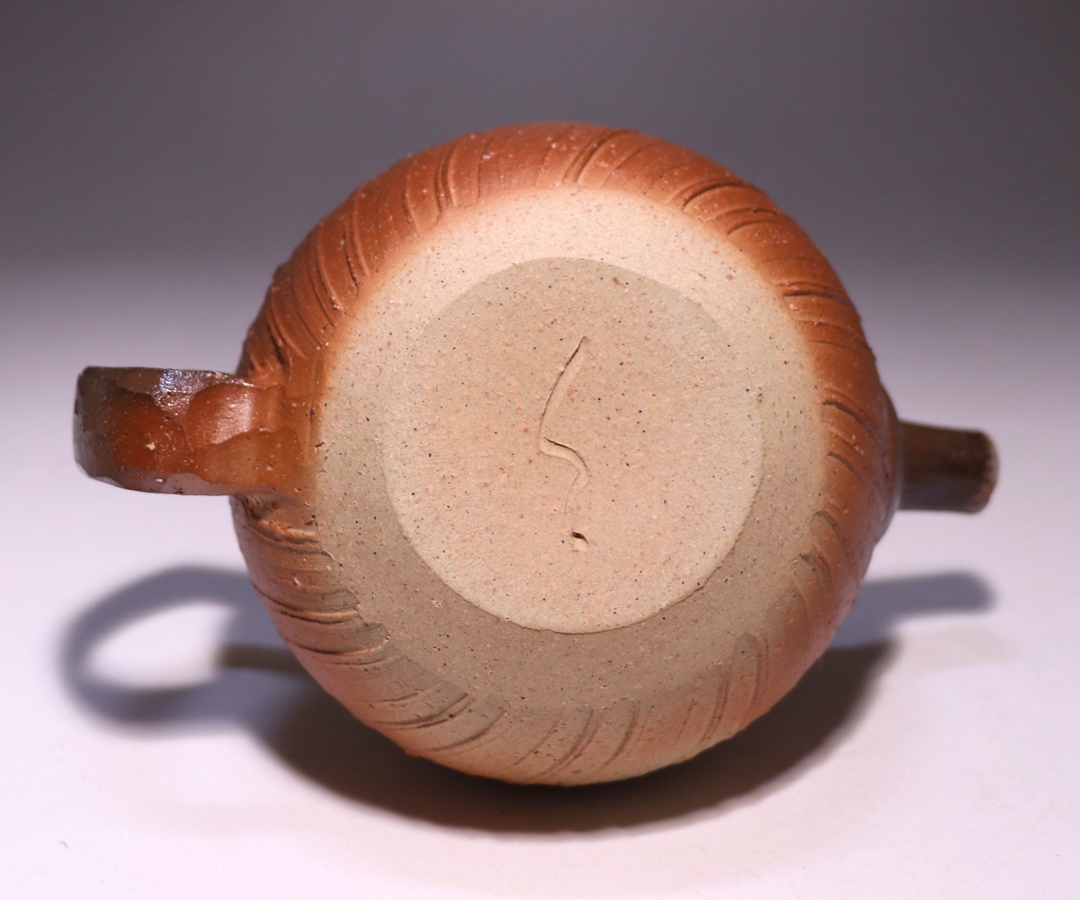
At the top of the piece, you can see Kigoma, while toward the base, the natural white clay body is visible.
The central area features a refreshing orange-toned clay surface.
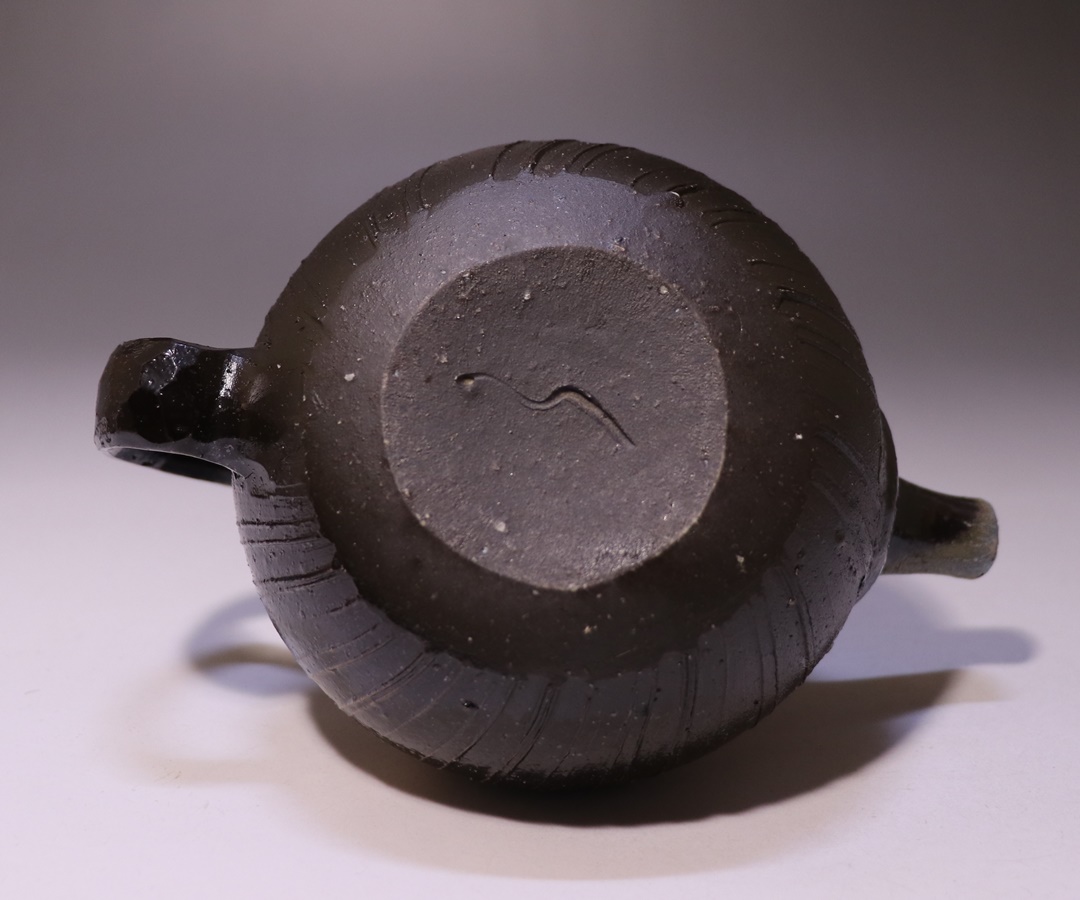
The thickly thrown body has been carved with comb patterns, creating a sense of movement reminiscent of the dynamic sculptural works often seen in the Isezaki school.
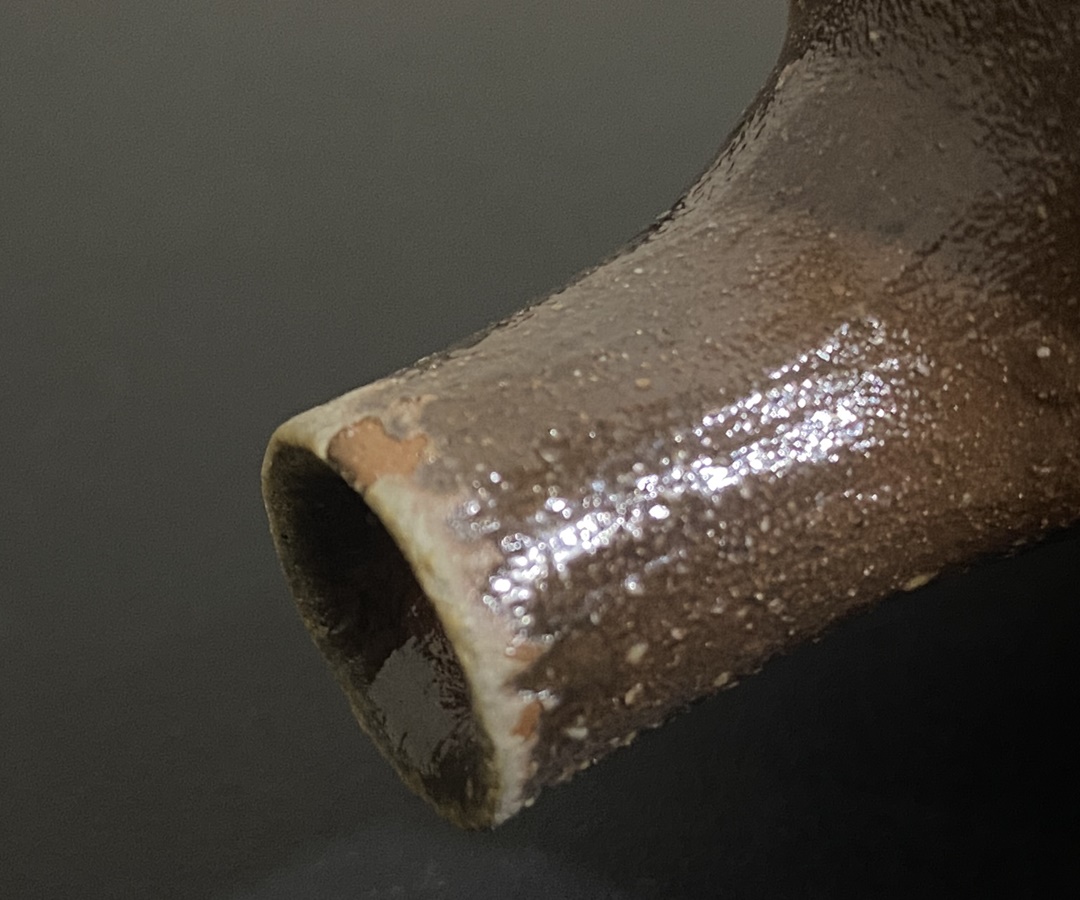
There is a small chip in the Kase-Goma area near the rim, but it does not affect its use.
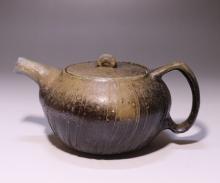


Masao Akiya - Kuro Teapot
22,000 YENSold out
size : W15.8cm×11.1cm×H8.1cmMasao Akiya is a disciple of Jun Isezaki.
He uses the same black clay as Jun Isezaki.
He makes works with normal Bizen clay, and paints black clay after drying.
"Kuro" is made of clay with a high iron content in the Osafune district of Okayama prefecture.
Add a small amount of cobalt after dissolving them in water to make it liquid.
The black clay applied to the work changes to beautiful black when fired.
1 / 6 page NEXT LAST