
Products
| Bizen Sake Bottle & sake Cup | Tea Ceremony Things | Bizen Flower Vase | Bizen Dish & Bowl | Others |
Bizen Dish & Bowl
161 Items
1 / 14 page NEXT LAST


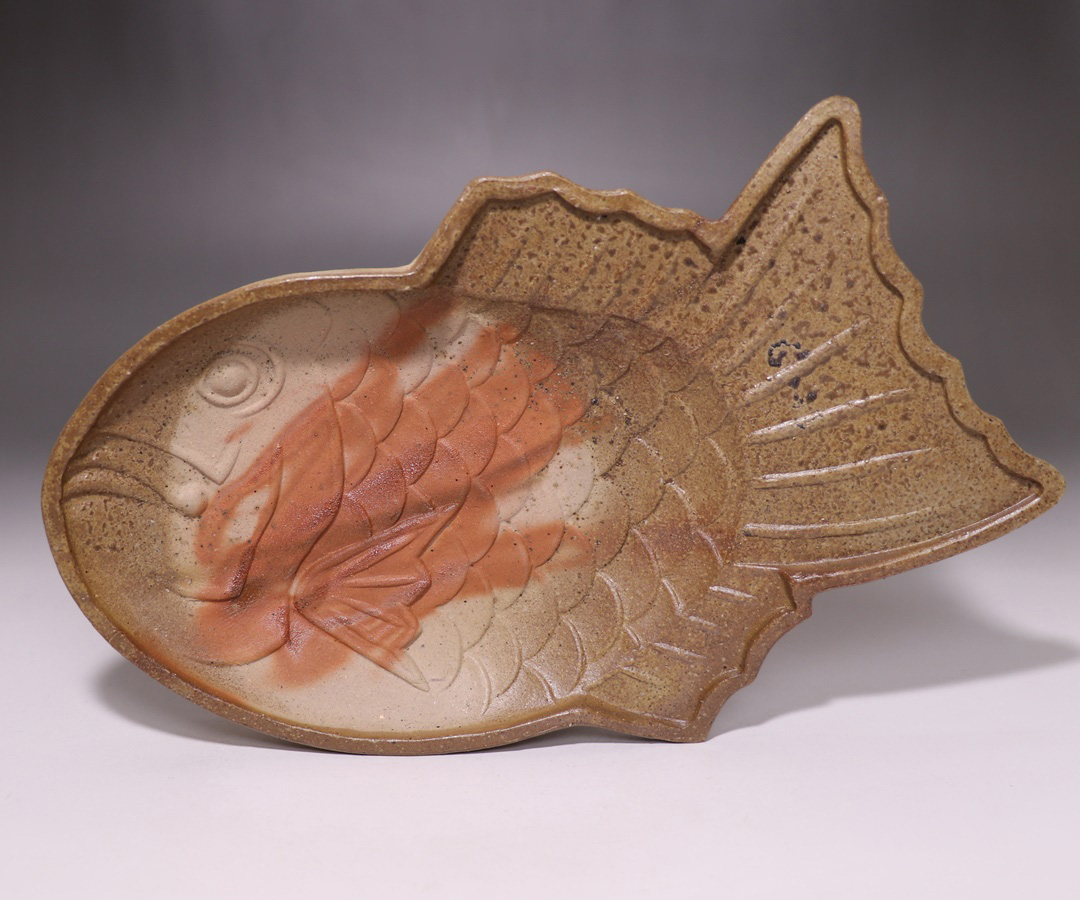
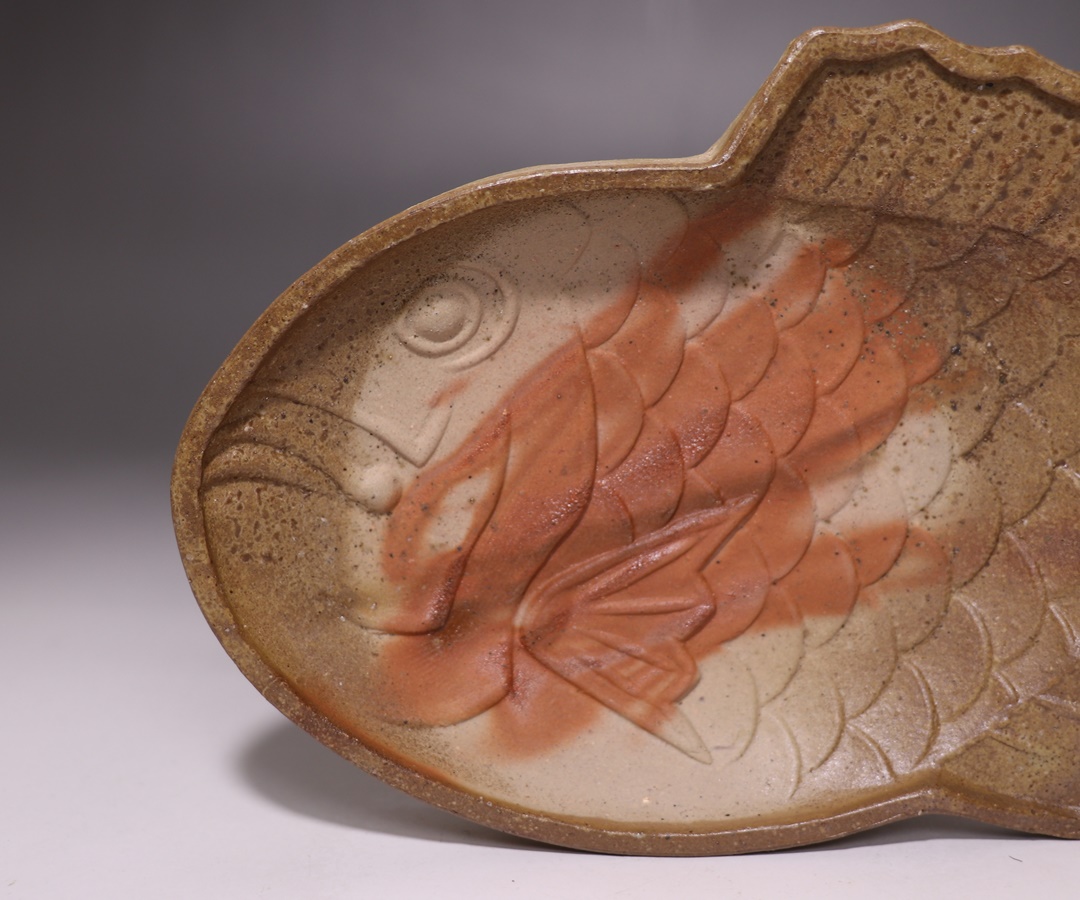
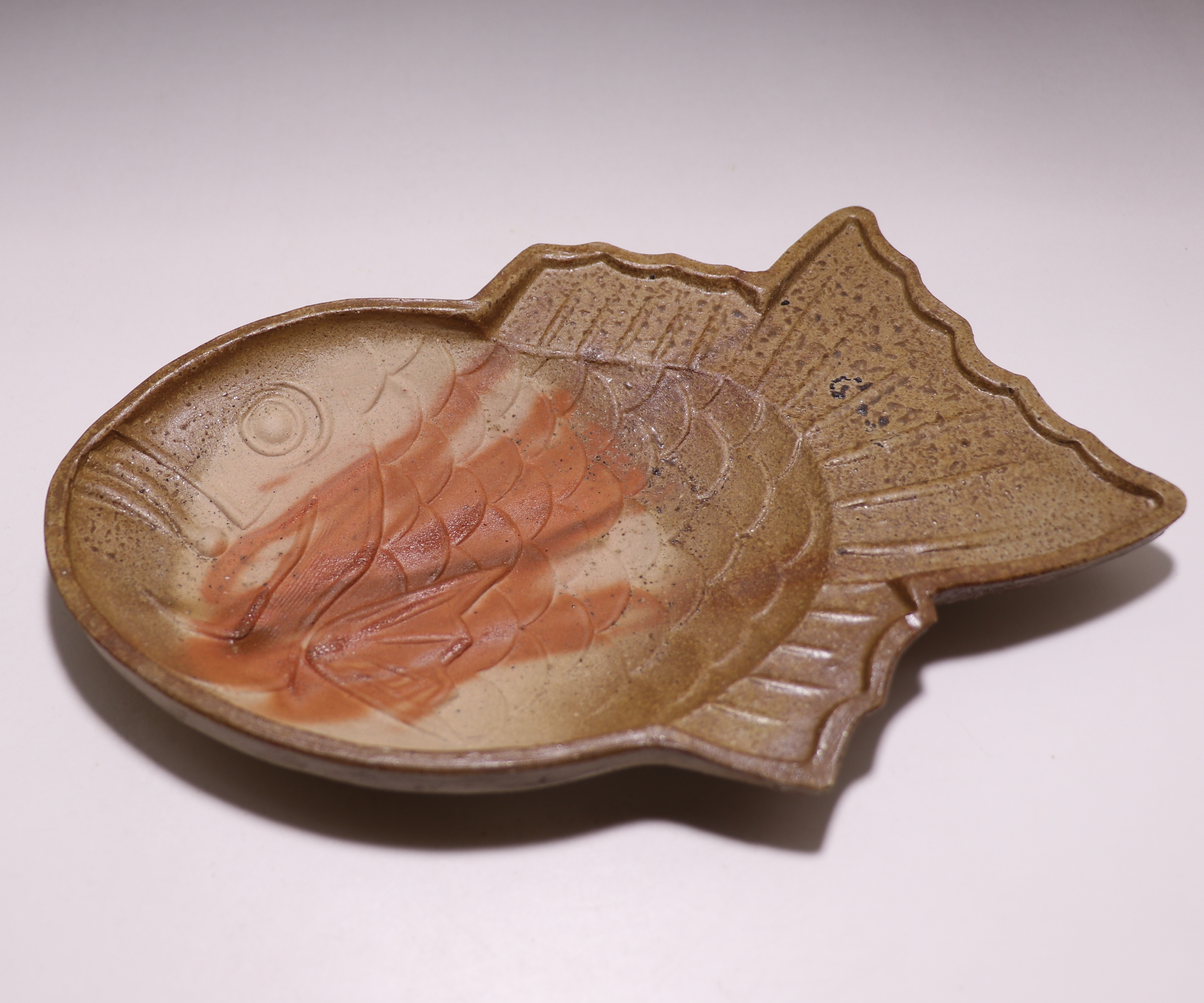
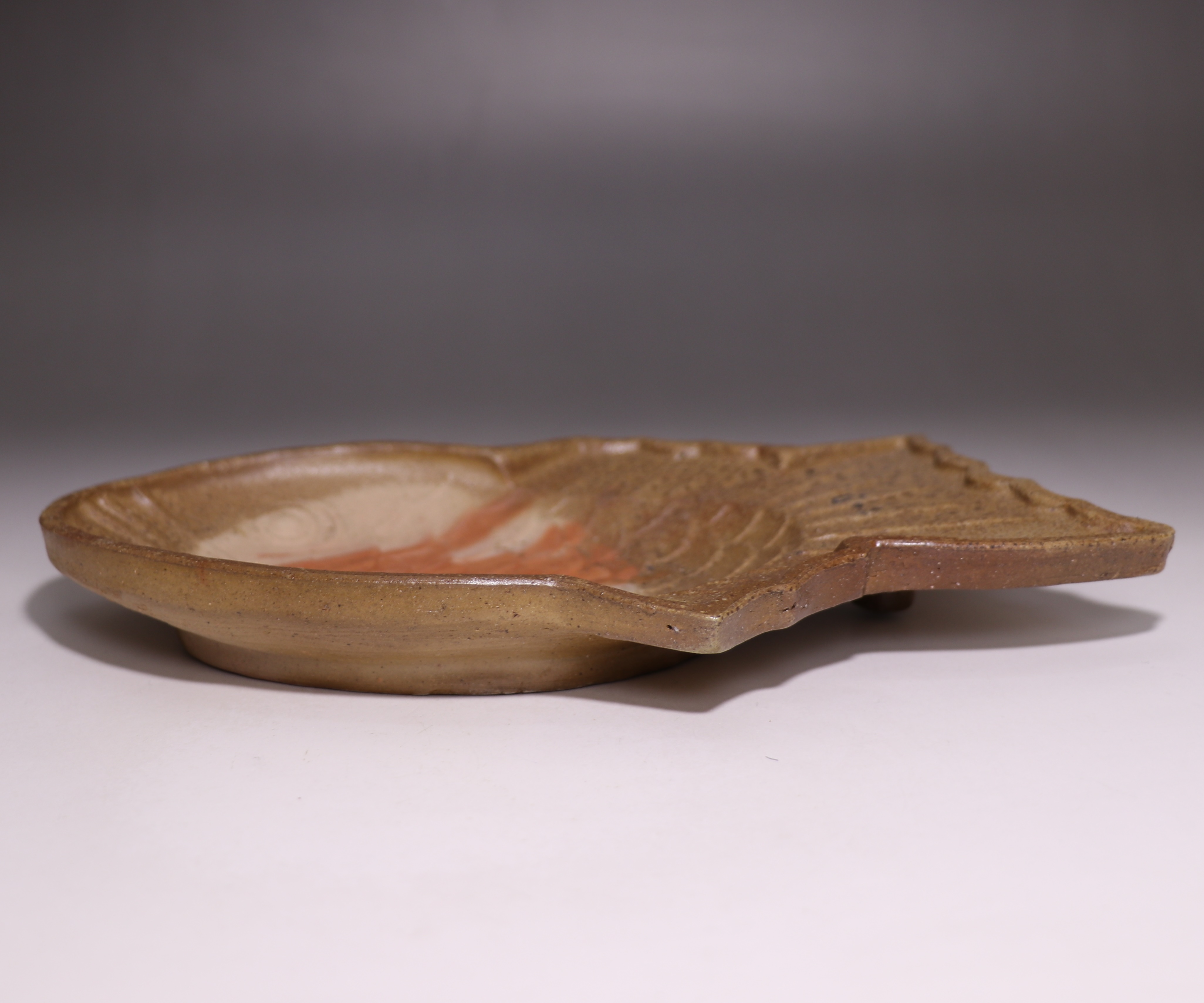
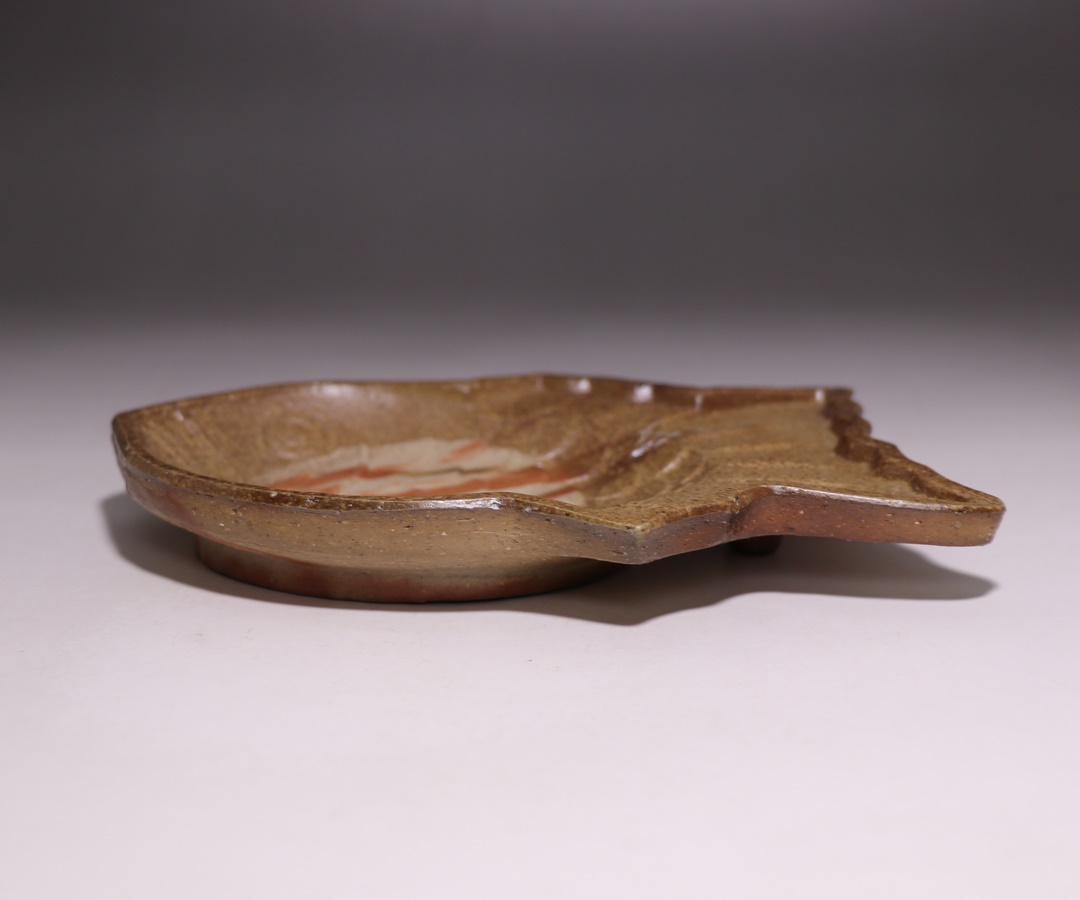
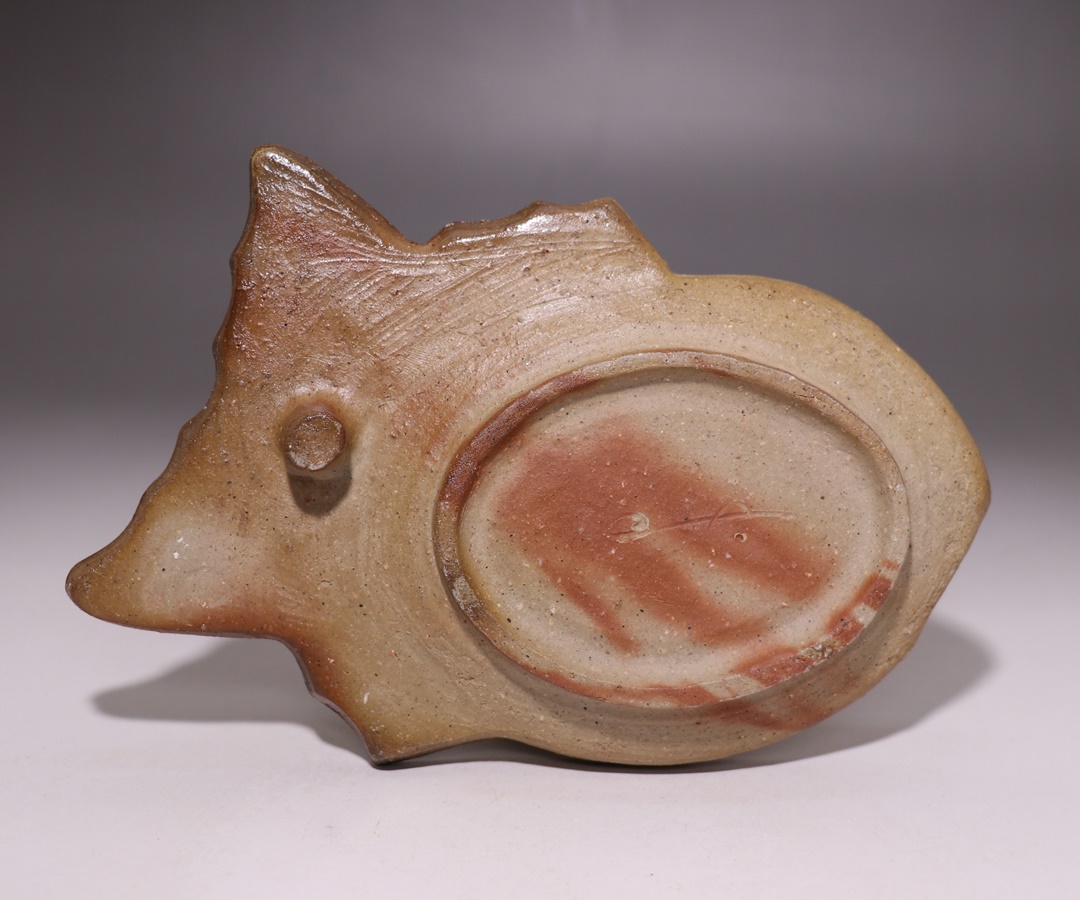
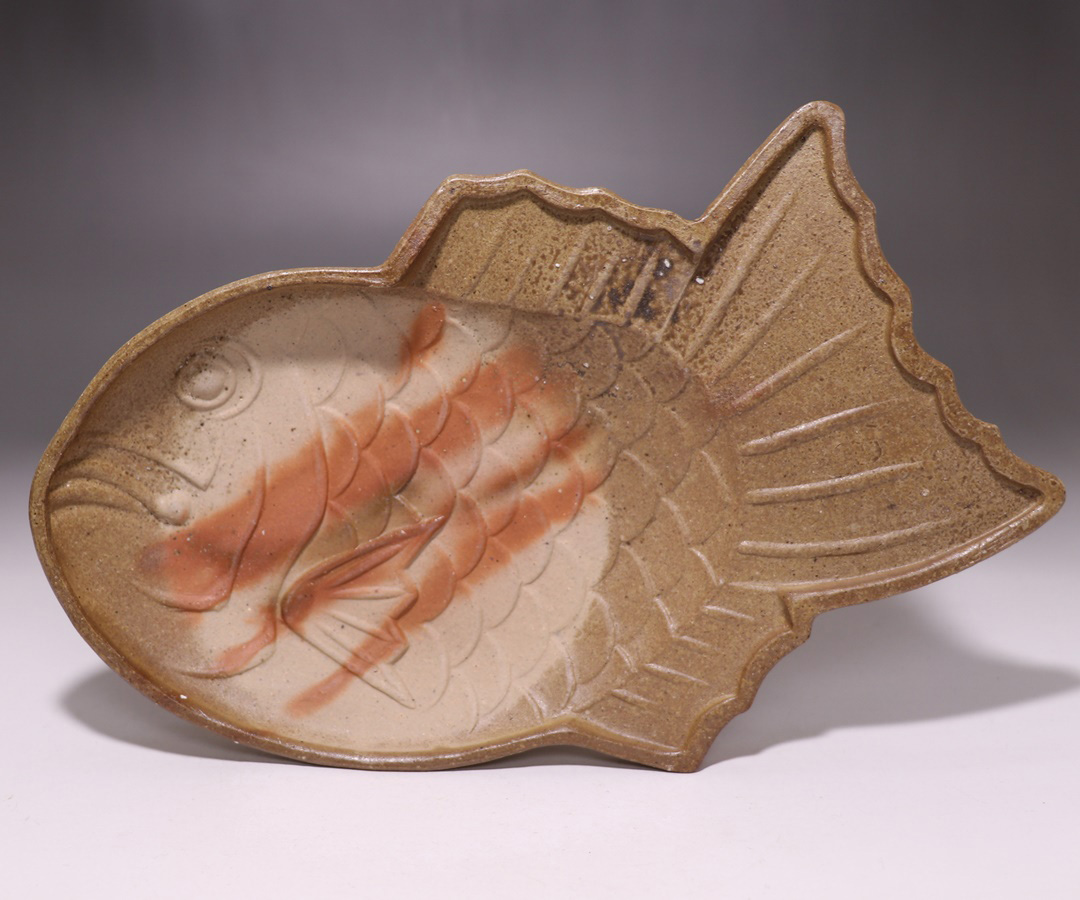
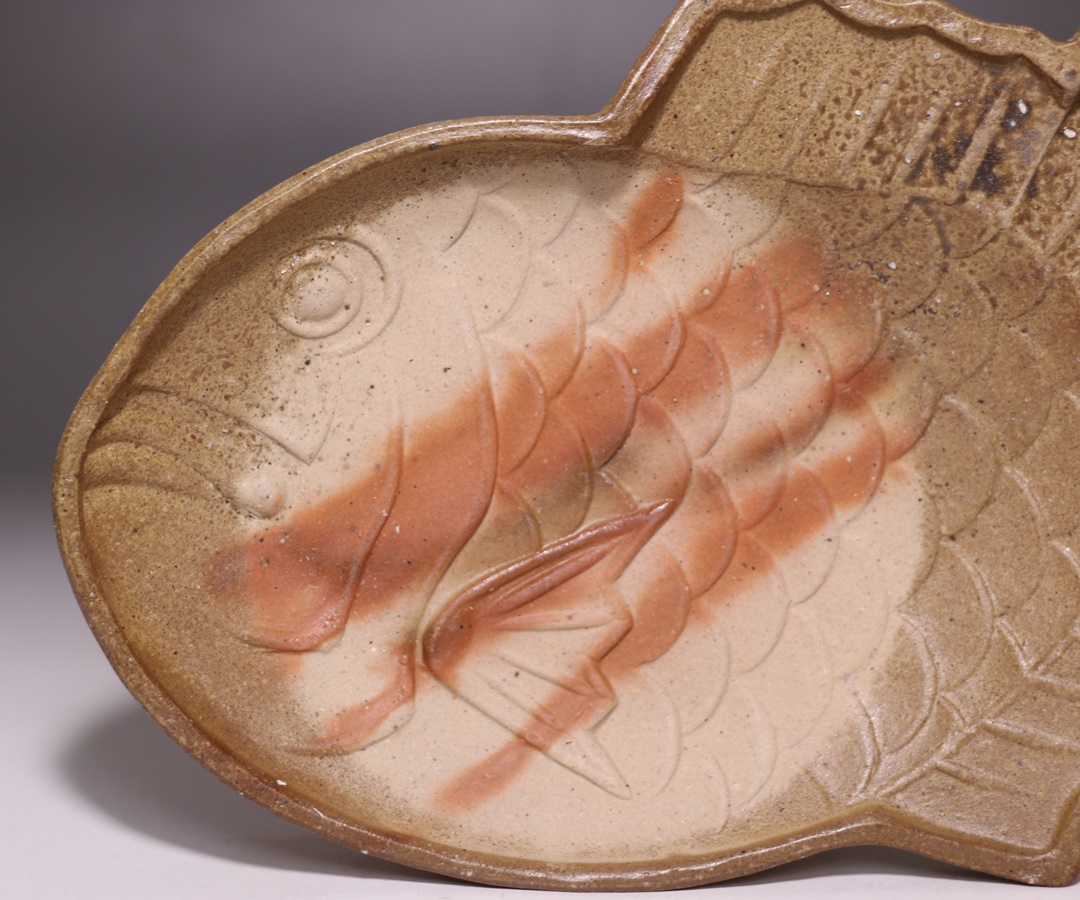
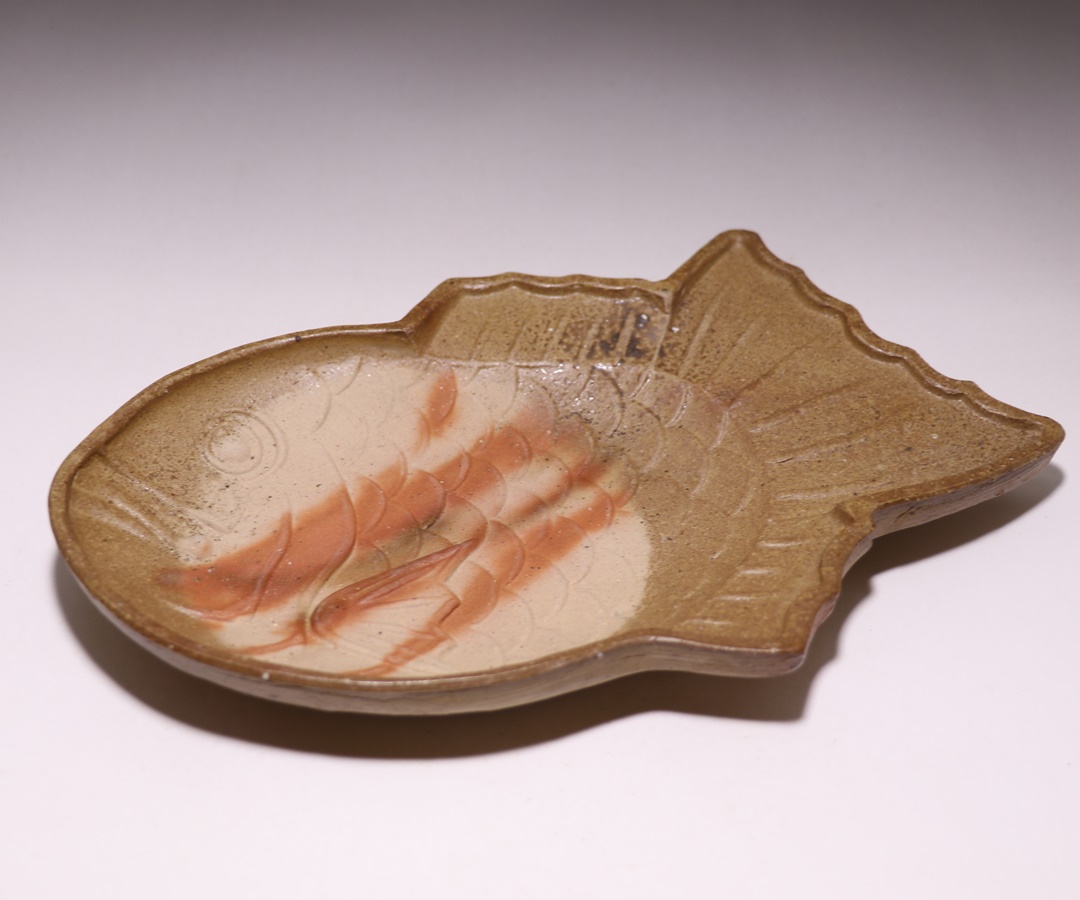
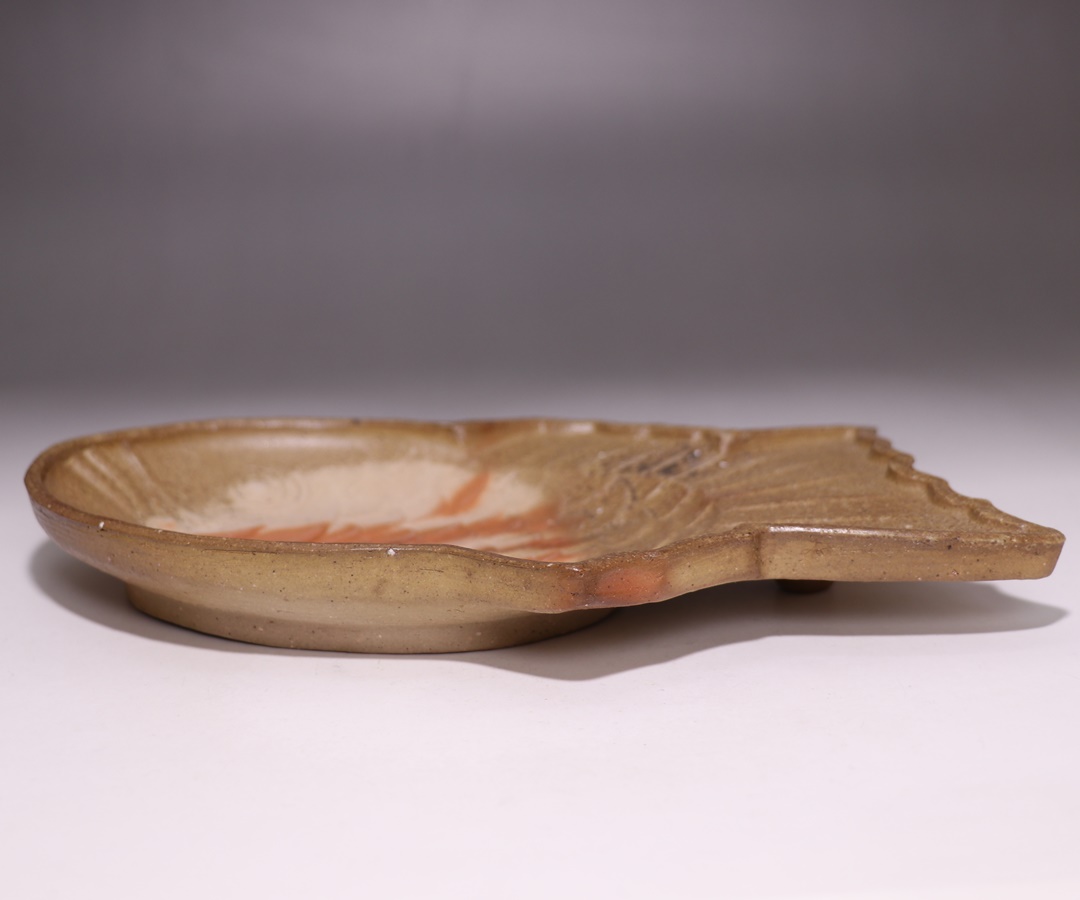
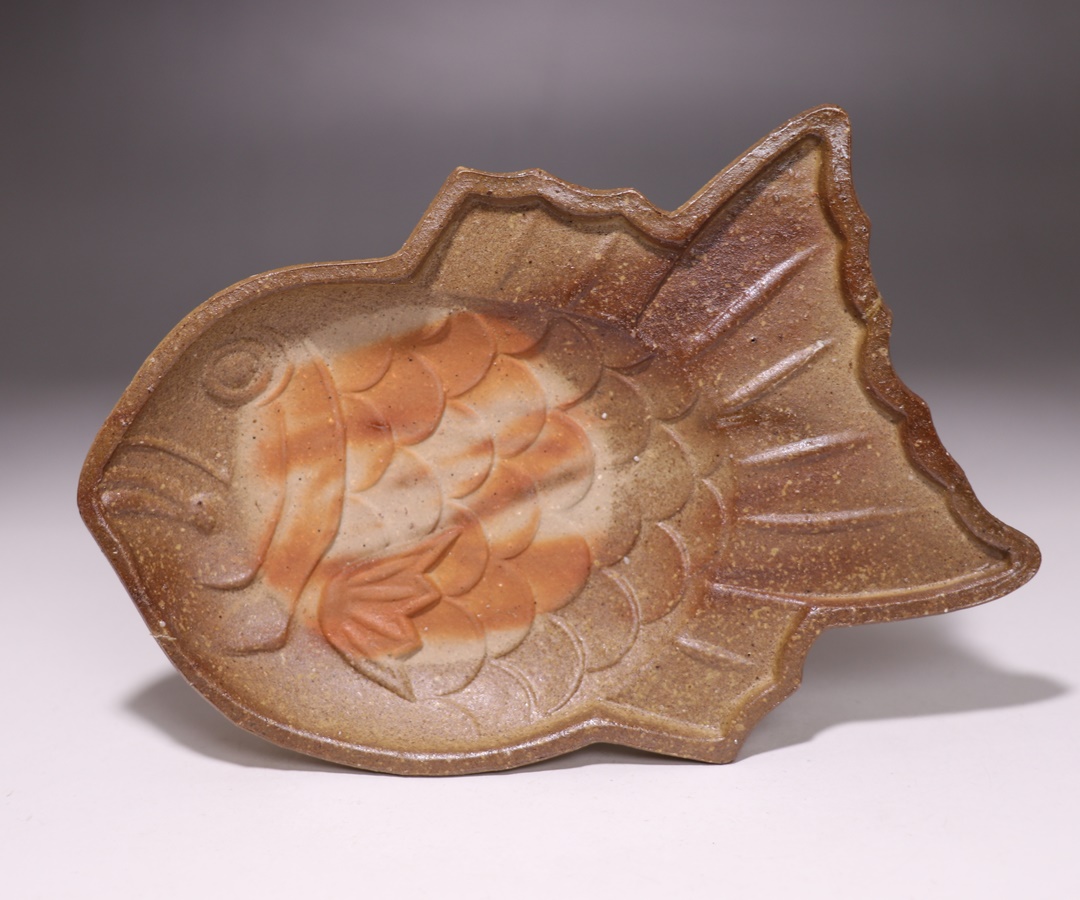
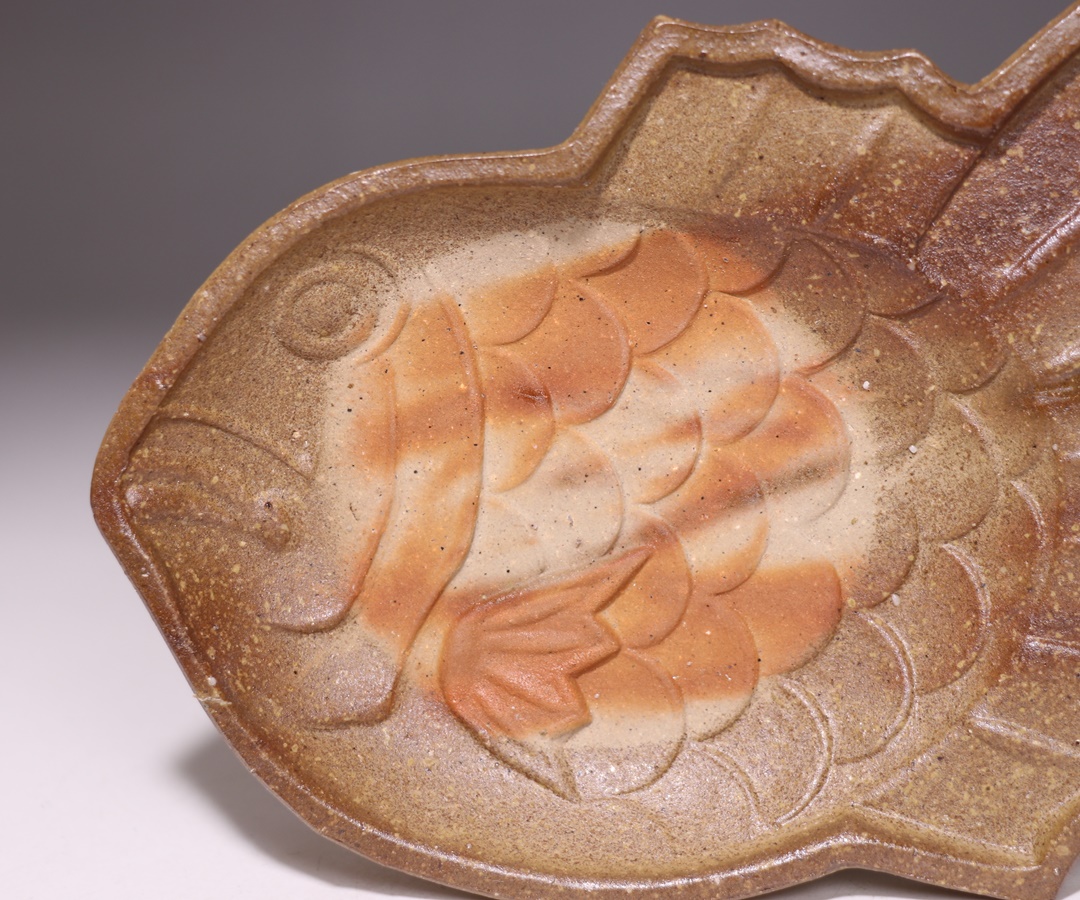
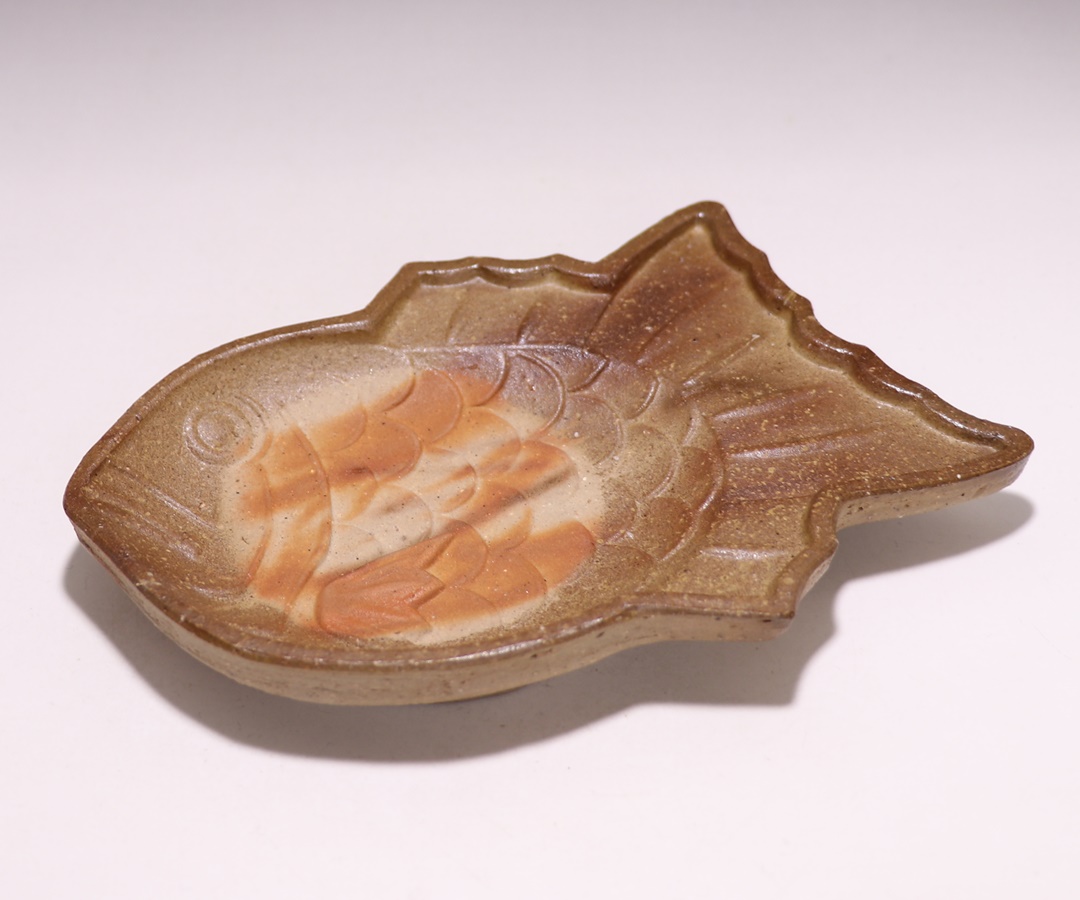
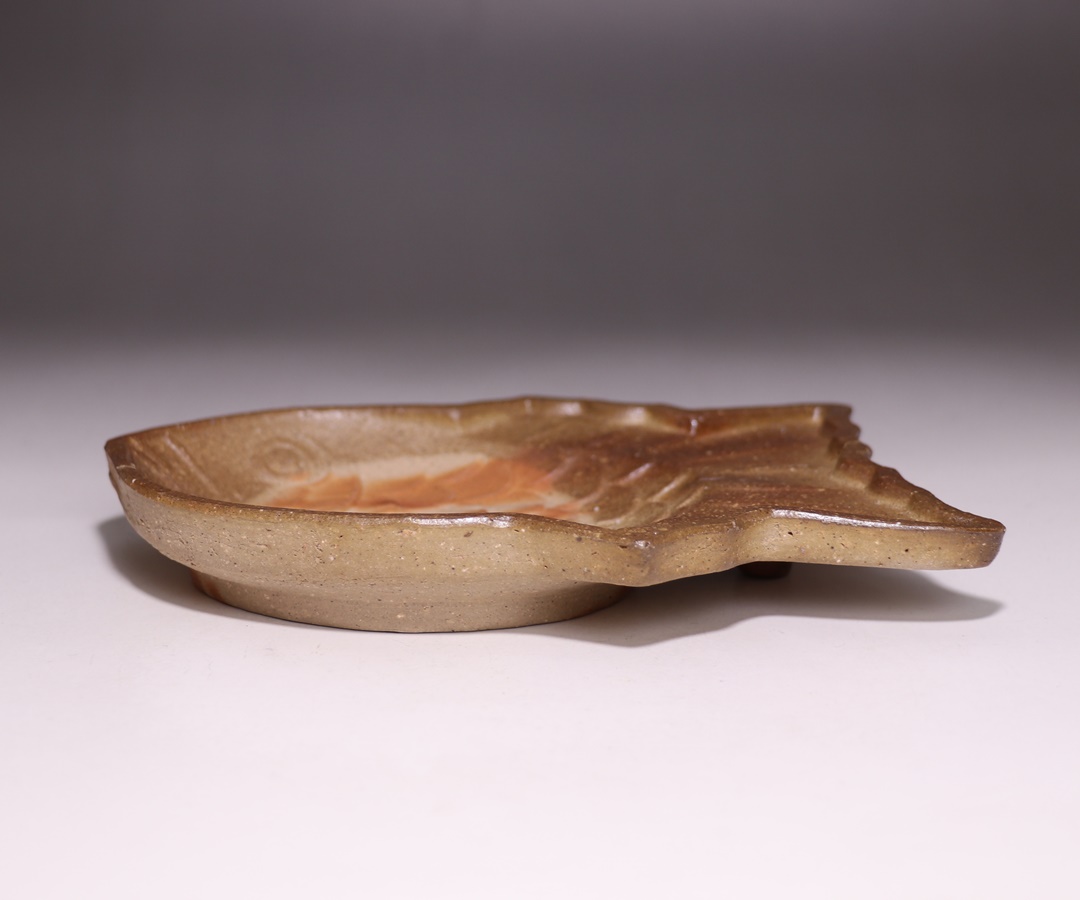
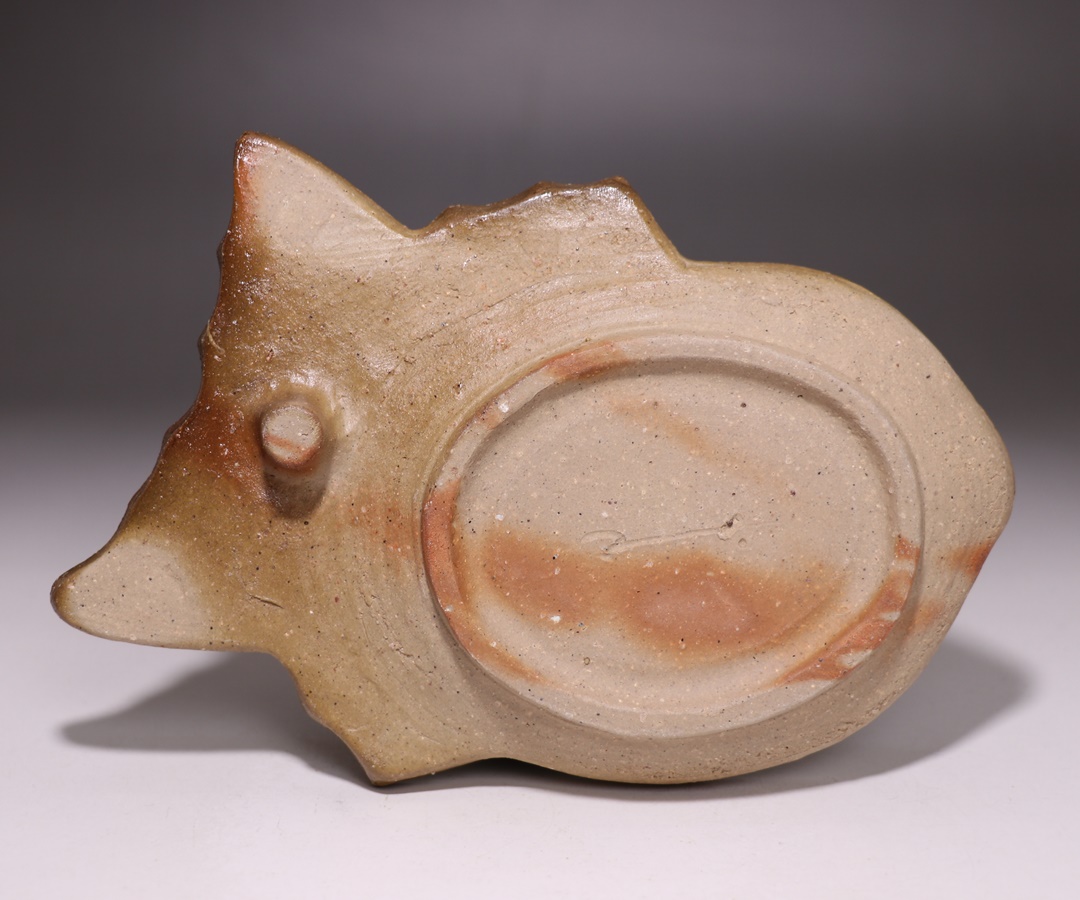
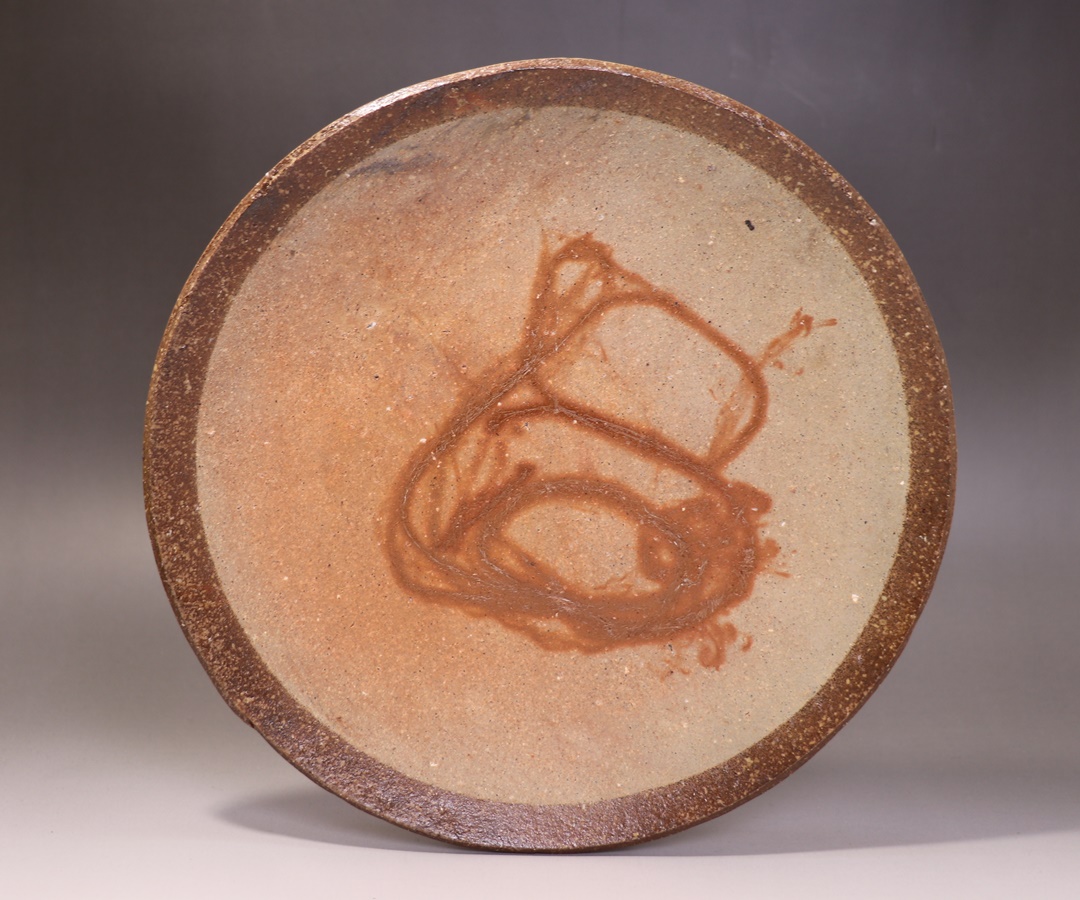
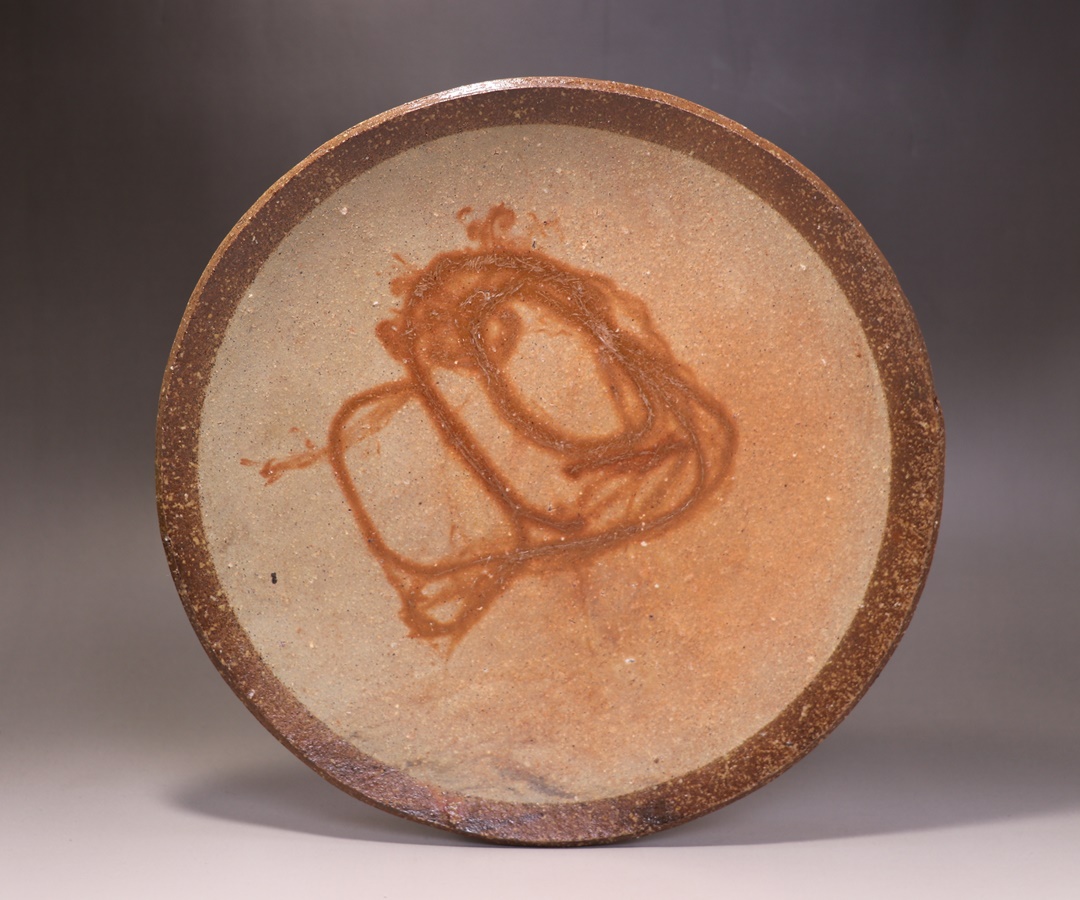
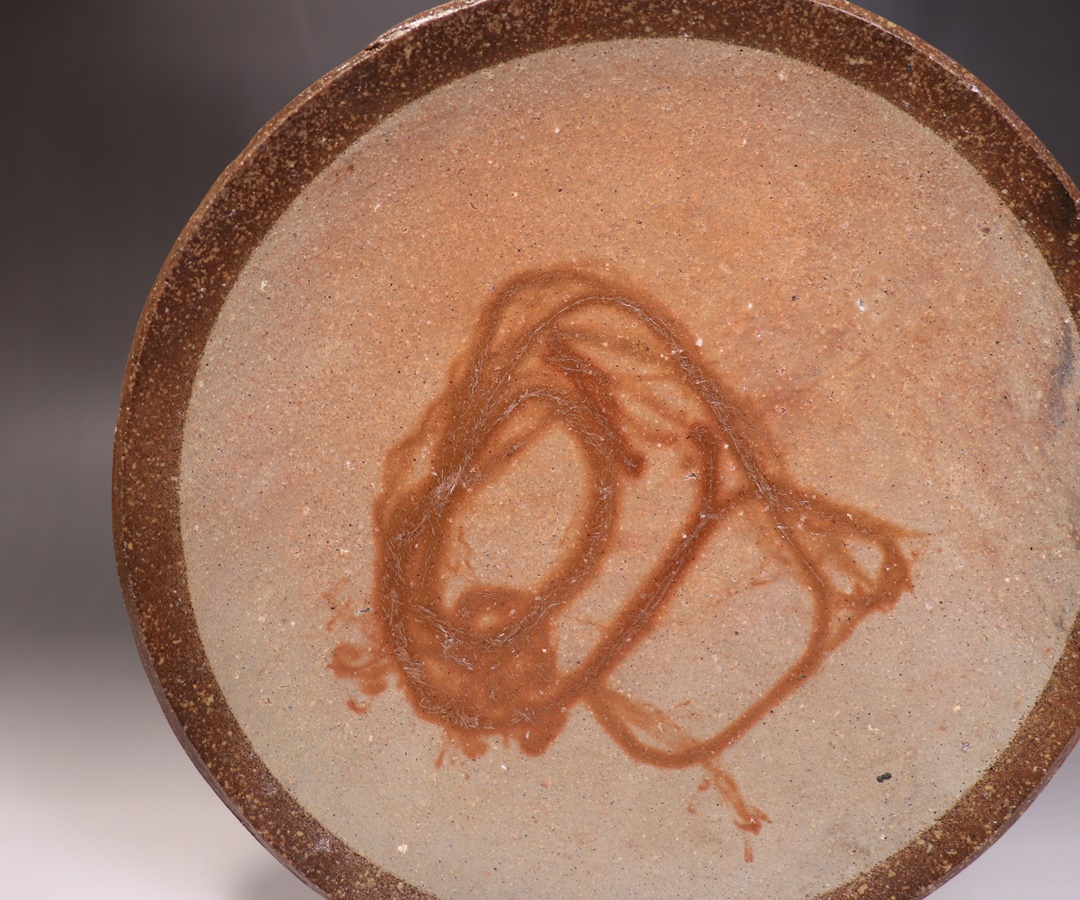
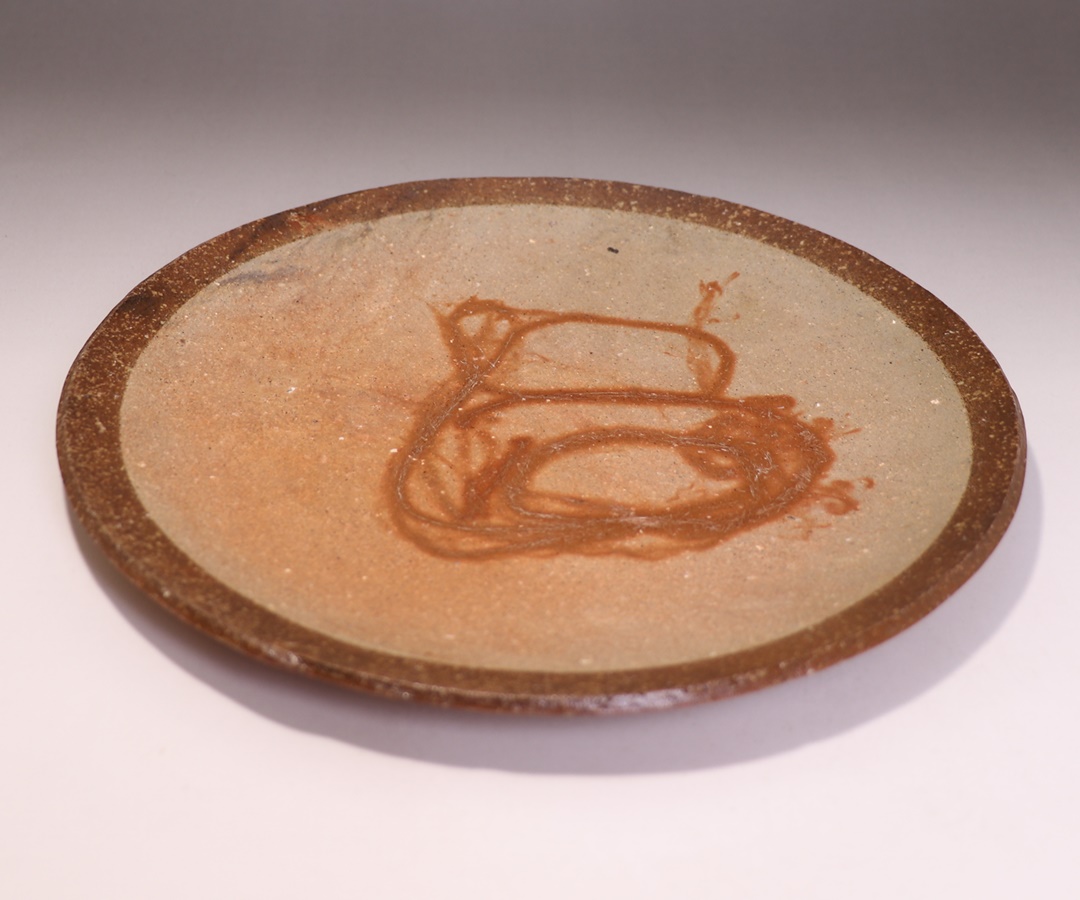
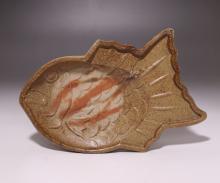
Koji Nakahara - Bizen Taiyaki Plate (Large)
7,700 YEN
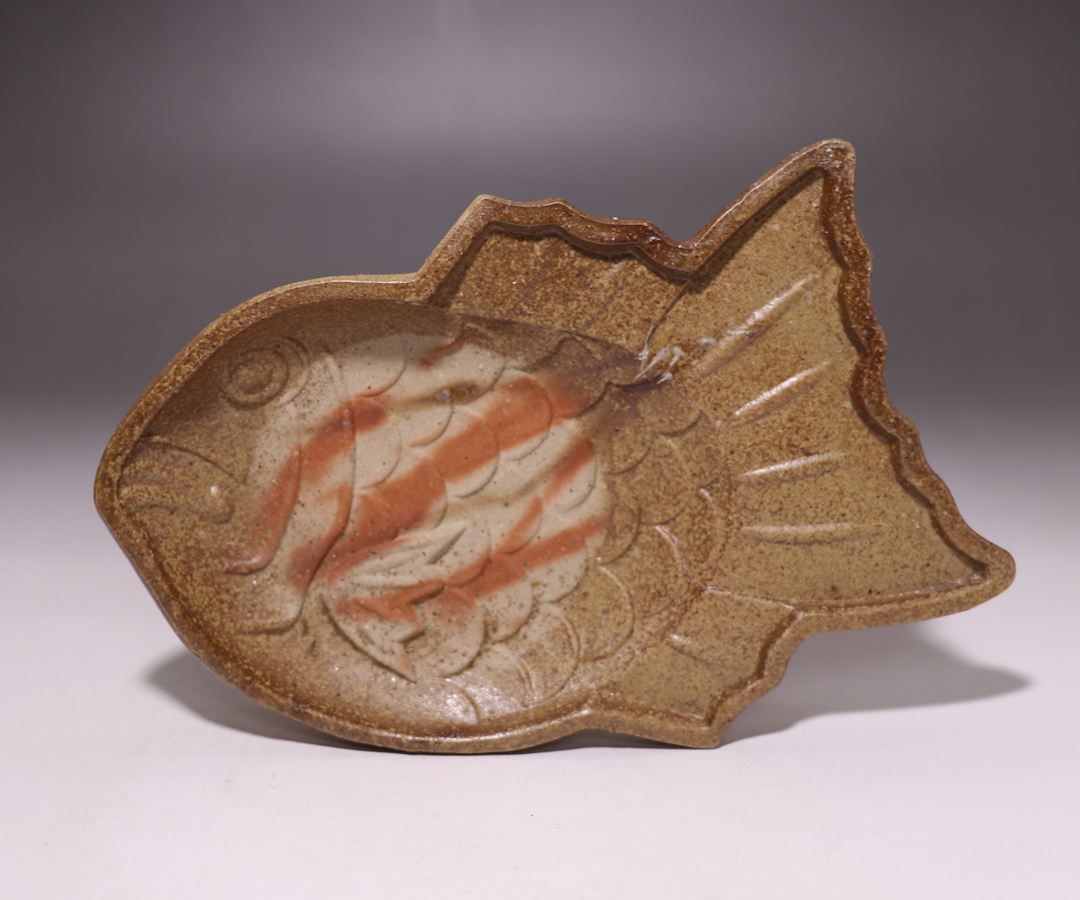
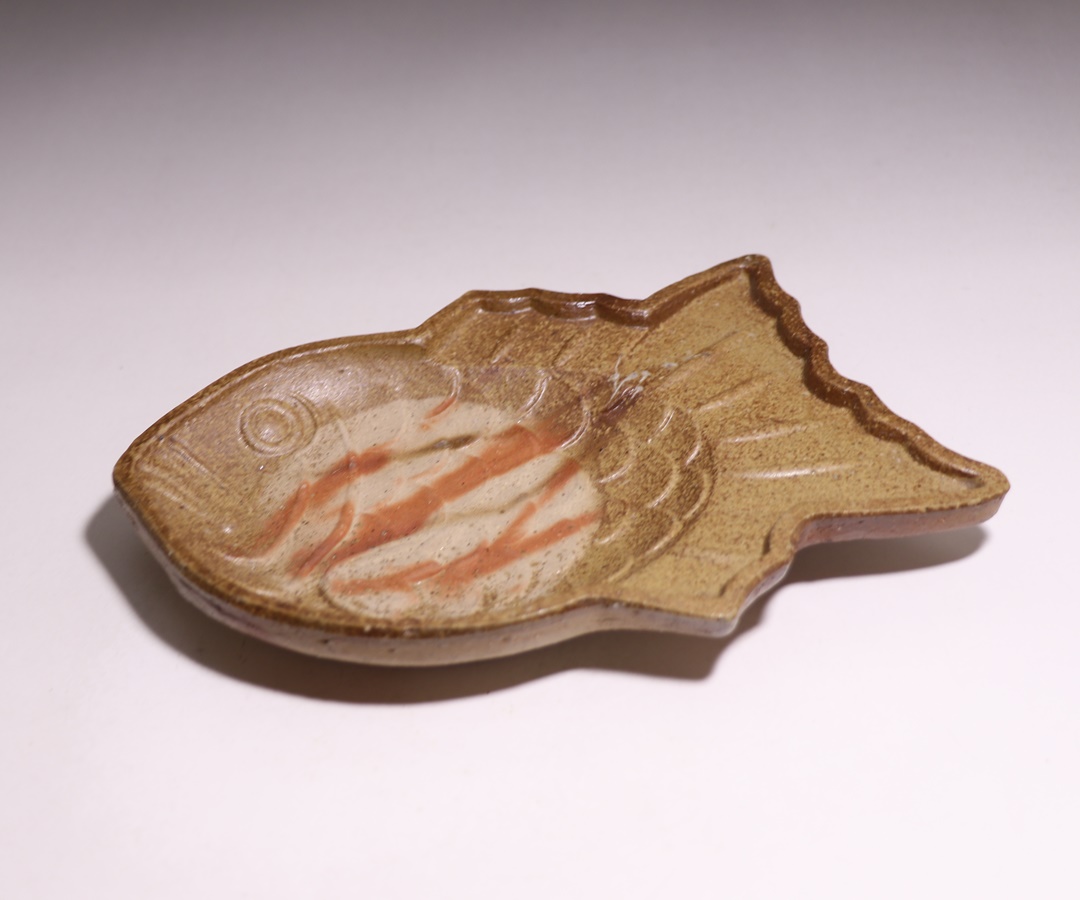
size : W22.2cm×14.0cm×H3.0cmKoji Nakahara studied under Fumio Kawabata and strives to create works that complement contemporary lifestyles. This is a newly fired Bizen Taiyaki Plate (Large) by the artist.
This piece was fired in the kiln of his teacher, Fumio Kawabata.
Nakahara often says that the speed of his hands cannot keep up with the ideas constantly emerging in his mind, and this plate is a perfect example of his playful imagination. It was designed specifically to hold exactly two Taiyaki.
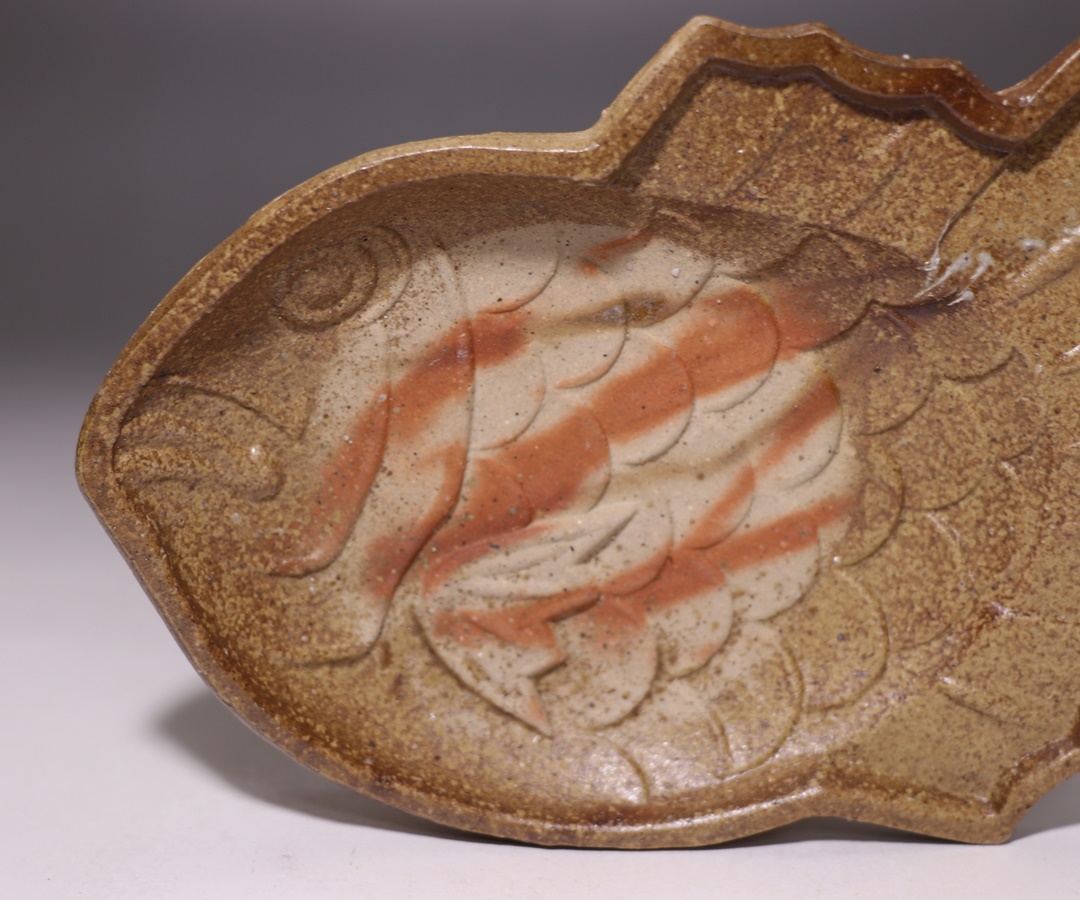
The finely carved Taiyaki motif is so detailed that it almost resembles an actual Taiyaki mold. One could almost imagine pouring batter directly into it and baking real Taiyaki.
The clean and simple Hidasuki decoration is understated and fresh, harmonizing beautifully with the fine Tobi-Goma scattered around the surrounding surface.
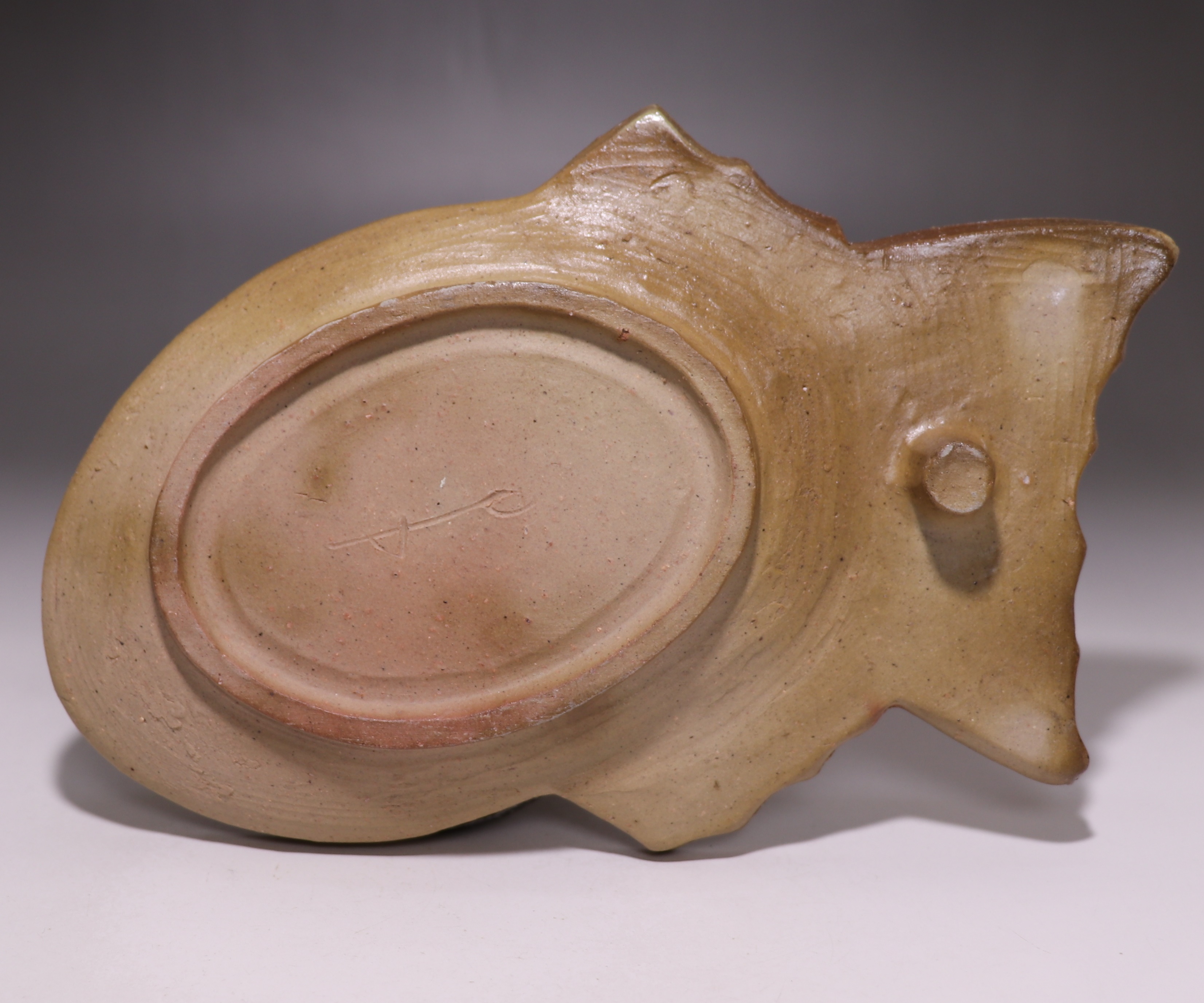
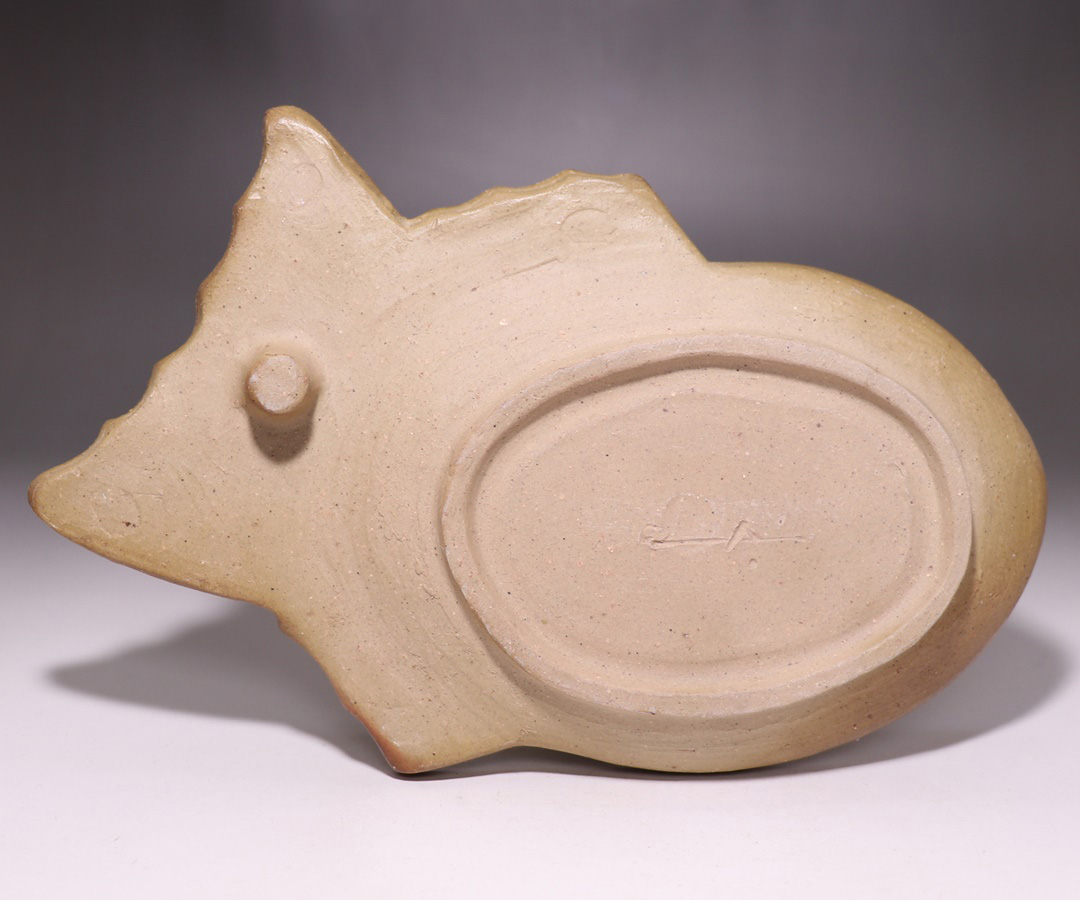
On the reverse, a single supporting foot has been added beneath the tail fin to improve stability. This practical detail reflects the high level of craftsmanship Nakahara has developed through many years of creating functional tableware.
We also have additional pieces of the same form from the same firing available. If you are interested in purchasing them as a set, please feel free to contact us.


Koji Nakahara - Bizen Taiyaki Plate
4,950 YENSold out
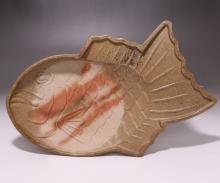
size : W17.0cm×11.2cm×H2.5cmKoji Nakahara studied under Fumio Kawabata and strives to create works that complement contemporary lifestyles. This is a newly fired Bizen Taiyaki Plate by the artist.
This piece was fired in the kiln of his teacher, Fumio Kawabata.
Nakahara often says that the speed of his hands cannot keep up with the ideas constantly emerging in his mind, and this small plate is a perfect example of his playful imagination. It was designed specifically to hold exactly one Taiyaki.
The finely carved Taiyaki motif is so detailed that it almost resembles an actual Taiyaki mold. One could almost imagine pouring batter directly into it and baking a real Taiyaki.
The clean and simple Hidasuki decoration is understated and fresh, harmonizing beautifully with the fine Tobi-Goma scattered around the surrounding surface.
On the reverse, a single supporting foot has been added beneath the tail fin to improve stability. This practical detail reflects the high level of craftsmanship Nakahara has developed through many years of creating functional tableware.
We also have additional pieces of the same form from the same firing available. If you are interested in purchasing them as a set, please feel free to contact us.


Koji Nakahara - Bizen Taiyaki Plate (Large)
7,700 YEN
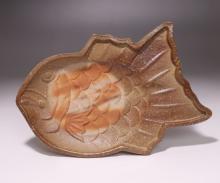
size : W22.5cm×14.0cm×H2.9cmKoji Nakahara studied under Fumio Kawabata and strives to create works that complement contemporary lifestyles. This is a newly fired Bizen Taiyaki Plate (Large) by the artist.
This piece was fired in the kiln of his teacher, Fumio Kawabata.
Nakahara often says that the speed of his hands cannot keep up with the ideas constantly emerging in his mind, and this plate is a perfect example of his playful imagination. It was designed specifically to hold exactly two Taiyaki.
The finely carved Taiyaki motif is so detailed that it almost resembles an actual Taiyaki mold. One could almost imagine pouring batter directly into it and baking real Taiyaki.
The clean and simple Hidasuki decoration is understated and fresh, harmonizing beautifully with the fine Tobi-Goma scattered around the surrounding surface.
On the reverse, a single supporting foot has been added beneath the tail fin to improve stability. This practical detail reflects the high level of craftsmanship Nakahara has developed through many years of creating functional tableware.
We also have additional pieces of the same form from the same firing available. If you are interested in purchasing them as a set, please feel free to contact us.


Koji Nakahara - Bizen Taiyaki Plate
4,950 YENSold out
size : W17.2cm×11.3cm×H2.5cmKoji Nakahara studied under Fumio Kawabata and strives to create works that complement contemporary lifestyles. This is a newly fired Bizen Taiyaki Plate by the artist.
This piece was fired in the kiln of his teacher, Fumio Kawabata.
Nakahara often says that the speed of his hands cannot keep up with the ideas constantly emerging in his mind, and this small plate is a perfect example of his playful imagination. It was designed specifically to hold exactly one Taiyaki.
The finely carved Taiyaki motif is so detailed that it almost resembles an actual Taiyaki mold. One could almost imagine pouring batter directly into it and baking a real Taiyaki.
The clean and simple Hidasuki decoration is understated and fresh, harmonizing beautifully with the fine Tobi-Goma scattered around the surrounding surface.
On the reverse, a single supporting foot has been added beneath the tail fin to improve stability. This practical detail reflects the high level of craftsmanship Nakahara has developed through many years of creating functional tableware.
We also have additional pieces of the same form from the same firing available. If you are interested in purchasing them as a set, please feel free to contact us.


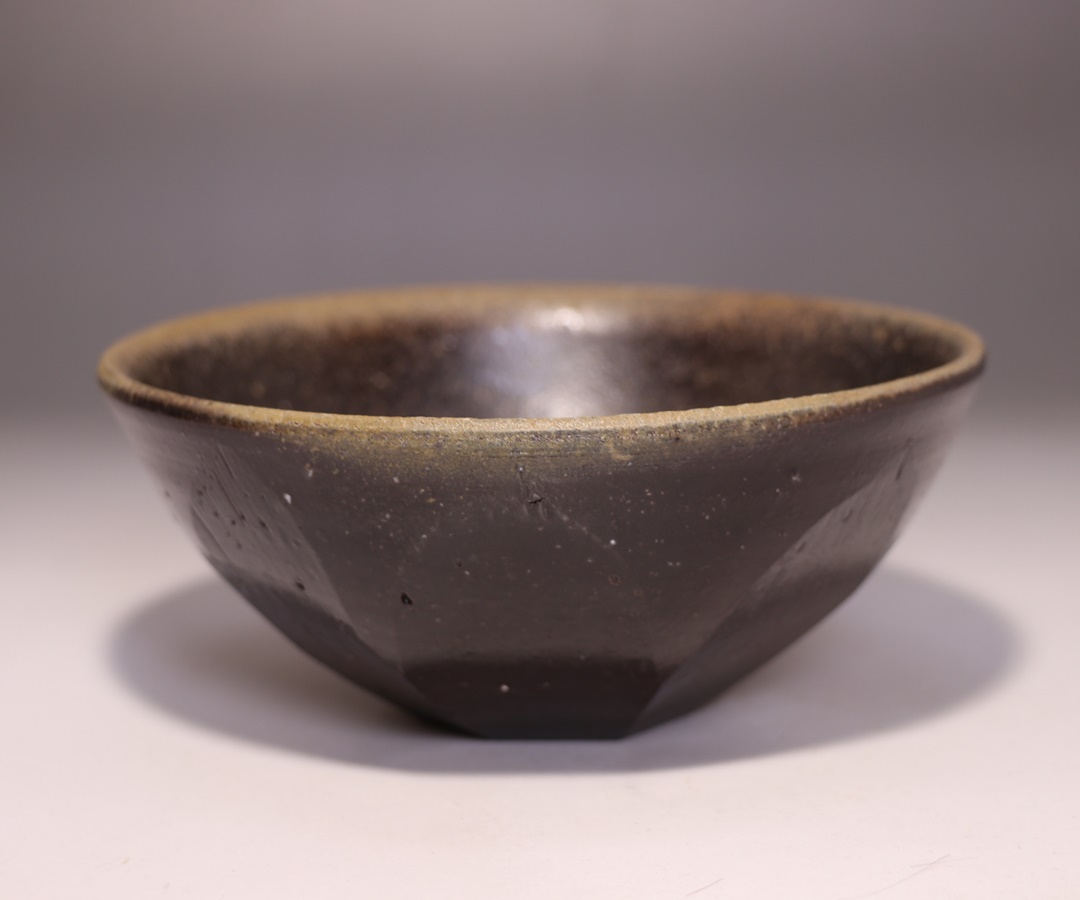
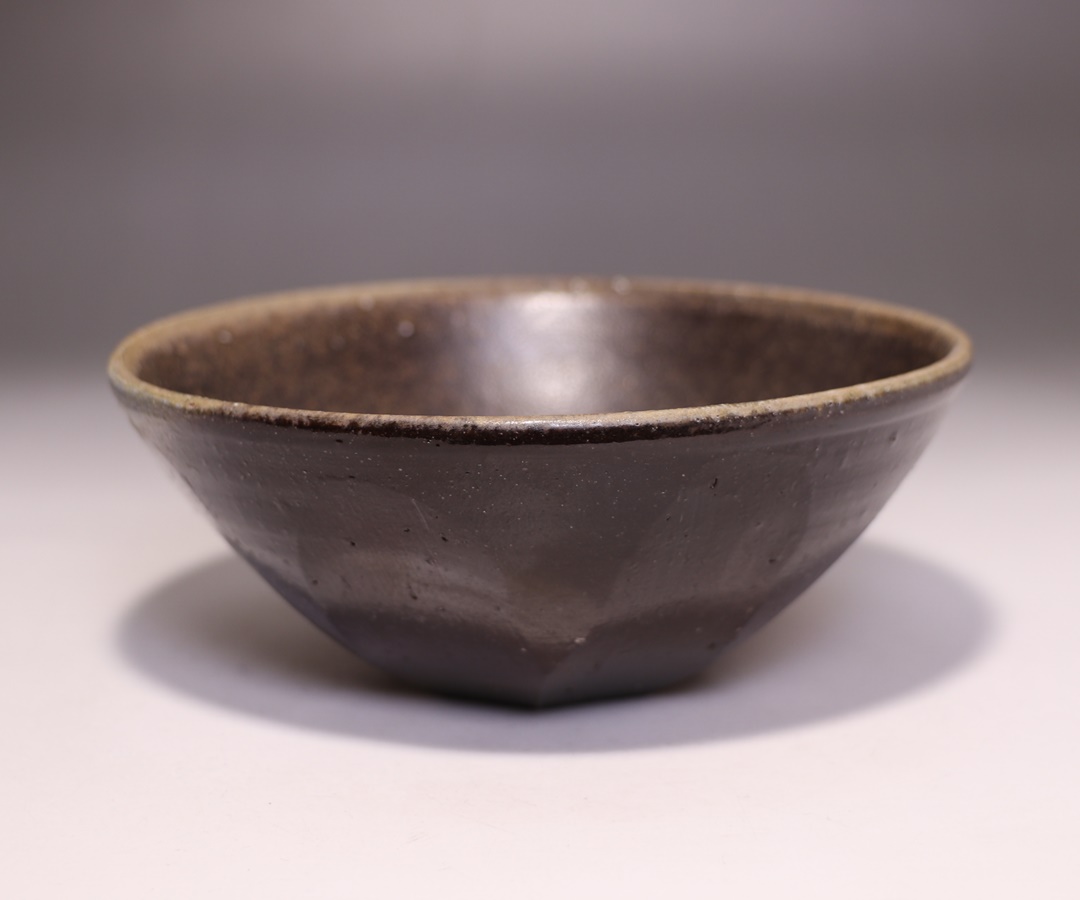
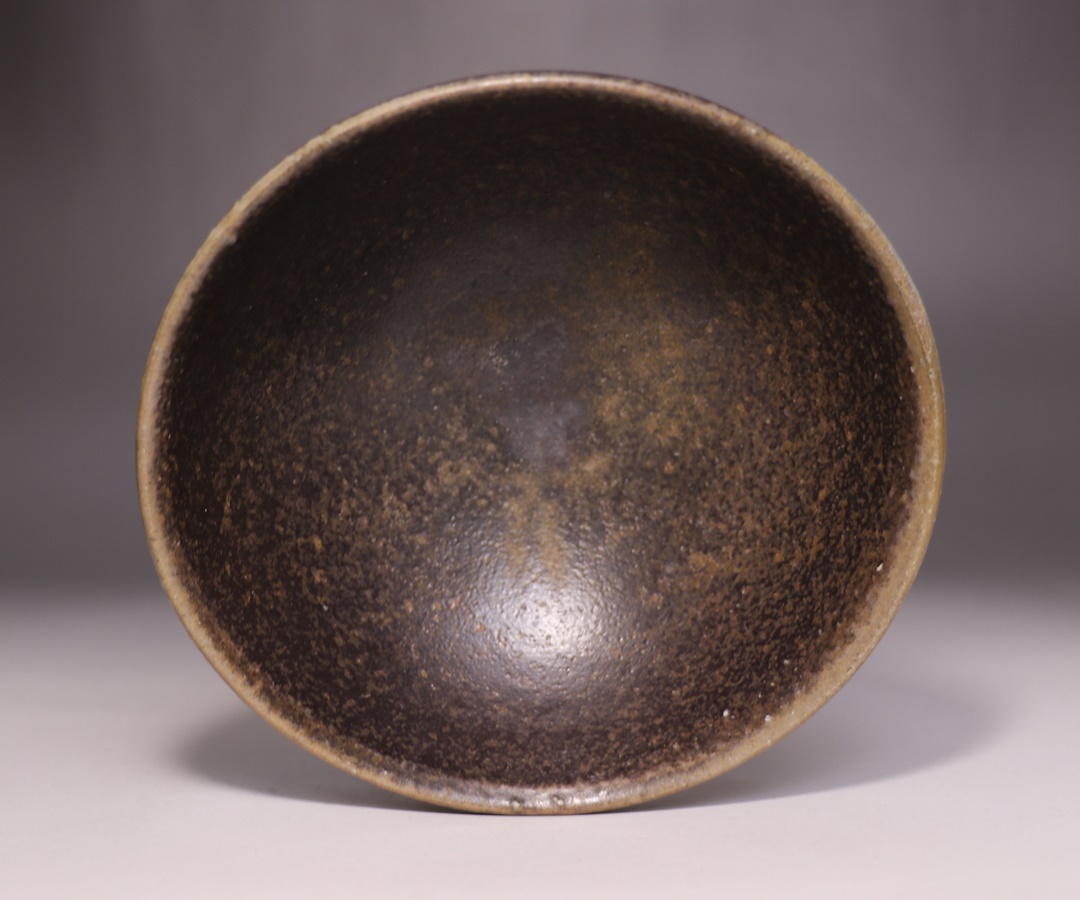
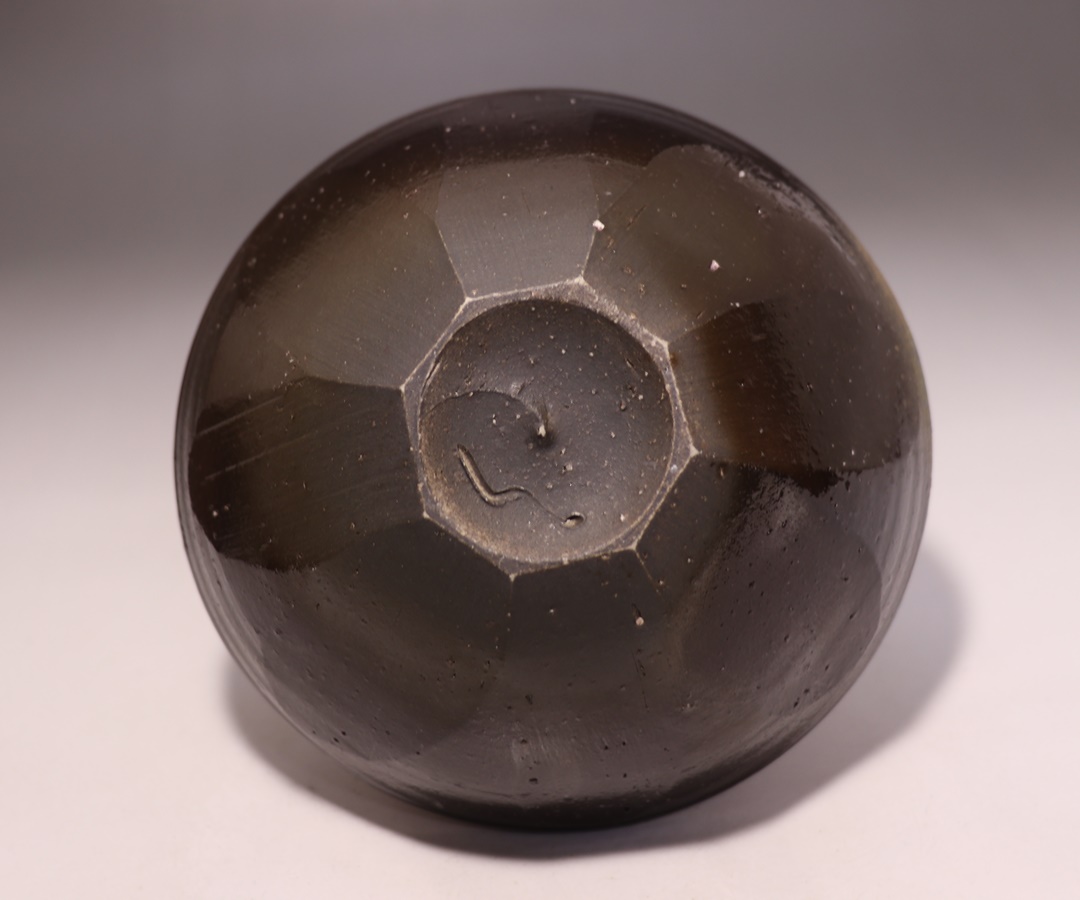
Masao Akiya - Kuro rice bowl
3,300 YEN
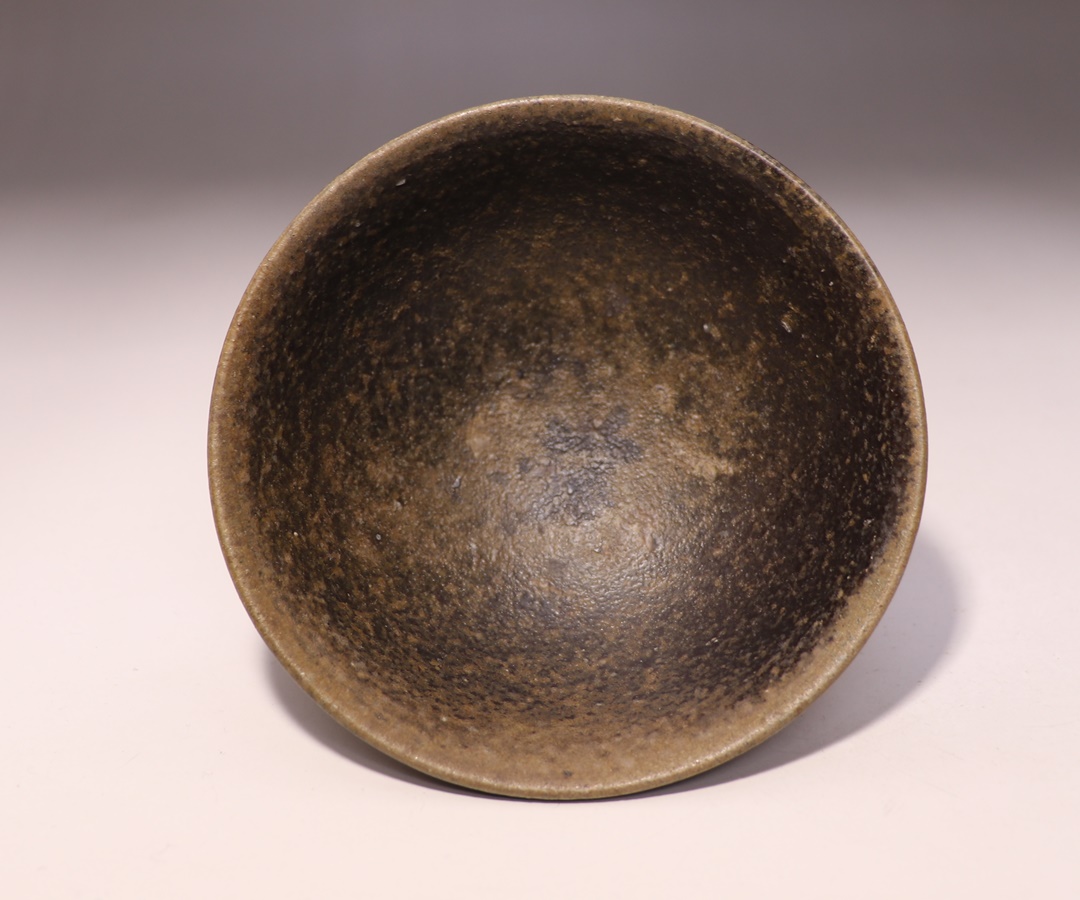
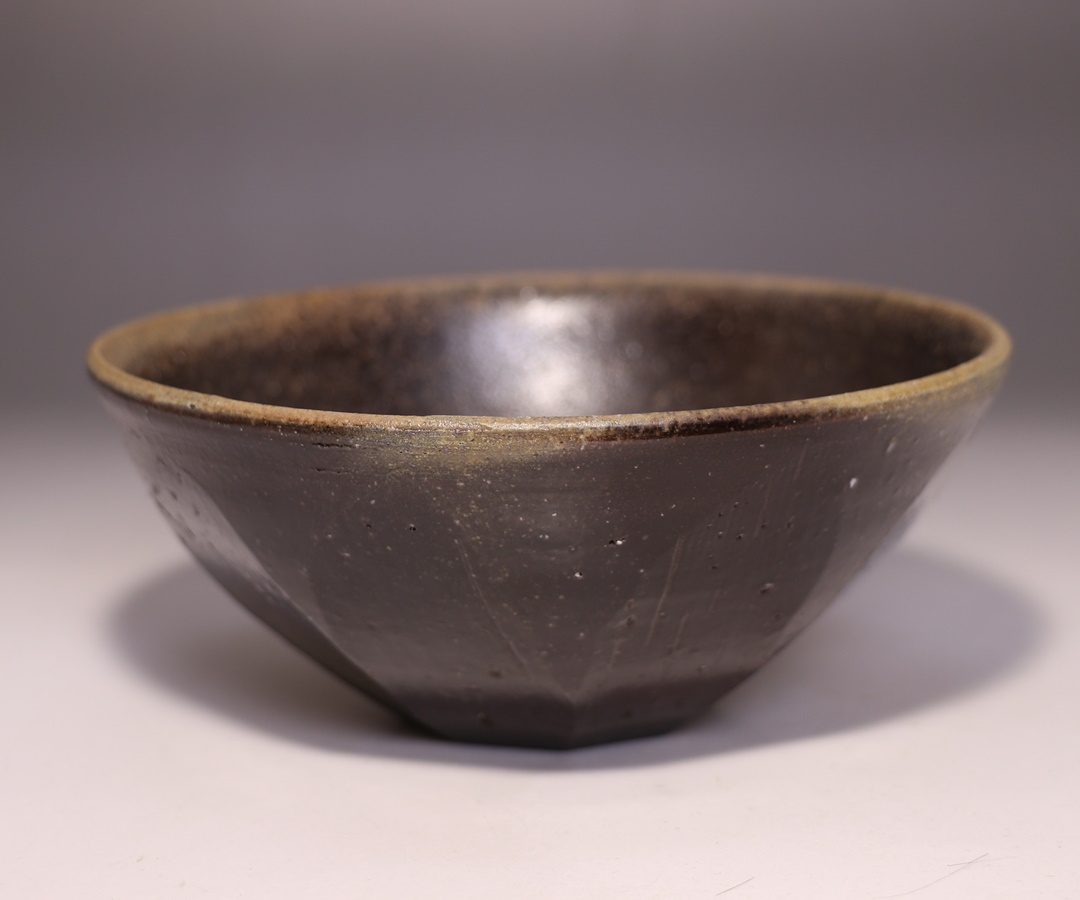
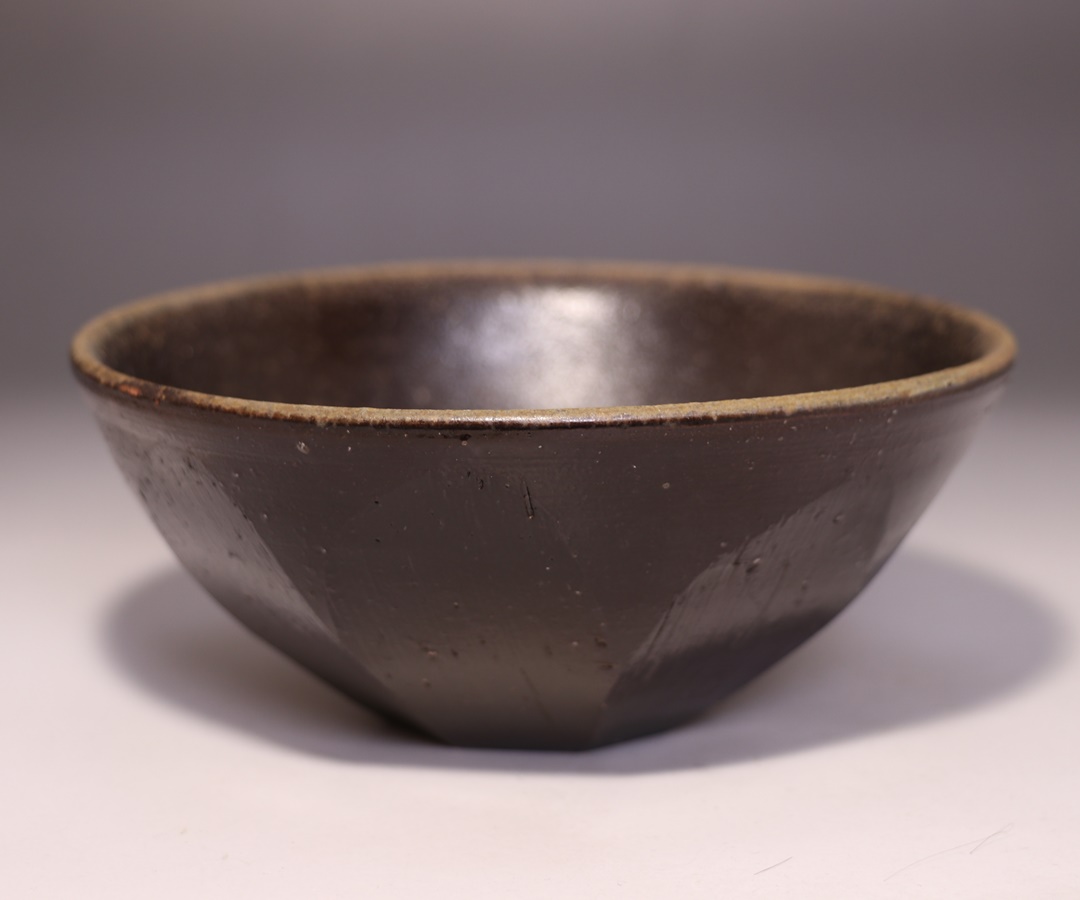
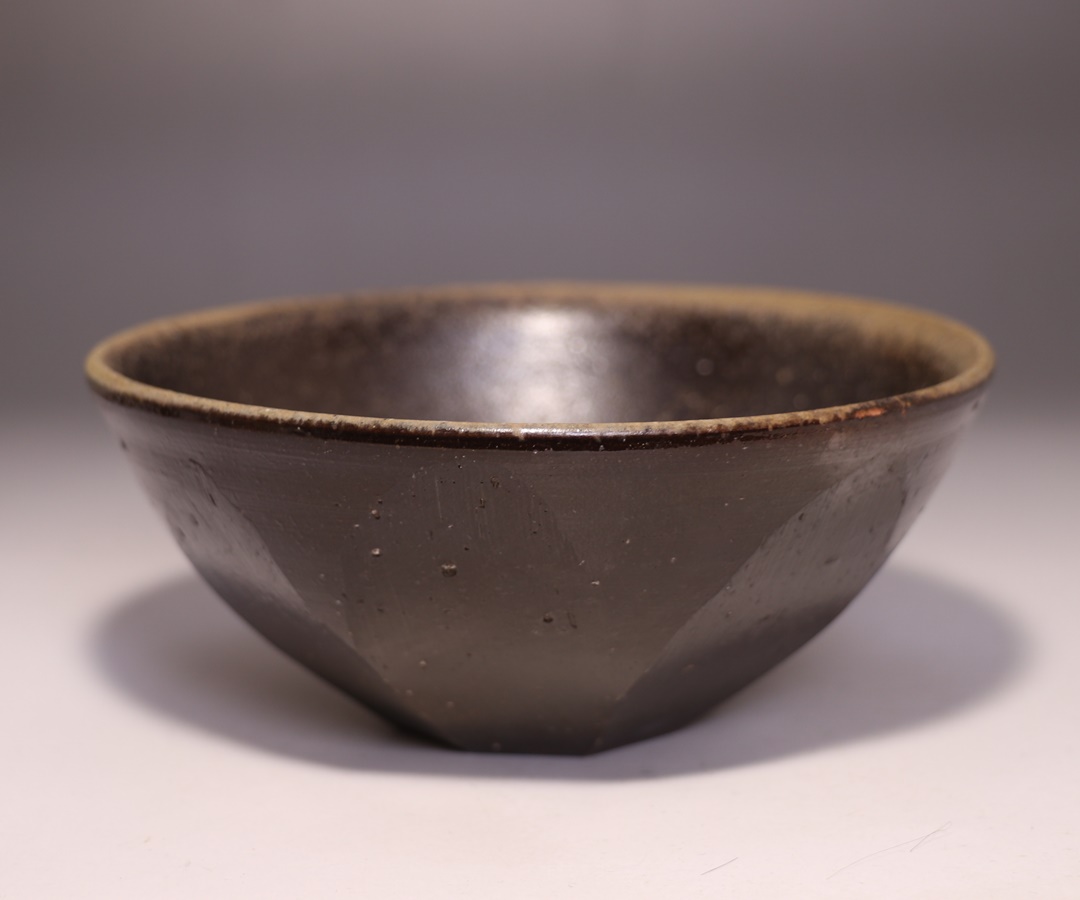
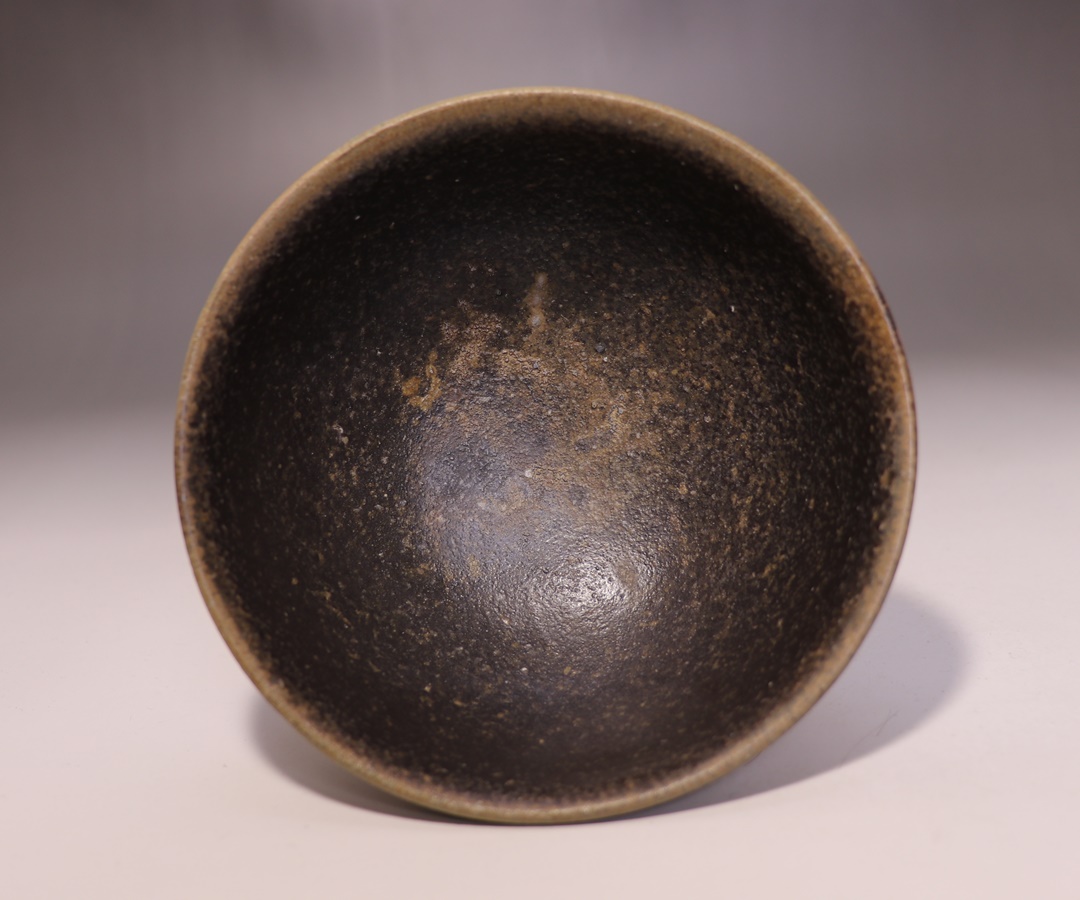
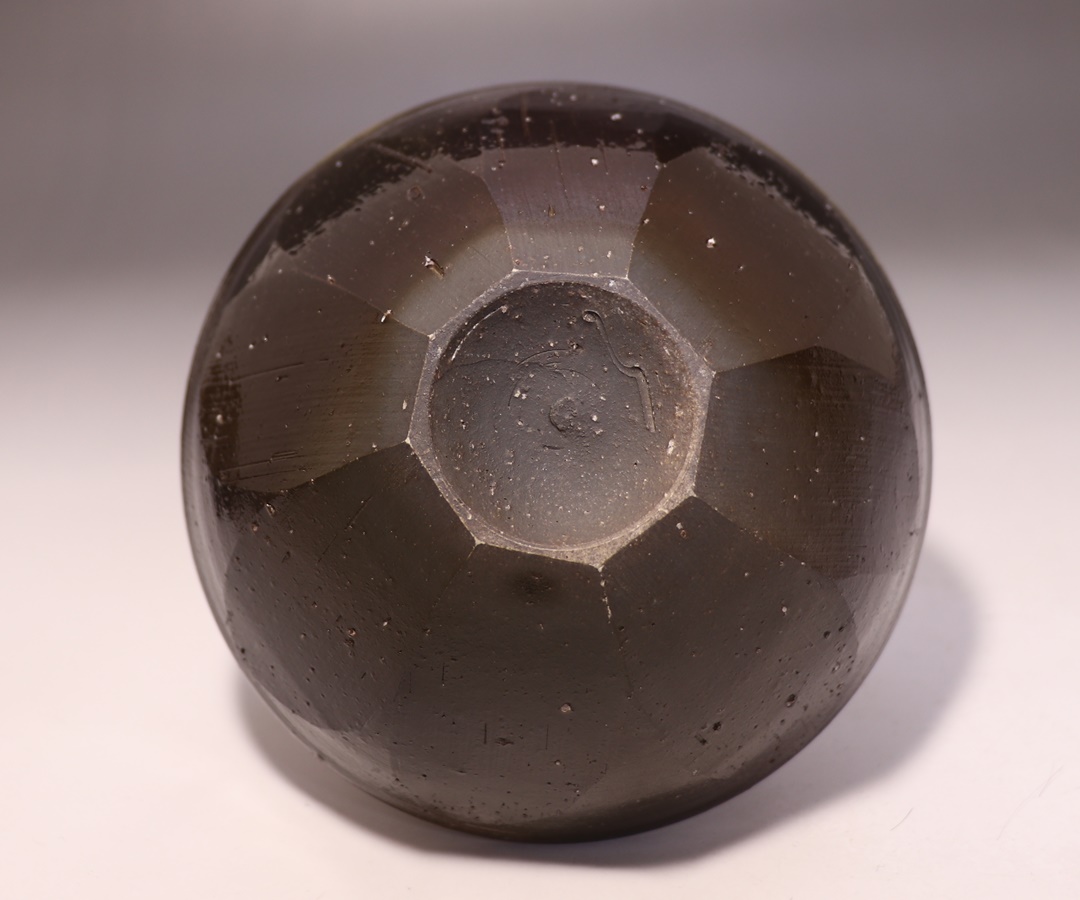
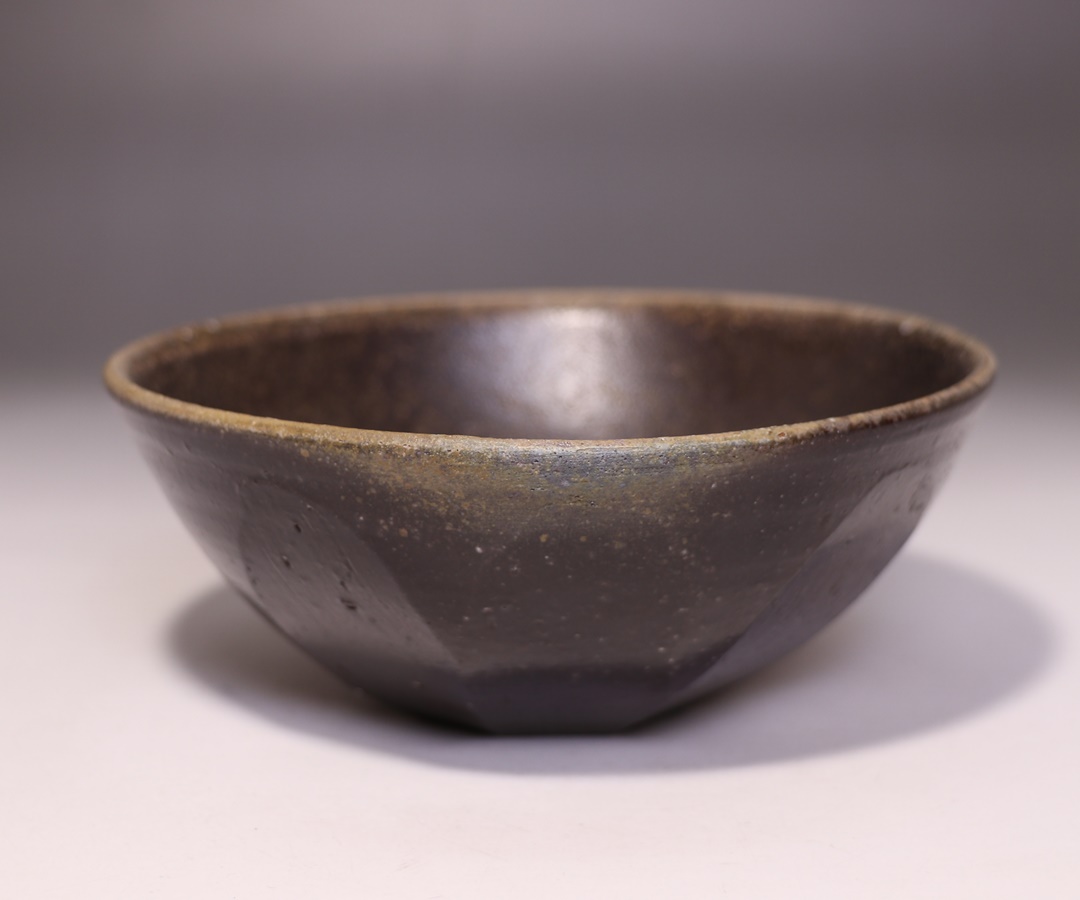
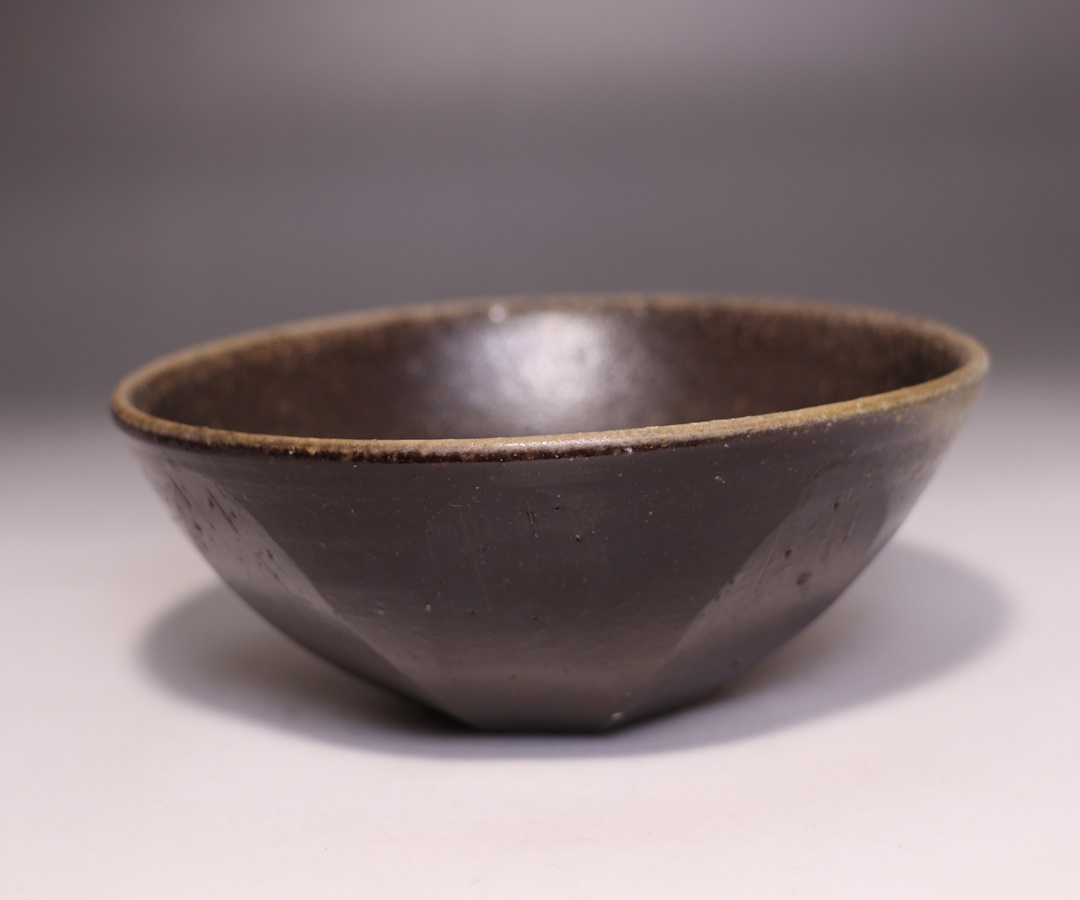
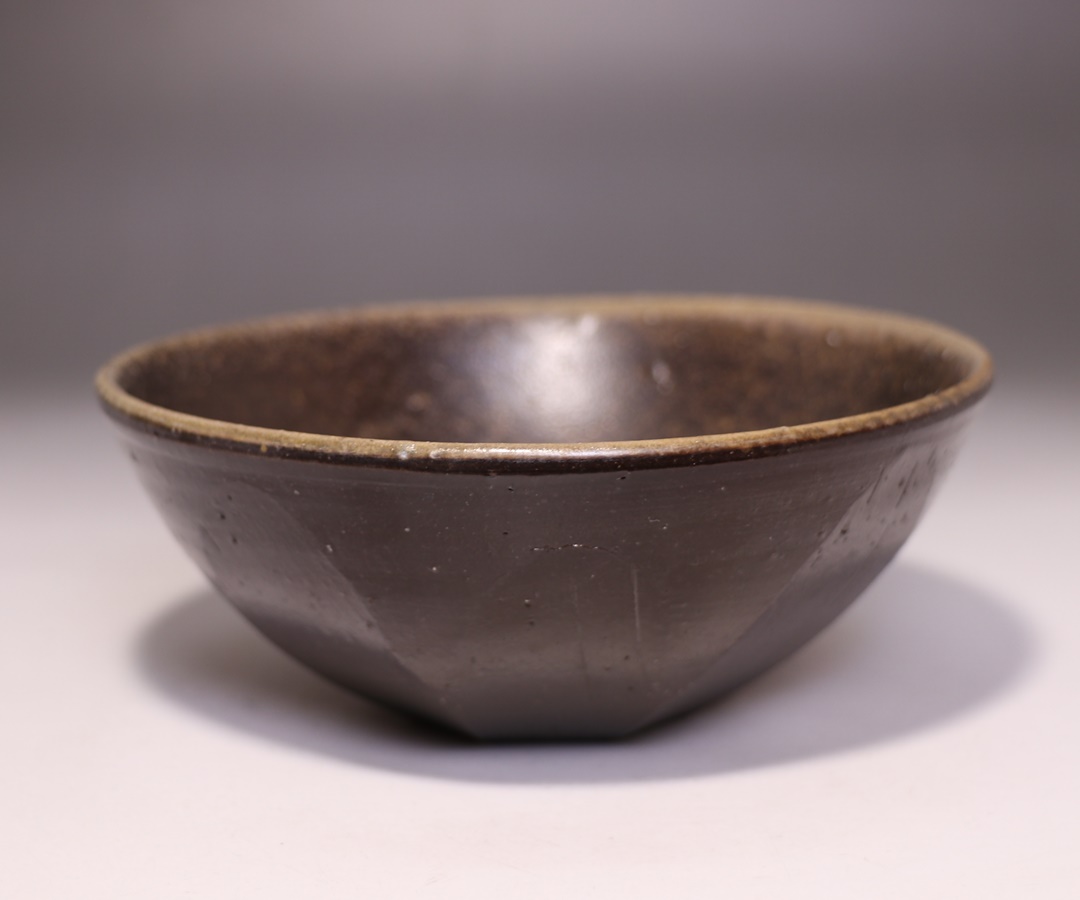
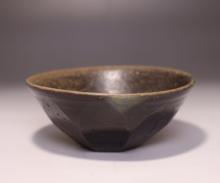
size : W12.1cm×11.8cm×H5.2cmThis is a newly fired Kuro rice bowl (small) by Masao Akiya, who studied under Jun Isezaki, the fifth Living National Treasure of Bizen ware, and creates highly original works with a fresh and distinctive spirit.
This is one of his latest works, newly fired in February 2026.
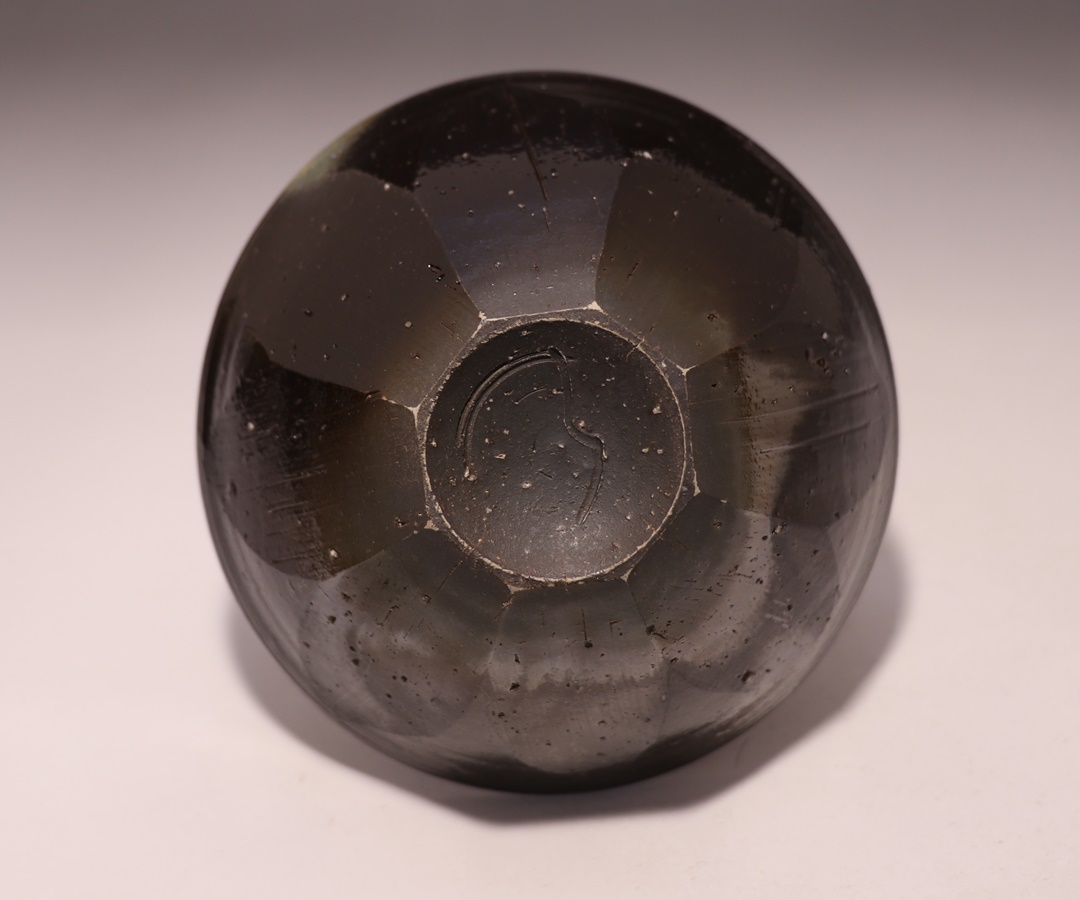
It was made using the Kuro-Bizen technique inherited from his master, Jun Isezaki, and the black surface is especially attractive, combining a deep luster with a warm tone.
A special clay collected in areas such as Osafune, near Bizen City, is applied to the surface after being blended with a small amount of cobalt, producing a stylish and deeply expressive black finish.
One of the charms of his black works is the so-called blue fire effect, created by the reaction between the cobalt and the natural ash glaze. This piece also shows a blue fire effect on the front, where yellow and blue mingle together to create a distinctive fire pattern.
Inside, Goma is scattered boldly across the surface, and together with the black coating, it creates a scene reminiscent of a sky full of stars.
Around the foot, fine cuts have been carved with a wooden spatula, and when light falls on the piece, the subtle tool marks gently emerge.
We also have works of the same shape and larger versions available, so please feel free to inquire.
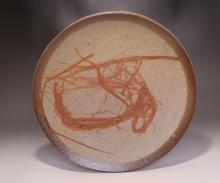


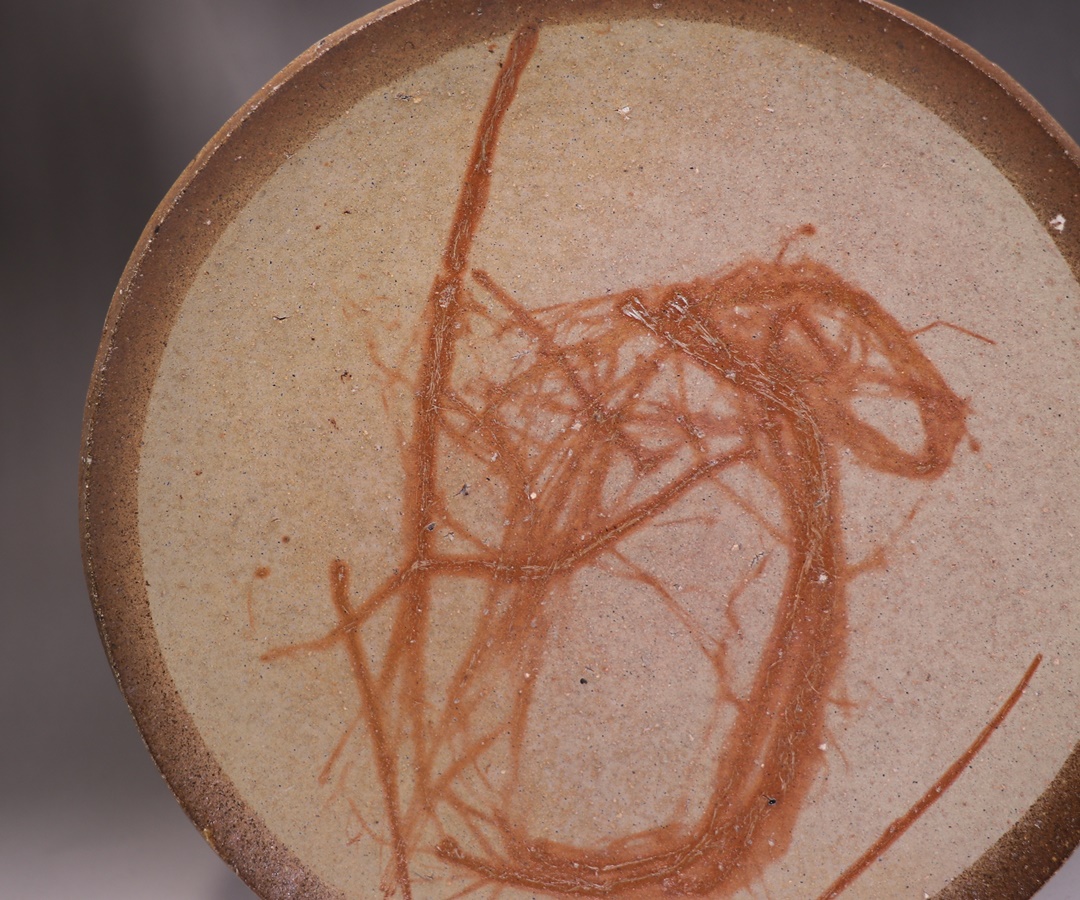
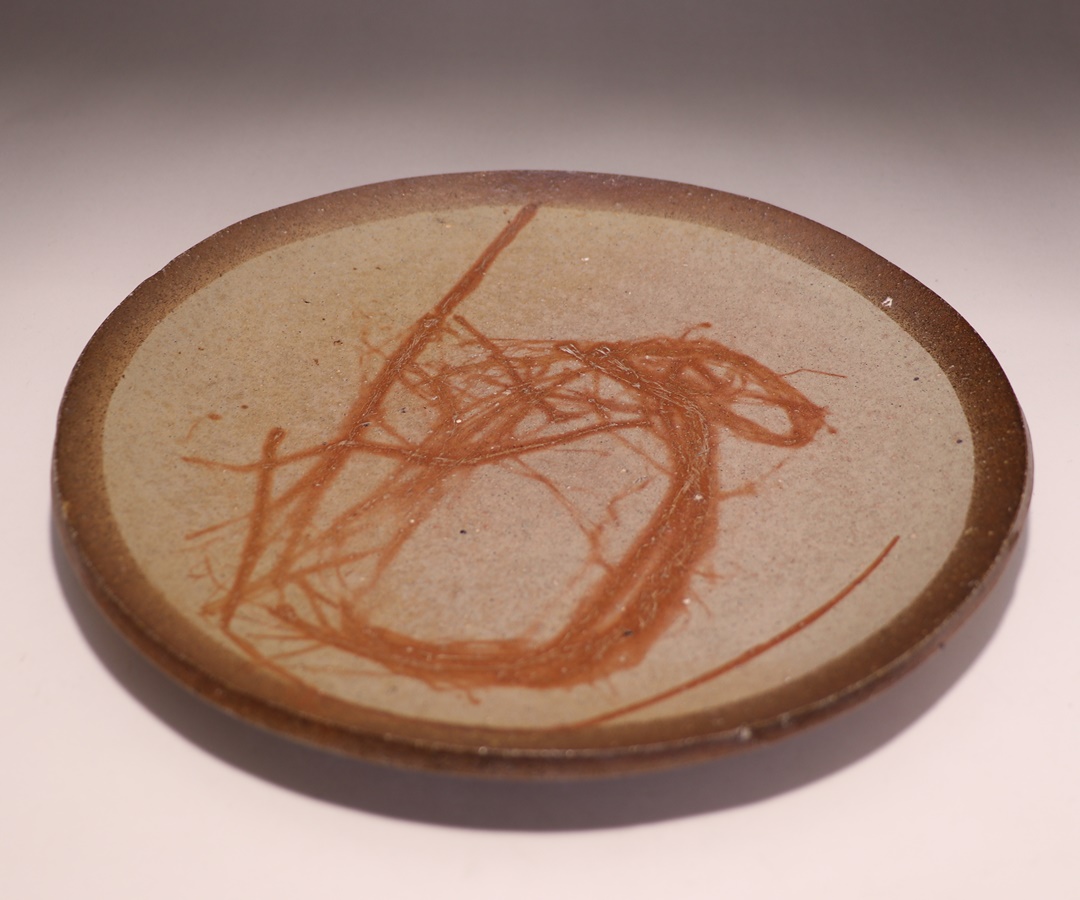
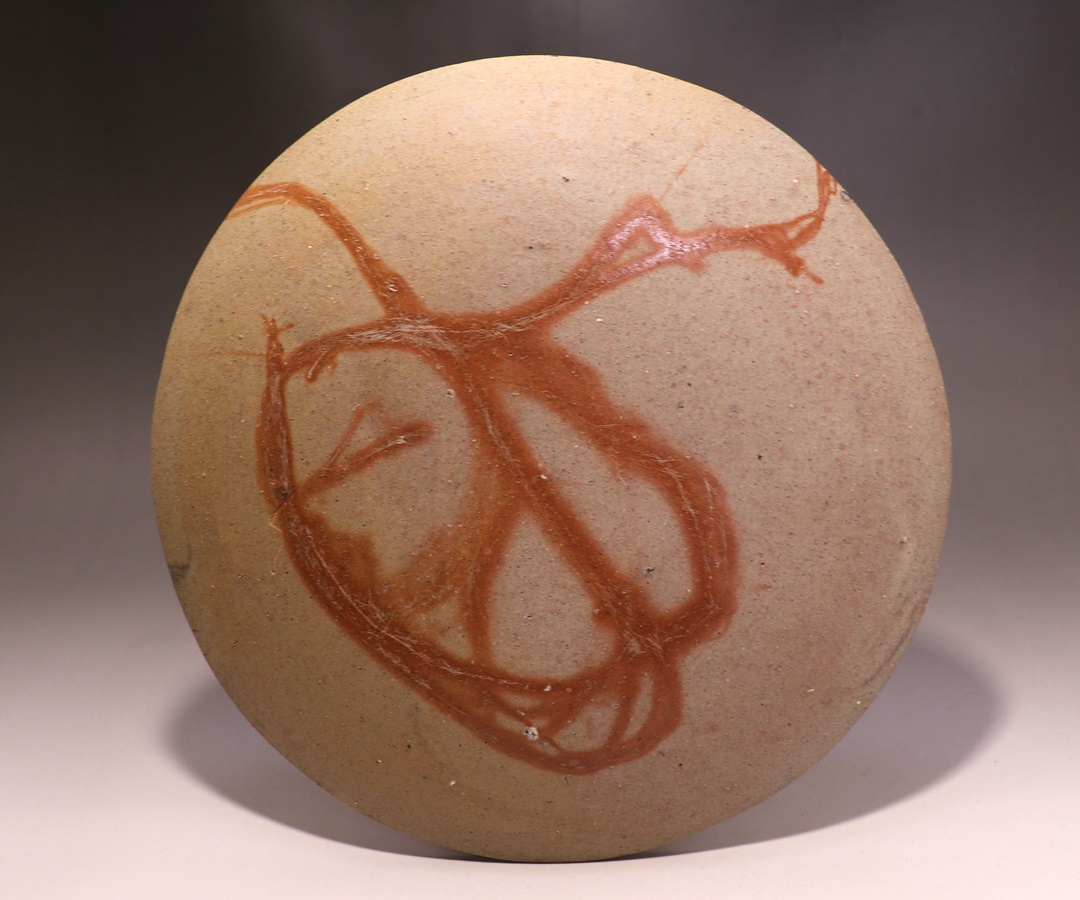
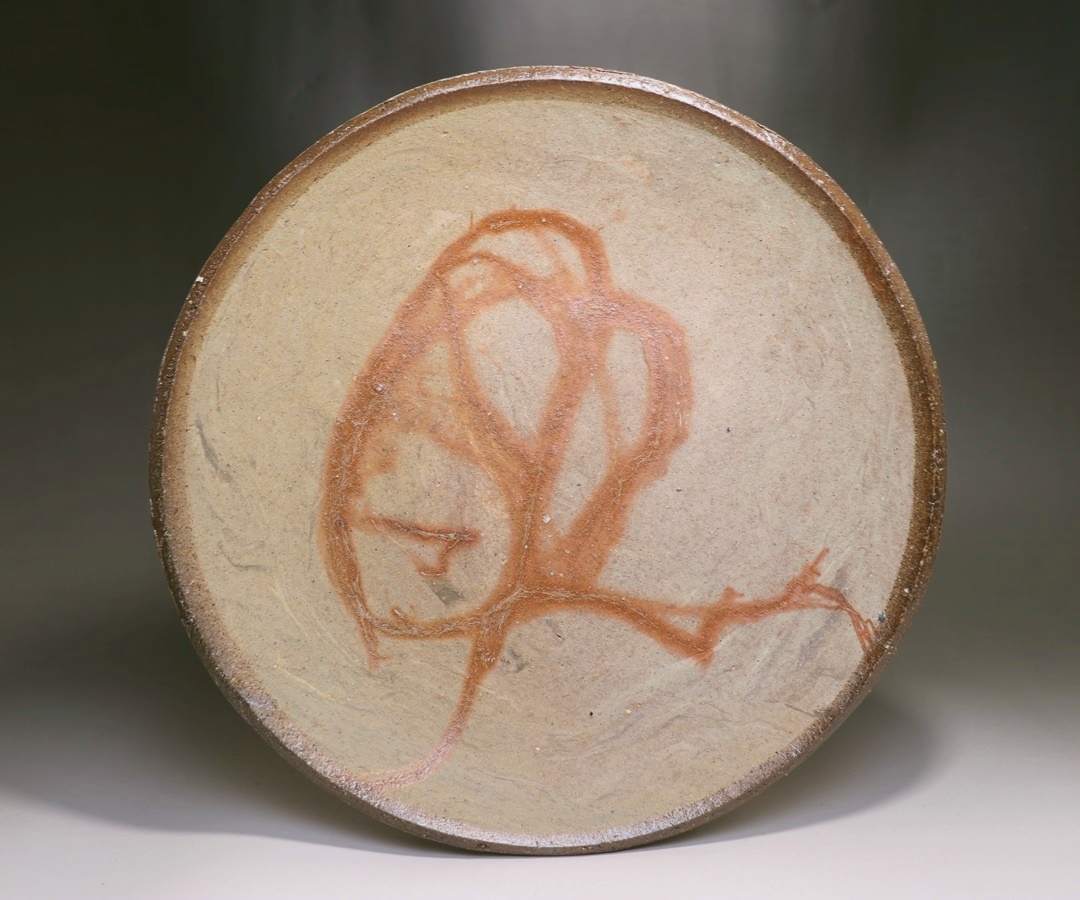
Masao Akiya - Bizen plate
6,600 YEN
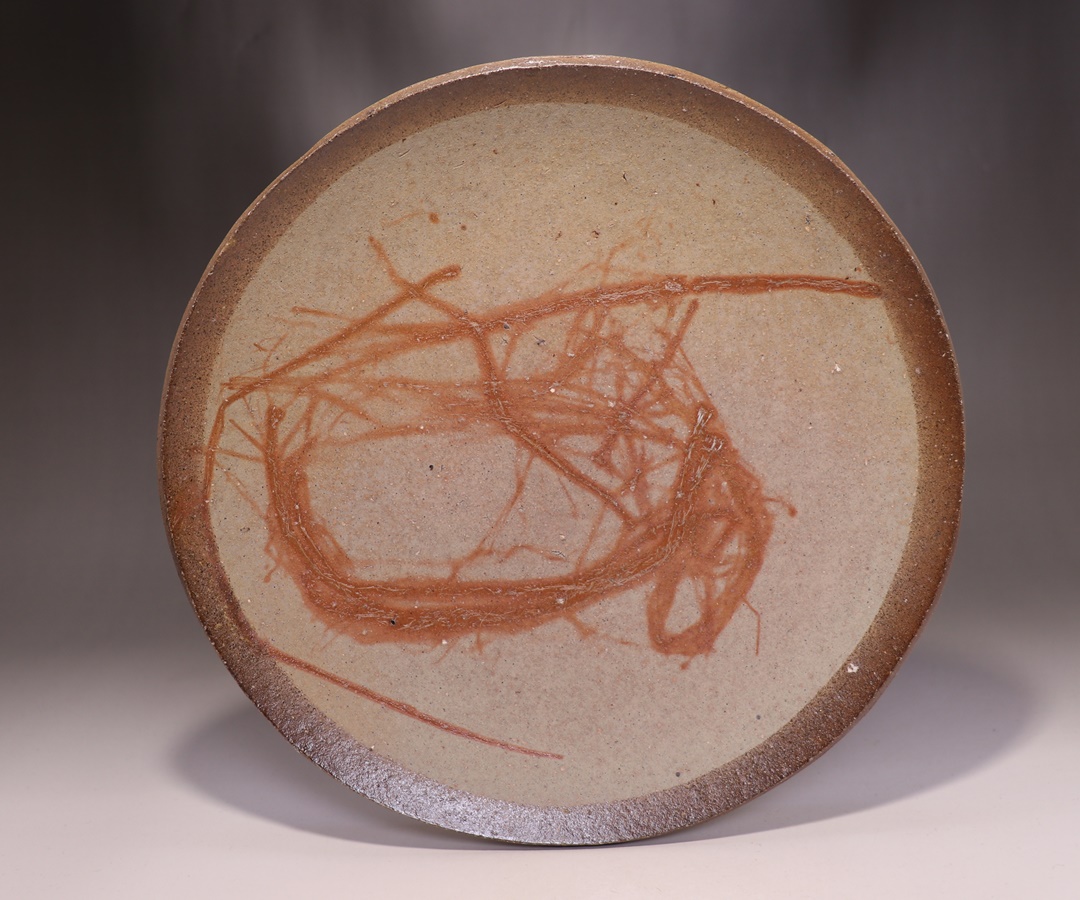
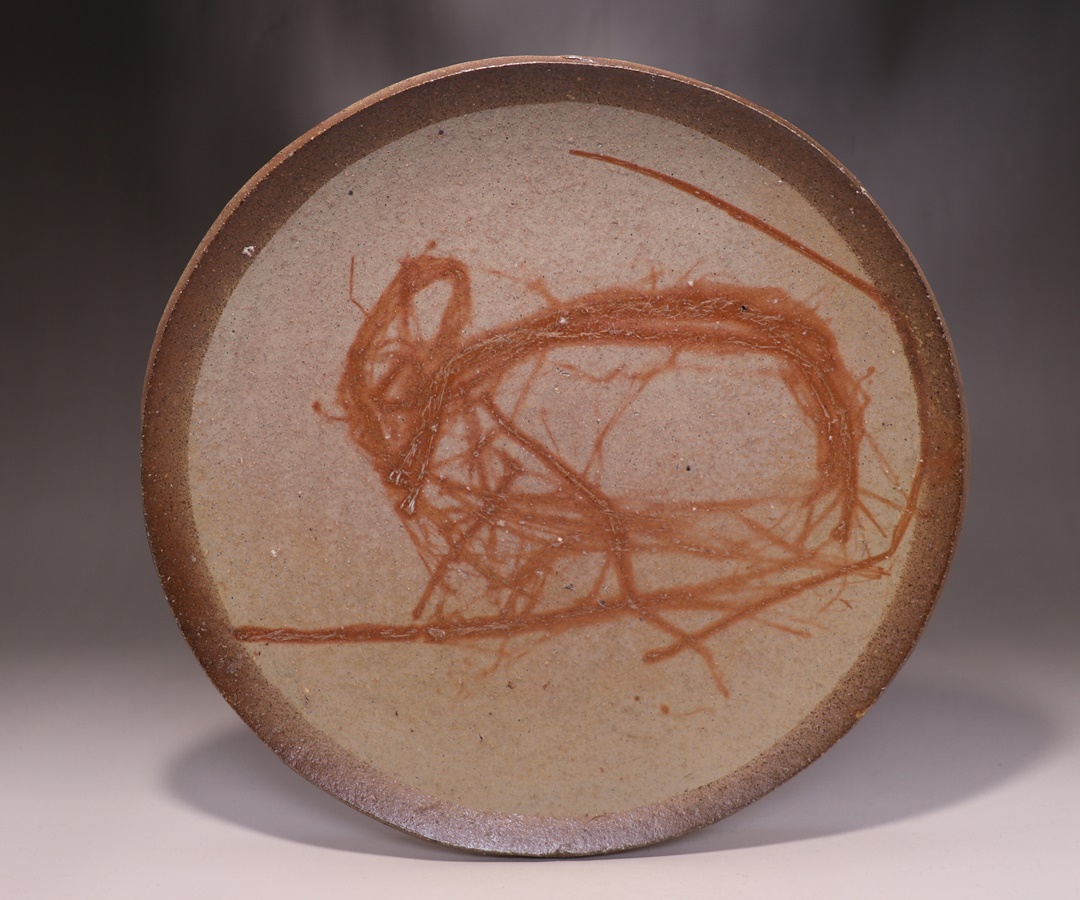
size : W23.8cm×23.6cm×H2.6cmThis is a Bizen plate by Masao Akiya, who studied under Jun Isezaki, a Living National Treasure, and creates highly original works with a fresh and distinctive spirit.
This piece was newly fired in February 2026.
It was made using yellow clay collected from Imbe Hiraike, near Akiya’s studio.
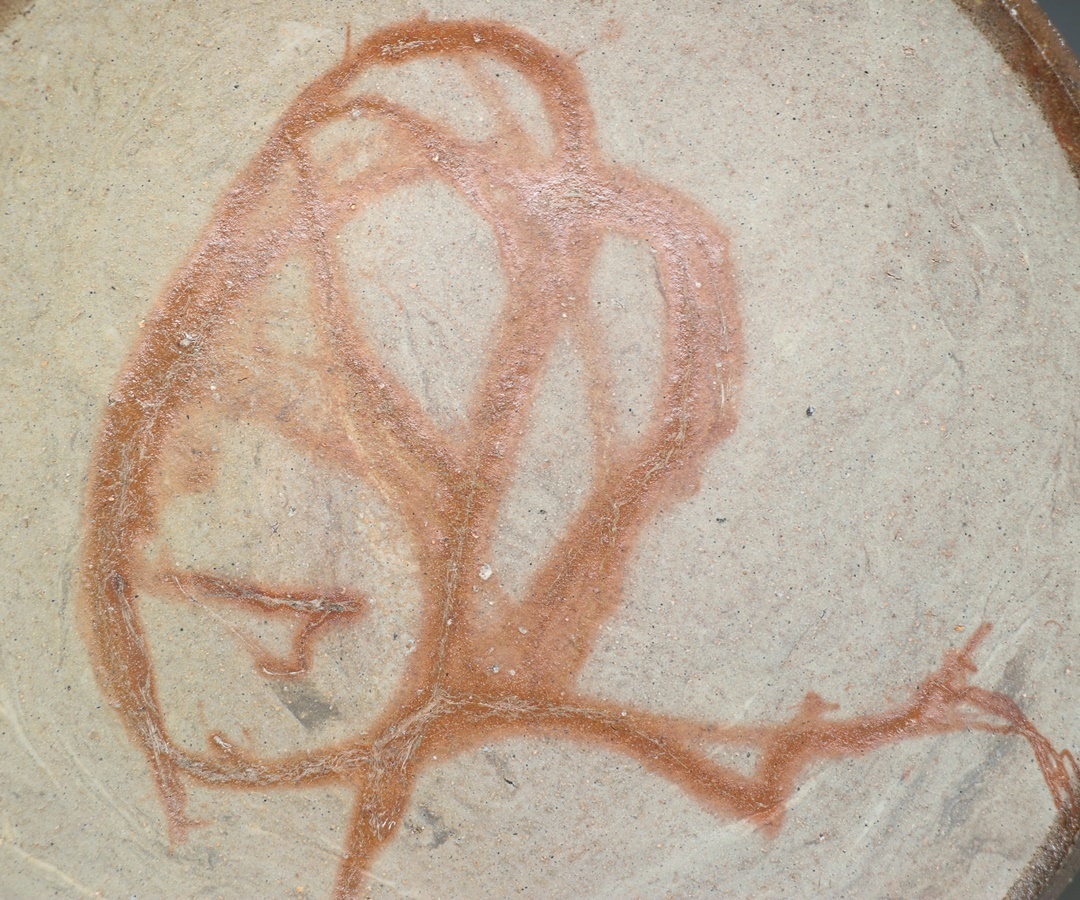
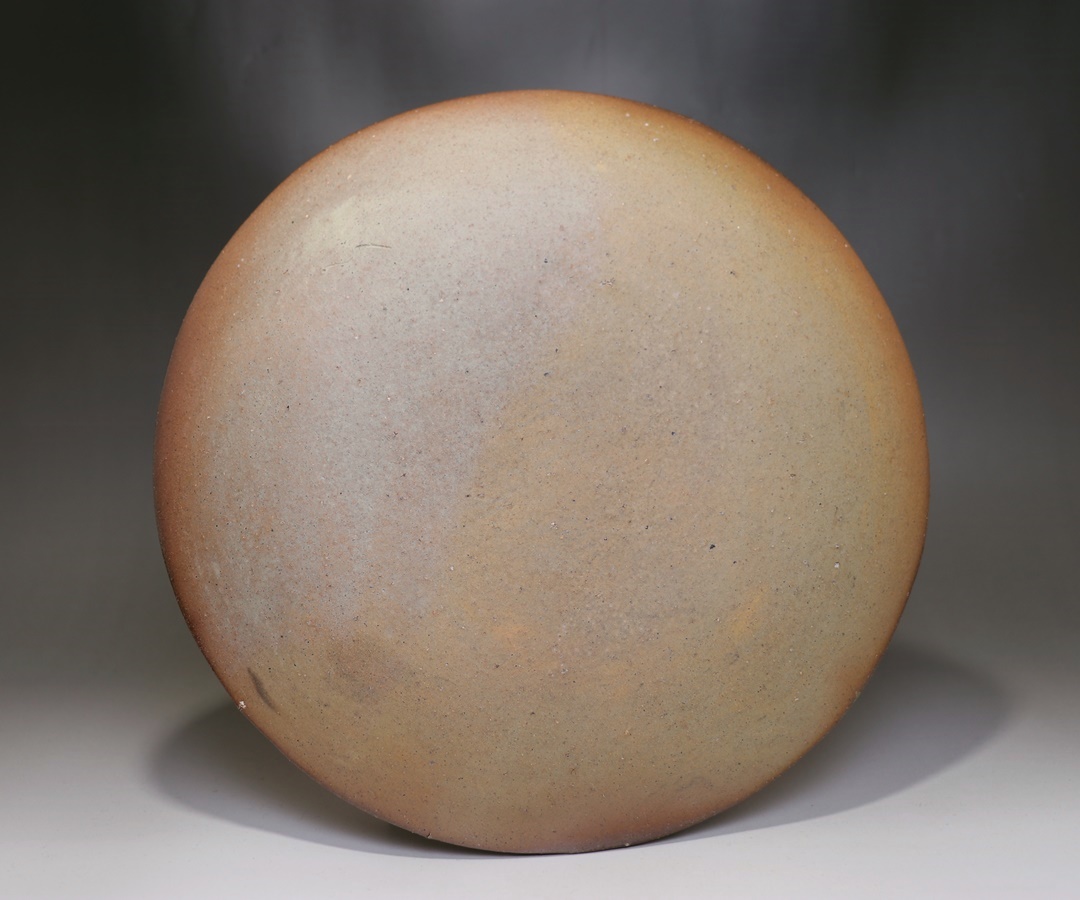
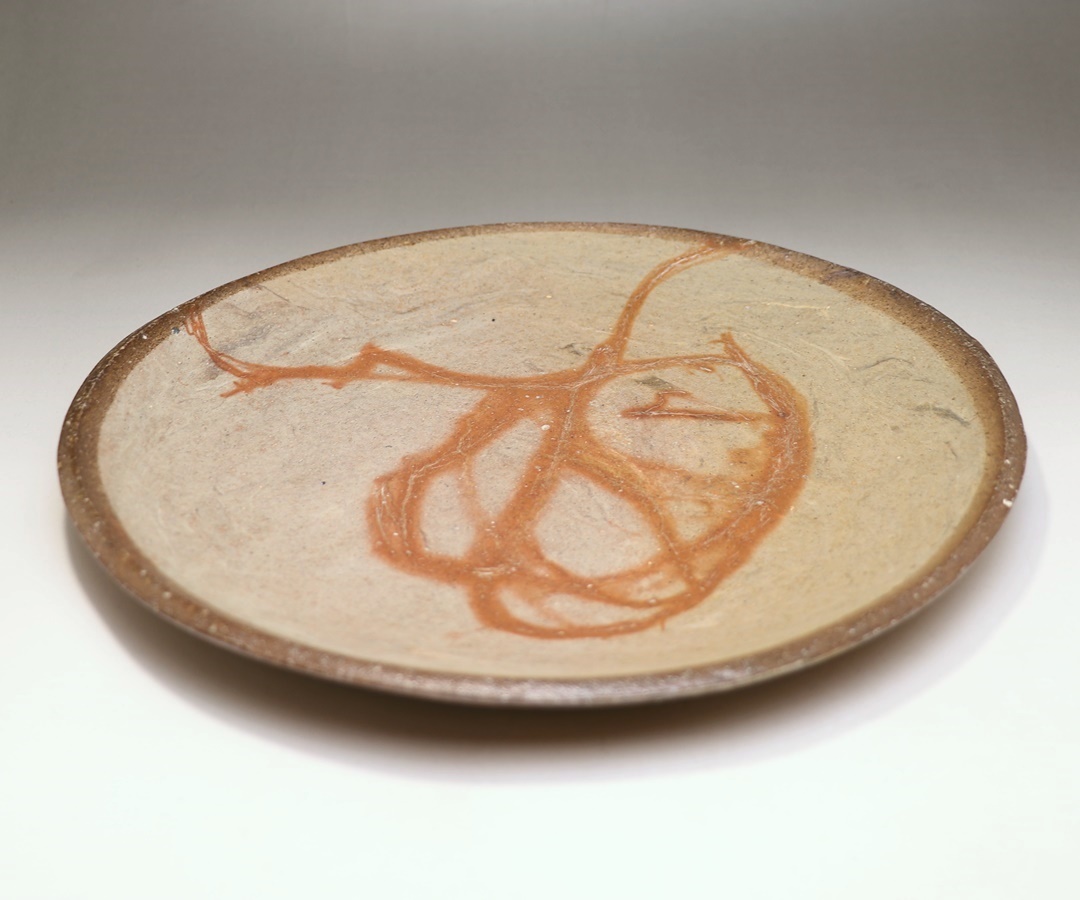
Without fully mixing the different clay components, he beat and stretched them into a single plate, allowing the variations in the clay itself to appear as differences in color and form a marbled pattern across the surface.
These variations appear not only in the pattern but also in the texture. The smooth, matte surface feels pleasantly dry to the touch.
During firing, the piece was stack-fired in order to preserve the marbled pattern of the clay. The combination of the lively Hidasuki and the marbled surface creates a particularly interesting effect.
The plate has been stretched as thinly as possible, while the rim has been firmly trimmed, achieving both a clean appearance and ease of use as a vessel.
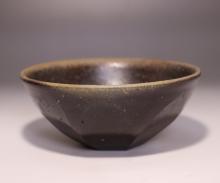


Masao Akiya - Kuro rice bowl
4,400 YEN
size : W13.6cm×13.5cm×H5.9cmThis is a newly fired Kuro rice bowl (large) by Masao Akiya, who studied under Jun Isezaki, the fifth Living National Treasure of Bizen ware, and creates highly original works with a fresh and distinctive spirit.
This is one of his latest works, newly fired in February 2026.
It was made using the Kuro-Bizen technique inherited from his master, Jun Isezaki, and the black surface is especially attractive, combining a deep luster with a warm tone.
A special clay collected in areas such as Osafune, near Bizen City, is applied to the surface after being blended with a small amount of cobalt, producing a stylish and deeply expressive black finish.
One of the charms of his black works is the so-called blue fire effect, created by the reaction between the cobalt and the natural ash glaze. This piece also shows a blue fire effect on the front, where yellow and blue mingle together to create a distinctive fire pattern.
Inside, Goma is scattered boldly across the surface, and together with the black coating, it creates a scene reminiscent of a sky full of stars.
Around the foot, fine cuts have been carved with a wooden spatula, and when light falls on the piece, the subtle tool marks gently emerge.
We also have works of the same shape and smaller versions available, so please feel free to inquire.
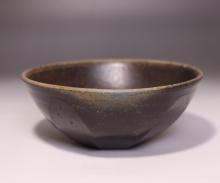


Masao Akiya - Kuro rice bowl
4,400 YENSold out
size : W13.5cm×13.4cm×H5.7cmThis is a newly fired Kuro rice bowl (large) by Masao Akiya, who studied under Jun Isezaki, the fifth Living National Treasure of Bizen ware, and creates highly original works with a fresh and distinctive spirit.
This is one of his latest works, newly fired in February 2026.
It was made using the Kuro-Bizen technique inherited from his master, Jun Isezaki, and the black surface is especially attractive, combining a deep luster with a warm tone.
A special clay collected in areas such as Osafune, near Bizen City, is applied to the surface after being blended with a small amount of cobalt, producing a stylish and deeply expressive black finish.
One of the charms of his black works is the so-called blue fire effect, created by the reaction between the cobalt and the natural ash glaze. This piece also shows a blue fire effect on the front, where yellow and blue mingle together to create a distinctive fire pattern.
Inside, Goma is scattered boldly across the surface, and together with the black coating, it creates a scene reminiscent of a sky full of stars.
Around the foot, fine cuts have been carved with a wooden spatula, and when light falls on the piece, the subtle tool marks gently emerge.
We also have works of the same shape and smaller versions available, so please feel free to inquire.
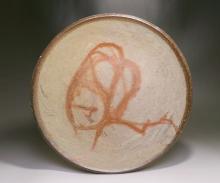


Masao Akiya - Bizen plate
6,600 YEN
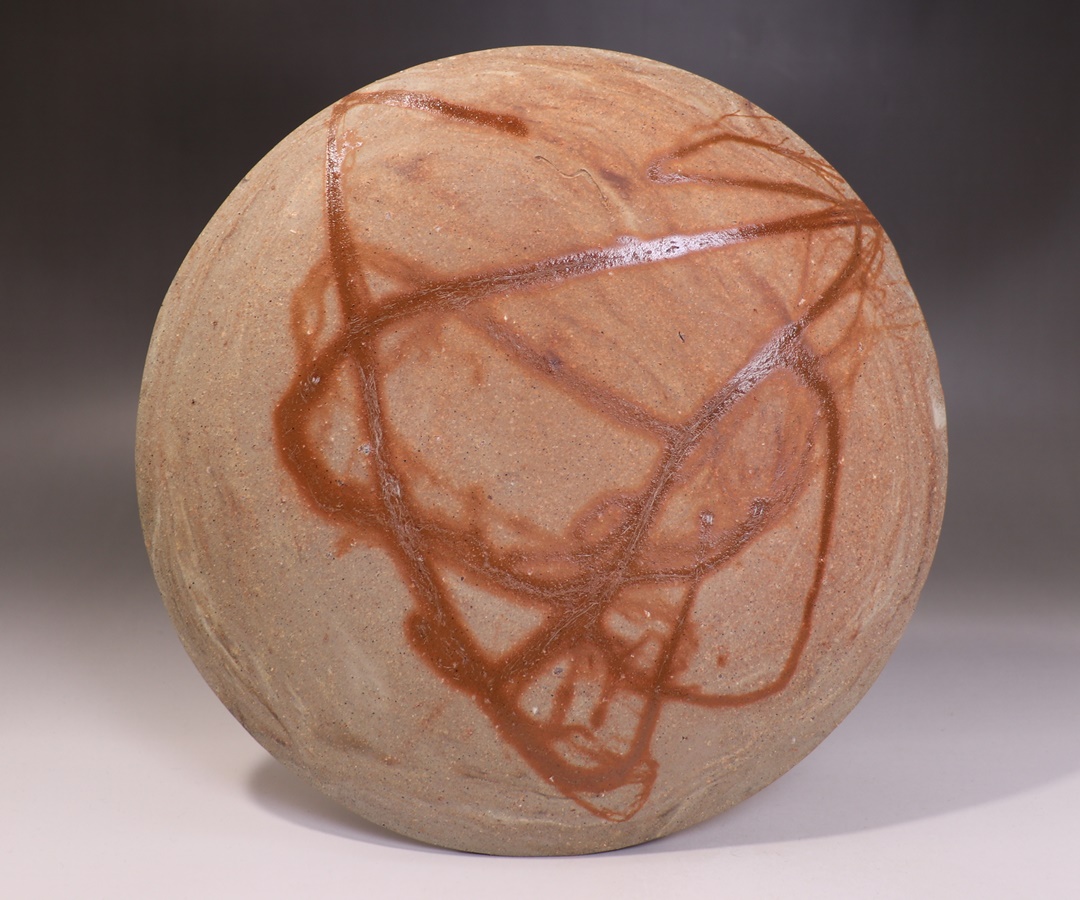
size : W25.8cm×25.4cm×H3.1cmThis is a Bizen plate by Masao Akiya, who studied under Jun Isezaki, a Living National Treasure, and creates highly original works with a fresh and distinctive spirit.
This piece was newly fired in February 2026.
It was made using yellow clay collected from Imbe Hiraike, near Akiya’s studio.
Without fully mixing the different clay components, he beat and stretched them into a single plate, allowing the variations in the clay itself to appear as differences in color and form a marbled pattern across the surface.
These variations appear not only in the pattern but also in the texture. The smooth, matte surface feels pleasantly dry to the touch.
During firing, the piece was stack-fired in order to preserve the marbled pattern of the clay. The combination of the lively Hidasuki and the marbled surface creates a particularly interesting effect.
The plate has been stretched as thinly as possible, while the rim has been firmly trimmed, achieving both a clean appearance and ease of use as a vessel.


Masao Akiya - Bizen plate
6,600 YEN
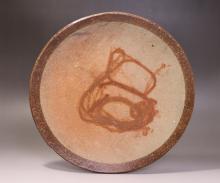
size : W23.8cm×23.8cm×H2.5cmThis is a Bizen plate by Masao Akiya, who studied under Jun Isezaki, a Living National Treasure, and creates highly original works with a fresh and distinctive spirit.
This piece was newly fired in February 2026.
It was made using yellow clay collected from Imbe Hiraike, near Akiya’s studio.
Without fully mixing the different clay components, he beat and stretched them into a single plate, allowing the variations in the clay itself to appear as differences in color and form a marbled pattern across the surface.
These variations appear not only in the pattern but also in the texture. The smooth, matte surface feels pleasantly dry to the touch.
During firing, the piece was stack-fired in order to preserve the marbled pattern of the clay. The combination of the lively Hidasuki and the marbled surface creates a particularly interesting effect.
The plate has been stretched as thinly as possible, while the rim has been firmly trimmed, achieving both a clean appearance and ease of use as a vessel.


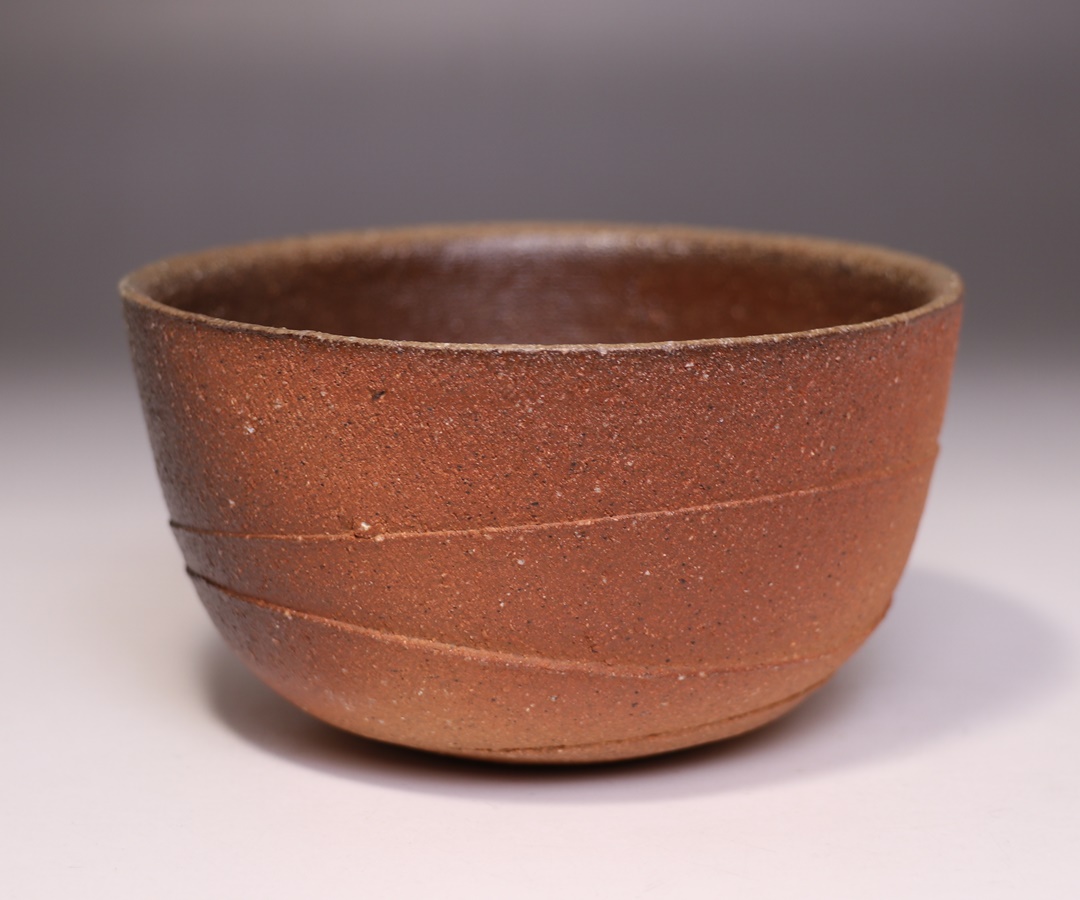
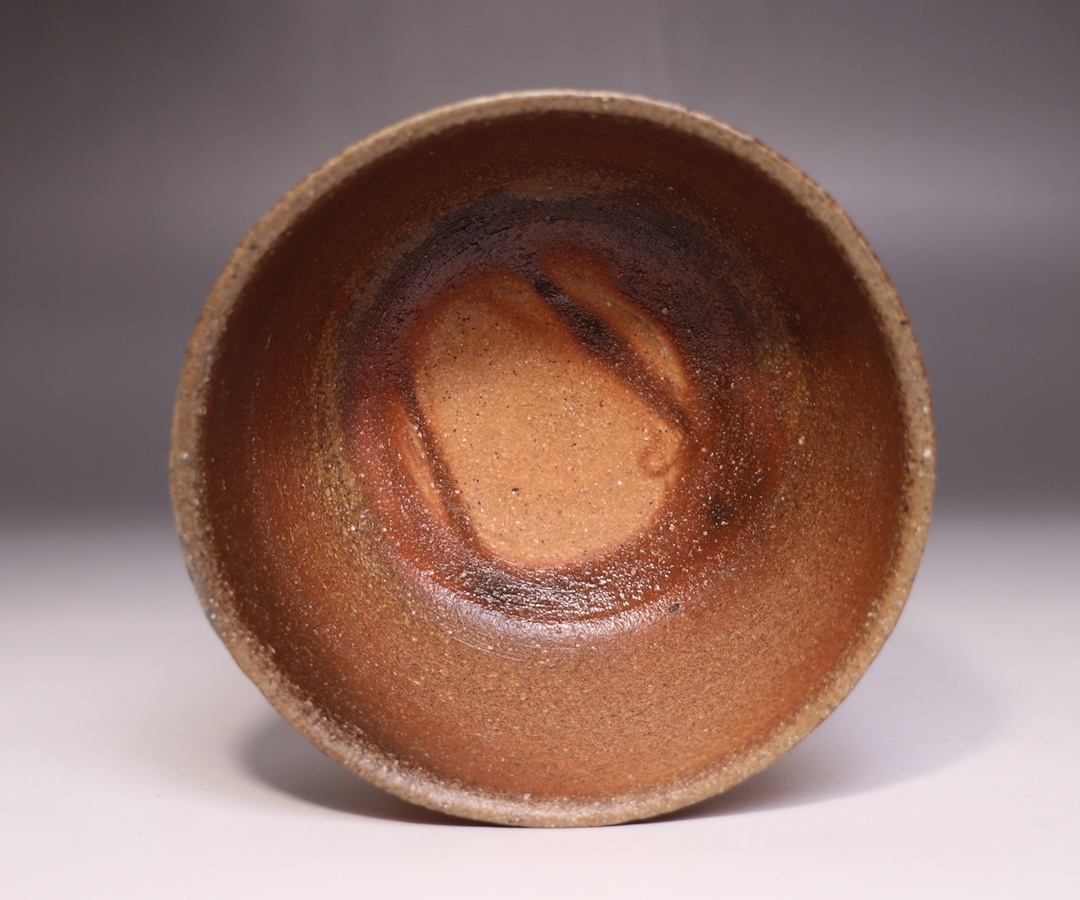
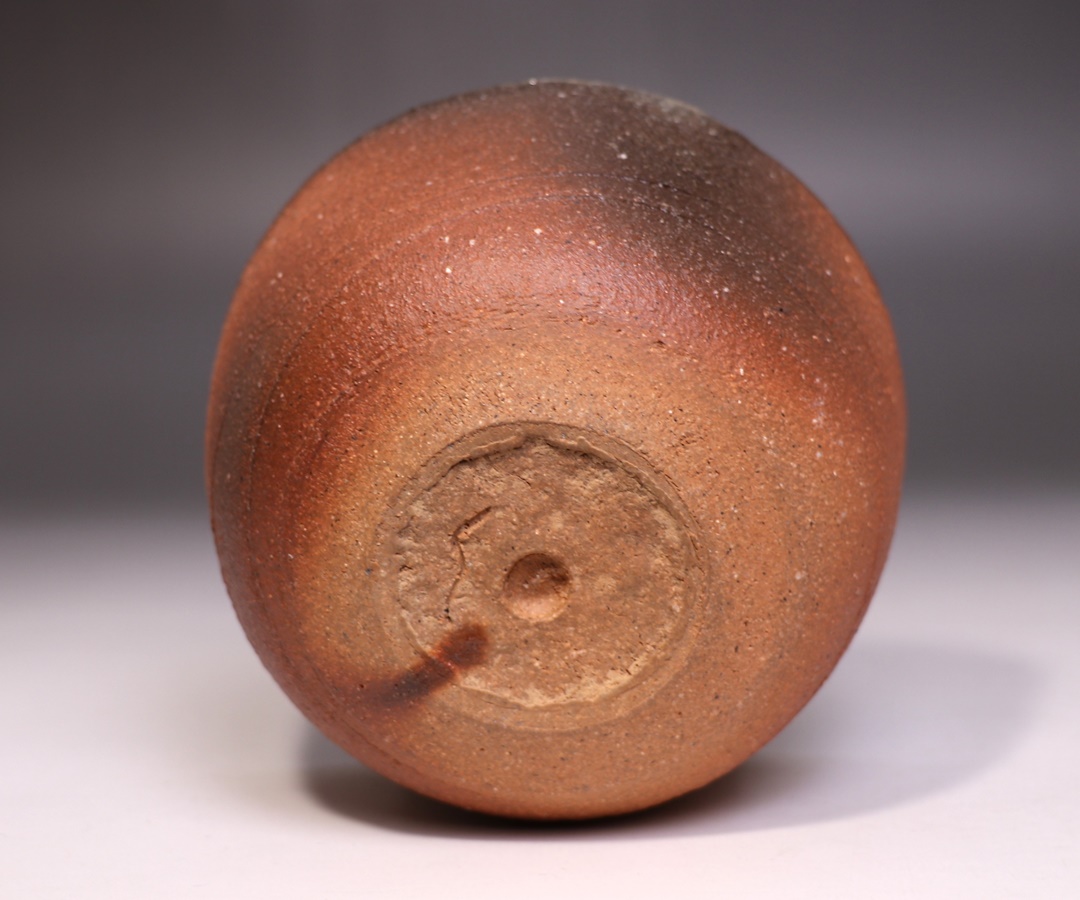
Masao Akiya - Bizen small bowl
4,400 YENSold out
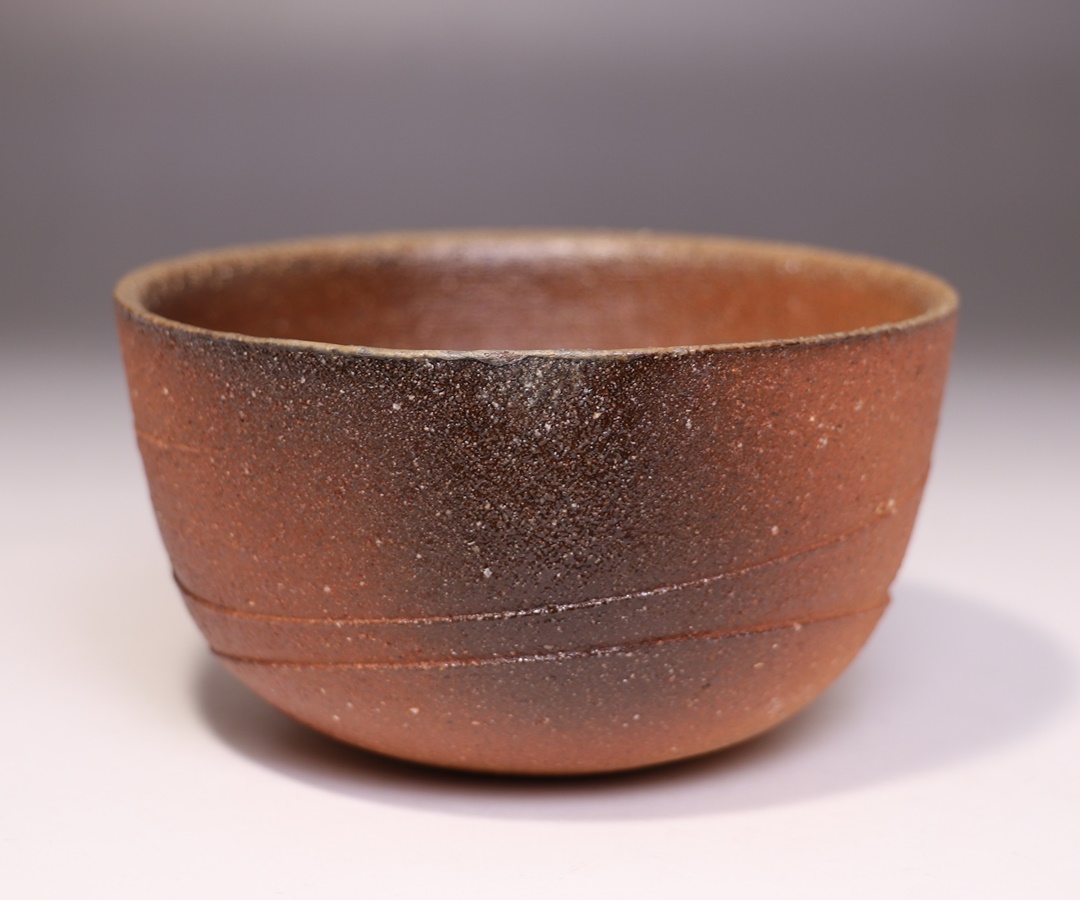
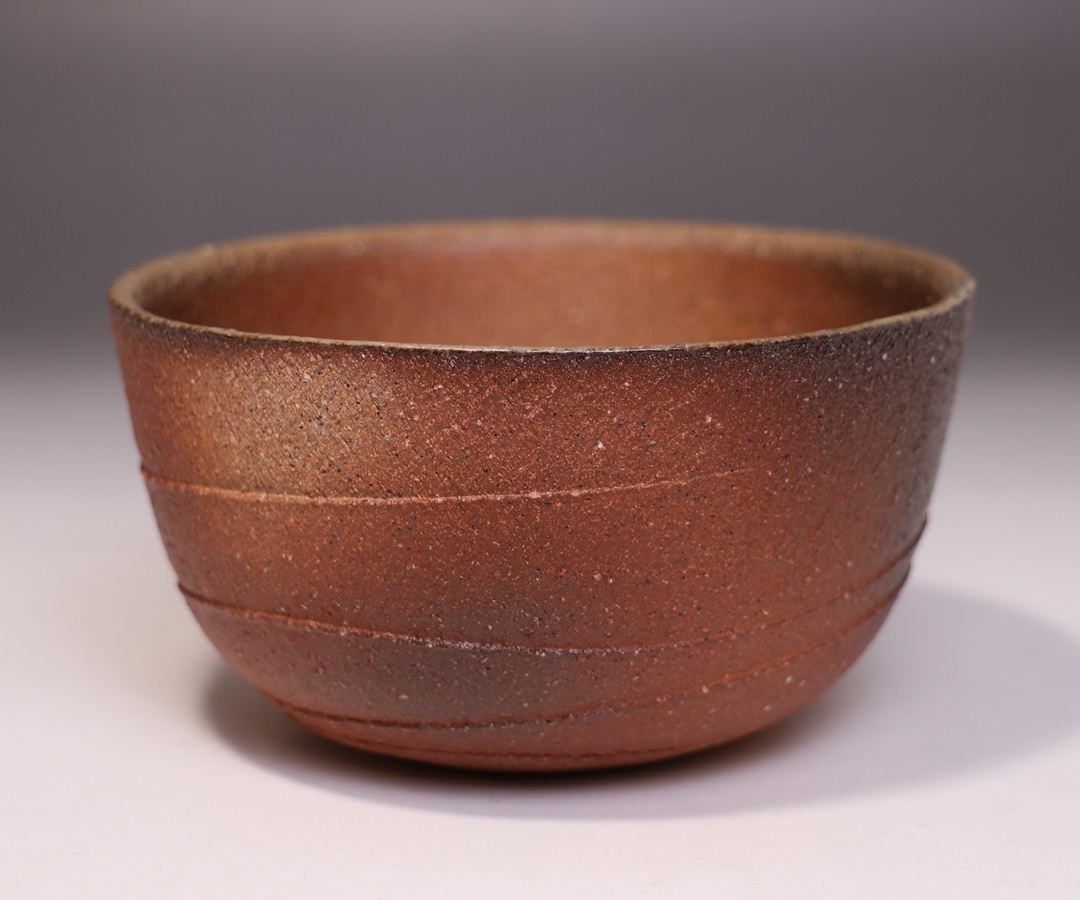
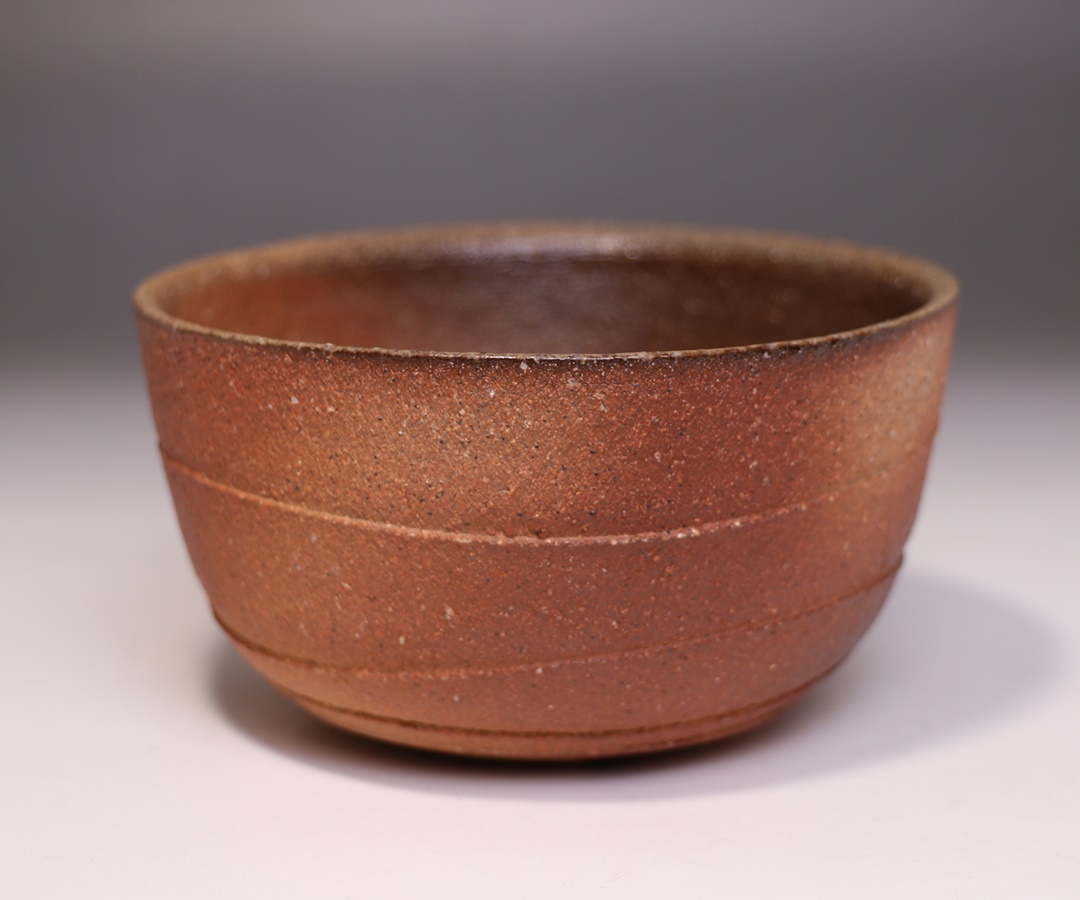
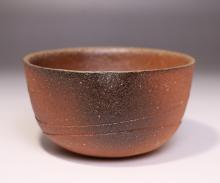
size : W11.6cm×11.5cm×H6.6cmThis is a newly fired Bizen small bowl by Masao Akiya, who studied under Jun Isezaki, the fifth Living National Treasure of Bizen ware, and creates highly original works with a fresh and distinctive spirit.
This is one of his latest works, newly fired in February 2026.
This small bowl is especially appealing for its splendid fire pattern created through the traditional Anagama firing of the Isezaki lineage. Against a base of amber and reddish-brown clay tones, beautiful Tobi-Goma and Hidasuki appear across the surface.
It vividly shows one of the defining characteristics of Anagama firing, in which the flames rush powerfully through the kiln toward the back. The rich variety of Goma patterns gives the piece a strikingly different impression depending on the angle from which it is viewed.
In the center of the interior, refractory clay was placed on the bottom during firing to preserve the Hidasuki, adding further pleasure to its use as a vessel.
This is a versatile small bowl that can be used for a wide range of foods, from colorful side dishes, salads, and fruit to sweets and ice cream.
1 / 14 page NEXT LAST