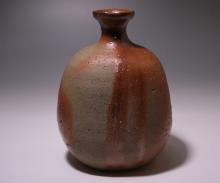
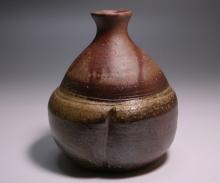
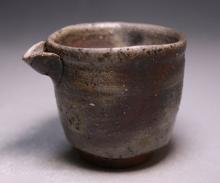
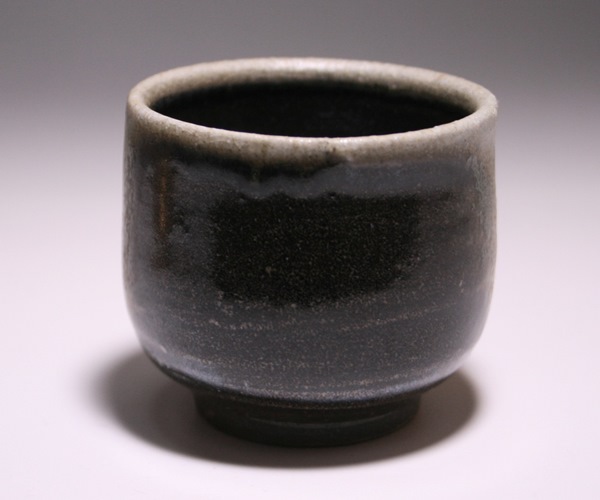
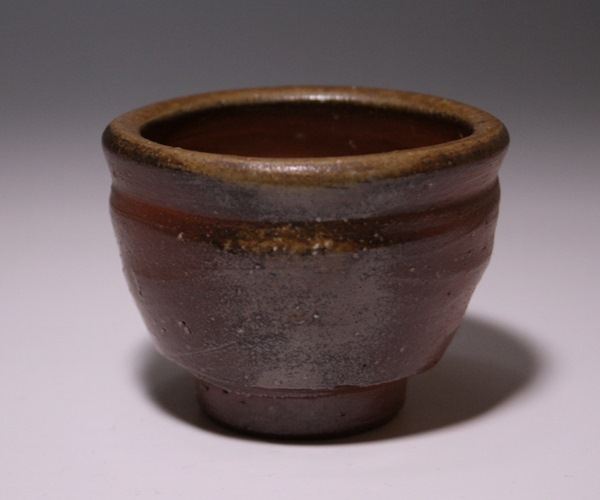
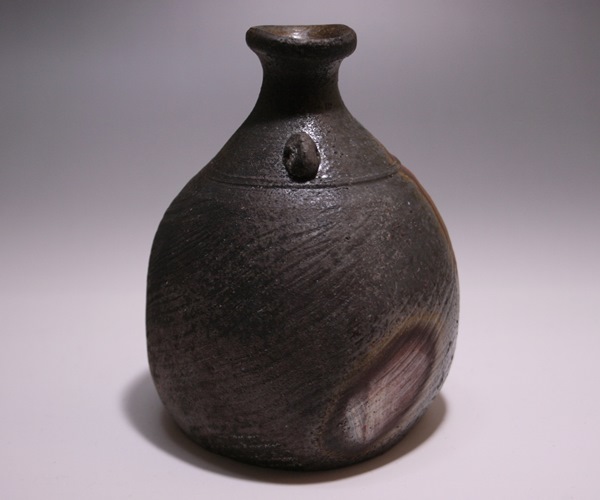
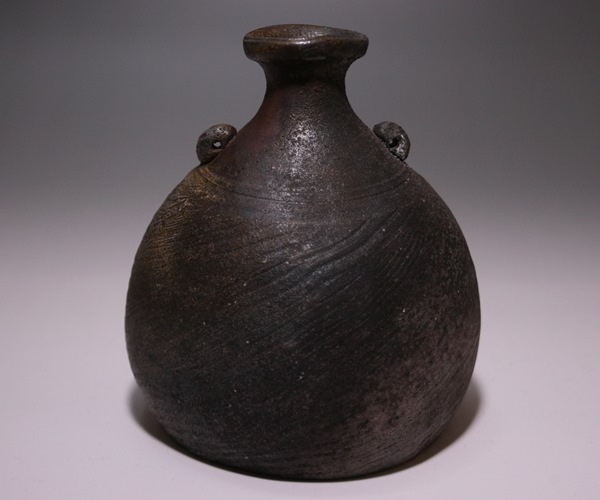
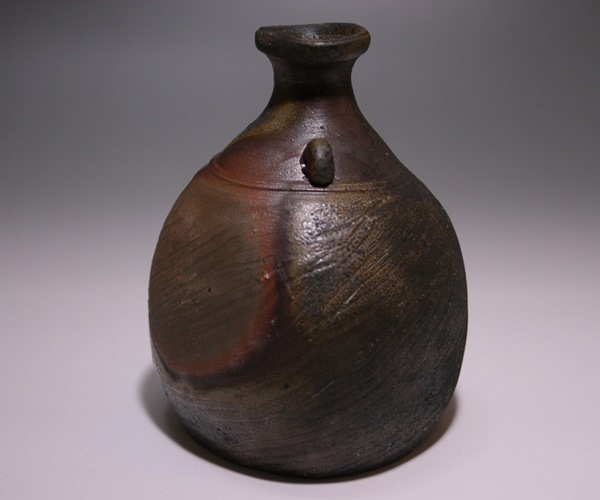
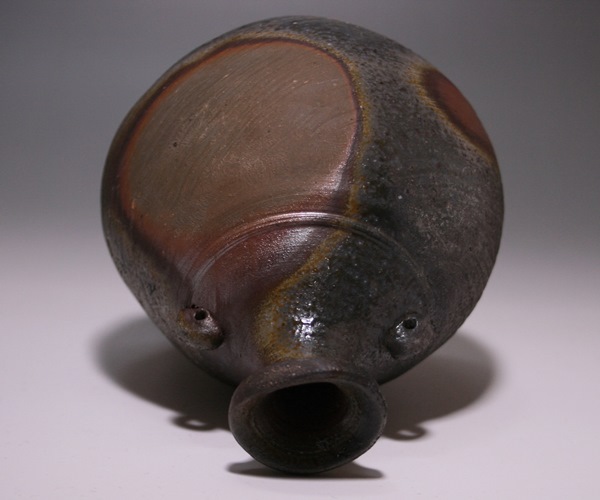
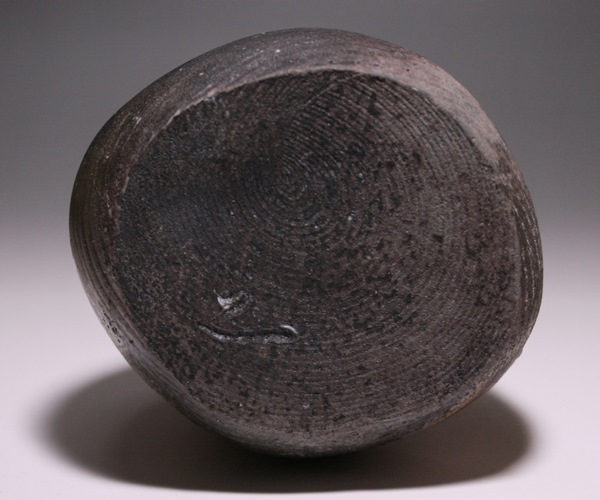
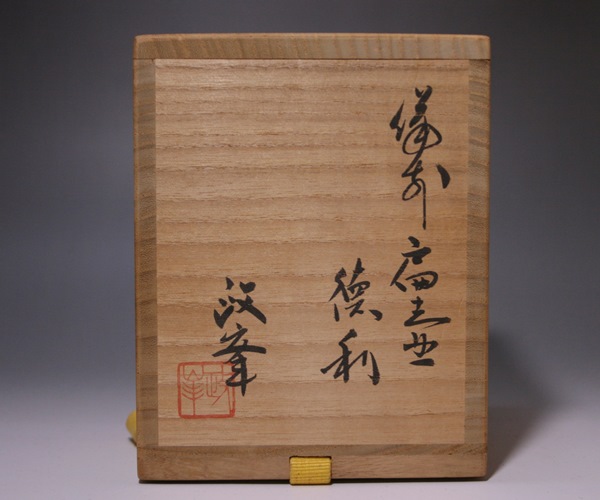
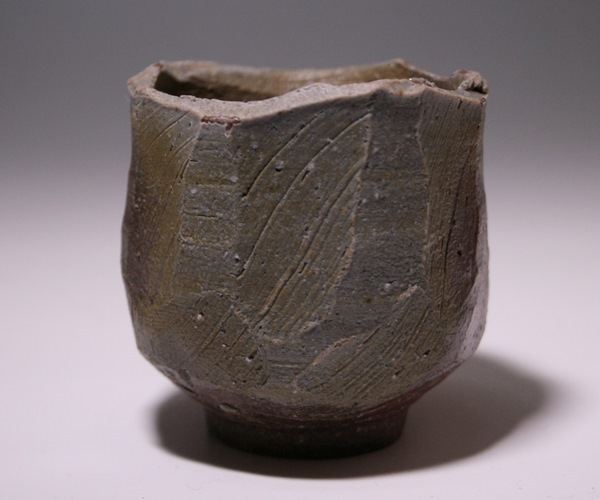
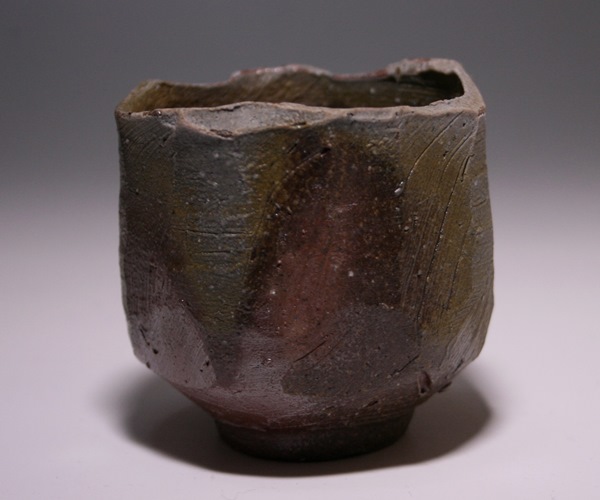
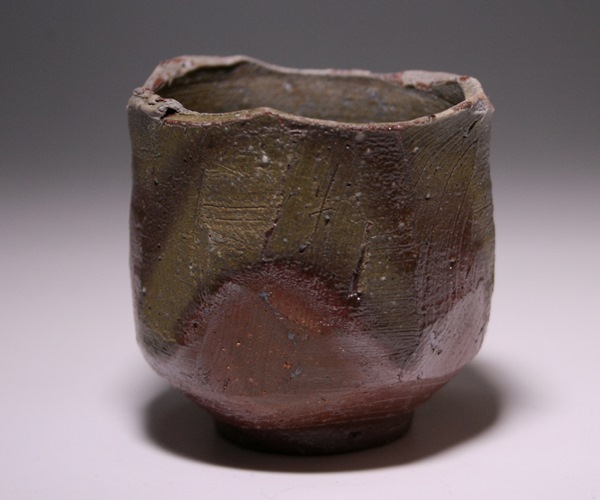
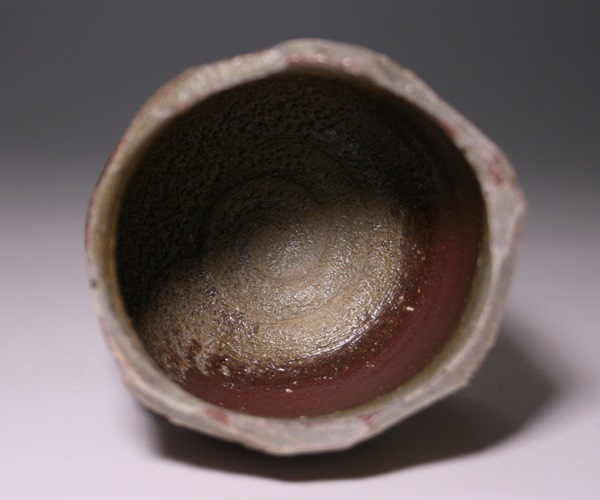
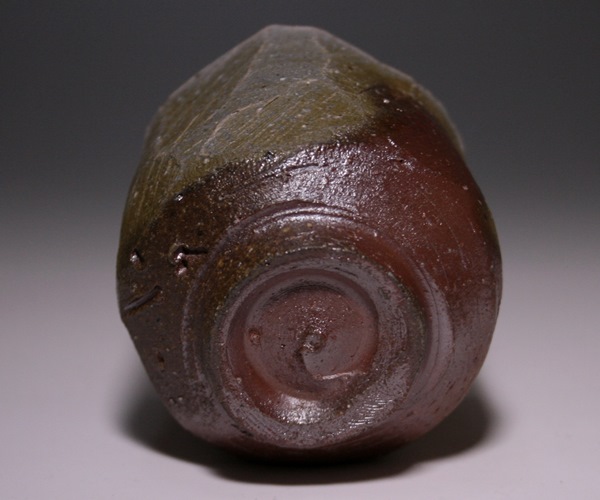
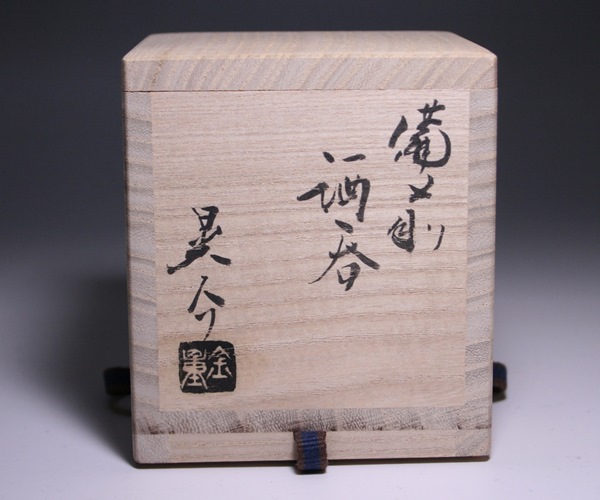
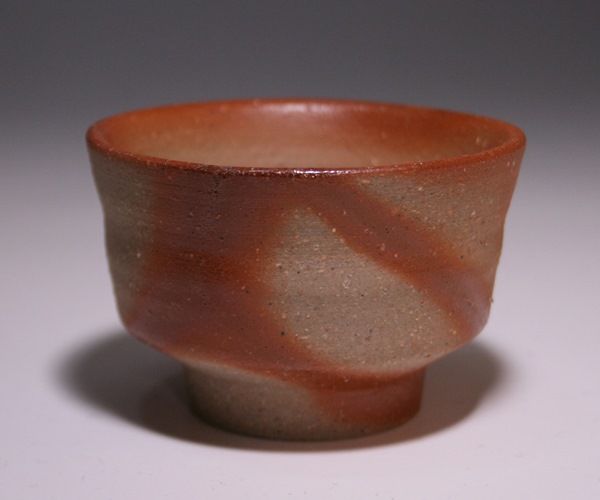
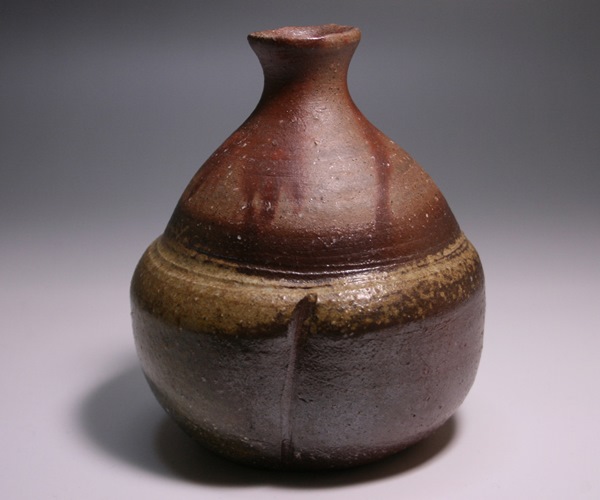
Toyo Kaneshige (1896–1967) was born in Imbe, Bizen City, as the eldest son of Baiyo Kaneshige, the head of a kiln belonging to a branch of the Kaneshige family, one of the six traditional kiln families of Bizen ware.
He began making pottery under the guidance of his father and gained recognition for his hand-built hohin teapots.
From the Taisho period through the early Showa period, Kaneshige devoted himself to researching kiln loading, firing methods, traditional clay preparation, and other aspects of Bizen ware. In 1930, he succeeded in recreating the distinctive clay character of Momoyama-period Bizen ware. From around 1932, he began producing works on the potter’s wheel and also devoted considerable effort to creating tea wares.
He formed close friendships with Handeishi Kawakita, Toyozo Arakawa, and Kyusetsu Miwa. After World War II, he was also influenced by Rosanjin Kitaoji and Isamu Noguchi, further broadening the scope of his artistic expression.
Kaneshige brought new vitality to Bizen ware, which had declined from the Edo period through the Meiji era. In recognition of this achievement, he is often referred to as the “father of the revival of Bizen ware.”
In 1954, he was designated a Holder of an Important Intangible Cultural Property by Okayama Prefecture. In 1956, he became the first Bizen ware artist to be designated a national Holder of an Important Intangible Cultural Property, commonly known as a Living National Treasure.
In 1964 and 1966, he was invited to serve as an instructor at the University of Hawaii Summer Session.
In 1967, when Emperor Showa and Empress Kojun visited Bizen, Kaneshige gave a pottery-making demonstration in their presence.
Toyo Kaneshige passed away in 1967.
Major awards and honors include the Chugoku Culture Award, the Sanyo Shimbun Award, the Okayama Prefecture Culture Award, the Medal with Purple Ribbon, and the Order of the Rising Sun, Gold Rays with Rosette.