
Products
| Bizen Sake Bottle & sake Cup | Tea Ceremony Things | Bizen Flower Vase | Bizen Dish & Bowl | Others |
Tea Ceremony Things
66 Items
FIRST PREV 4 / 6 page NEXT LAST
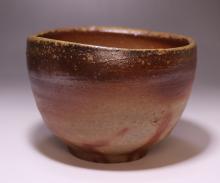


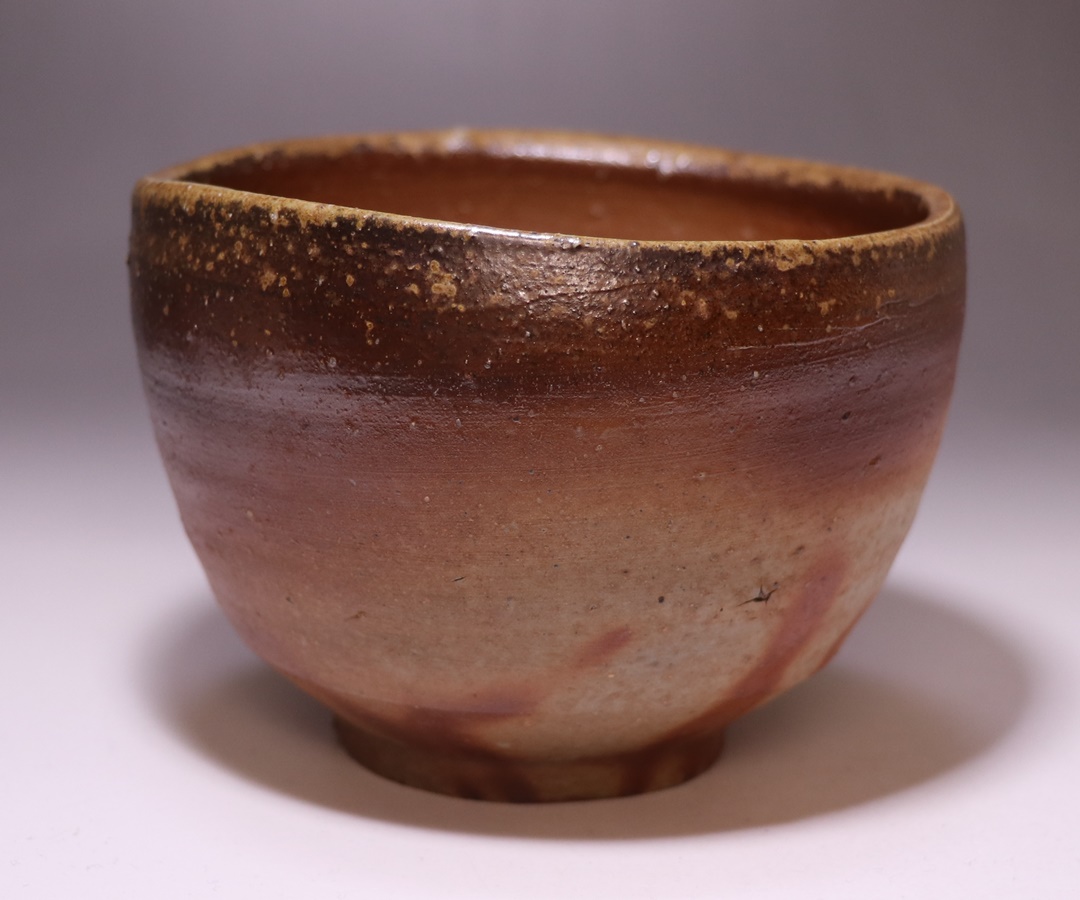
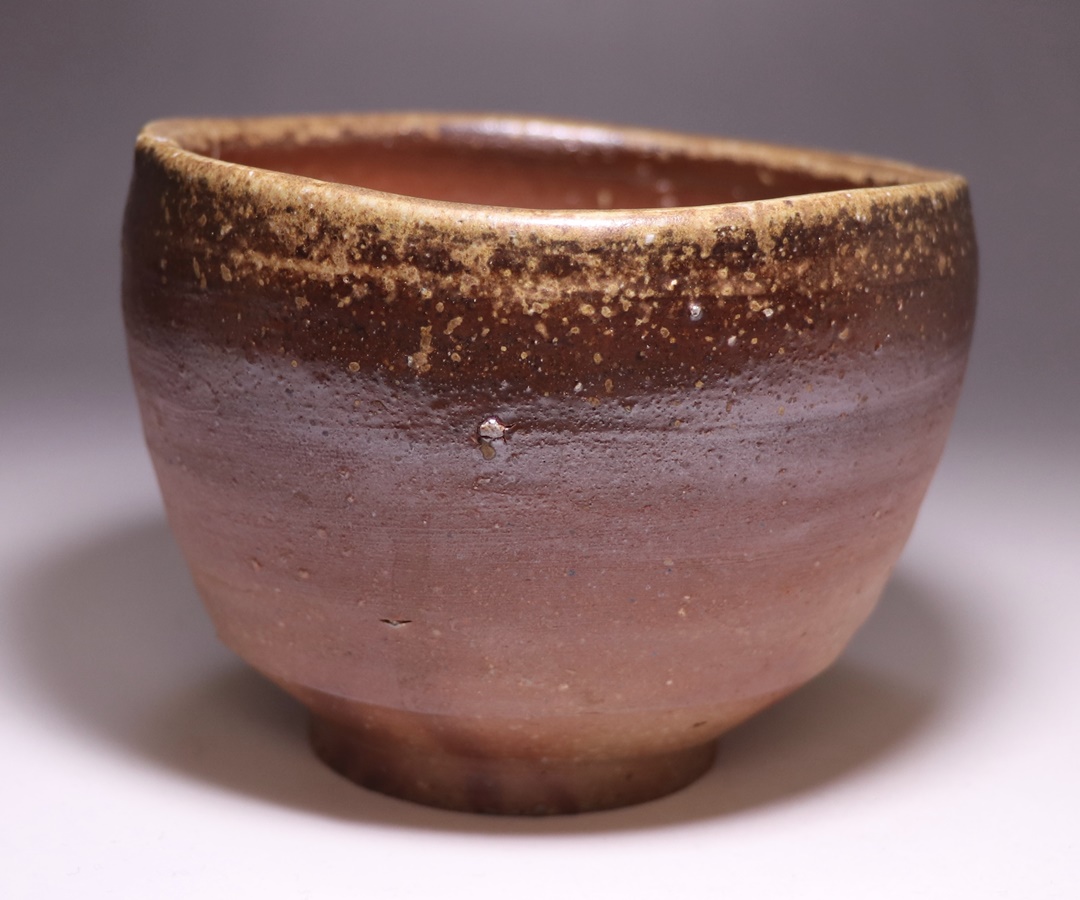
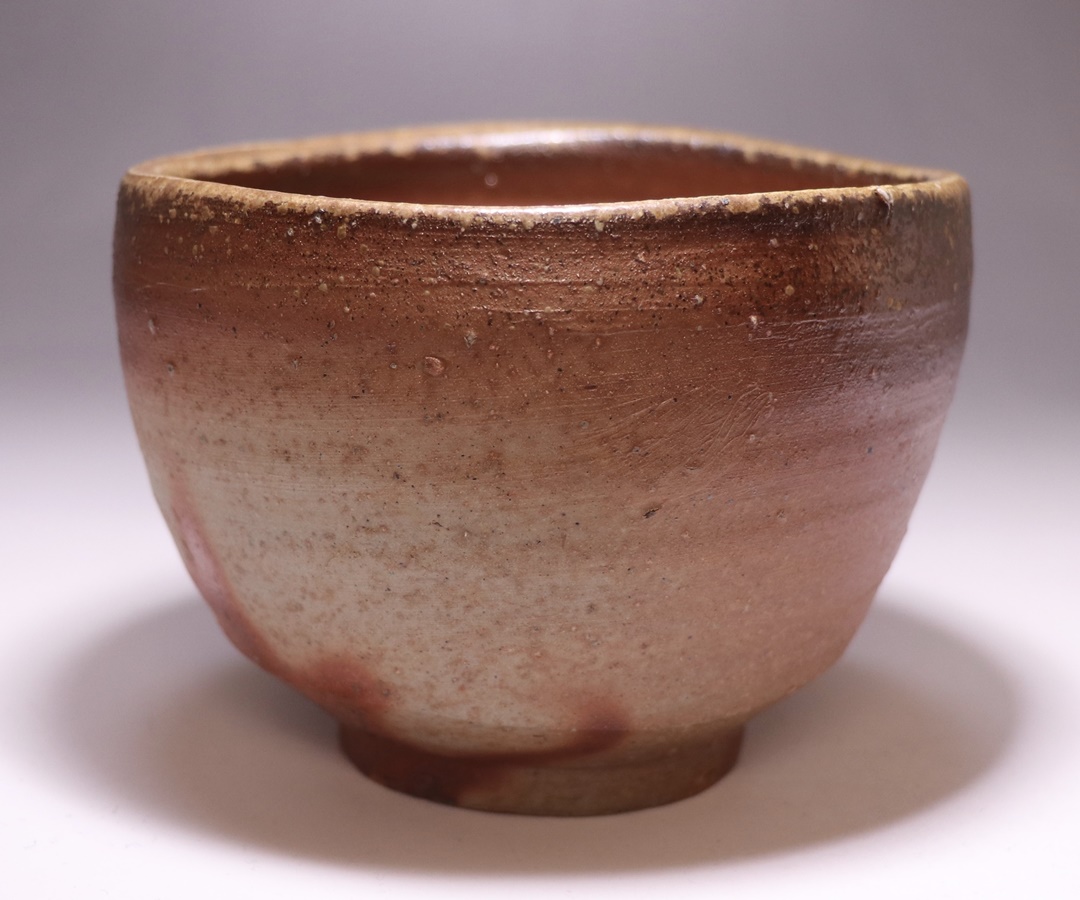
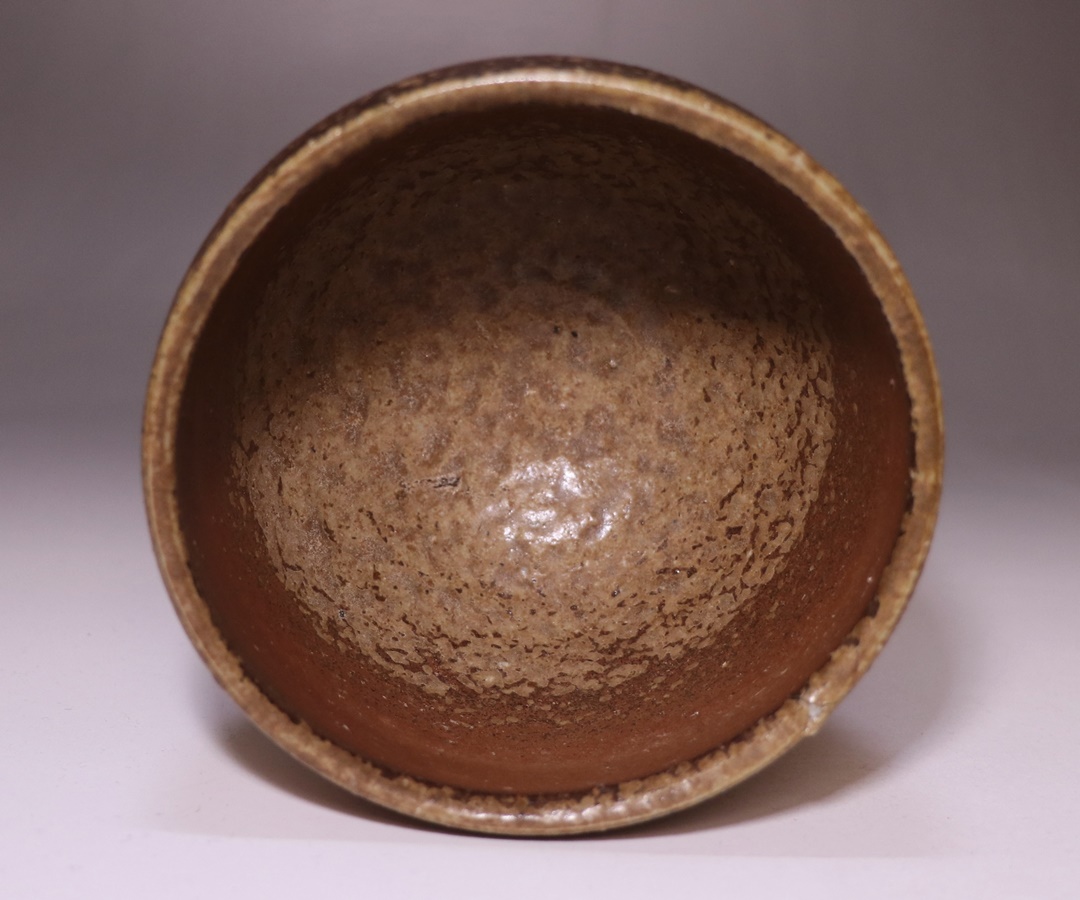
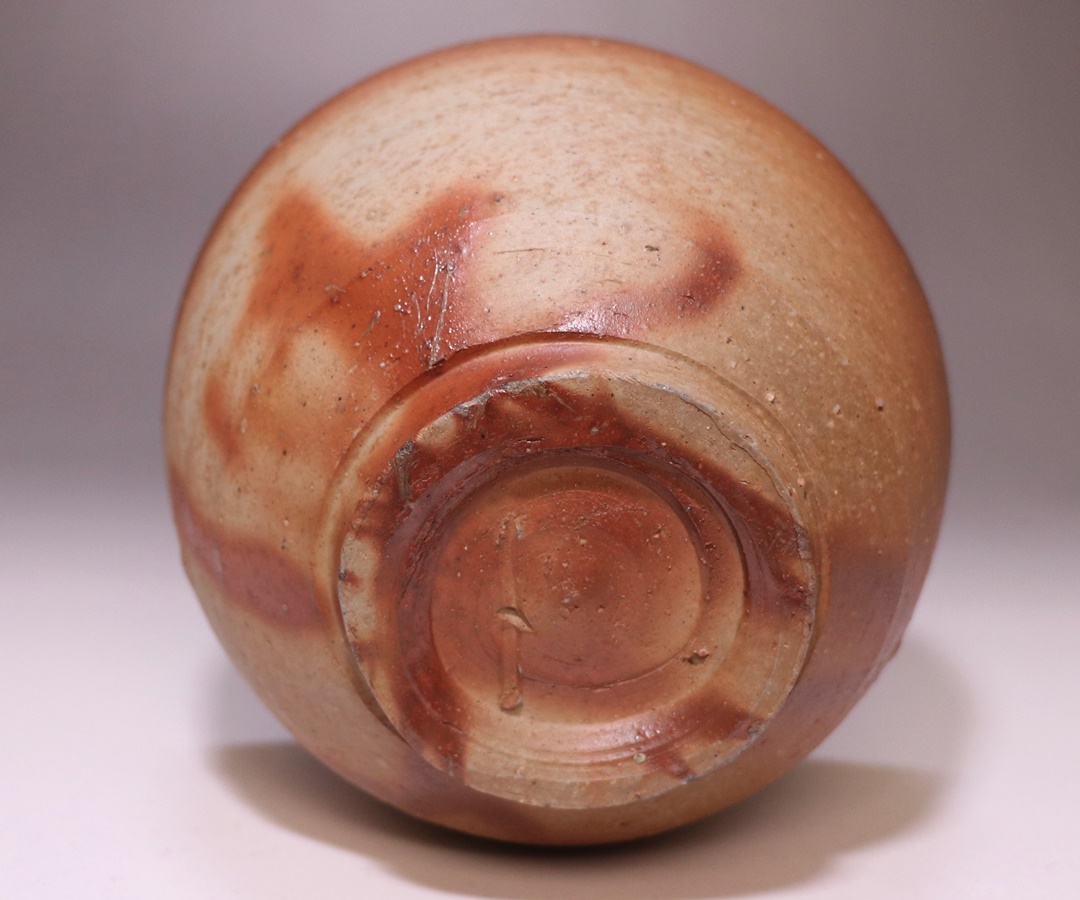
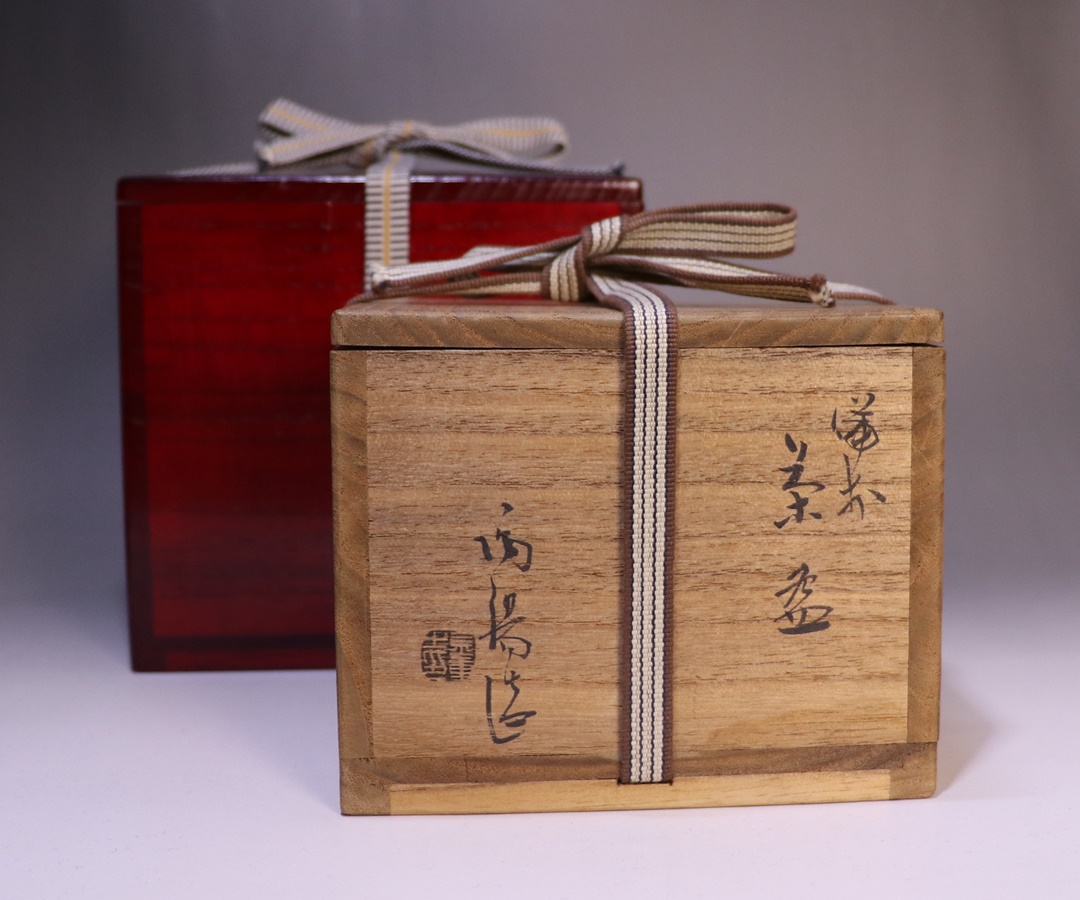
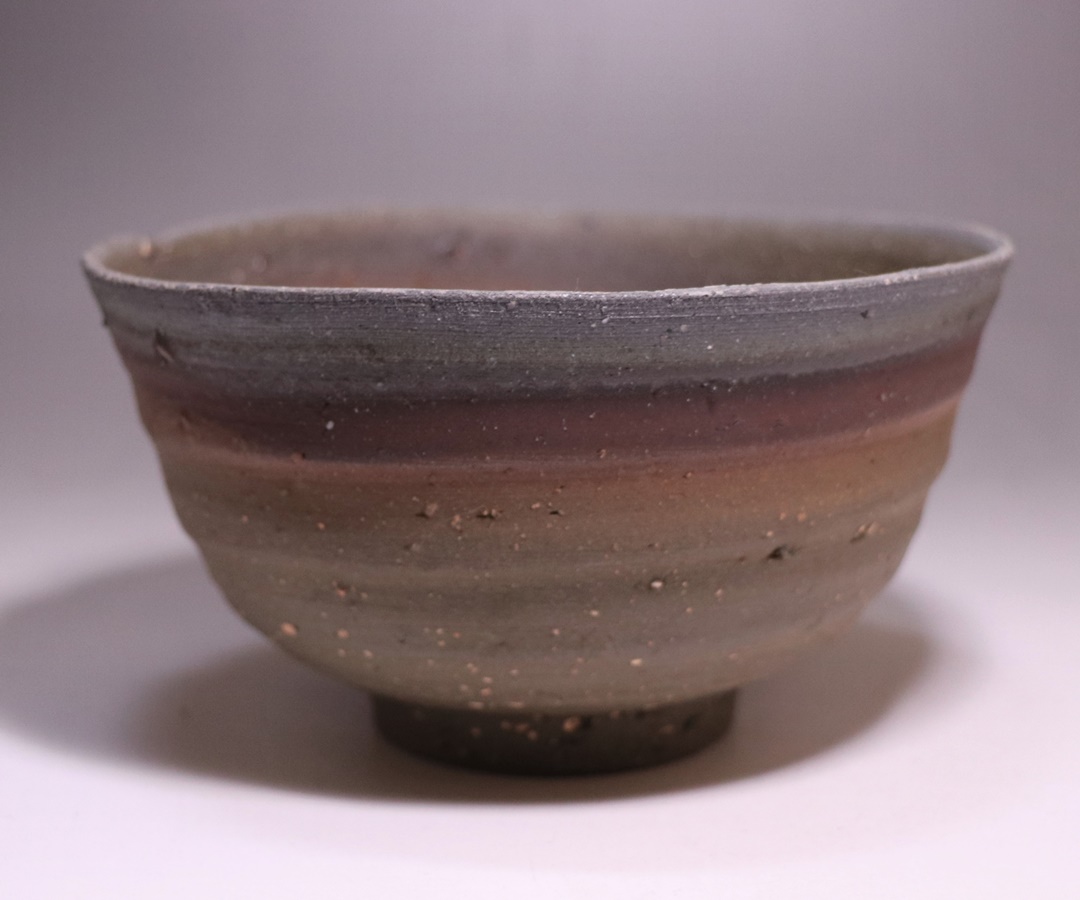
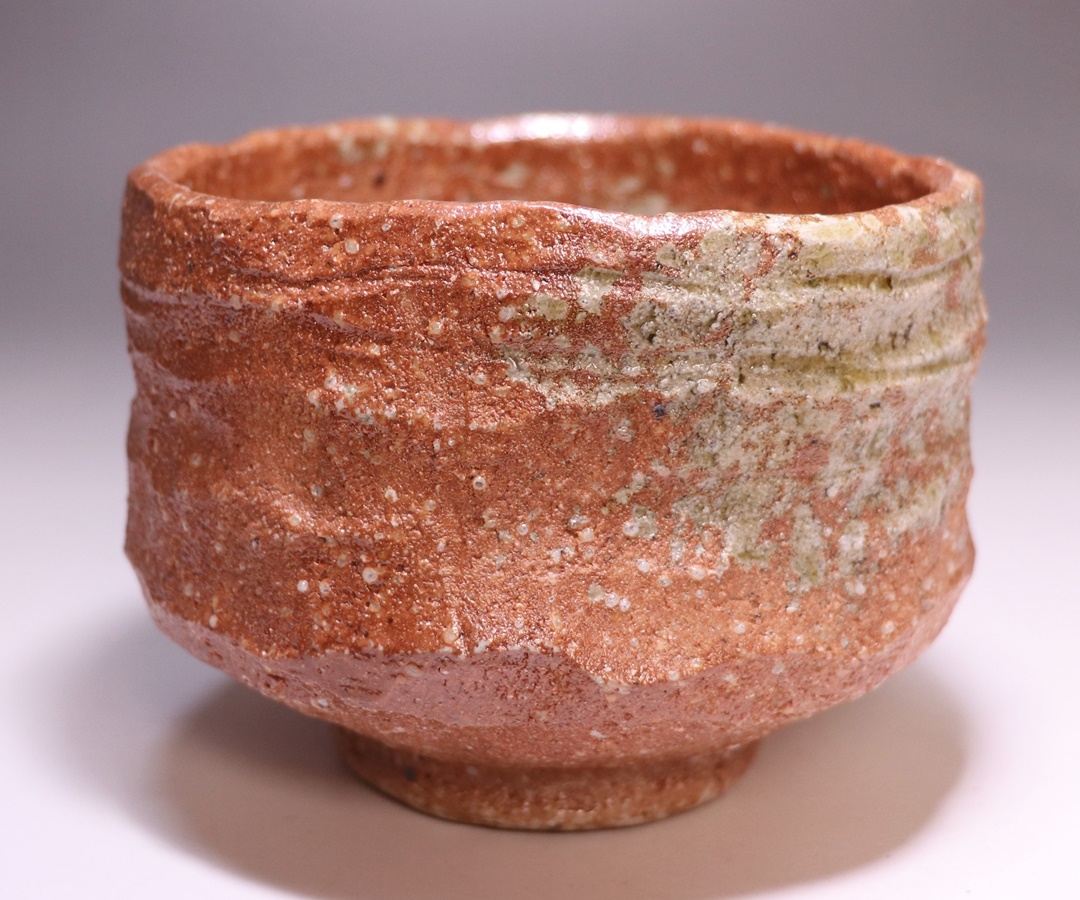
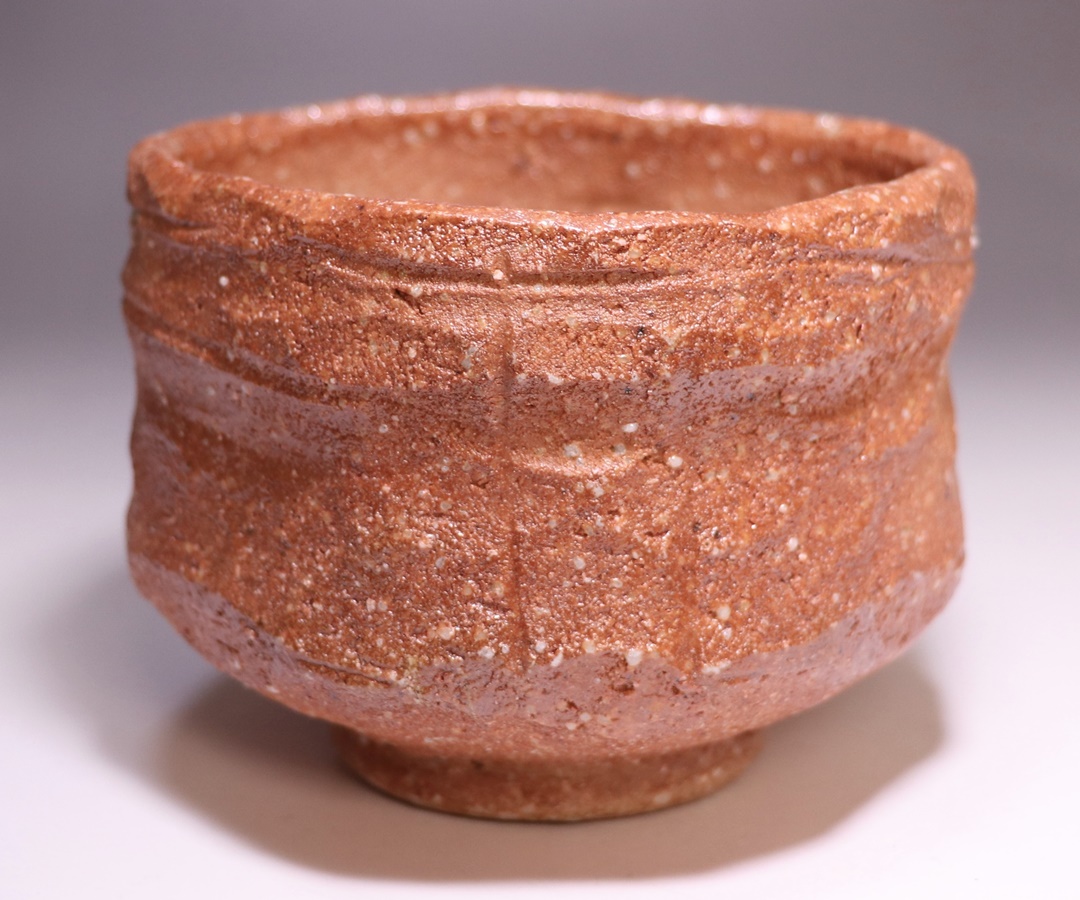
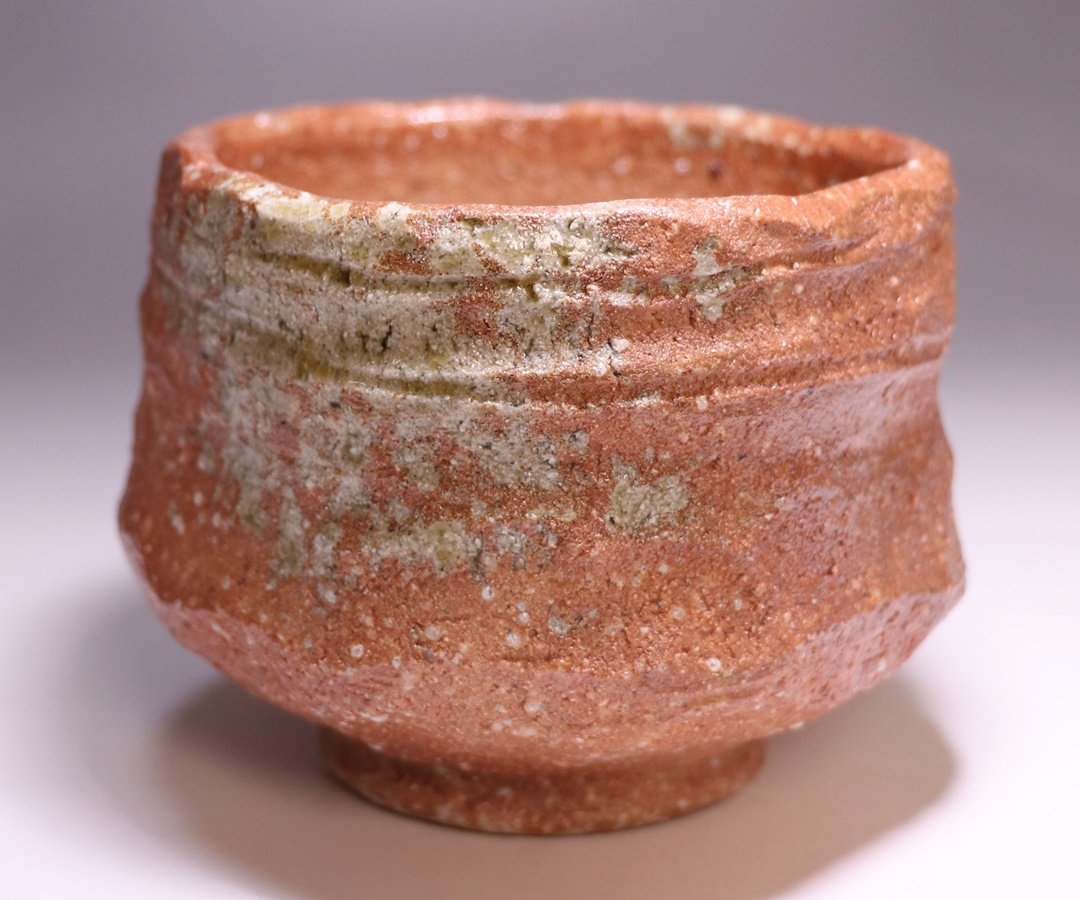
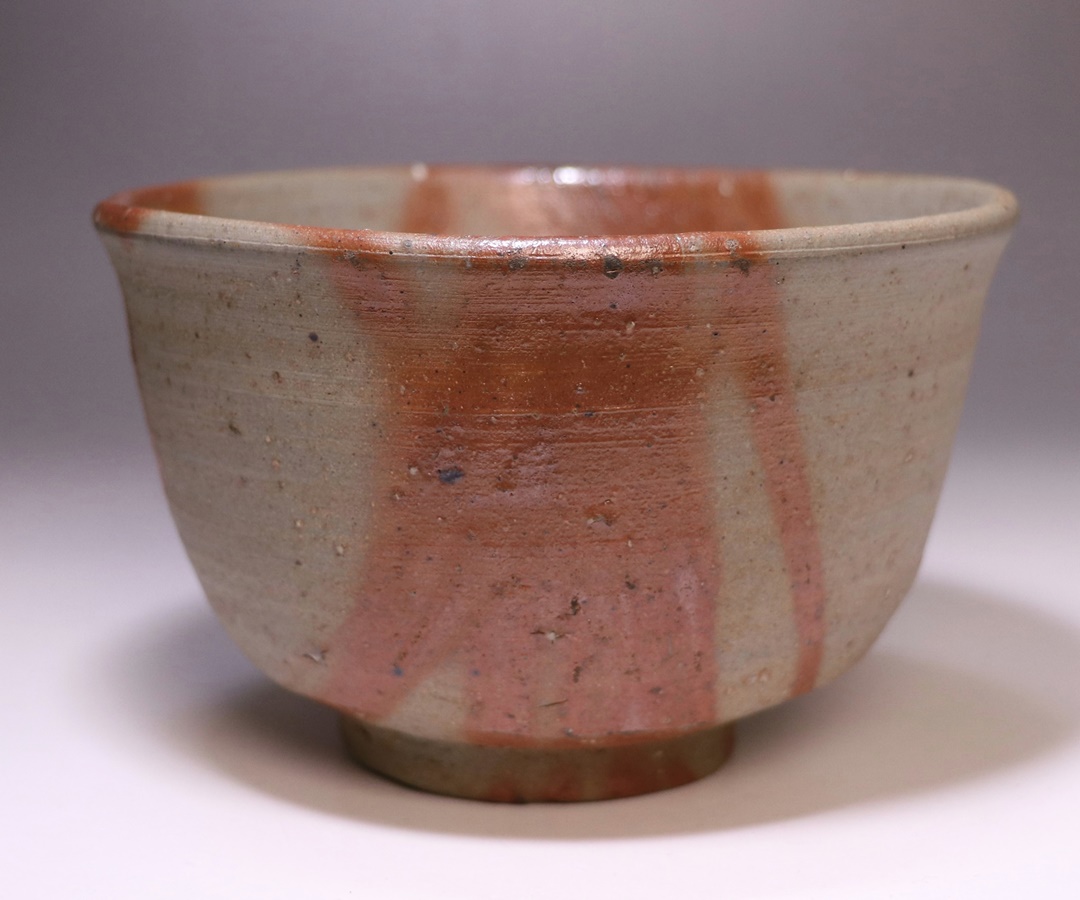
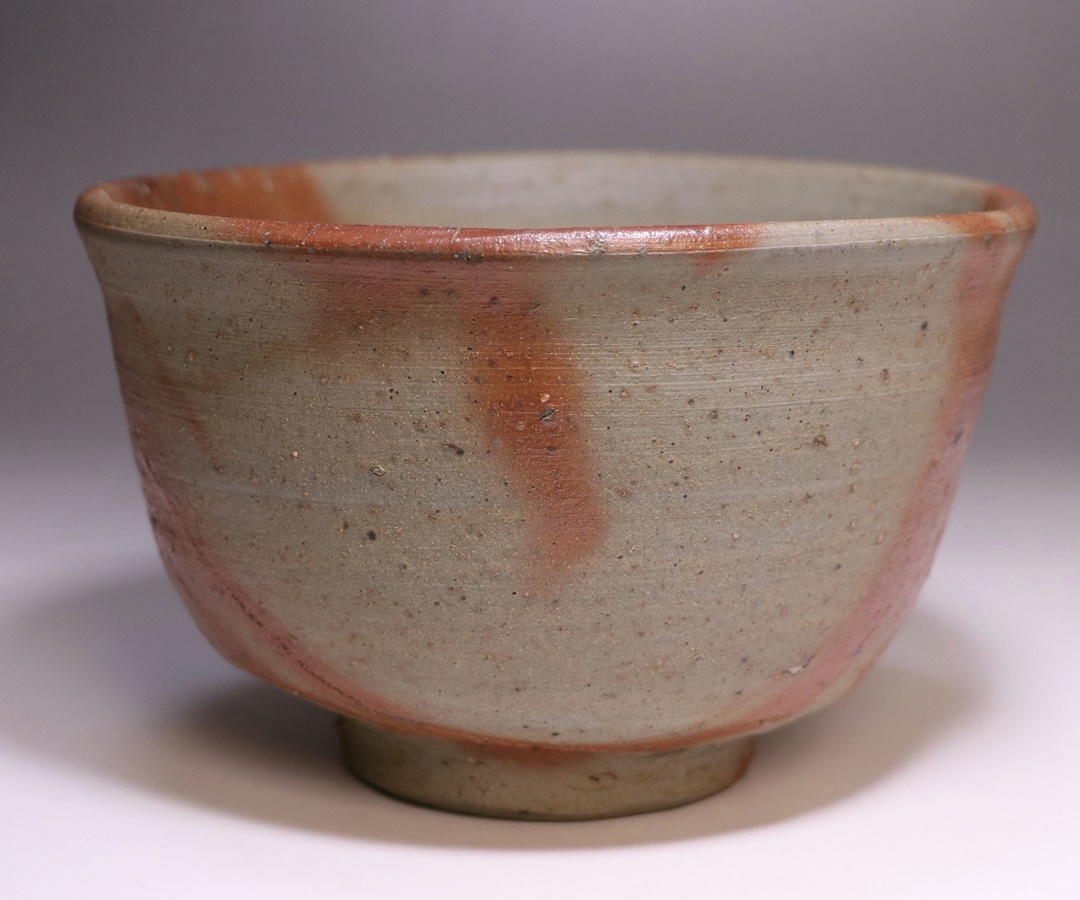
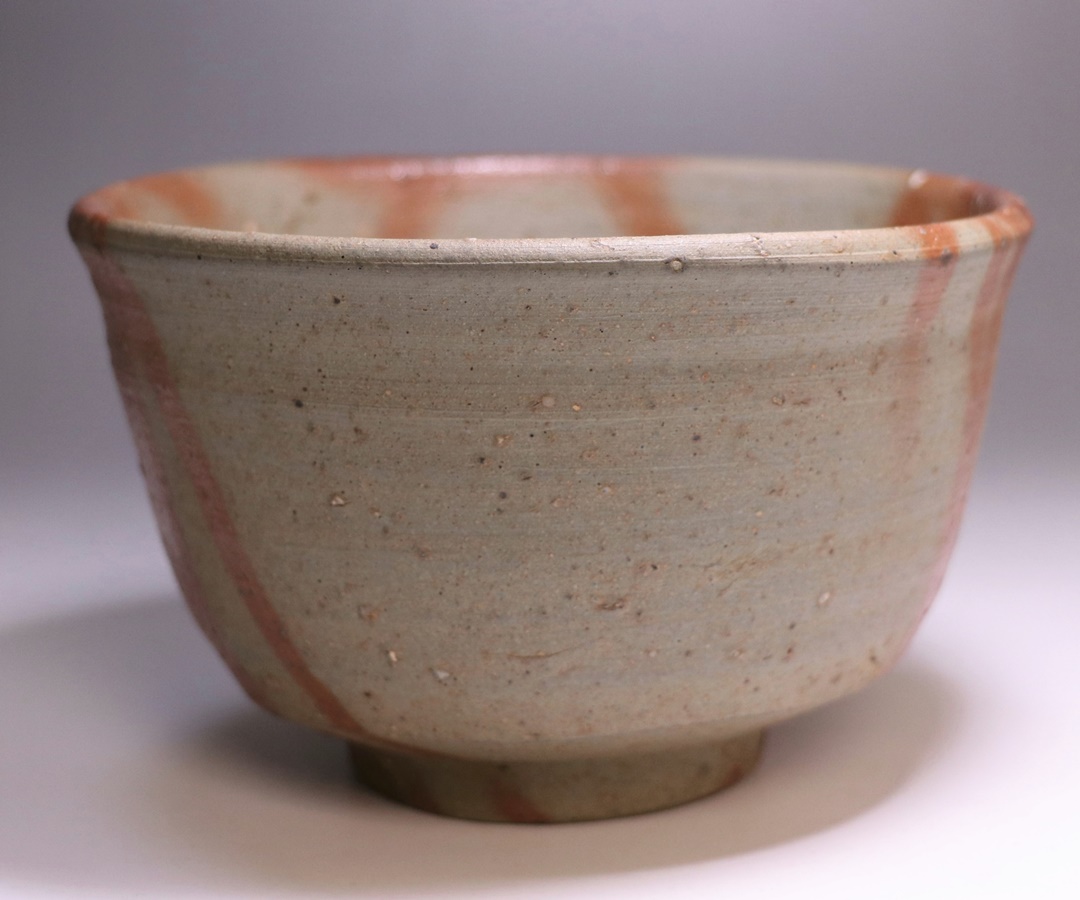
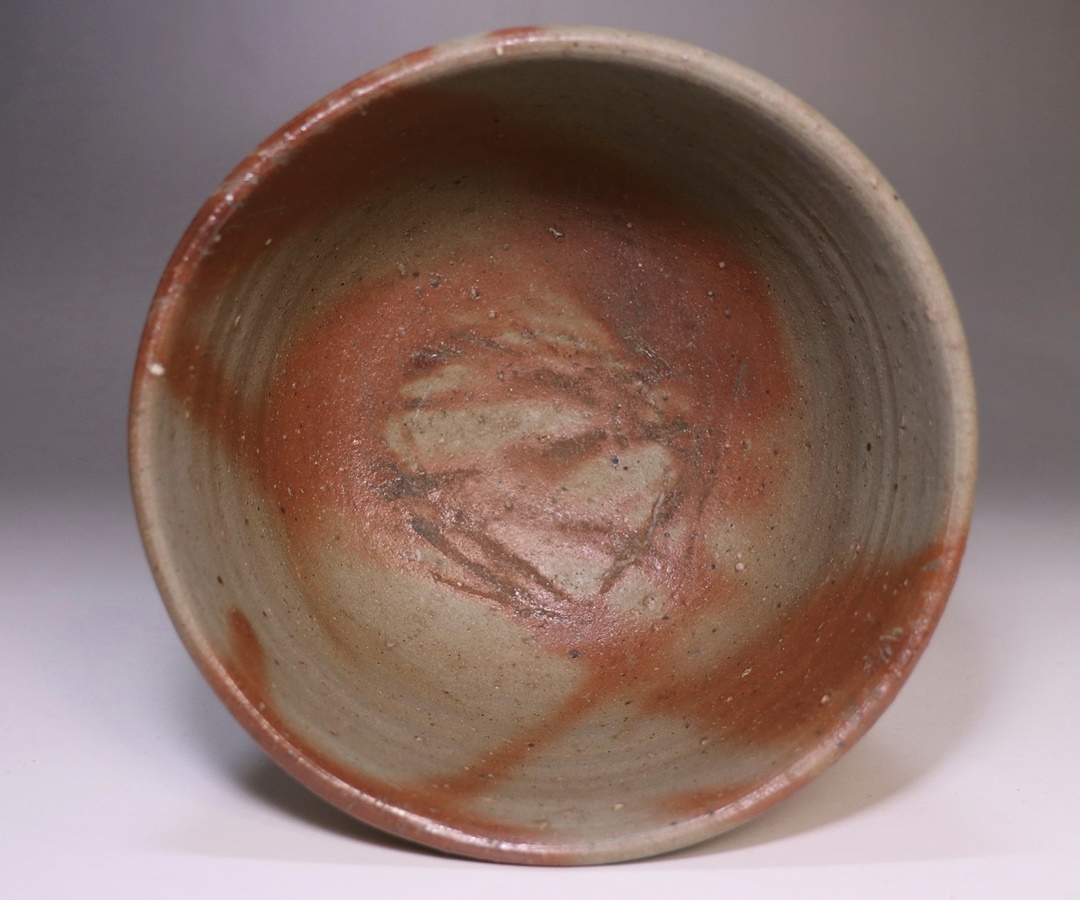
Toyo Kaneshige - Bizen Chawan
700,000 YENSold out
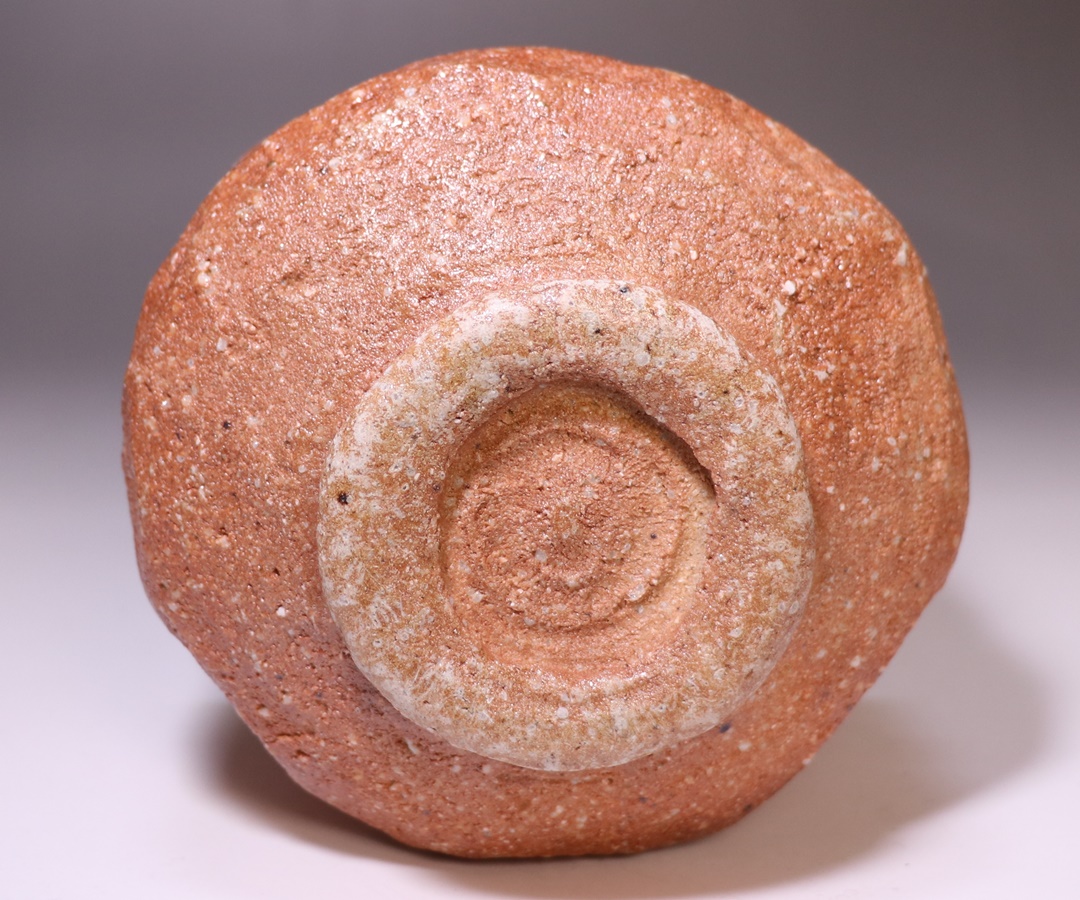
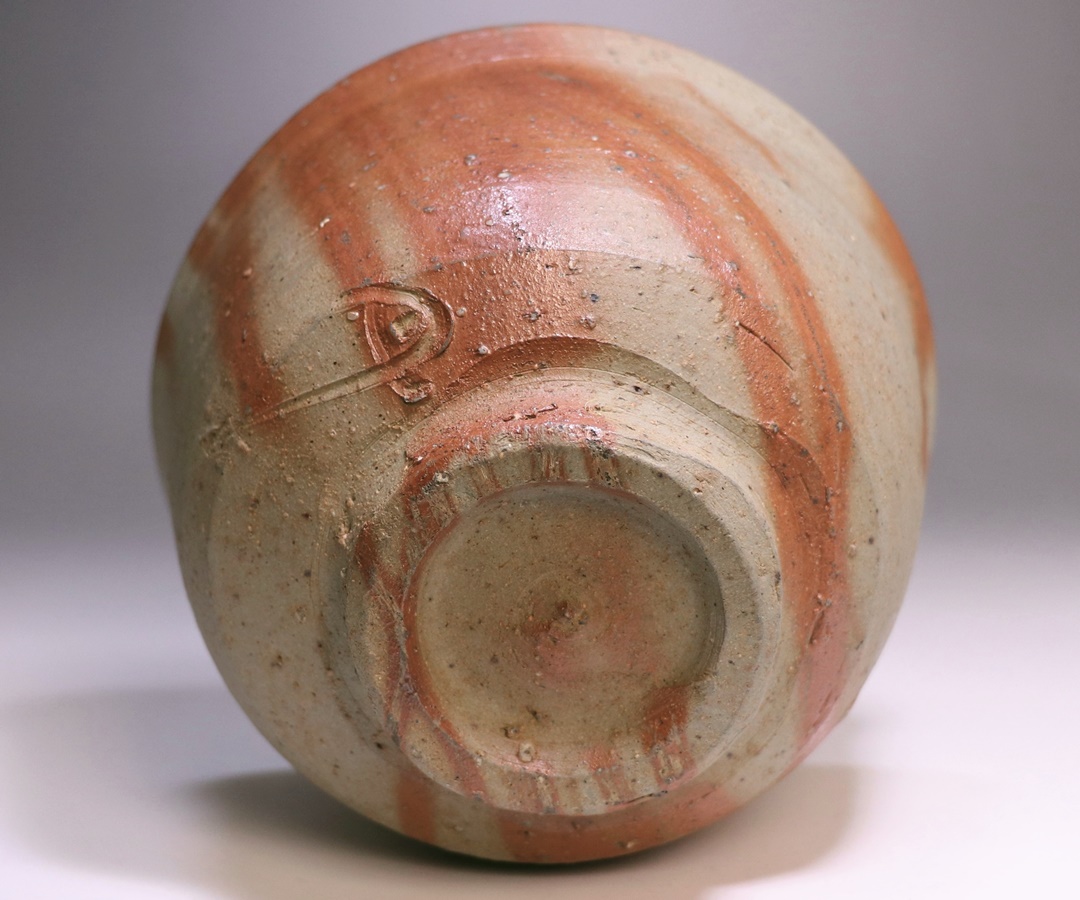
size : W12.2cm×11.8cm×H8.9cmI think this Guinomi was made around 1955, guessing from the shape of the Toyo mark.
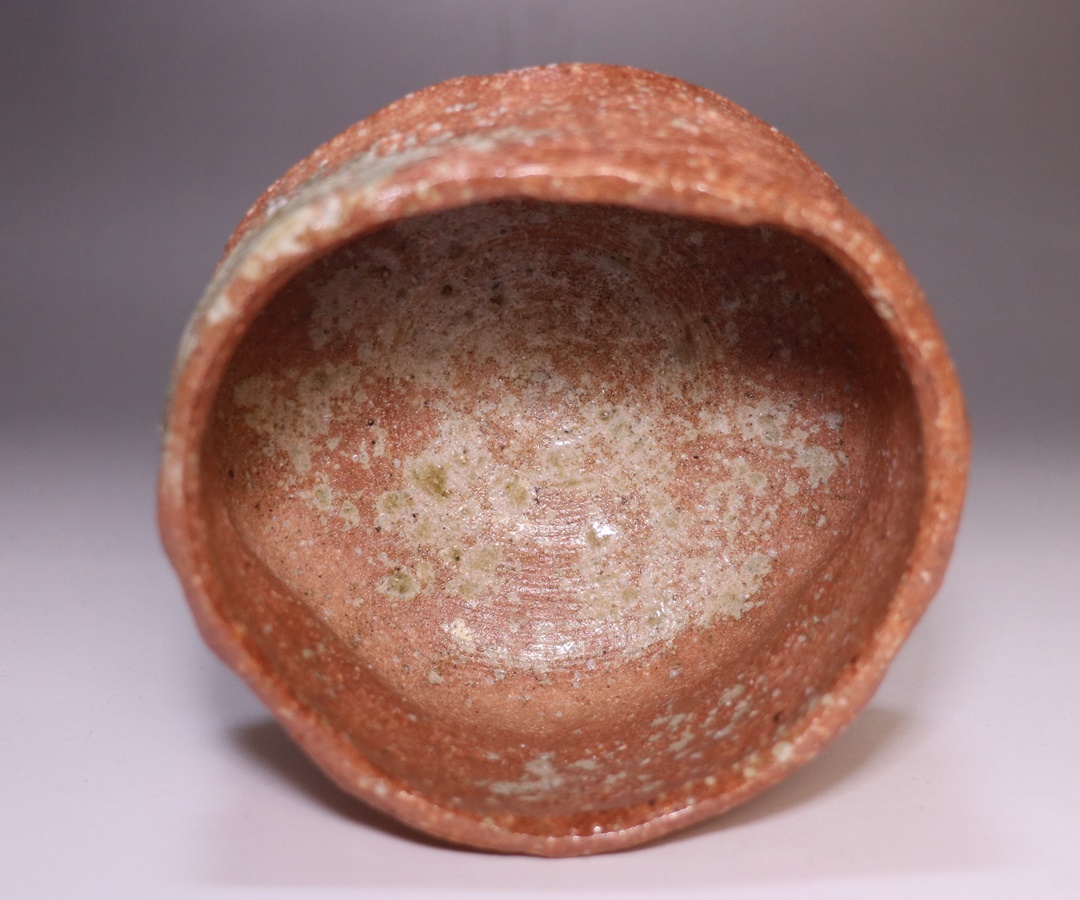
This Chawan is made from fine clay with low iron content.
This Chawan is based on a white clay color and has changed to amber or scarlet due to the effect of fire.
The large and powerful design is full of confidence.
This is a Wan nari style chawan with relaxed curves.
However, the Koudai part is very speedy and powerful cutting can be seen.
Gentle curves and powerful cutting are inextricably linked, creating a stature to this Chawan.
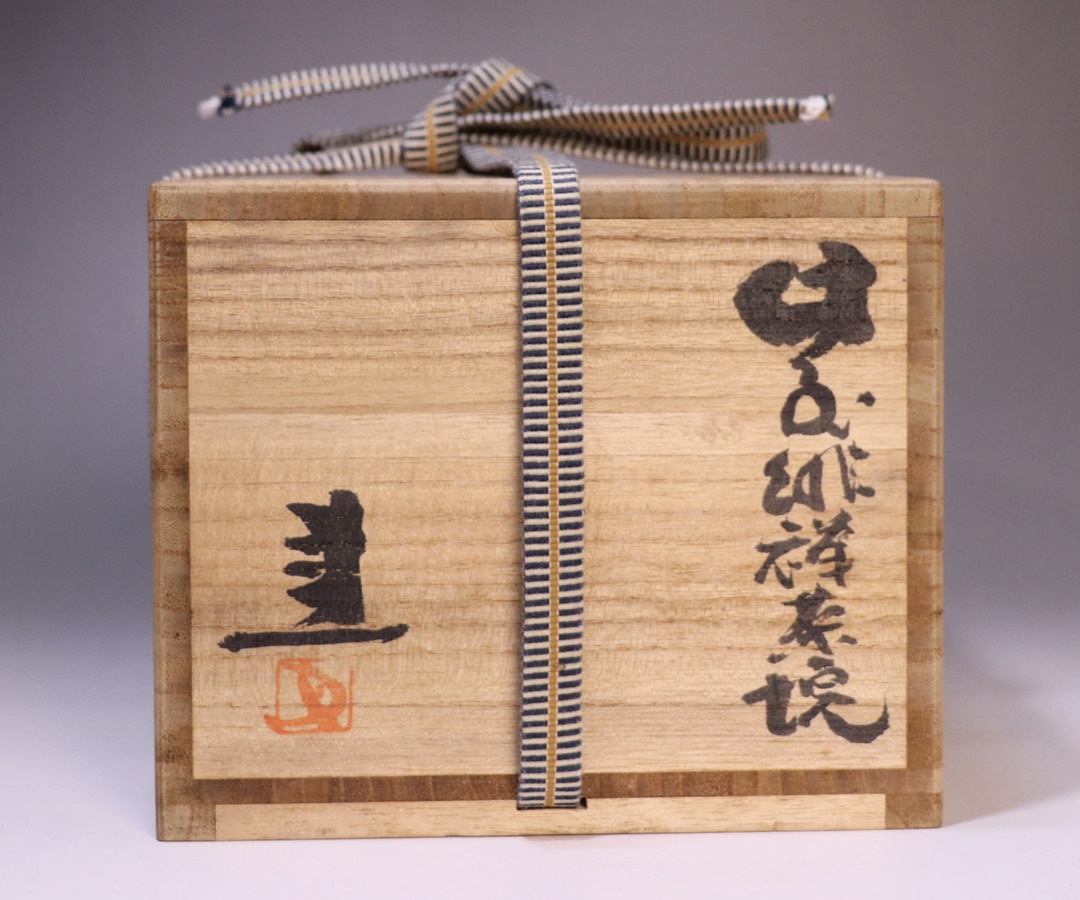
This Chawan comes with a certificate of authenticity from his third son, Kousuke Kaneshige.
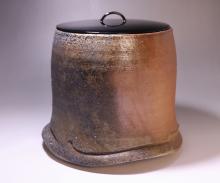


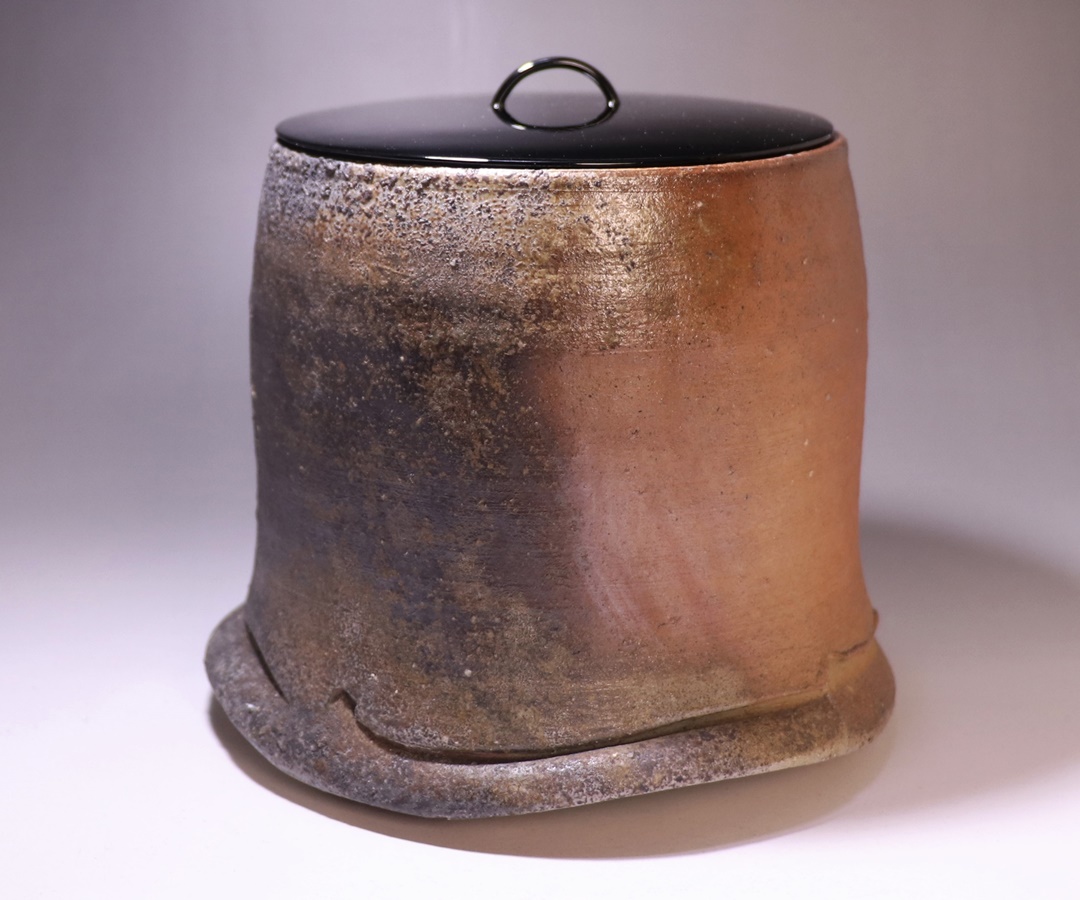
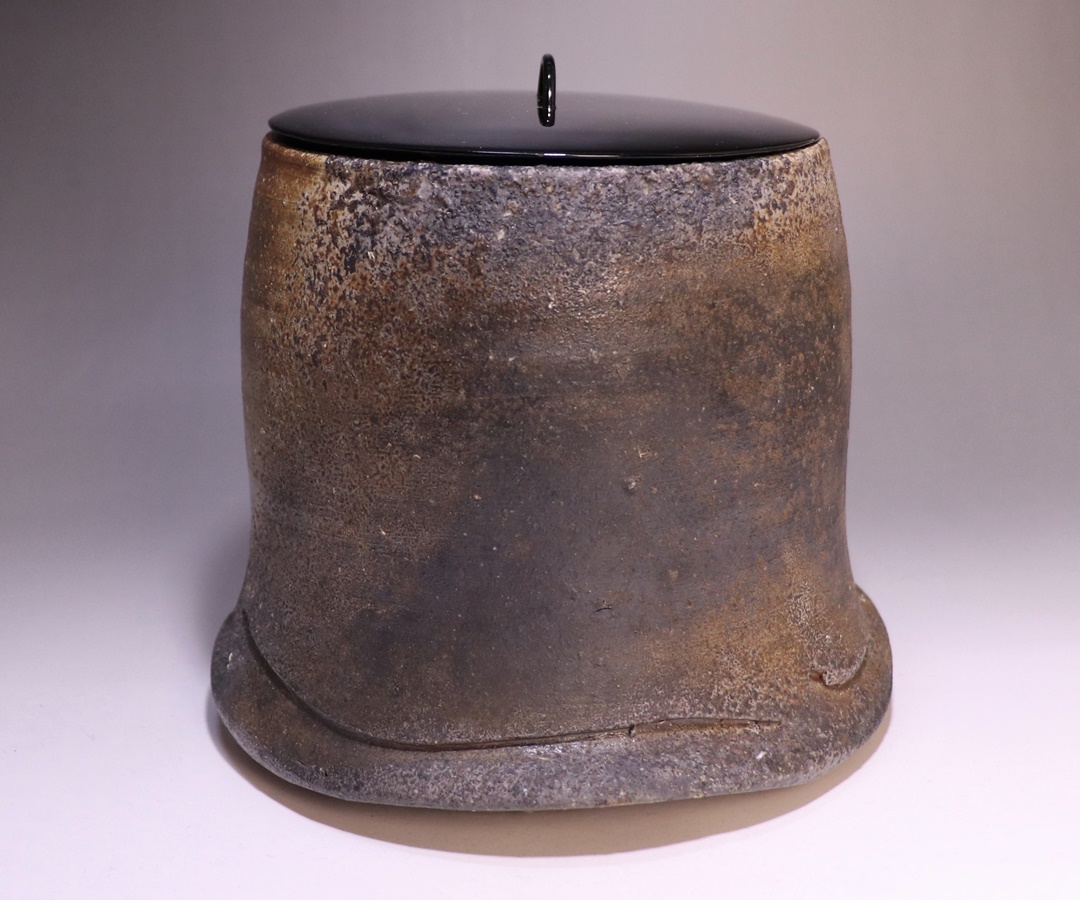
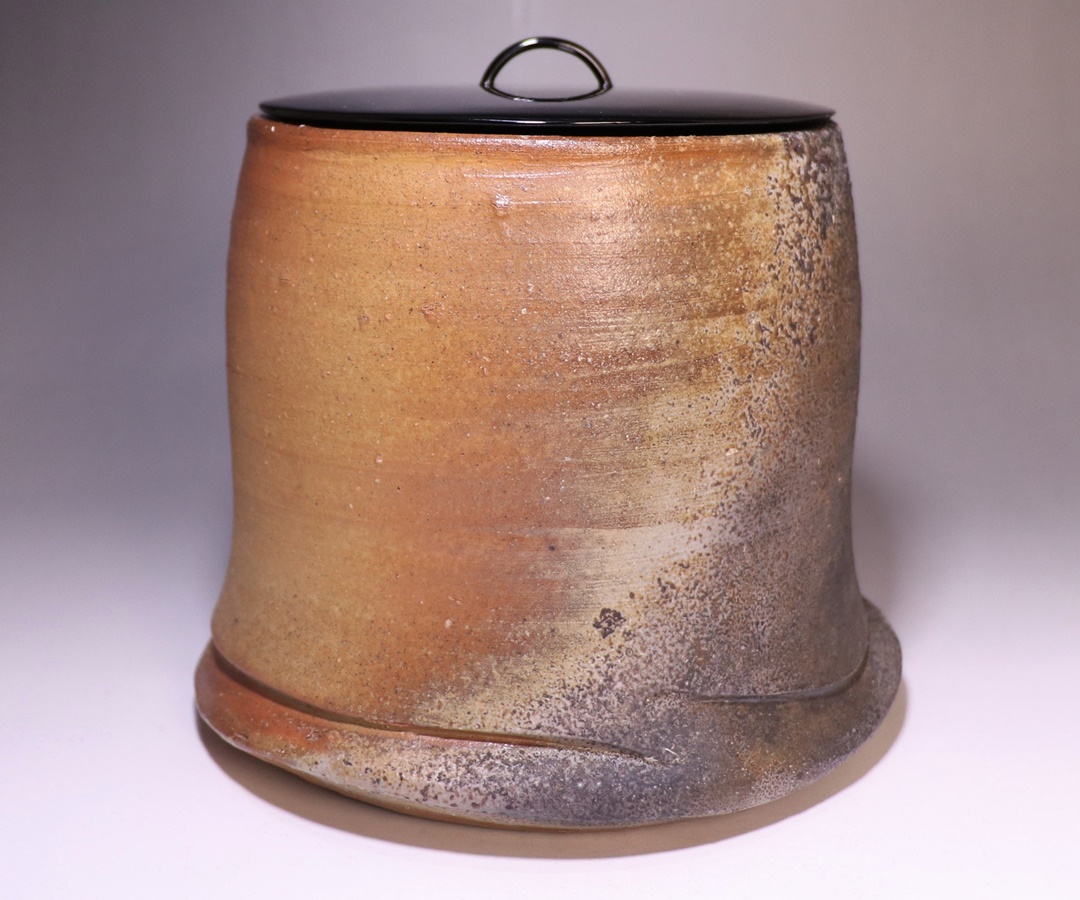
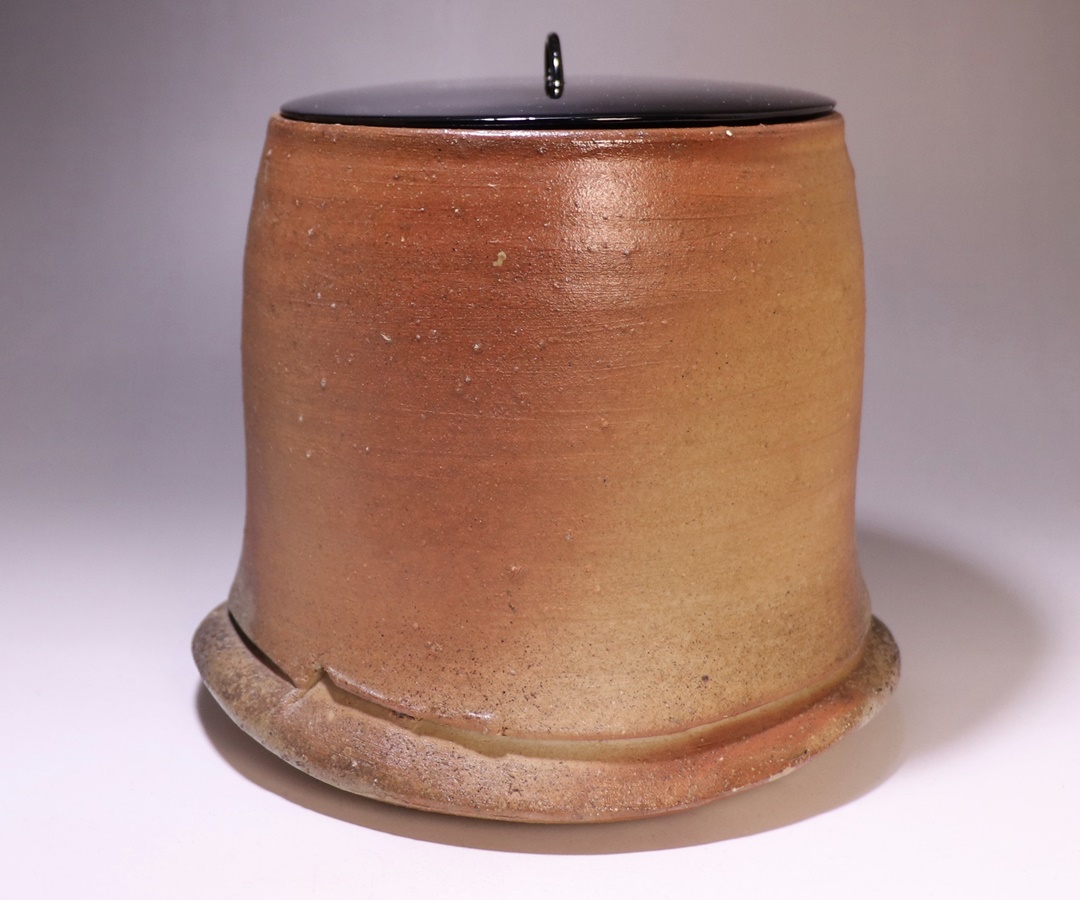
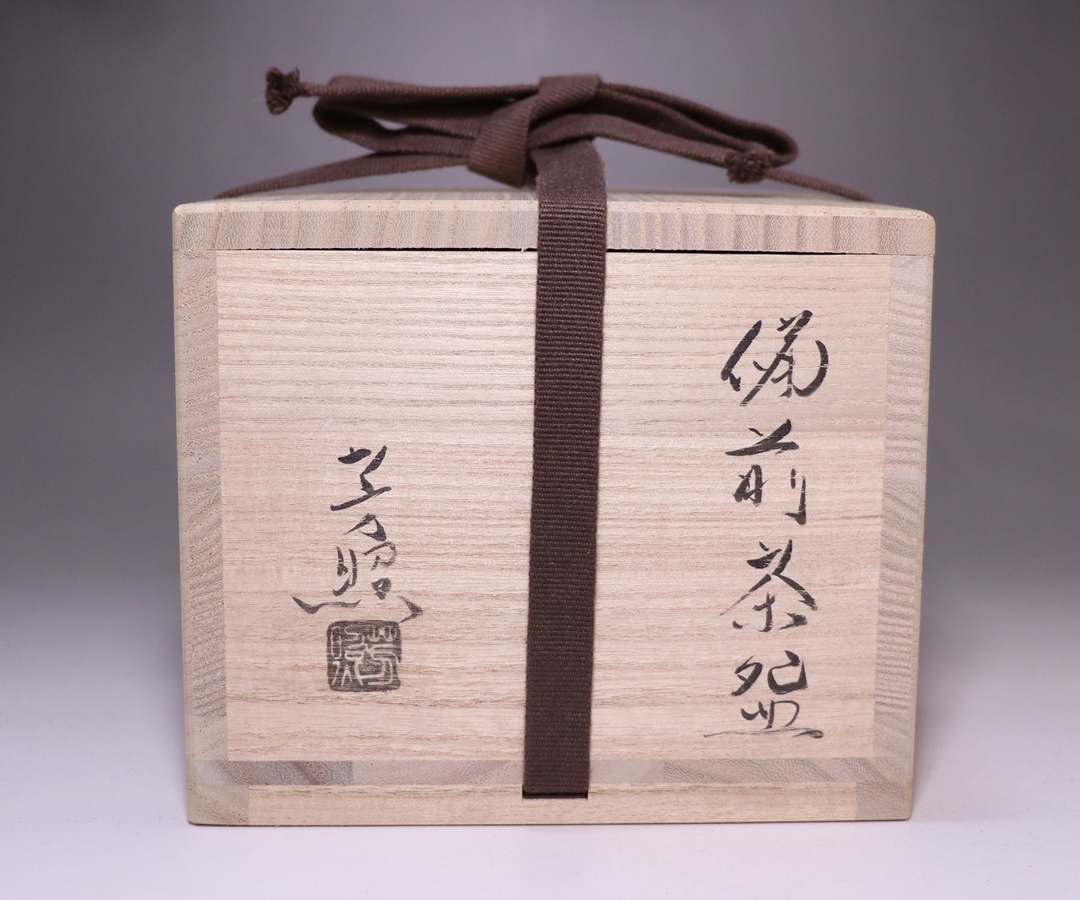
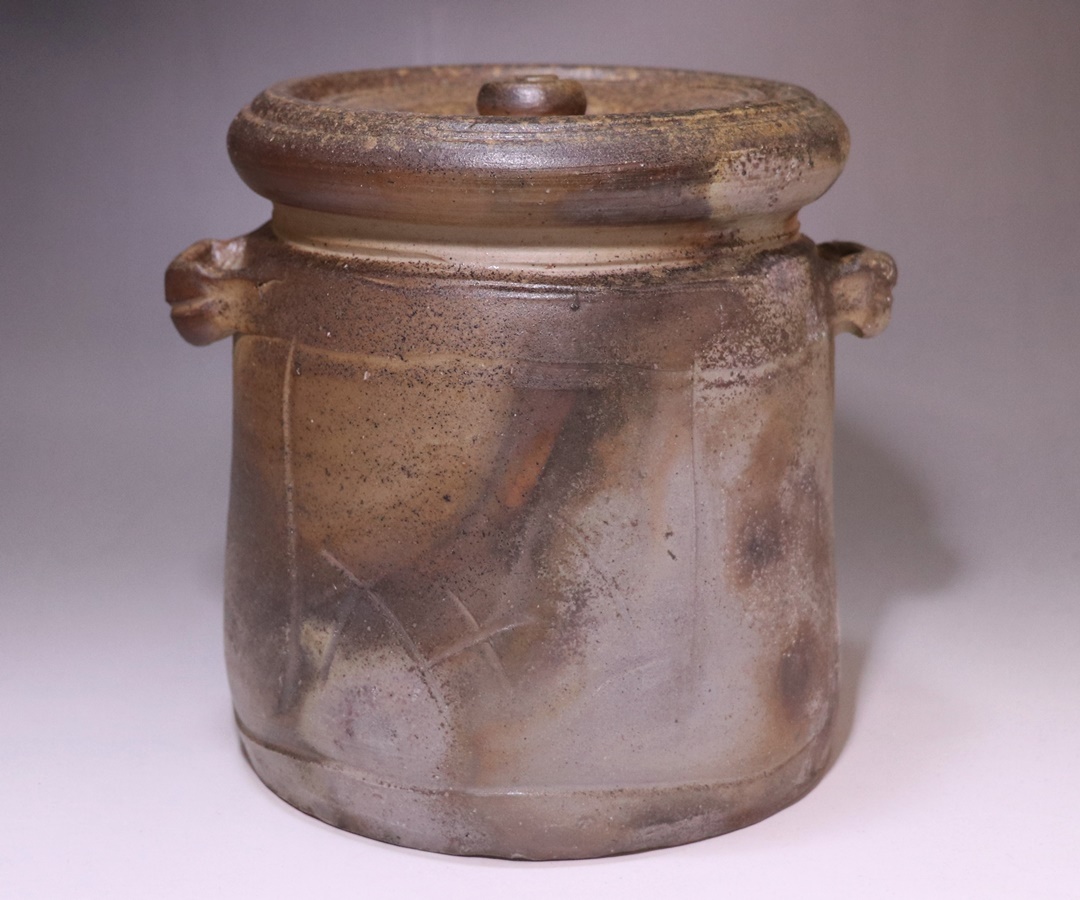
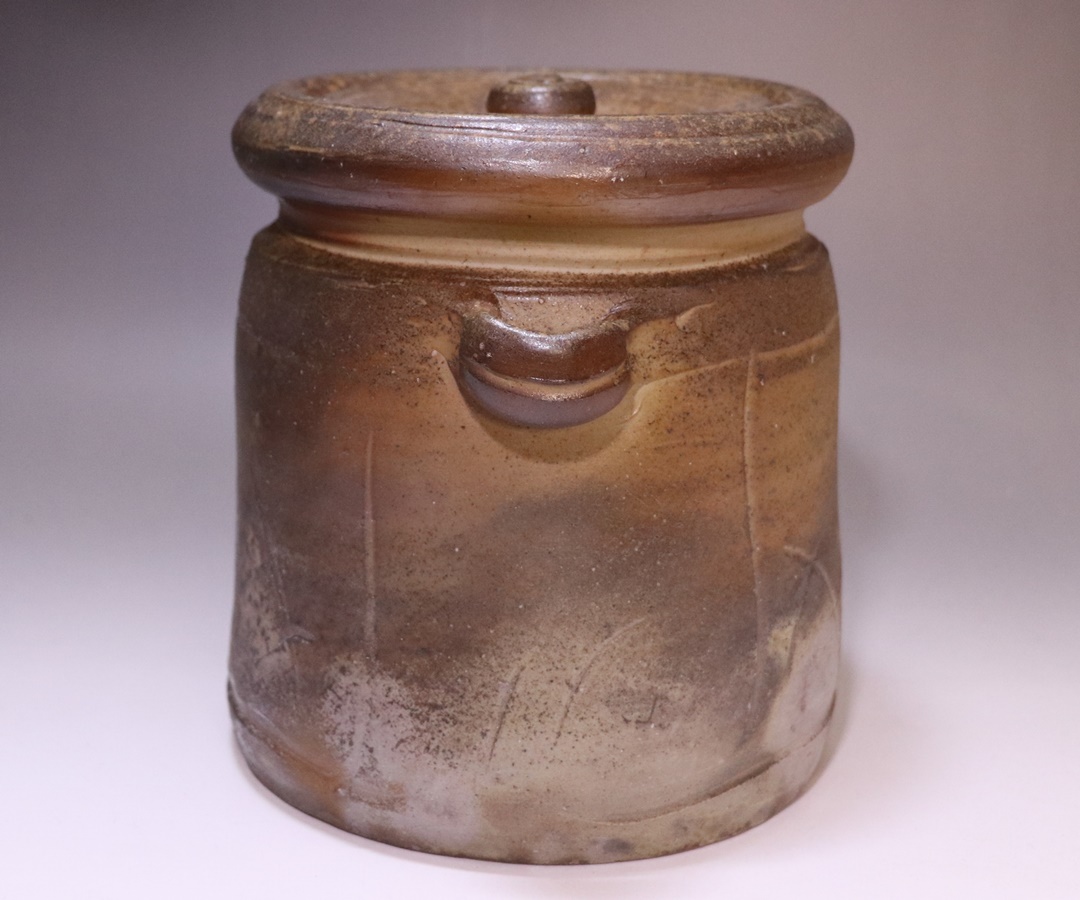
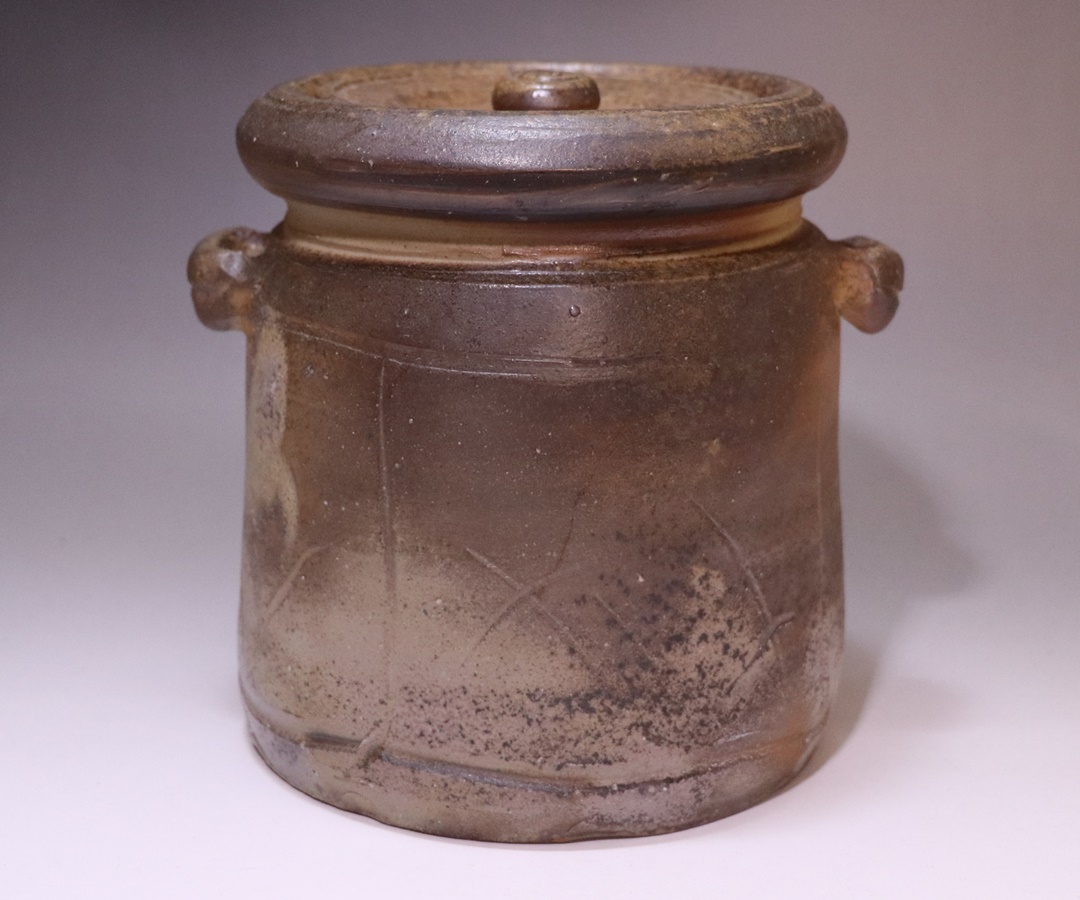
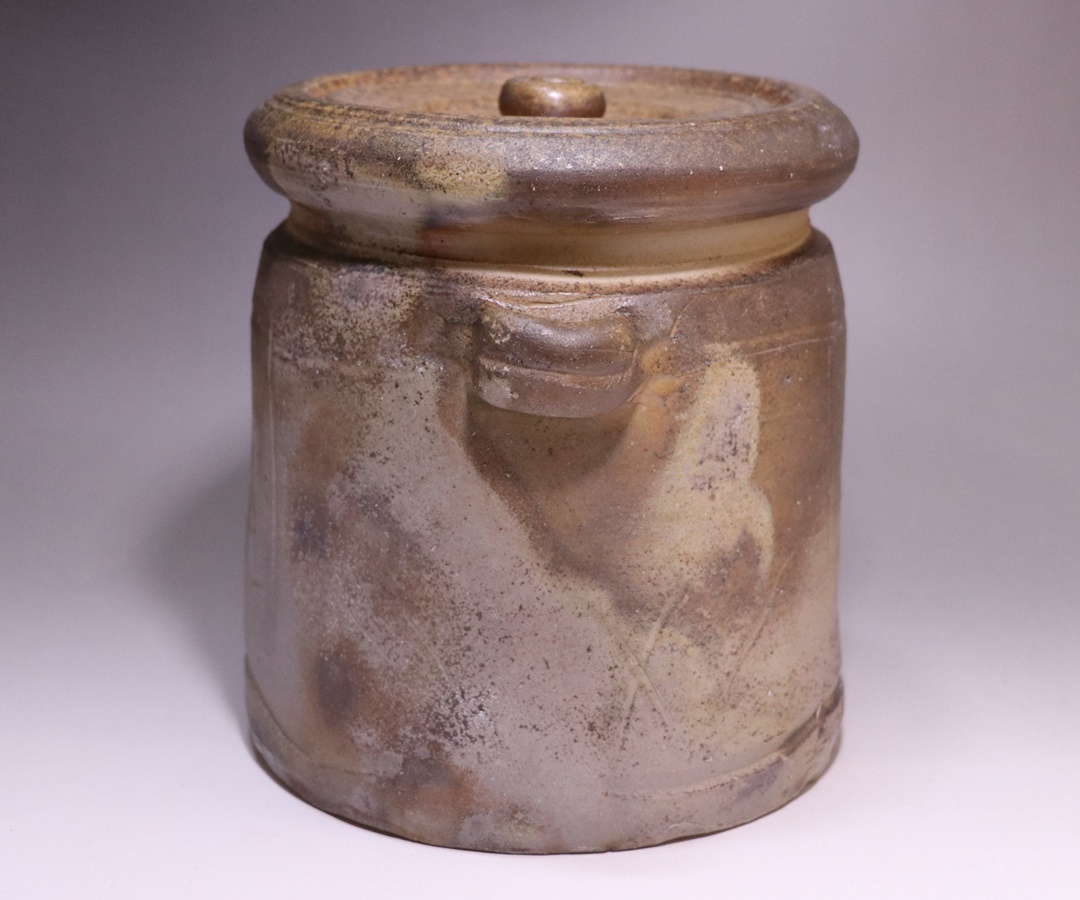
Jun Isezaki - Bizen Hitoeguchi Mizusashi
220,000 YENSold out
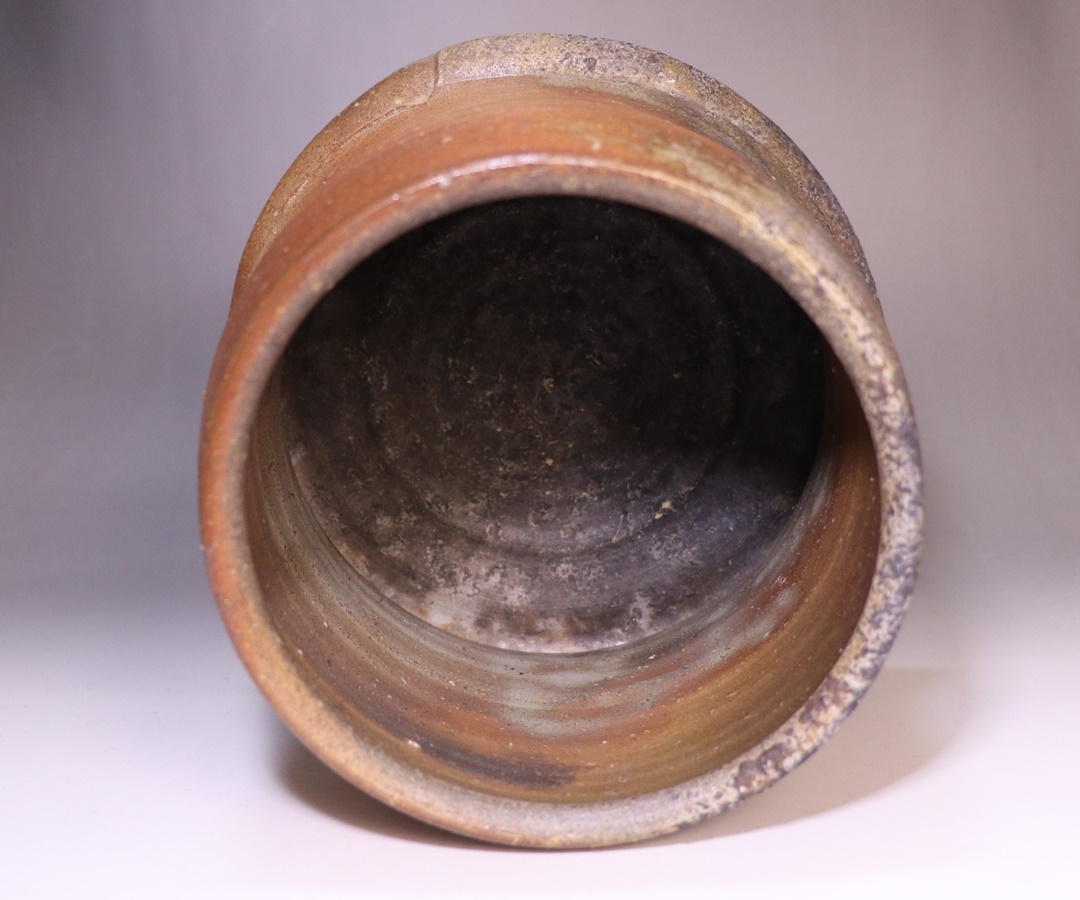
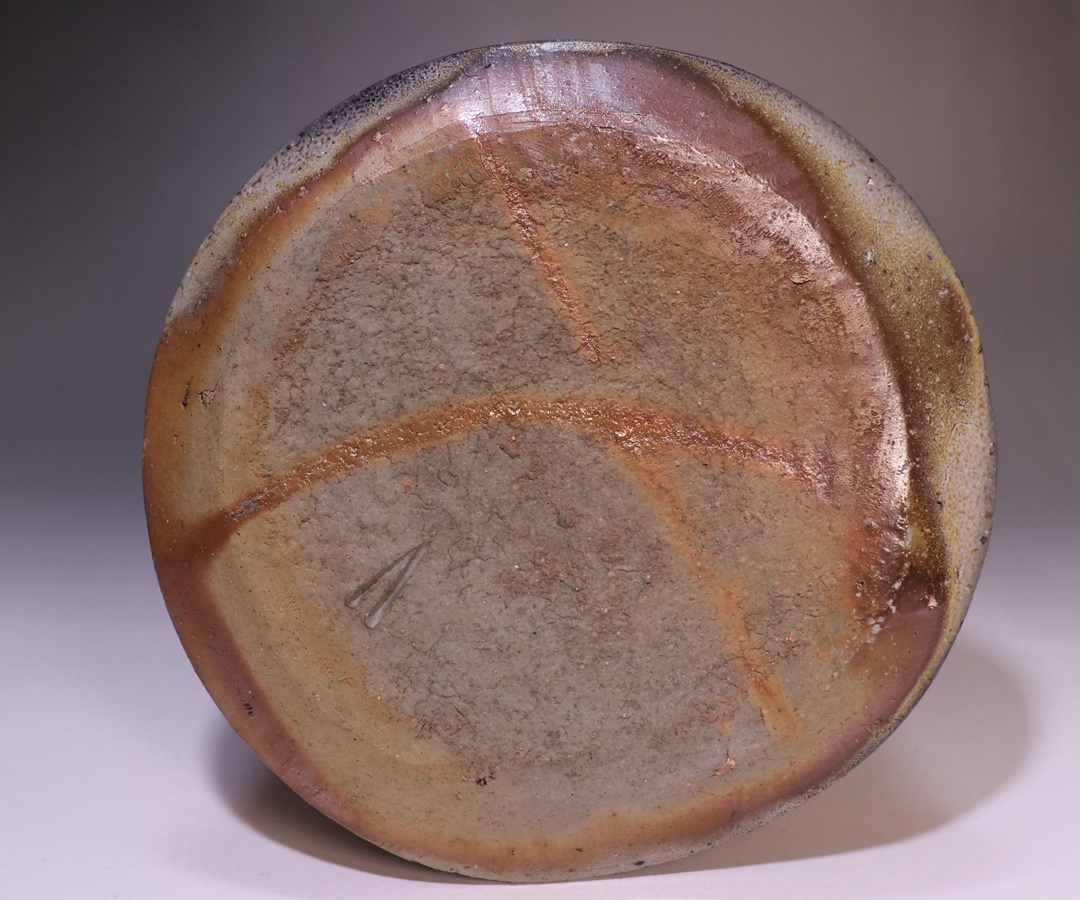
size : W18.2cm×18.0cm×H17.4cmJun Isazaki is a human living national treasure in Bizen were. (Fifth person in Bizen ware)
This Mizusashi was fired by him around 2004.
He firing with a straight hole-shaped kiln called "Anagama".
The flame of Anagama kiln blows into the back of kiln at a stretch.
This is Mizusashi of "Youhen" that can be fired only in a specific place in Anagama kiln.
This Mizusashi has an excellent fire pattern due to its very high heat value.
The Anagama Youhen is usually charcoal gray, but this Mizusashi is a beautiful black.
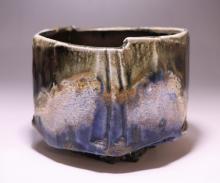


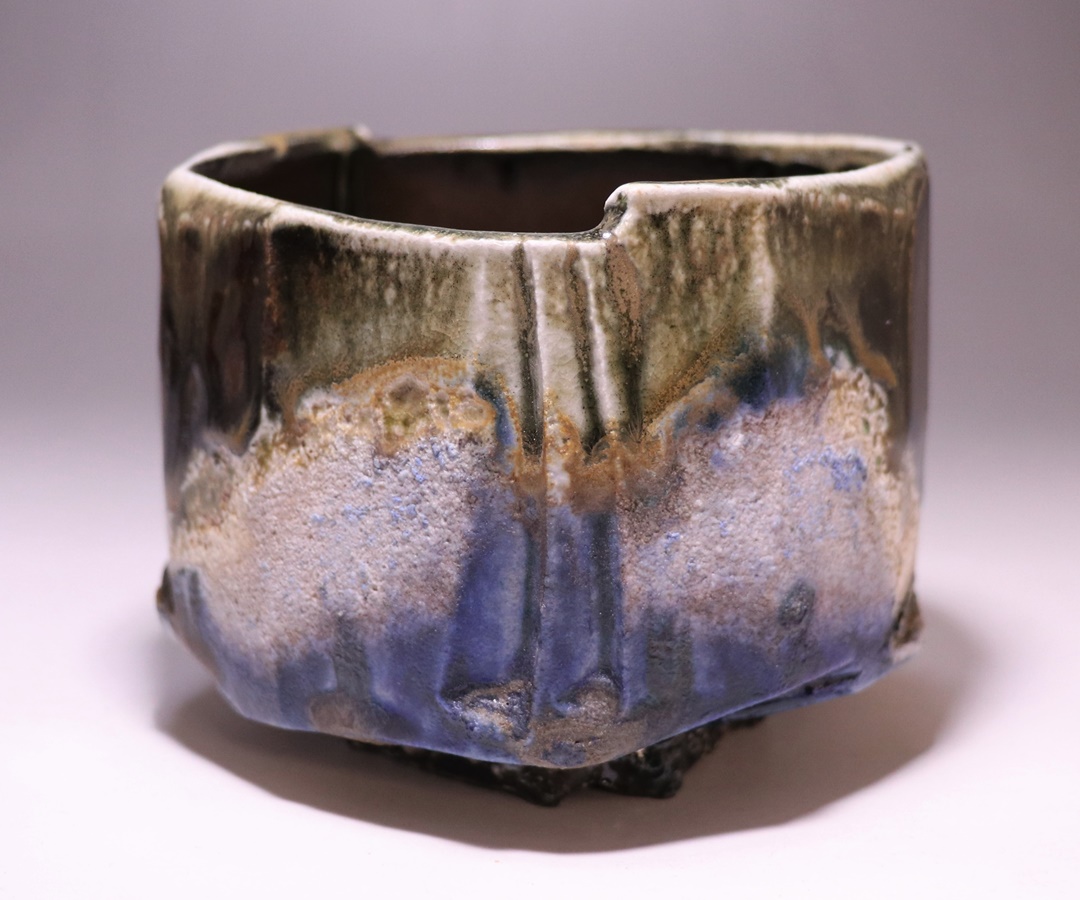
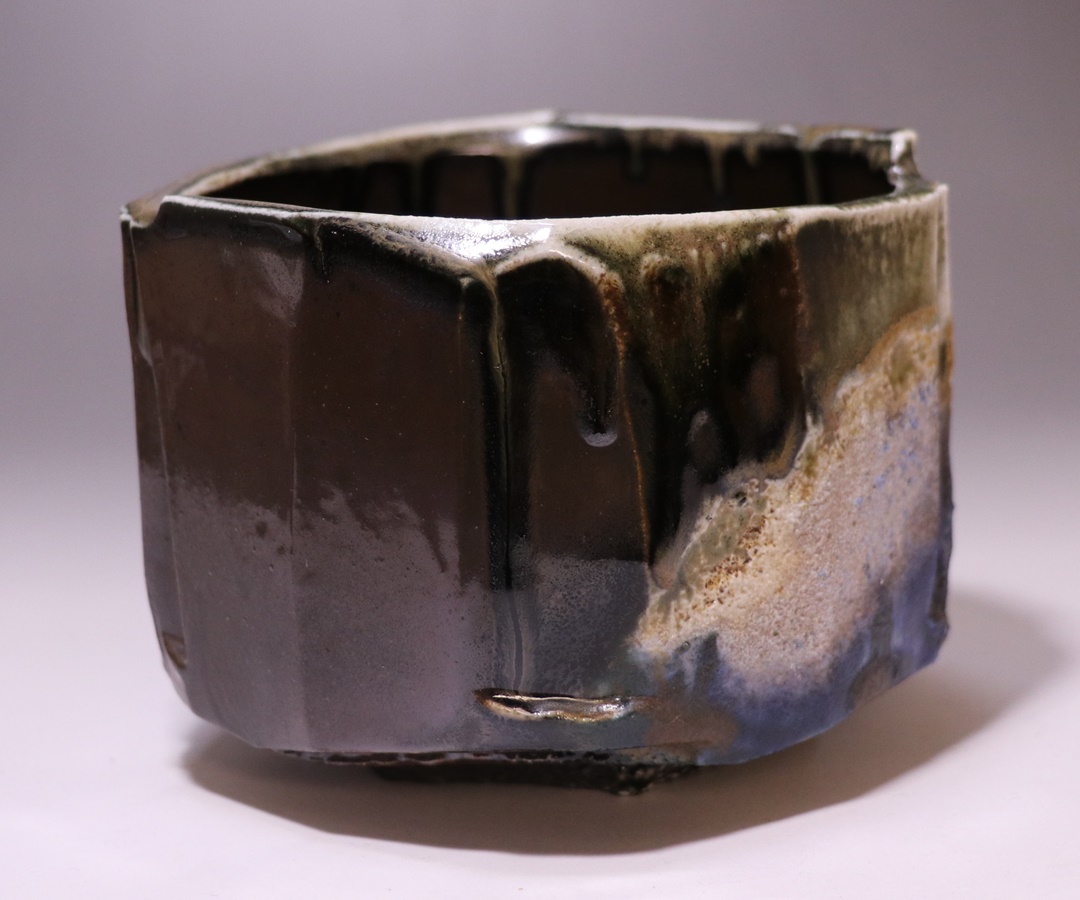
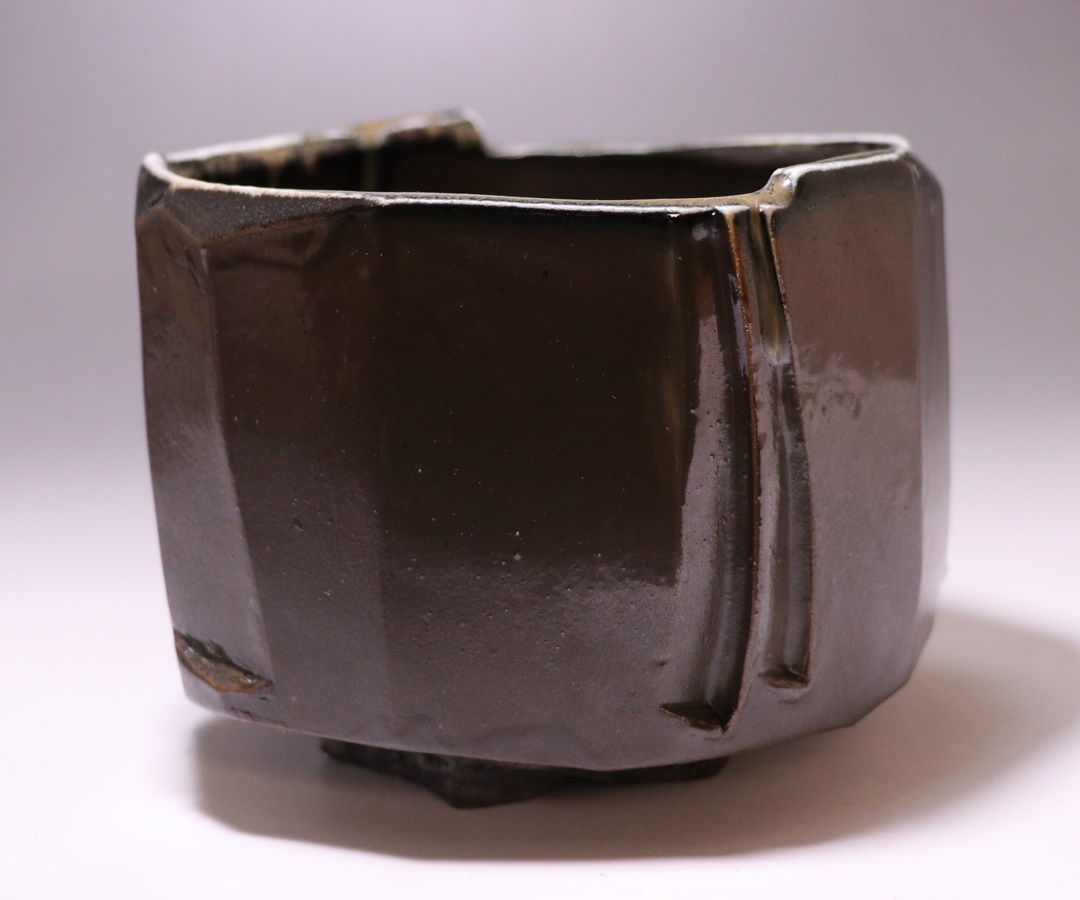
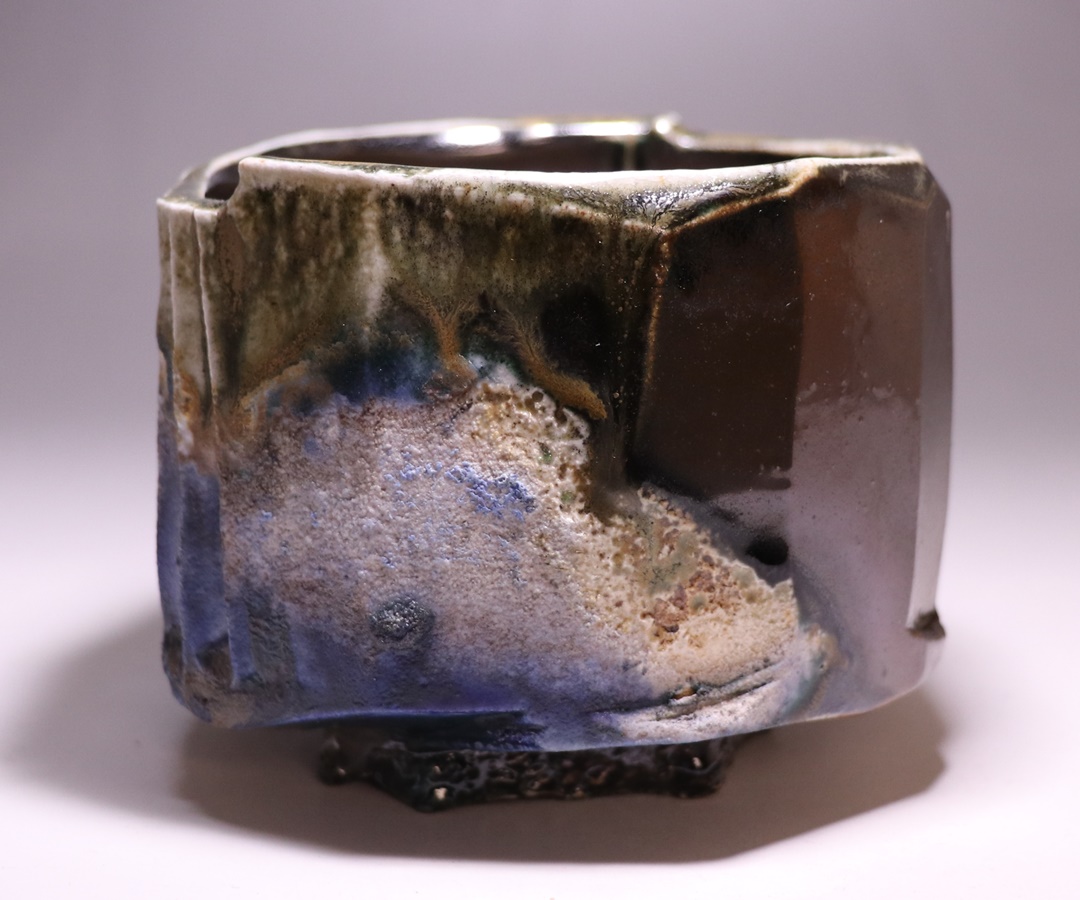
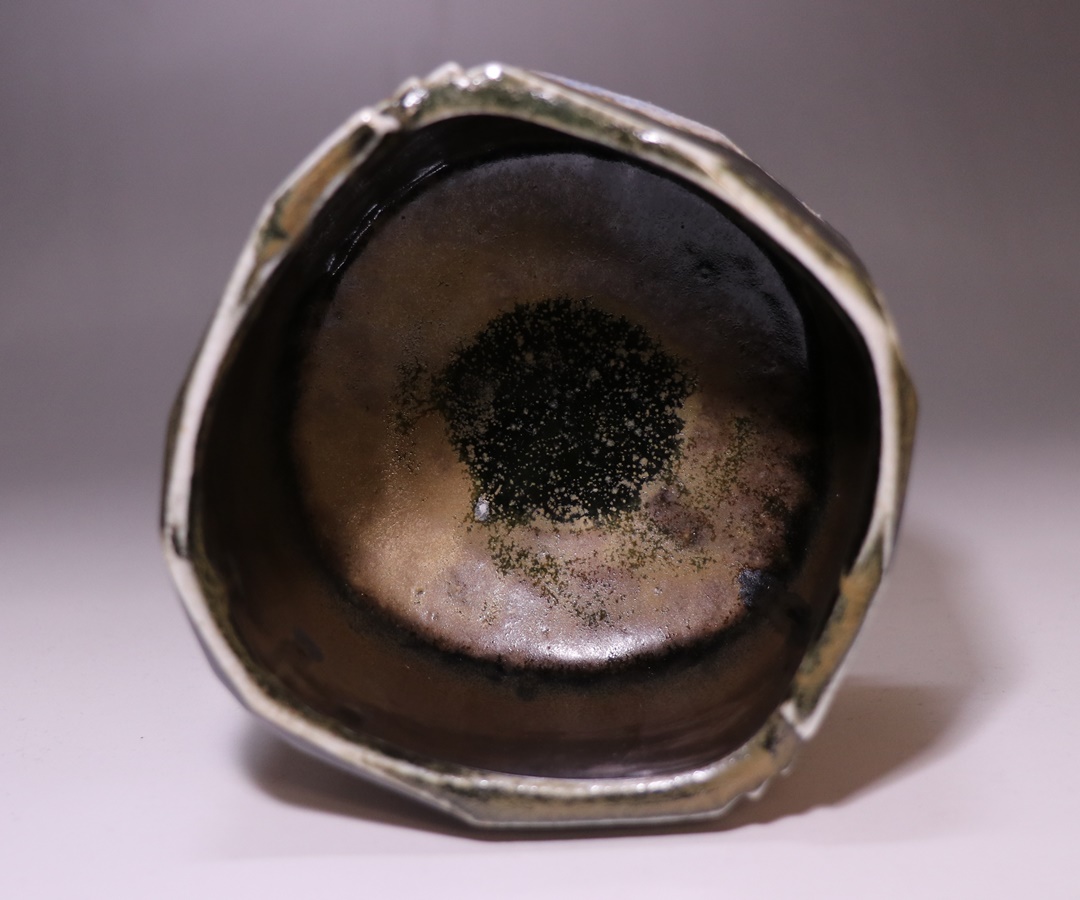
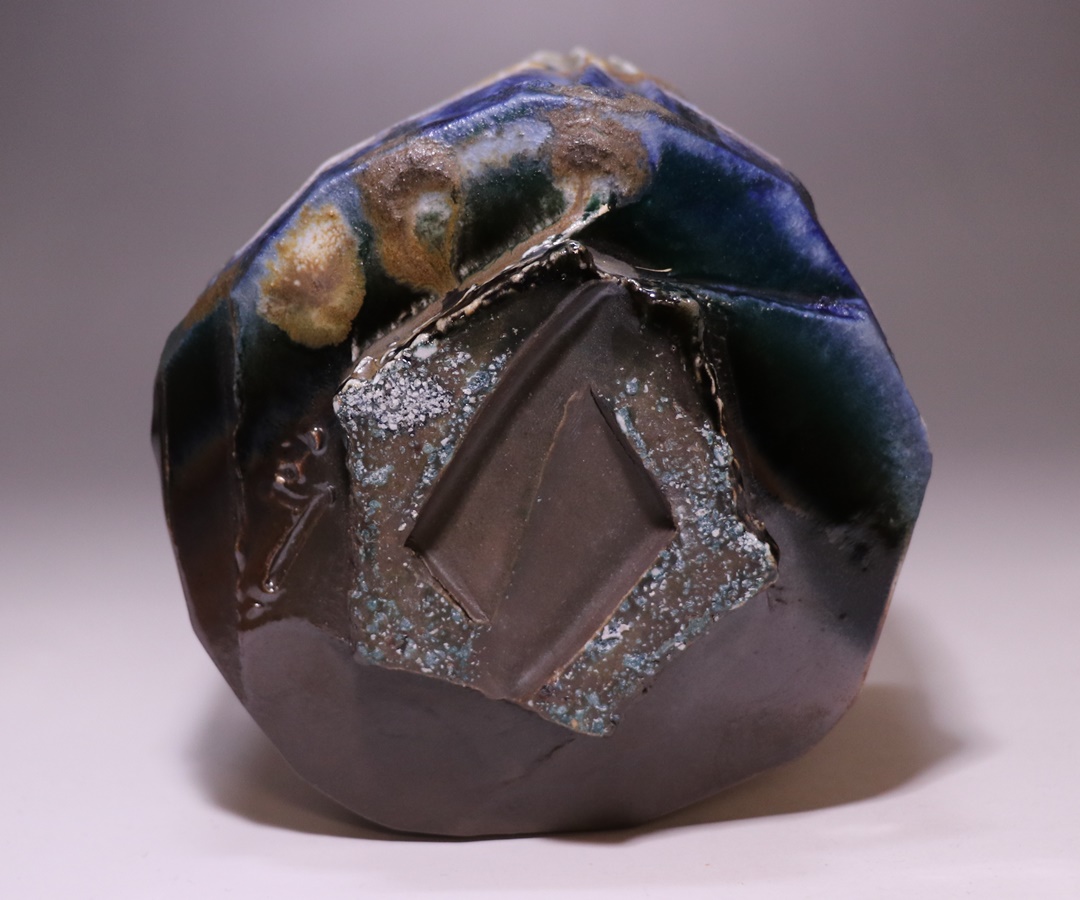
Takashi Baba - Bizen Yohen Ao Chawan
132,000 YENSold out
size : W11.9cm×11.7cm×H8.8cmTakashi Baba is a ceramic style that combines sculpture and Bizen ware.
He uses a lot of shavings and patterns to create highly artistic works.
This Chawan was fired by him in November 2021.
This work is painted black clay and cobalt on the surface.
Furthermore, a bright blue fire pattern is generated by intensively applying a strong fire.
Goma's yellow, black clay, and bright blue are a set and have a very fantastic beauty.
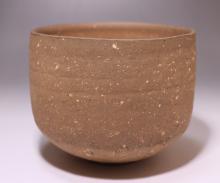


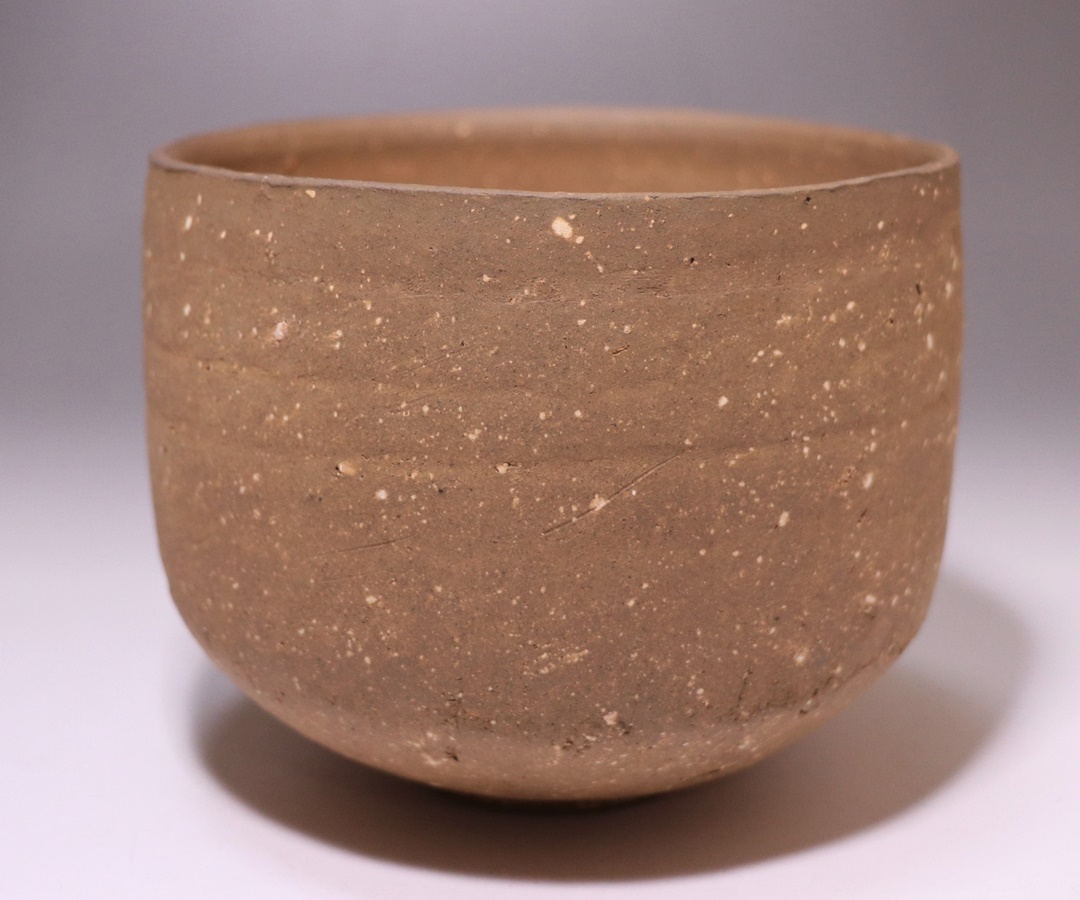
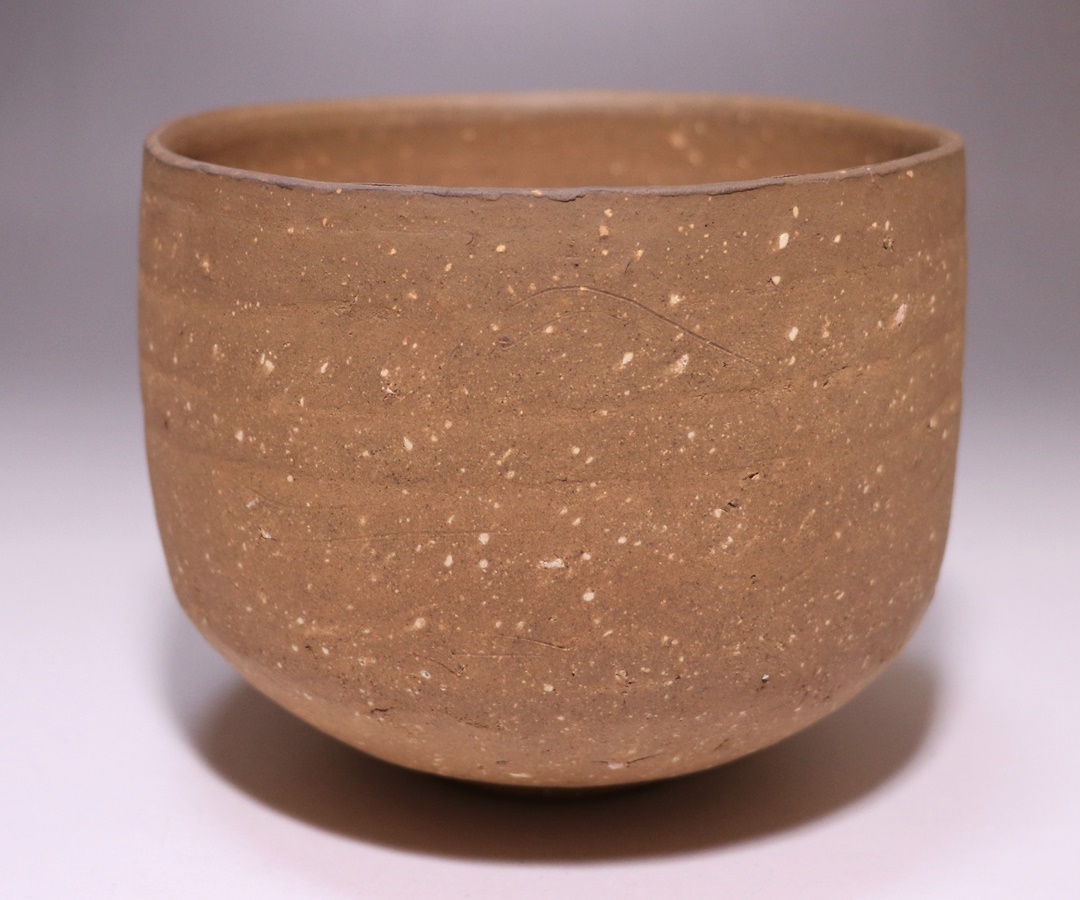
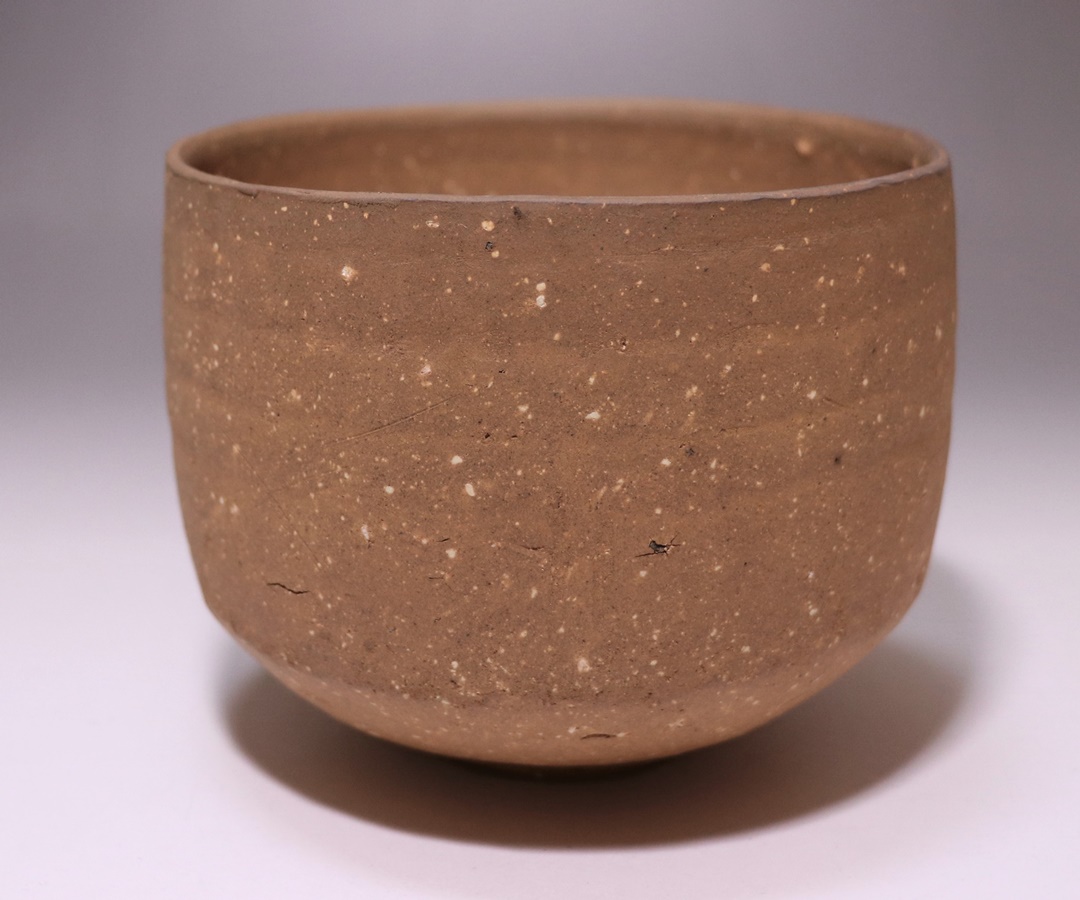
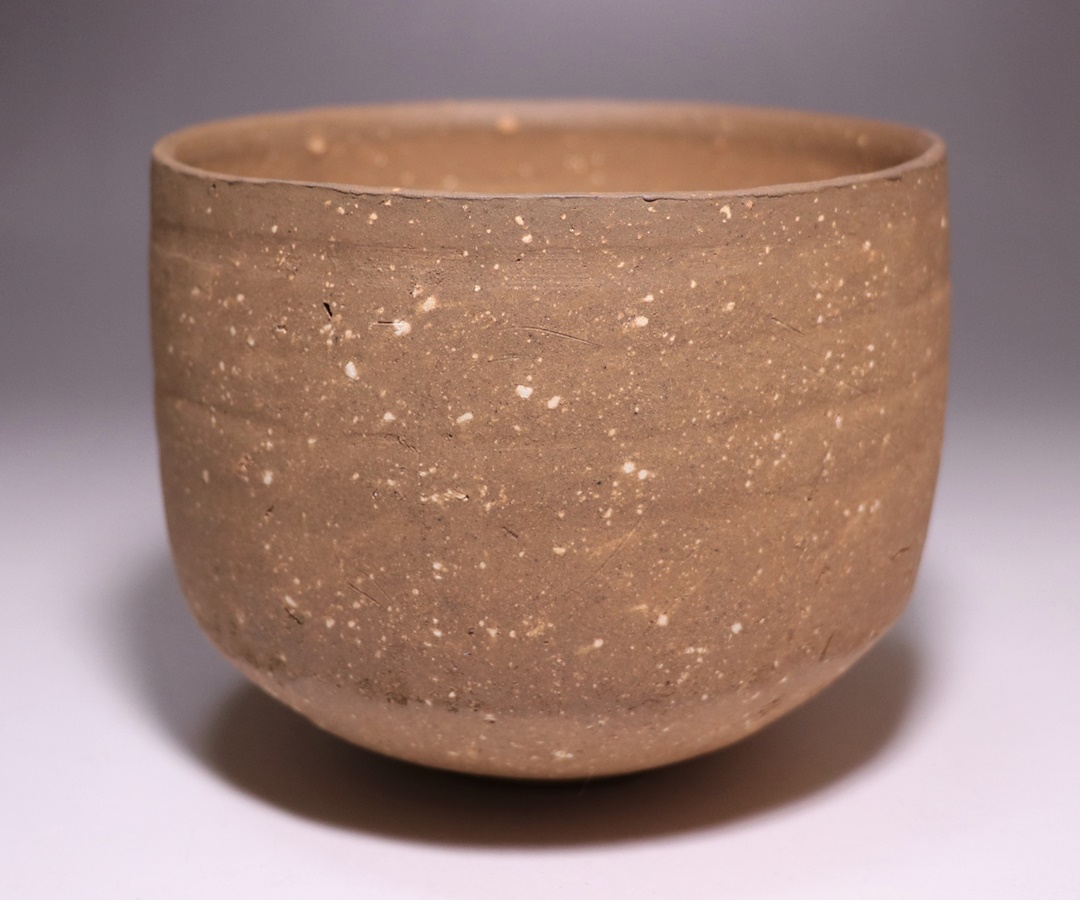
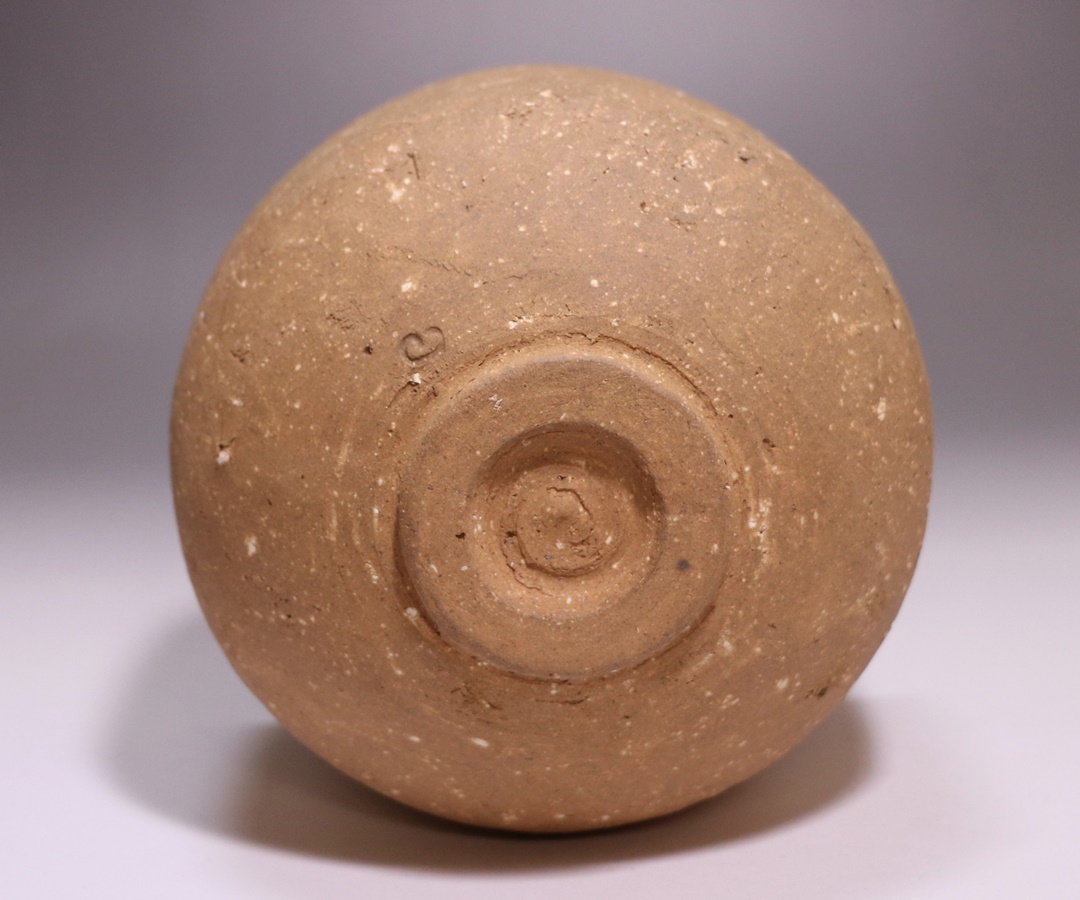
Gosuke Yashiro - Imbe Chawan
20,000 YENSold out
size : W12.1cm×12.0cm×H9.6cmHe was attracted by Bizen ware and moved from Hokkaido to Okayama.
He loves the simple beauty of Bizen ware.
This work is also very simple and powerful.
This Chawan was fired by him so that it would not be exposed to direct fire.
Therefore, this Chawan has acquired a clay texture that looks like Nanban Yakishime.
It is not possible to keep water for a long time.
A wooden box is not included, but you can make one.
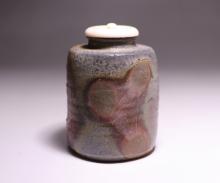


Mitsuru Isezaki - Bizen Katatsuki Chaire
160,000 YENSold out
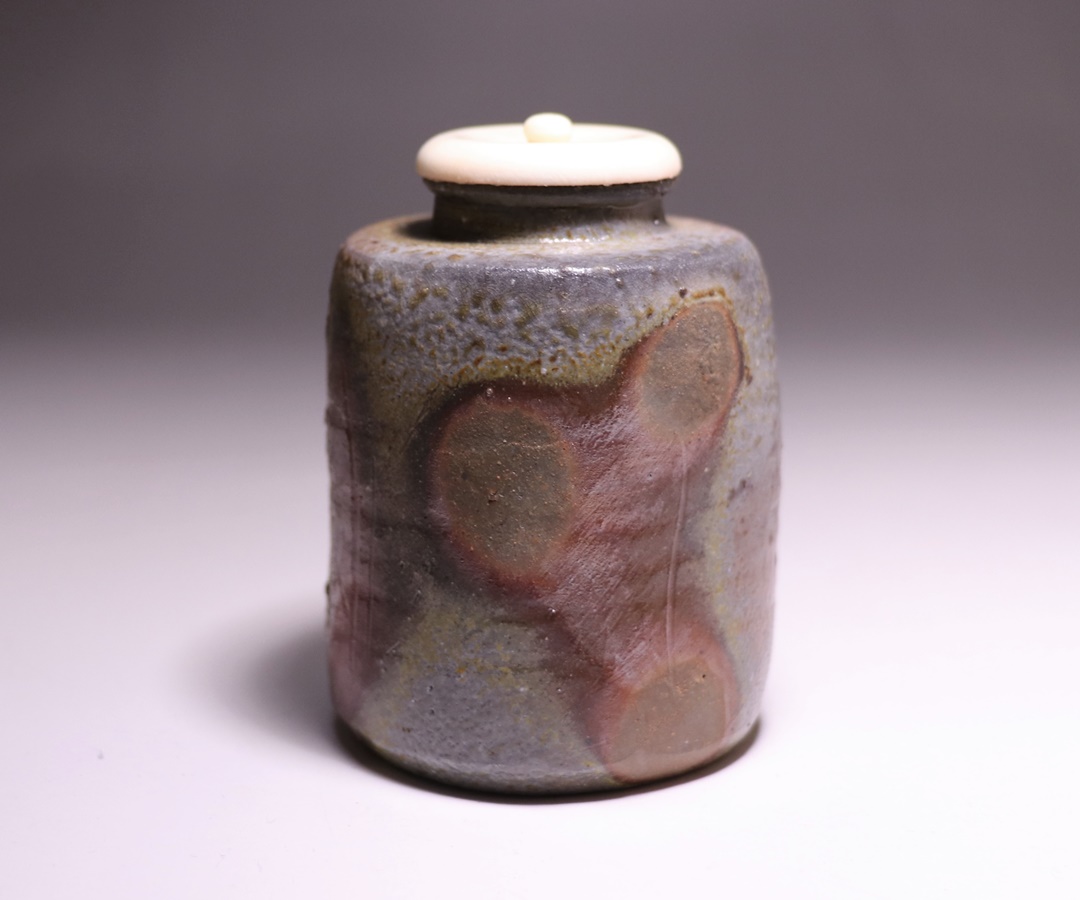
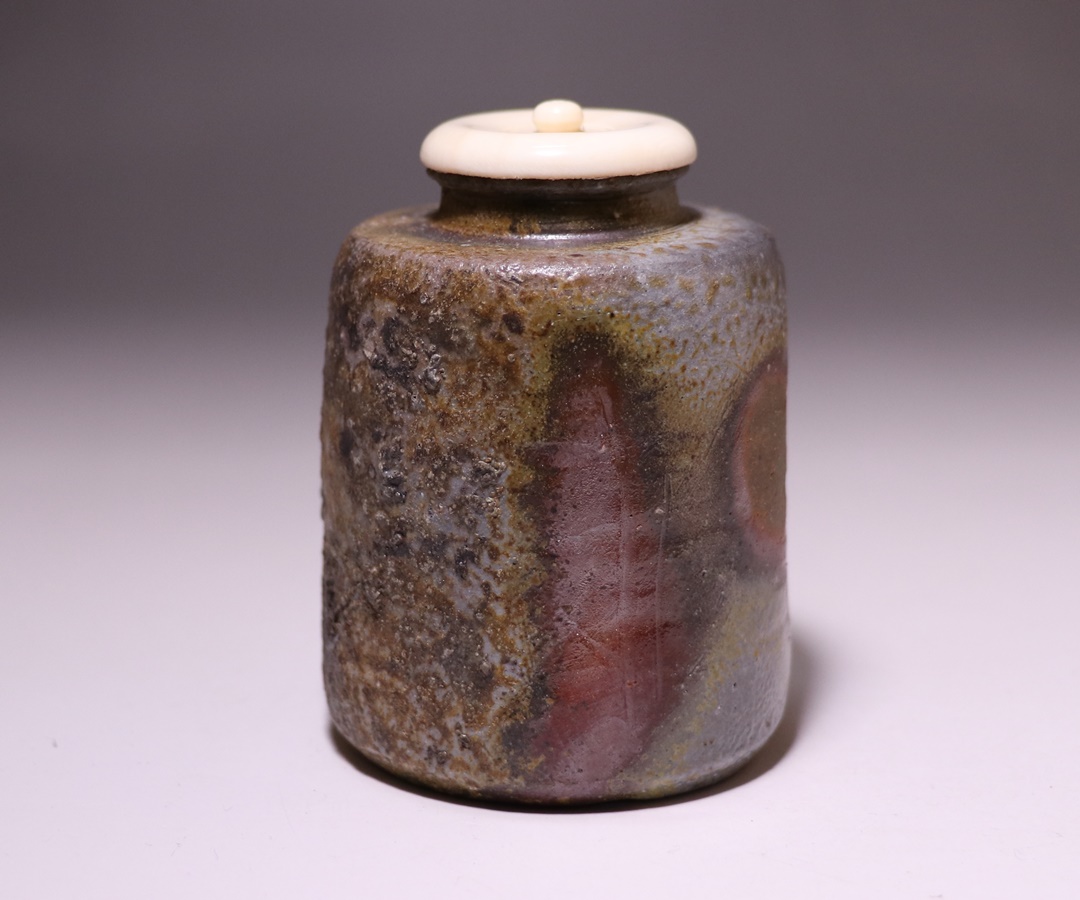
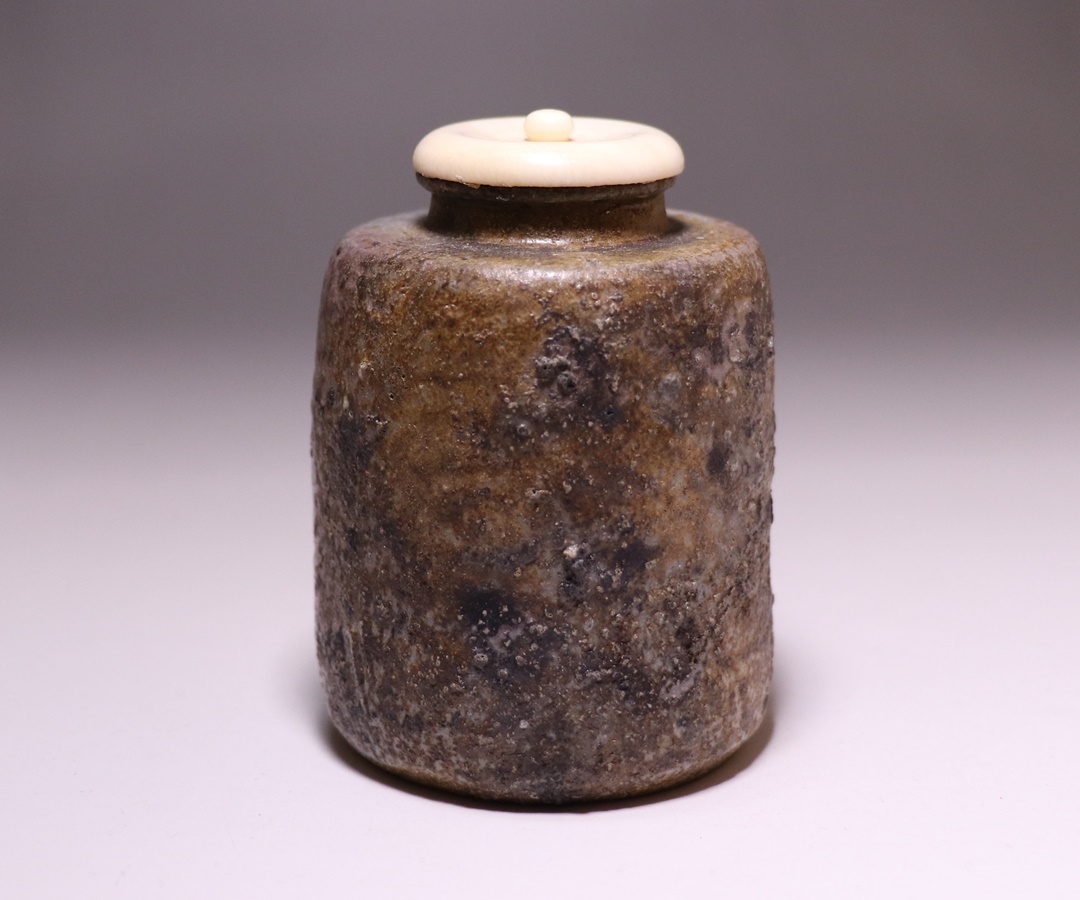
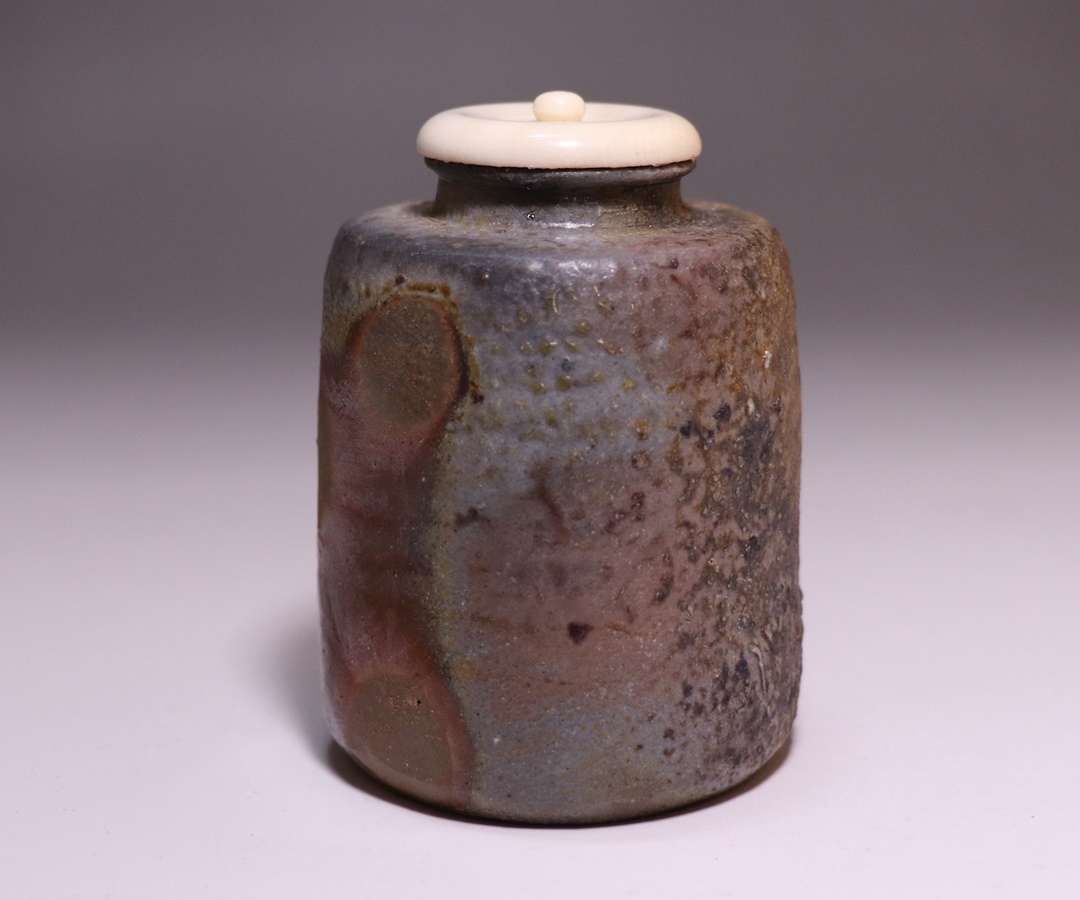
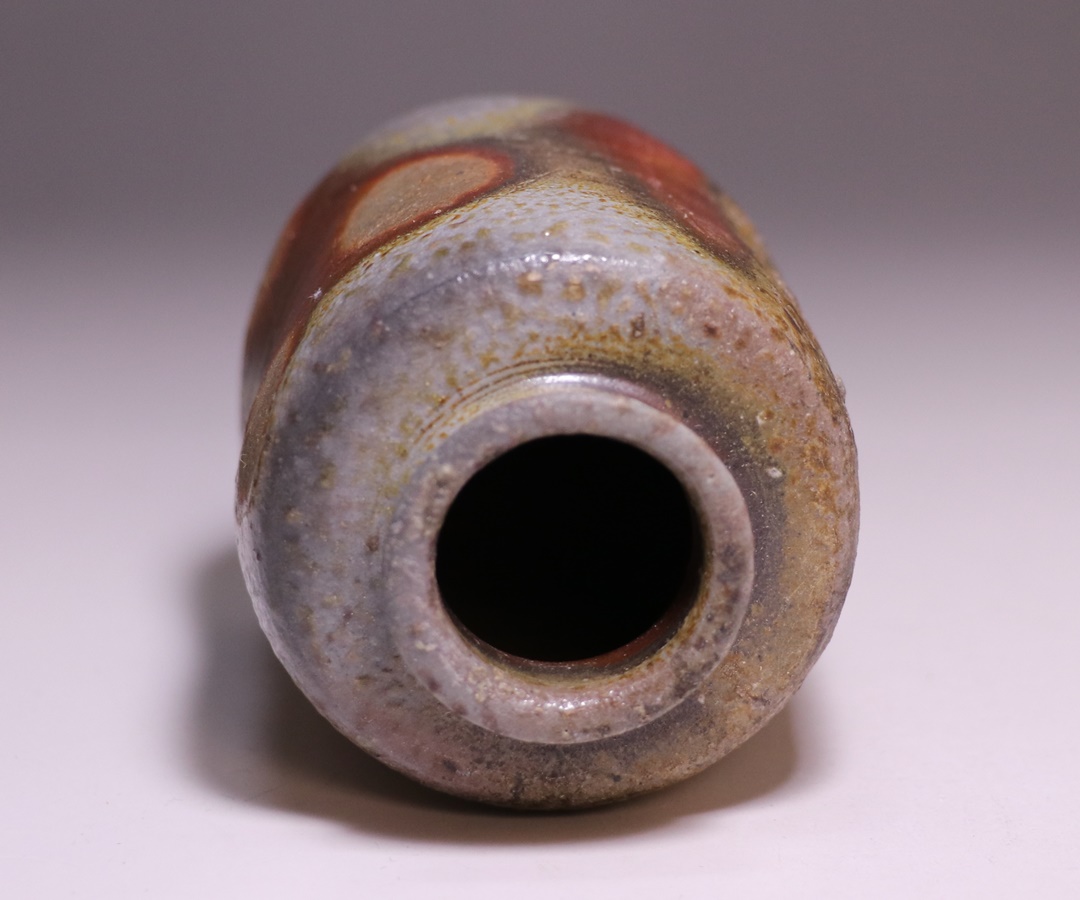
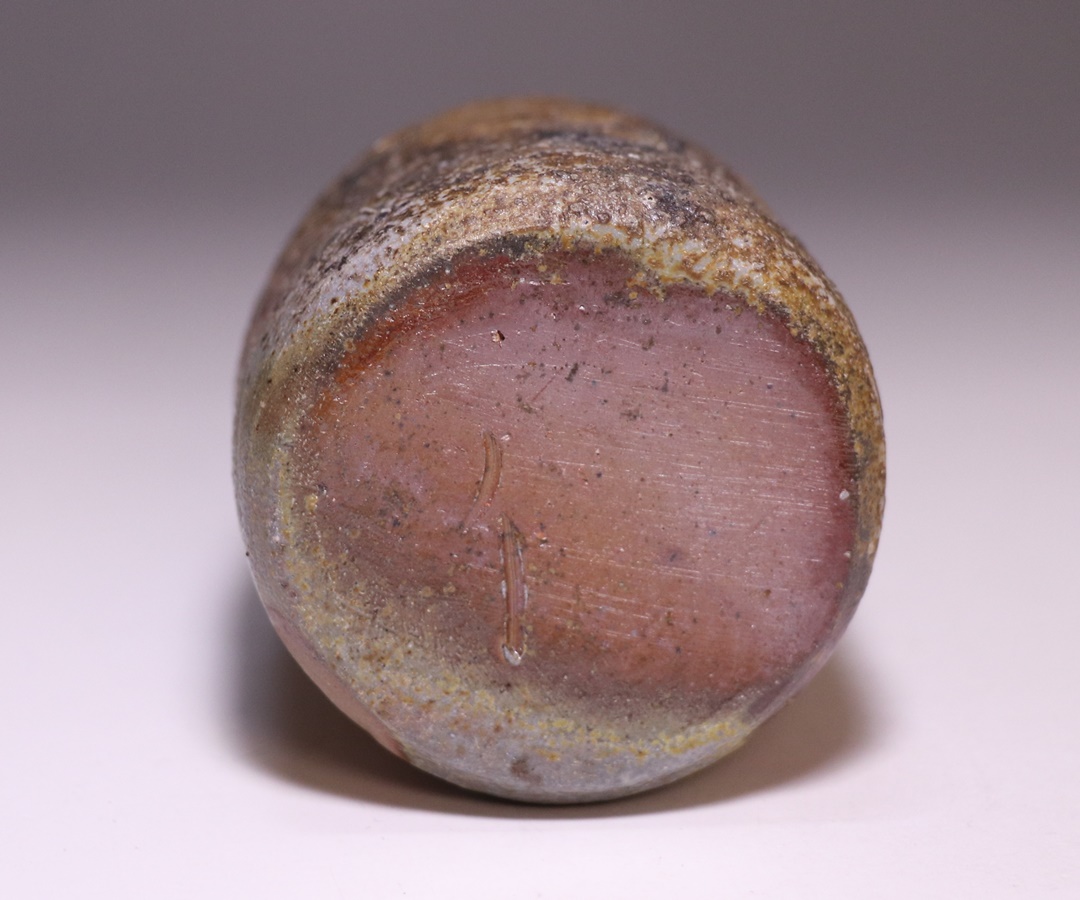
size : W6.0cm×5.9cm×H8.1cmMitsuru Isezaki is one of the potters who inherited Bizen ware redeveloped by Toyo Kanesige.
His pottery style is simple and undecorated to show off the goodness of the clay.
This Chaire has a beautiful texture due to the good quality of the clay.
The fire pattern, Haikaburi Yohen, is also very beautiful, and I believe that this Chaire was his most confident work.
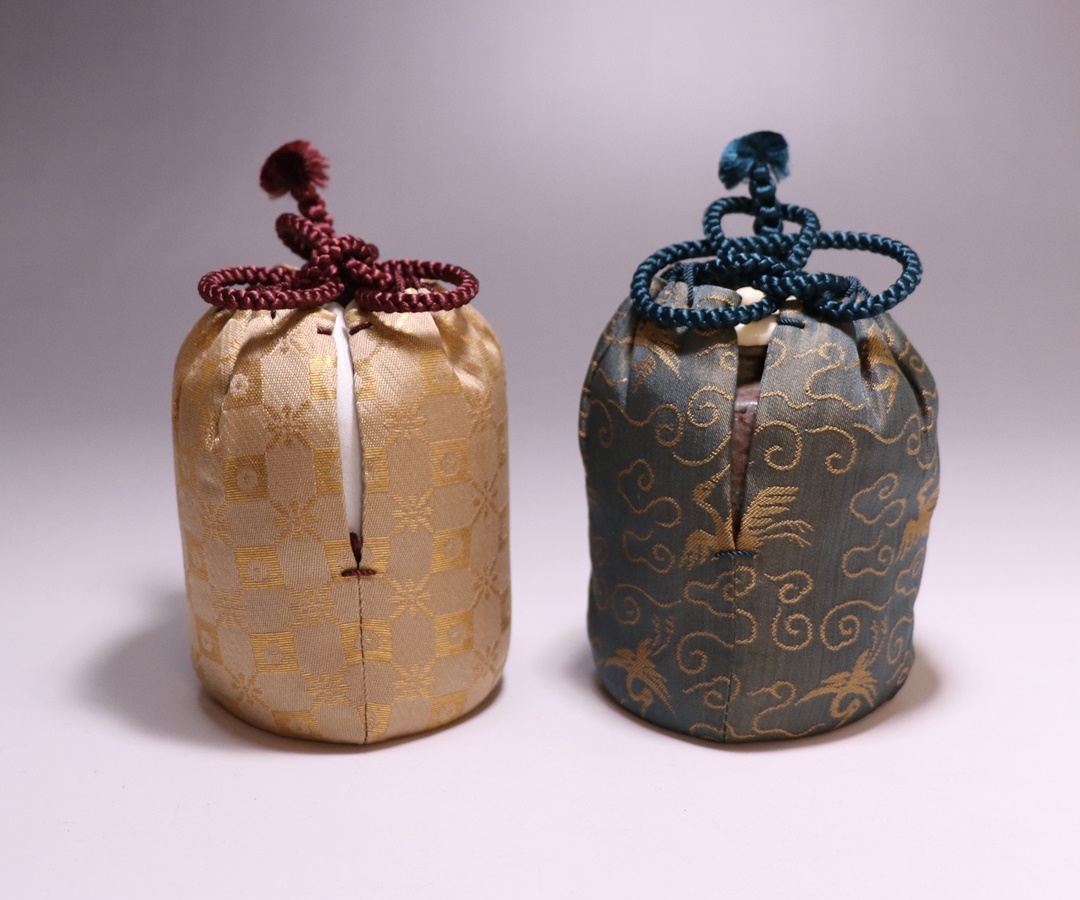
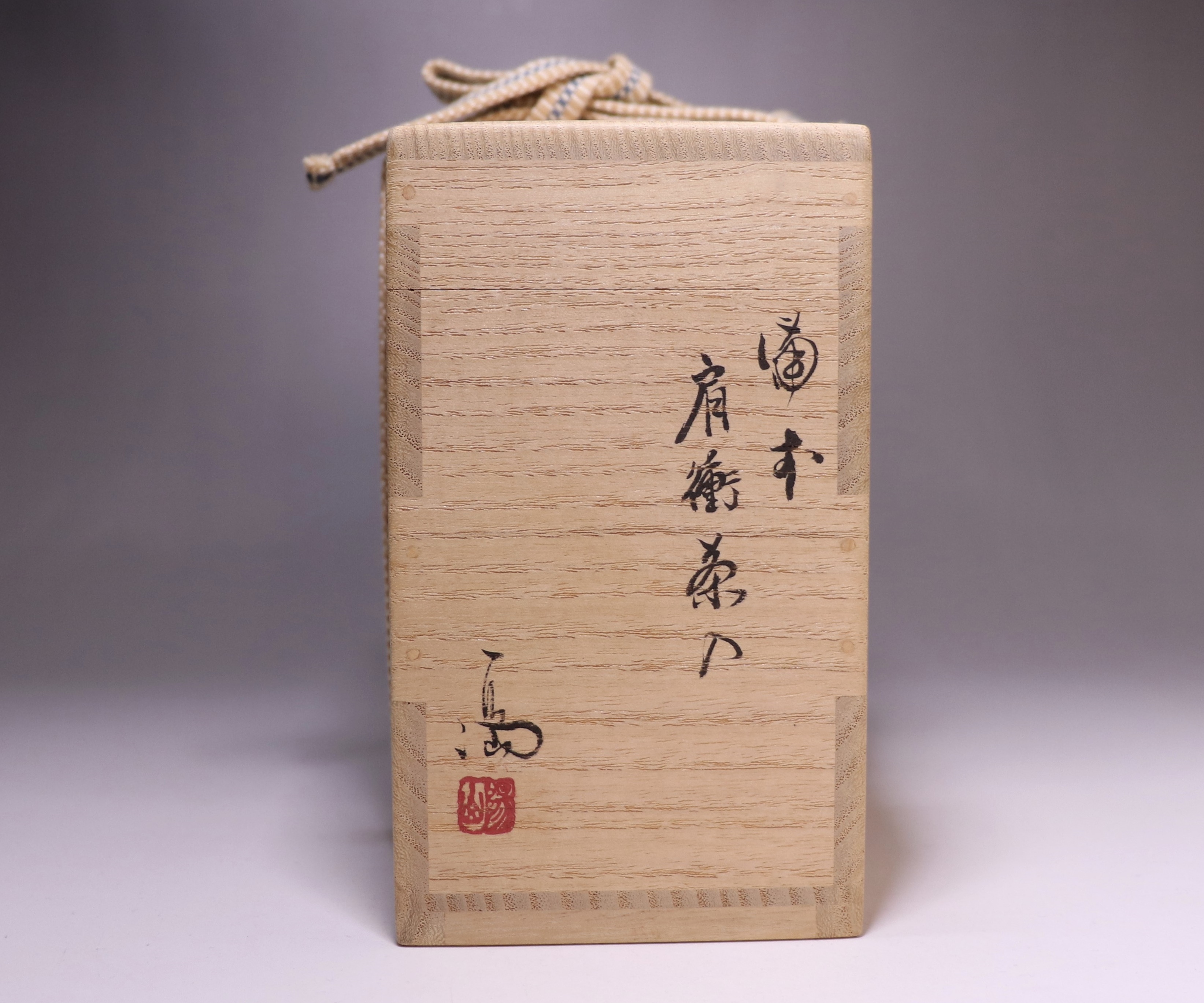
The Chaire comes with a case, a replacement case, an ivory lid, a name tag for the case, and a wooden box to hold it all.
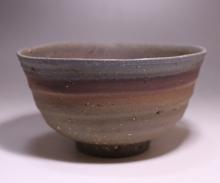


Gosuke Yashiro - Imbe Chawan
20,000 YENSold out
size : W16.6cm×16.2cm×H8.1cmHe was attracted by Bizen ware and moved from Hokkaido to Okayama.
He loves the simple beauty of Bizen ware.
This work is also very simple and powerful.
Goma, a mixture of blue and gray, is plain but has Bizen ware-like goodness.
You can feel the influence of Yuho Kaneshige on the clay color and fire pattern of this Chawan.
A wooden box is not included, but you can make one.
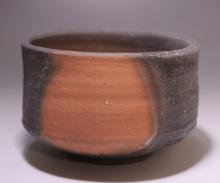


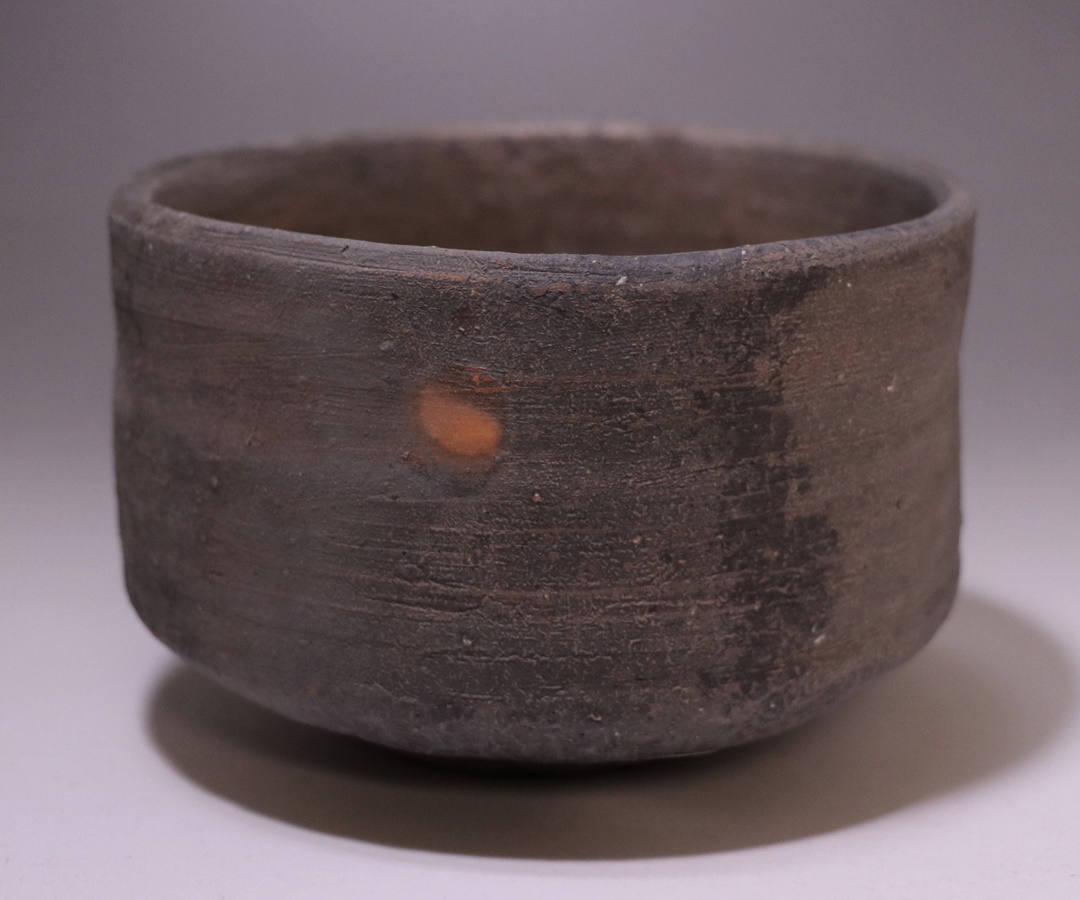
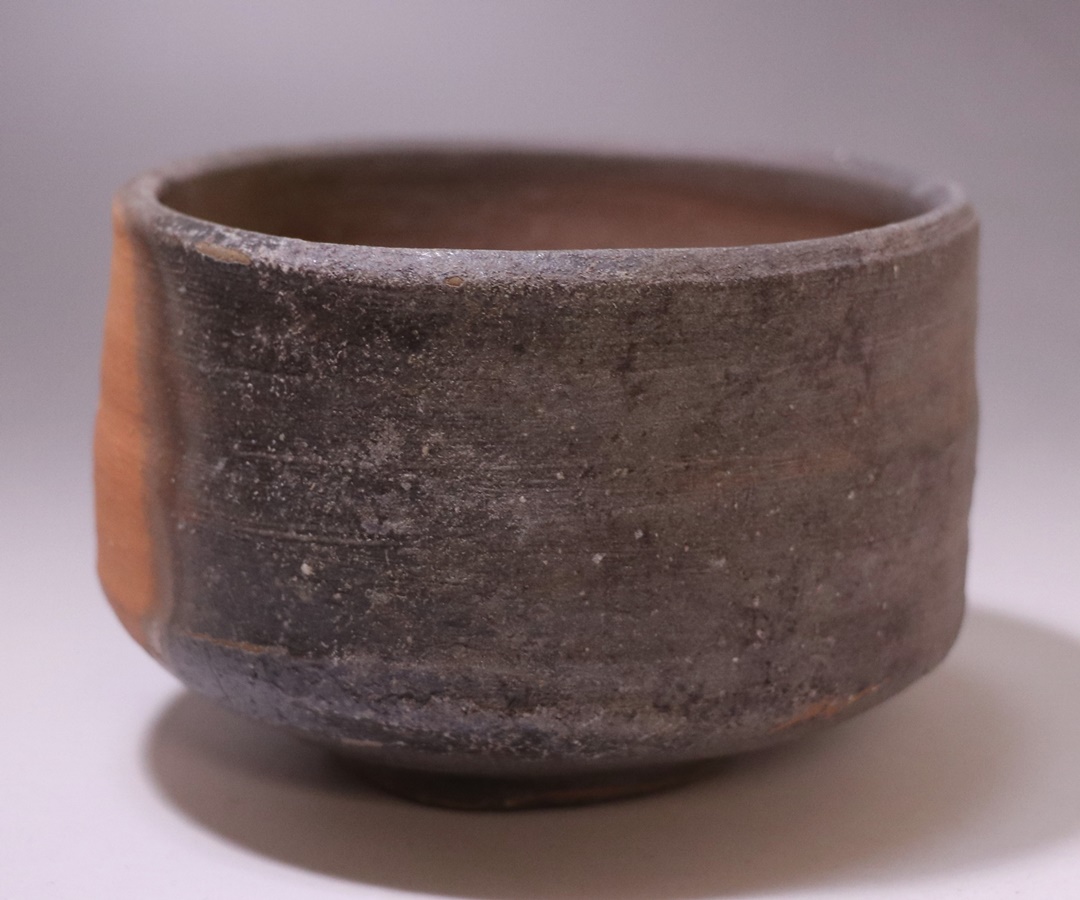
Yoshiteru Takariki - Bizen Chawan
50,000 YENSold out
size : W12.0cm×11.9cm×H8.0cmHe inherits the skills and spirit of Sozan Kaneshige.
The simple and undecorated design highlights the beauty of Bizen clay.
He believes that the work will be completed in the hands of the user.
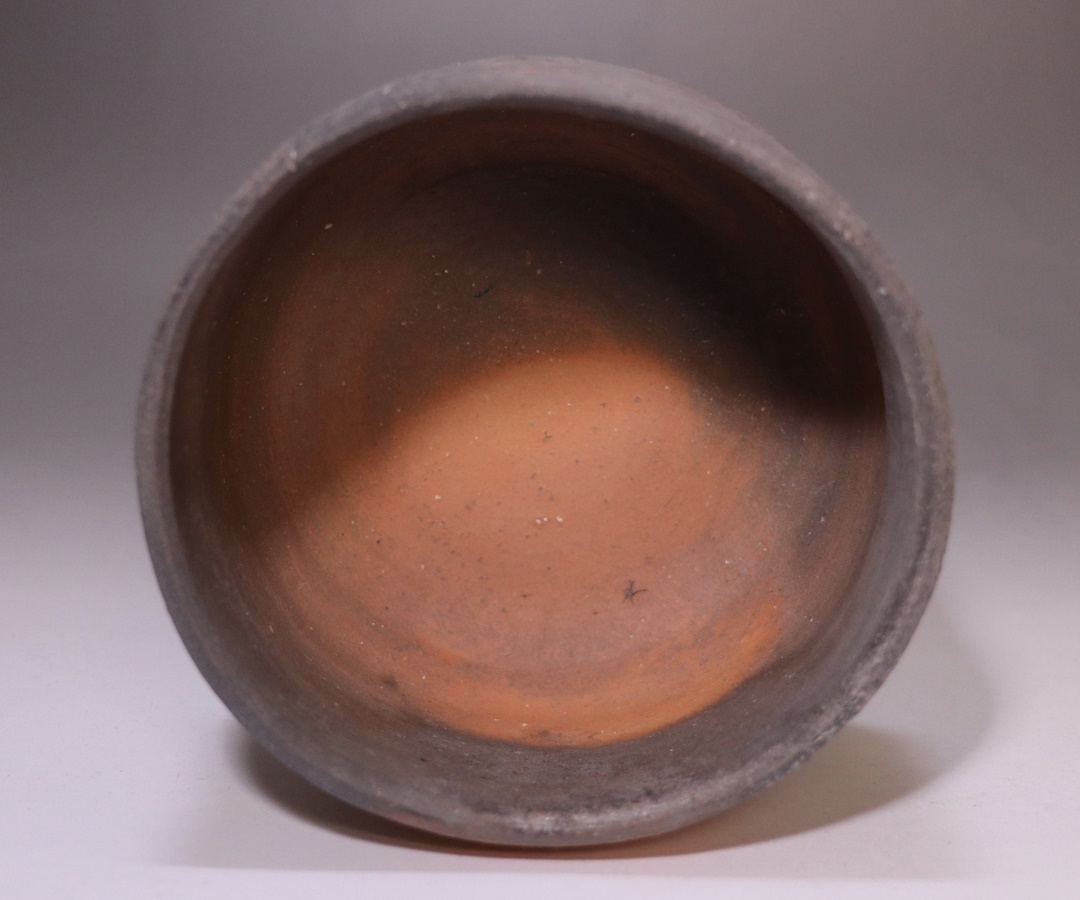
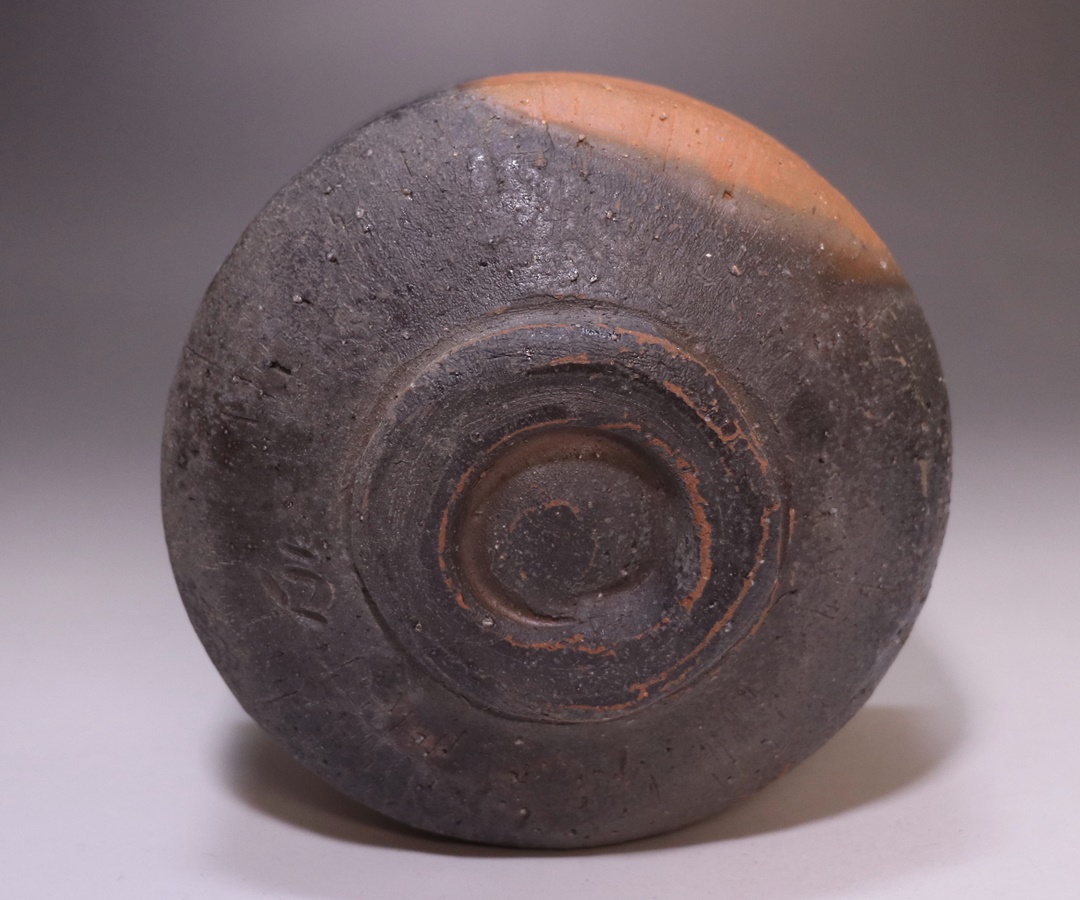
It is very difficult for Yohen's works to balance the black ash cover and the red clay color.
After firing for a long time, the black ash cover will become blacker, but the red color will be lost.
This Chawan is miraculously beautiful in both red and black.
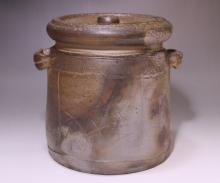


Mitsuru Isezaki - Bizen Mimitsuki Mizusashi
120,000 YENSold out
size : W20.0cm×17.4cm×H18.7cmMitsuru Isezaki is one of the potters who inherited Bizen ware redeveloped by Toyo Kanesige.
His pottery style is simple and undecorated to show off the goodness of the clay.
This work was fired by him around 2003.
Sangiri with a cloud-like pattern is generated on the body of this work.
And it has a painting-like atmosphere in combination with Higakimon carved on the body by Mitsuru.
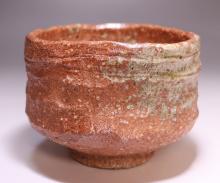


Tomio Ochi - Shigaraki Chawan
50,000 YENSold out
size : W12.1cm×11.7cm×H9.1cmTomio ochi is a relative of Anjin Abe.
He was an office worker but loved art.
After retiring from the company, he studied pottery as a student at Anjin Abe.
He studied the control of the fire method of the old Bizen from Anjin Abe.
The clay used in this Chawan is the clay from the Shigaraki region collected with Anjin Abe.
He fired this Chawan seven times.
He is shaving the entire work with a wooden spatula.
By doing so, the design became sharp, and a design margin was created on the inside.
He devises to use the margin to widen the lower part of the inside so that the taste of tea can be changed.
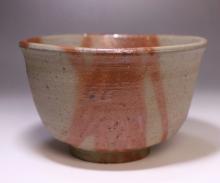


Ken Fujiwara - Bizen Hidasuki Chawan
100,000 YENSold out
size : W14.0cm×13.8cm×H8.9cmThis Chawan was made by Ken Fujiwara before 1970.
He made a large kiln in 1970, this Chawan was fired in Noborigama kiln.
He installed this Chawan in a place in Noborigama kiln where it was not exposed to direct fire.
It is in another works or in a box of refractory soil called Saya.
It has a color similar to the high-quality white clay used by Toyo Kaneshige.
The color is in excellent condition due to the interaction with Hidasuki.
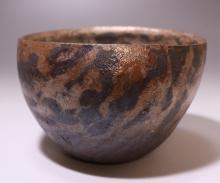


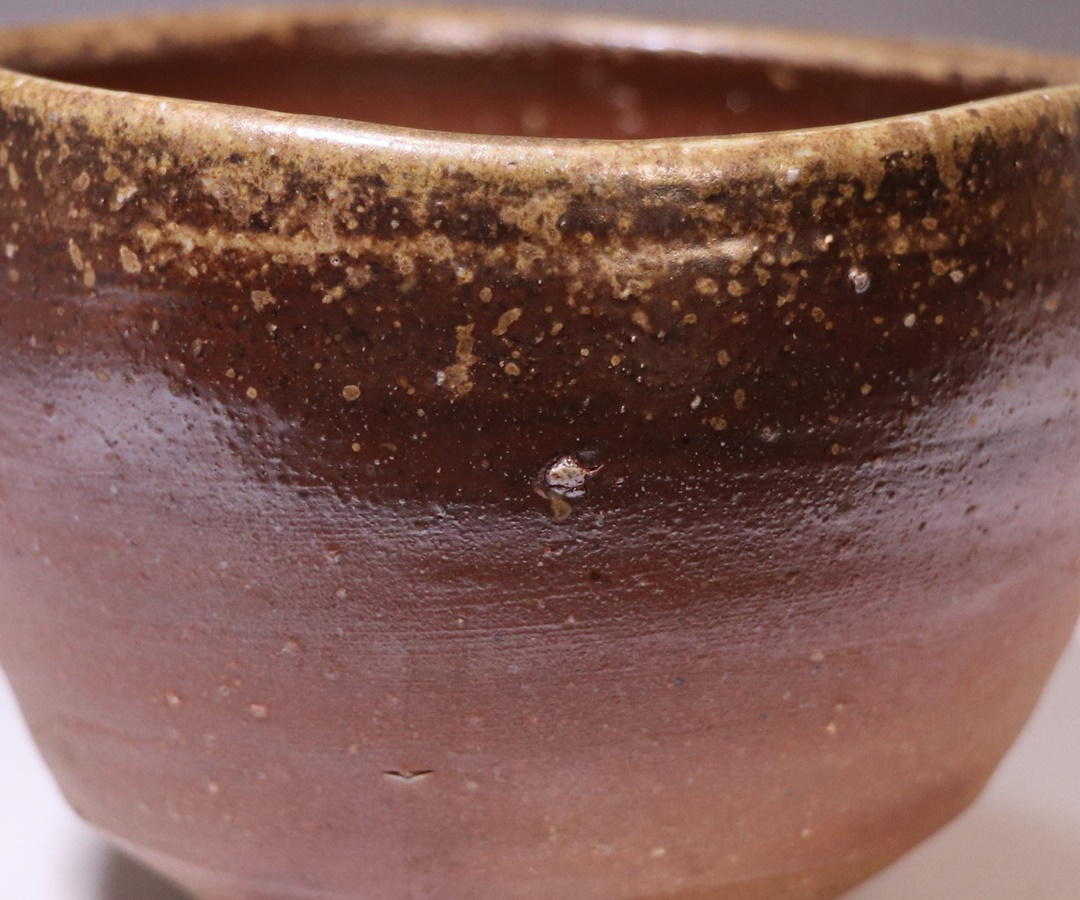
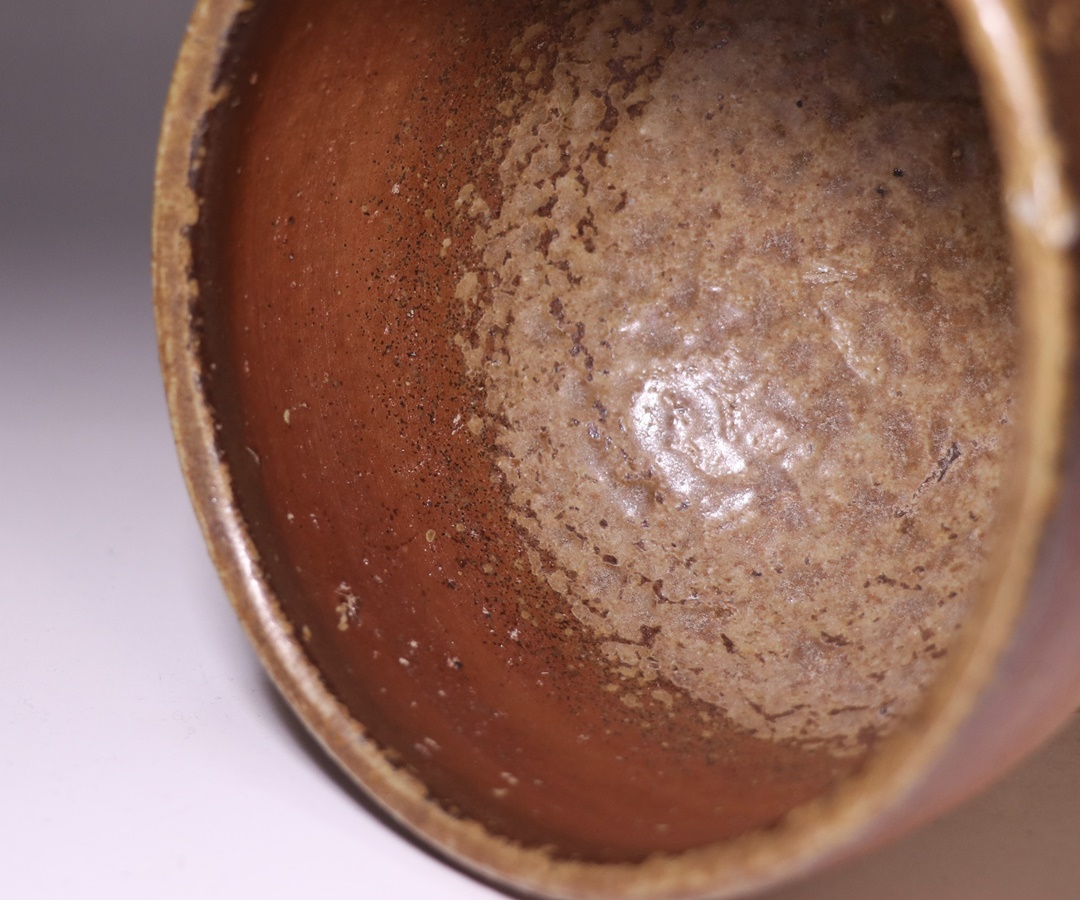
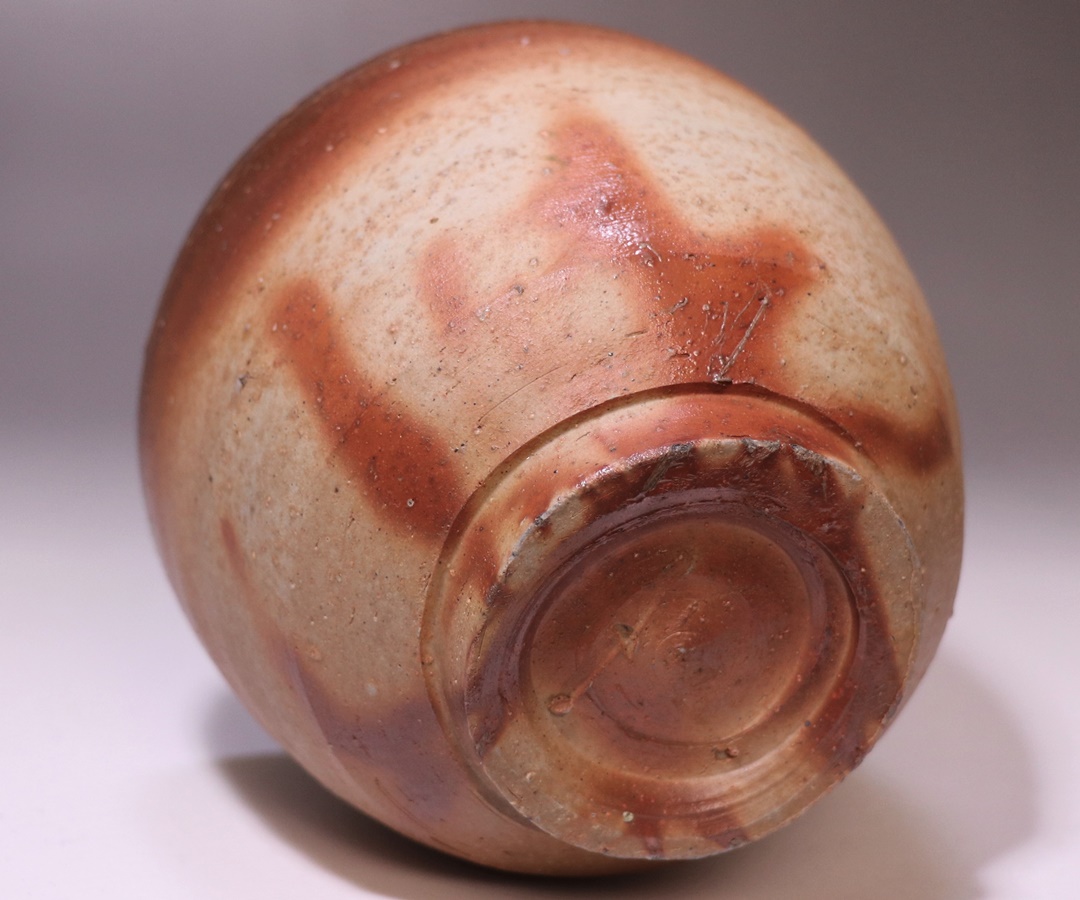
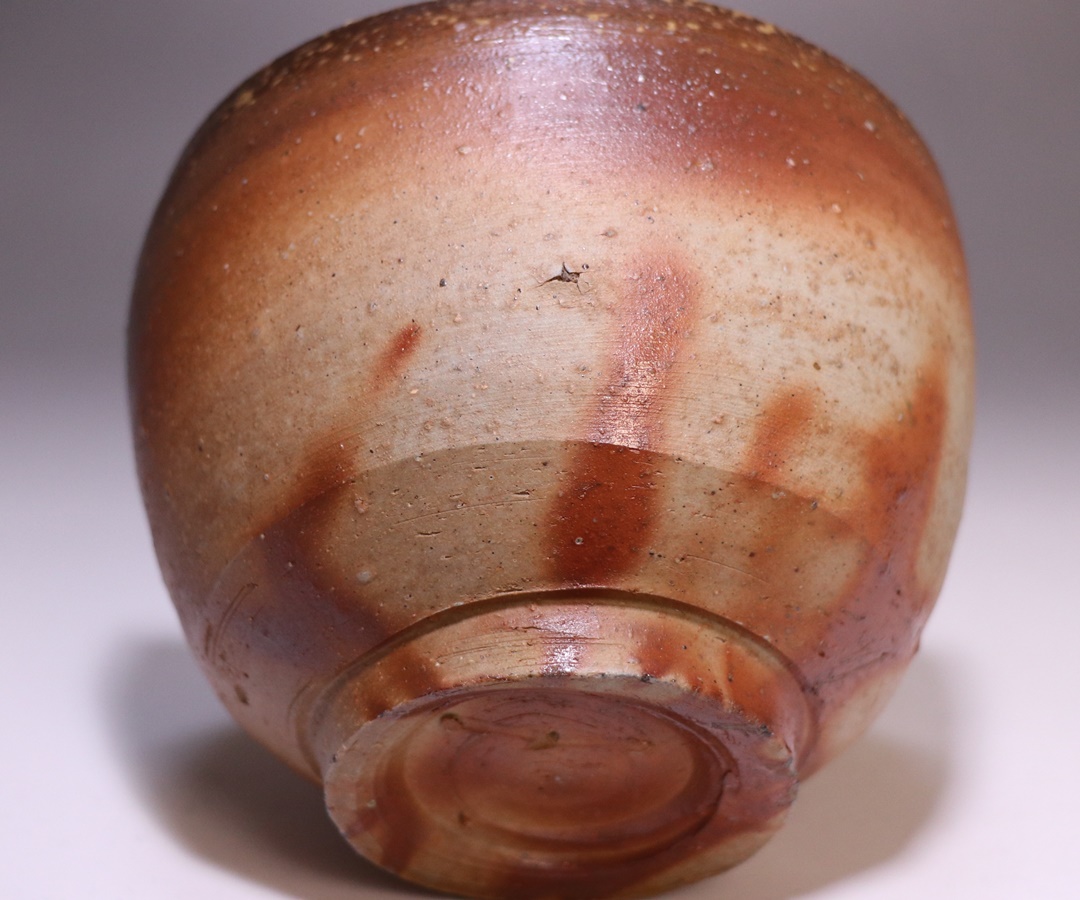
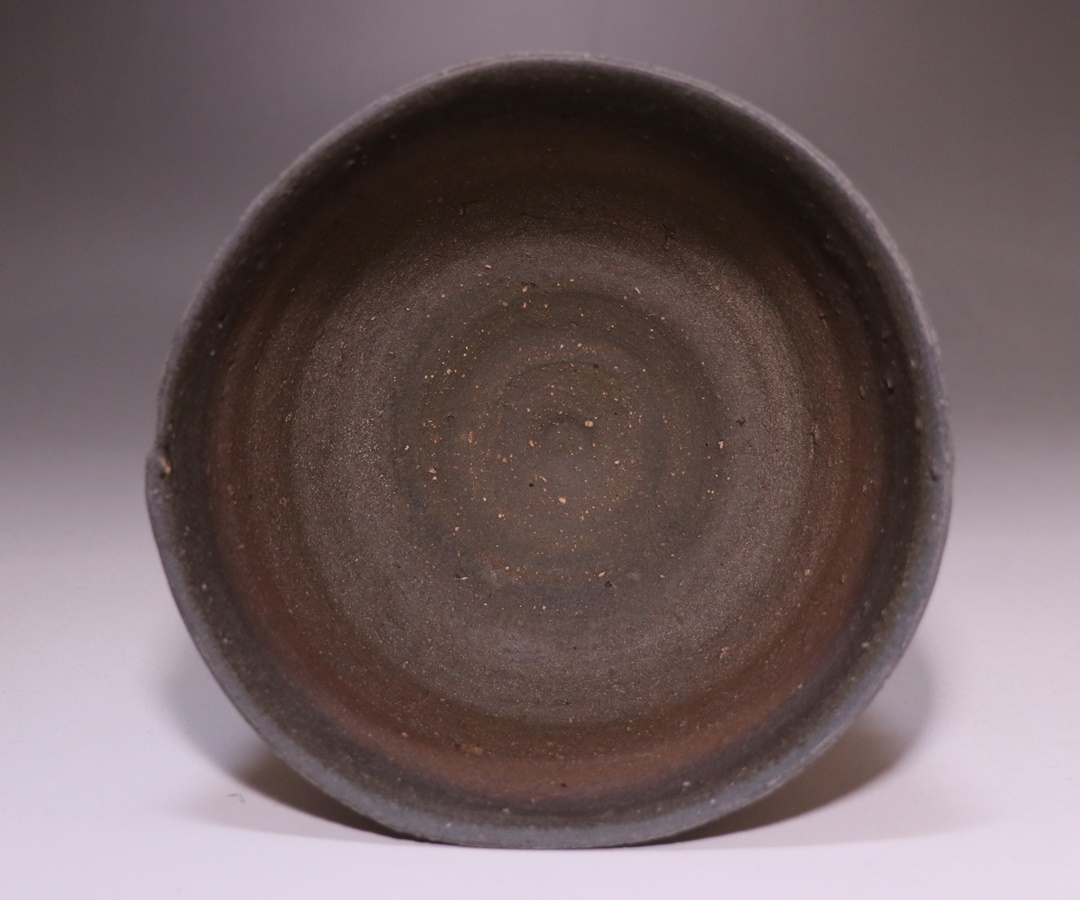
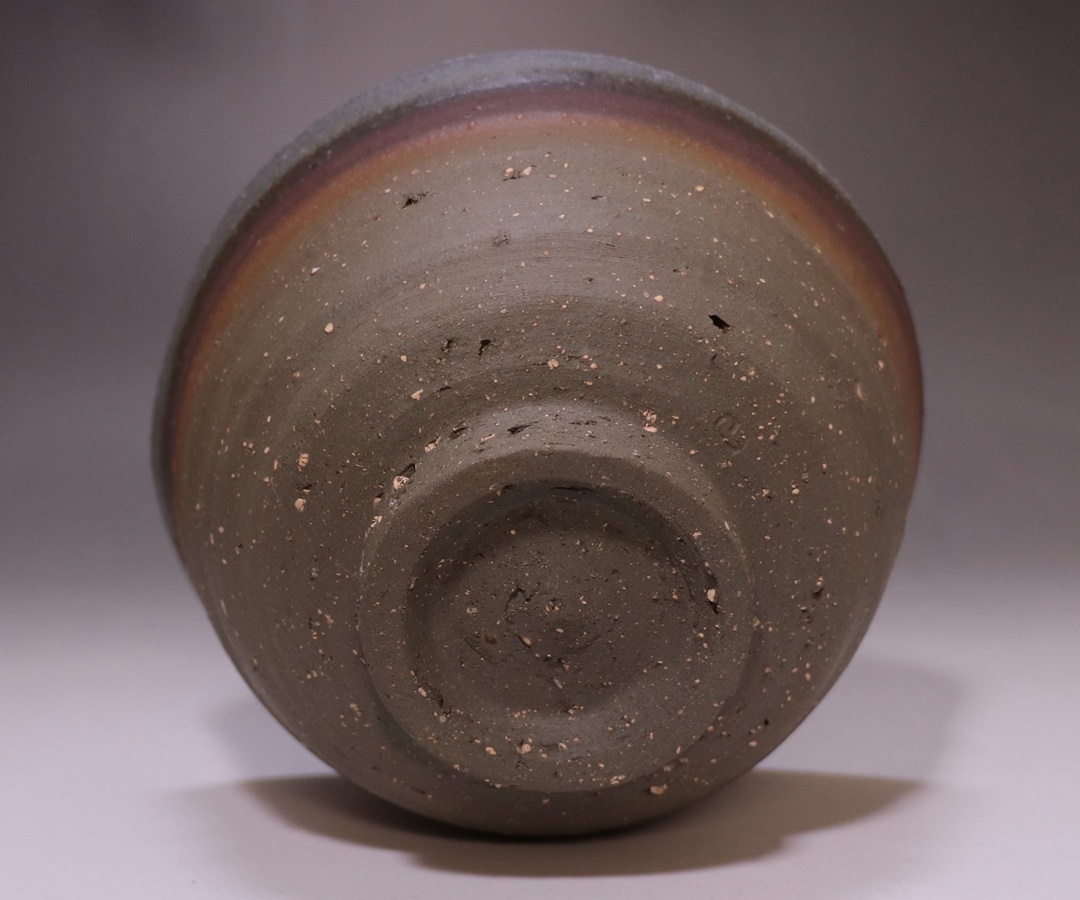
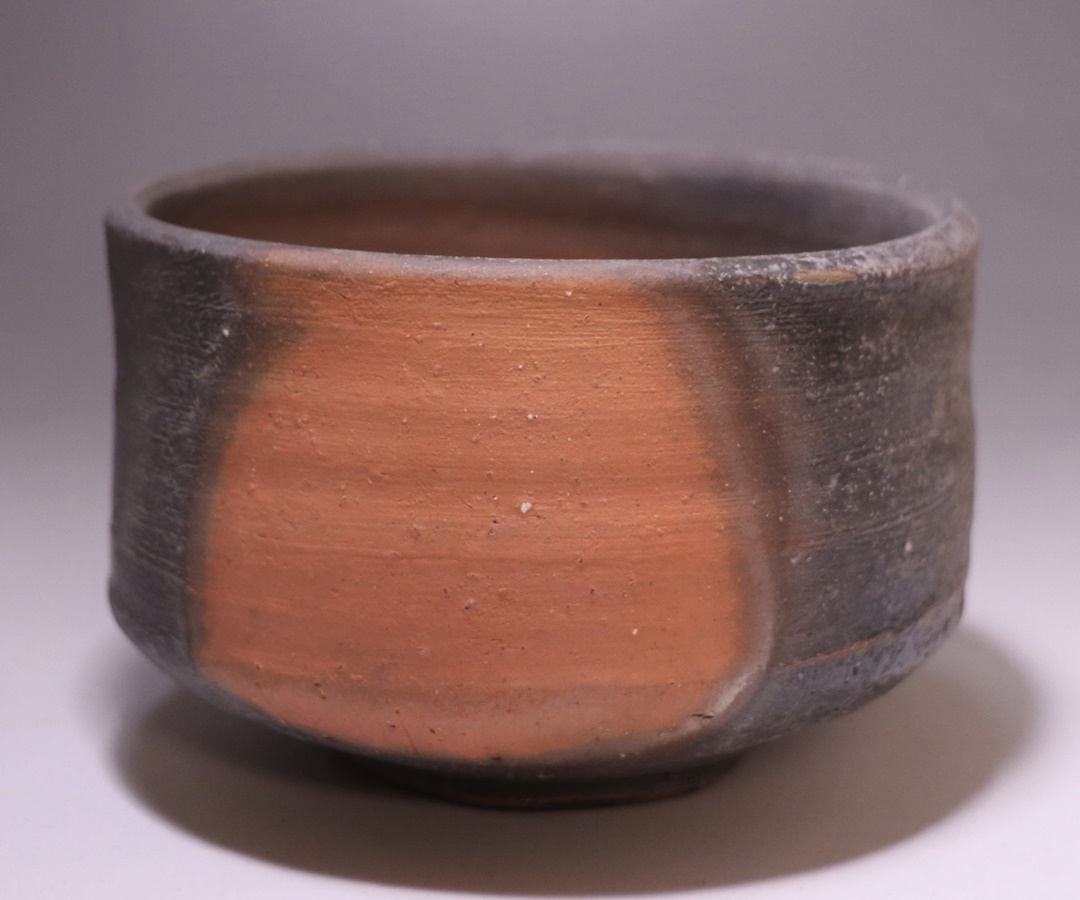
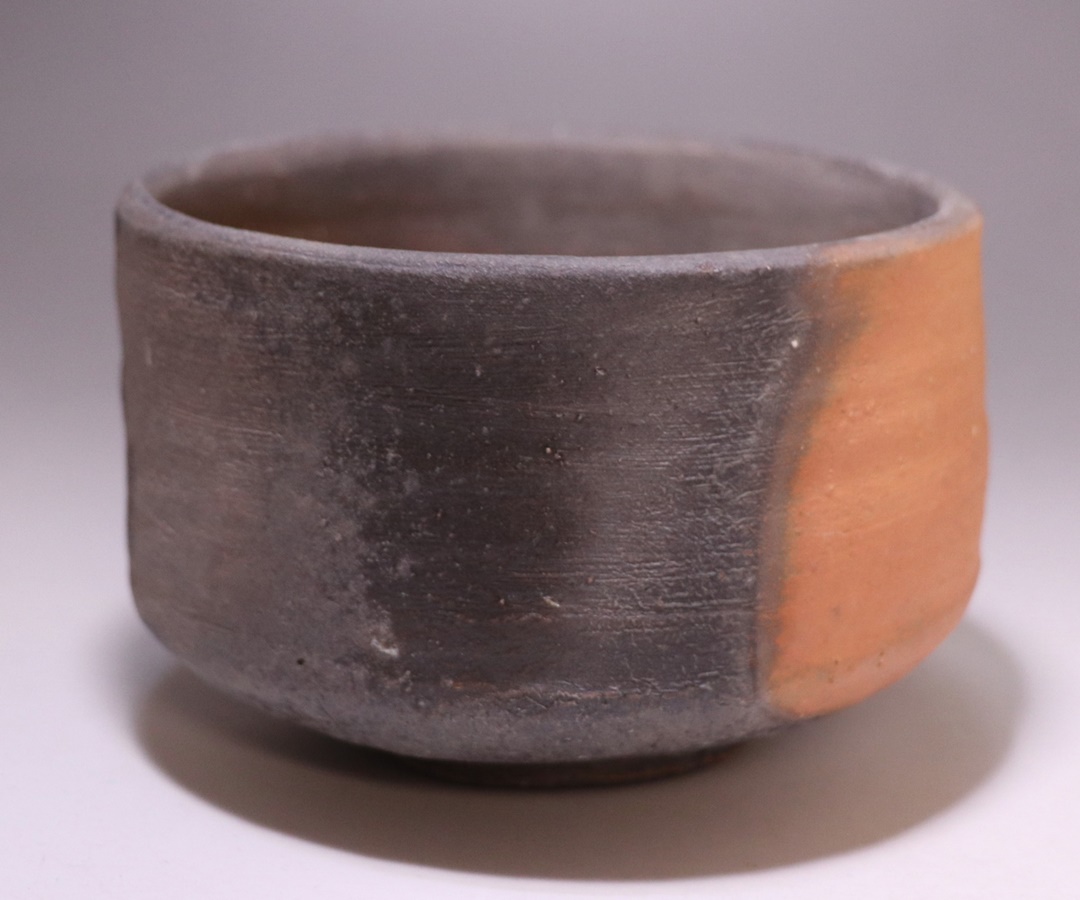
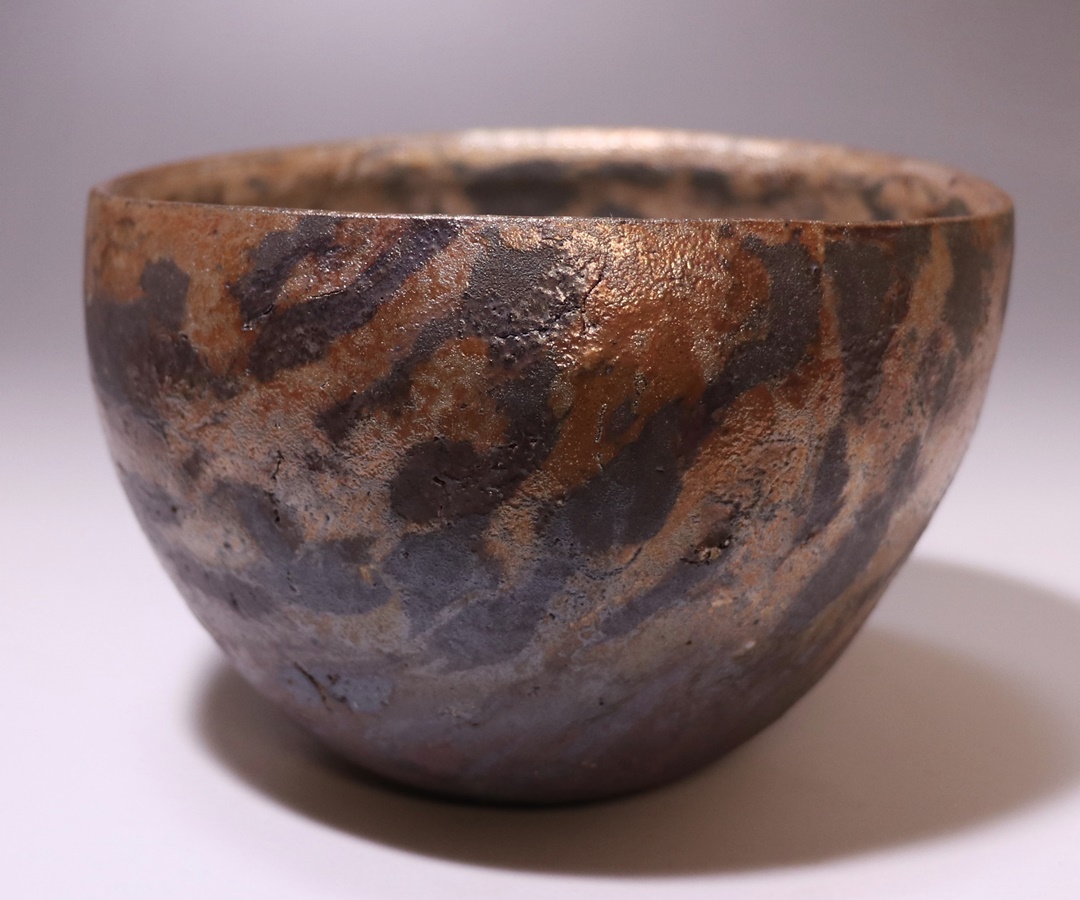
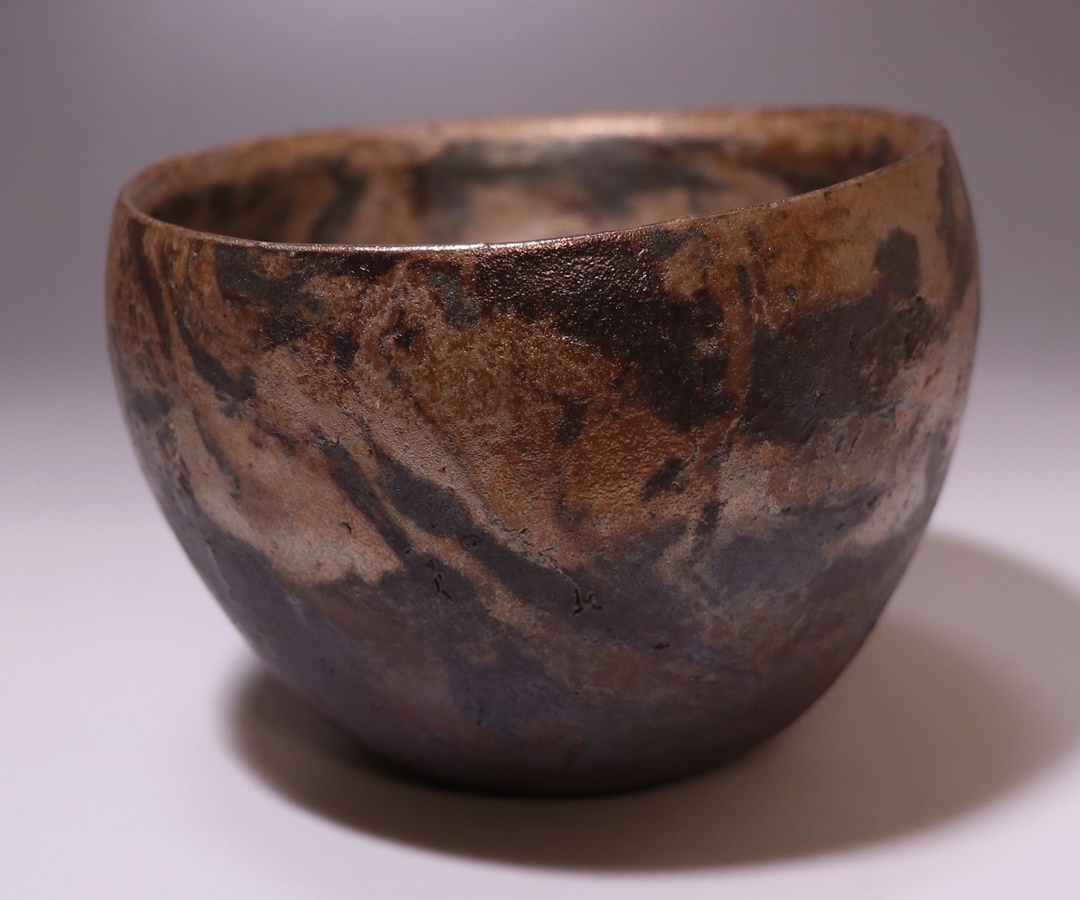
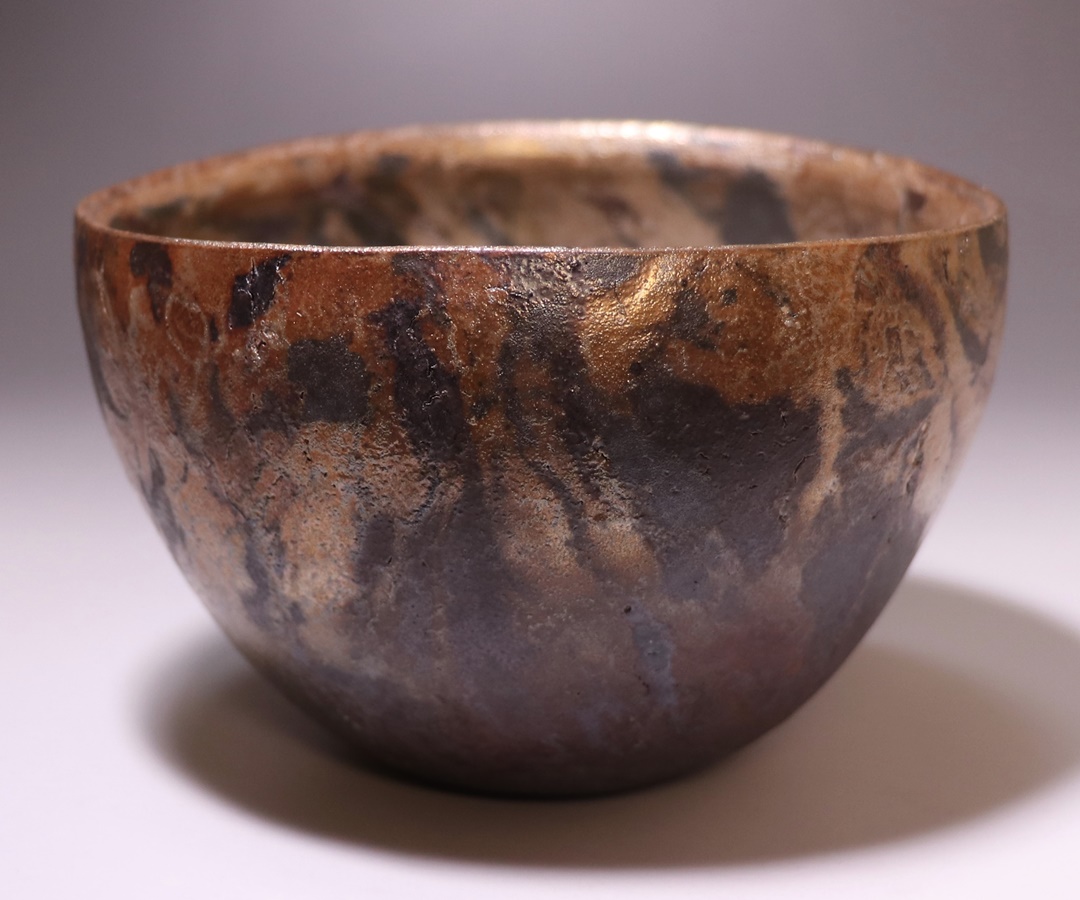
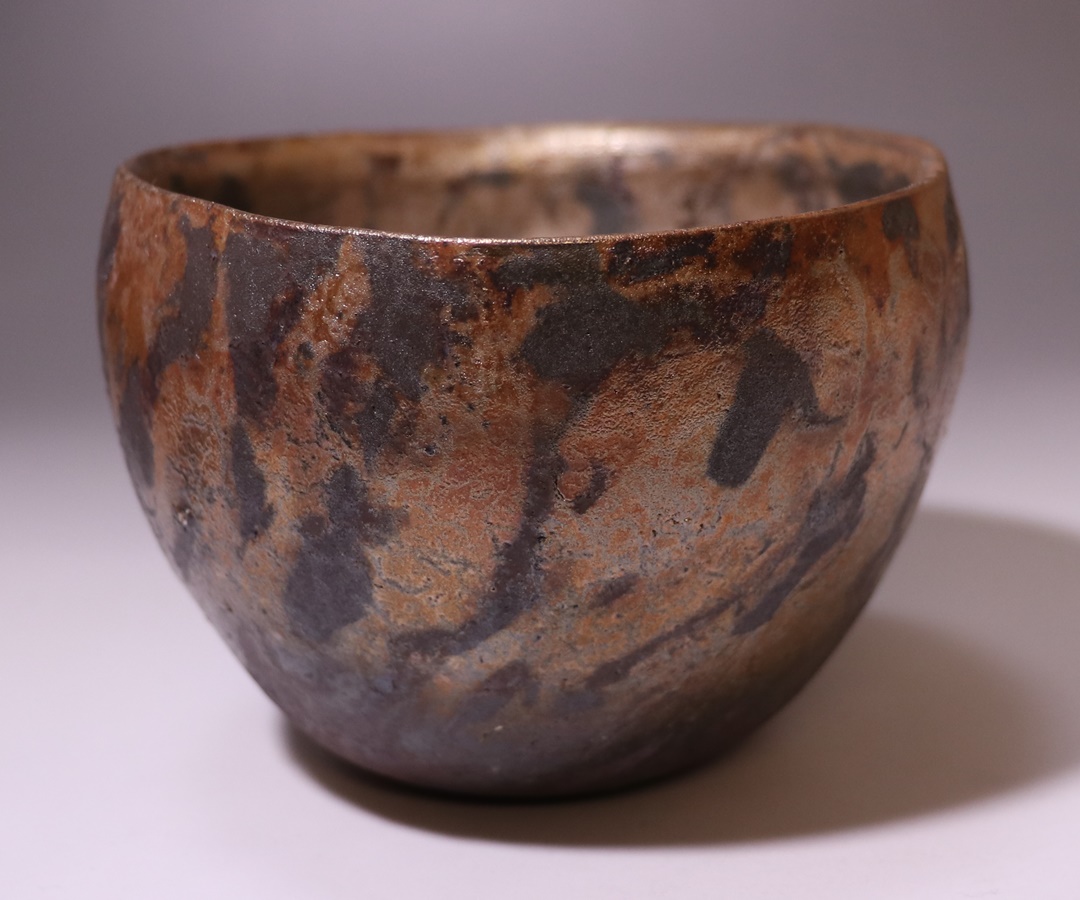
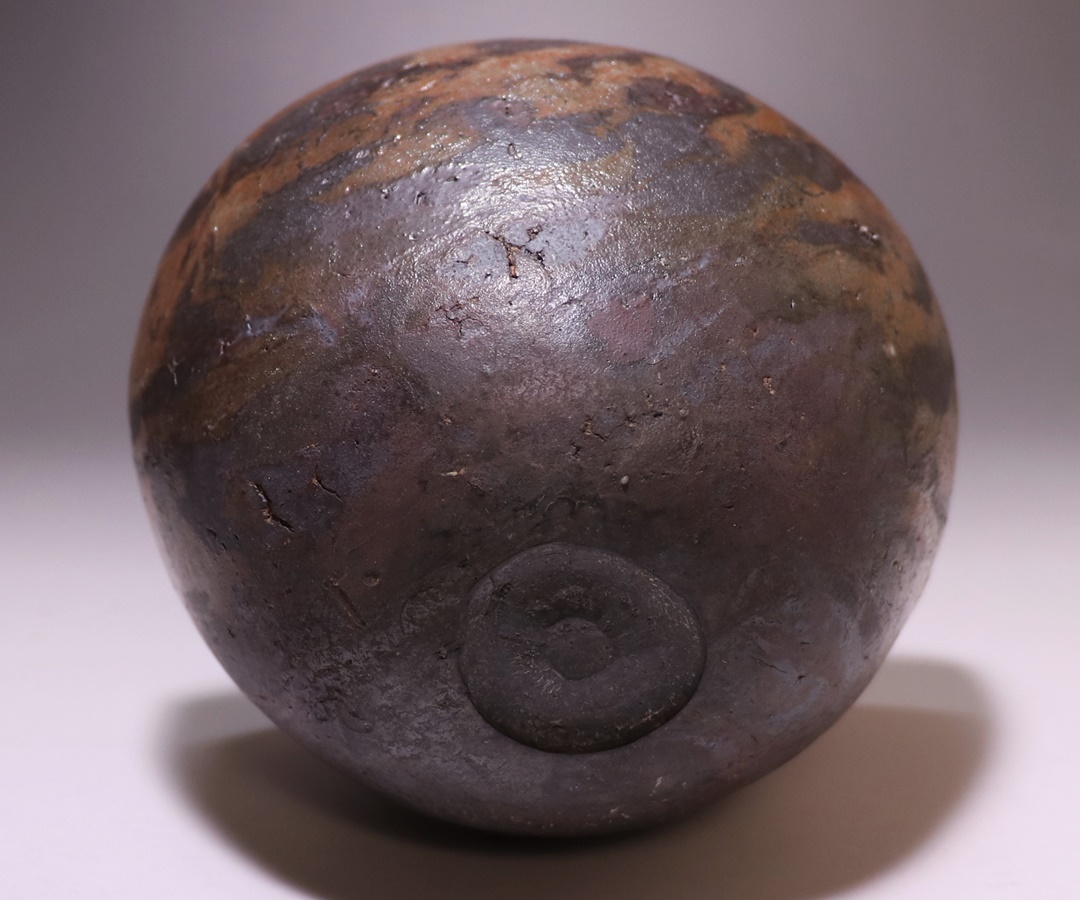
Koji Nakahara - Susogo Kinsai Chawan
55,000 YEN
size : W13.0cm×12.0cm×H9.0cmKoji Nakahara is a potter who works in two places, Osaka and Bizen.
He is commissioned to make bespoke tableware by a famous restaurant in Osaka.
And in Bizen, he is learning about Bizen ware from his teacher, Fumio Kawabata.
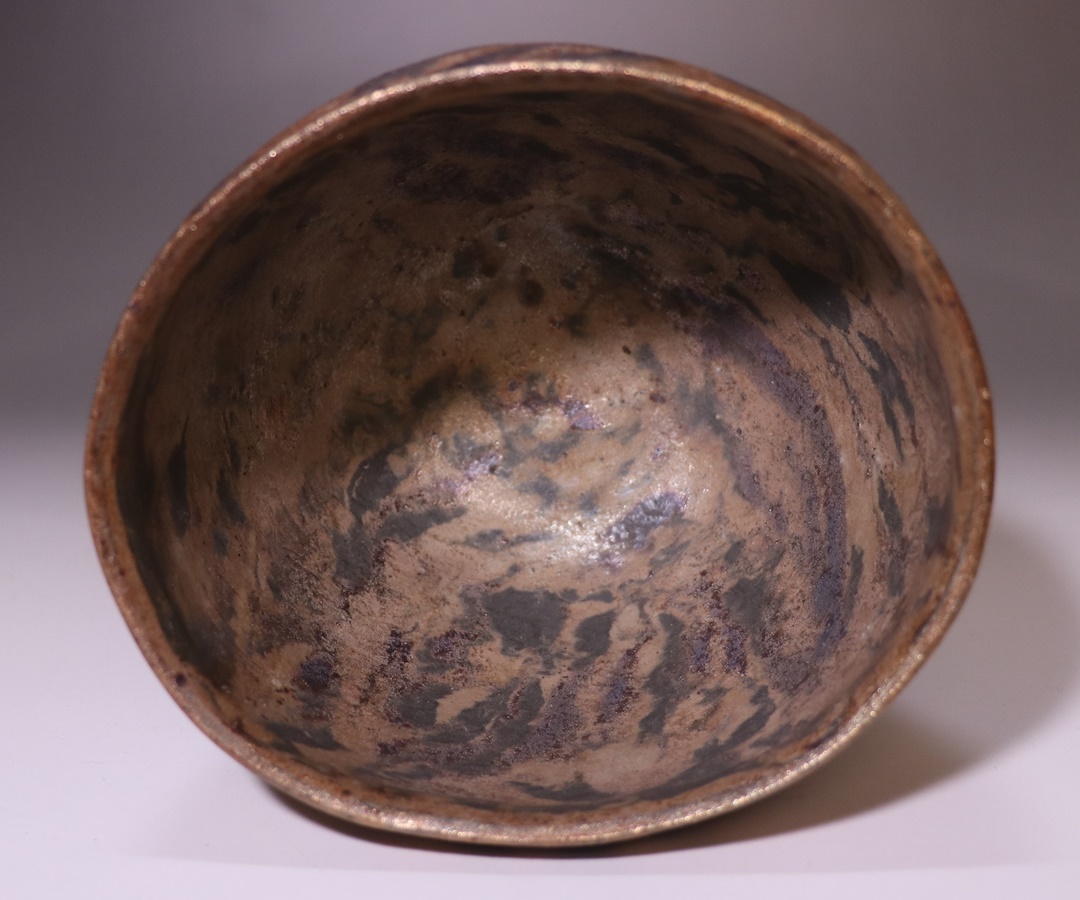
He uses an electric kiln to turn Hidasuki into a metallic color.
And the clay is not completely mixed to make it even.
As a result, the metallic color looks like a tiger pattern.
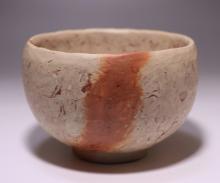


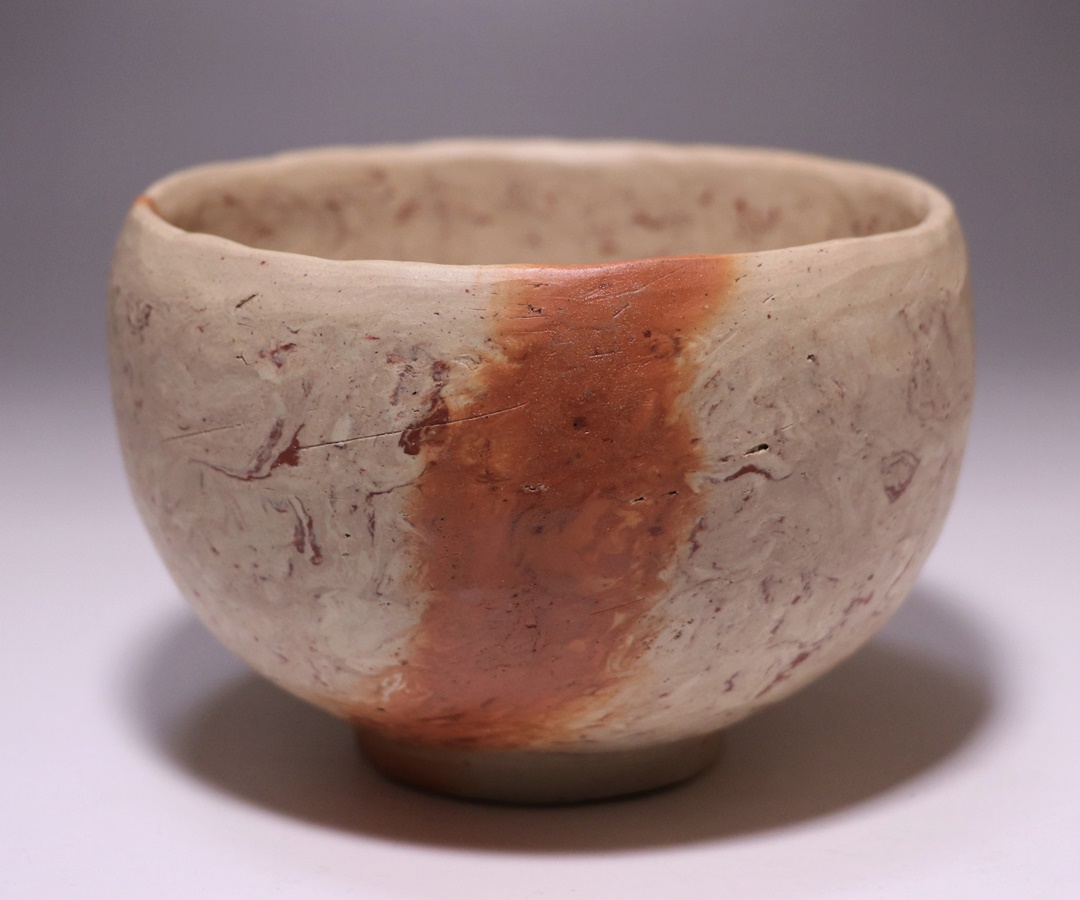
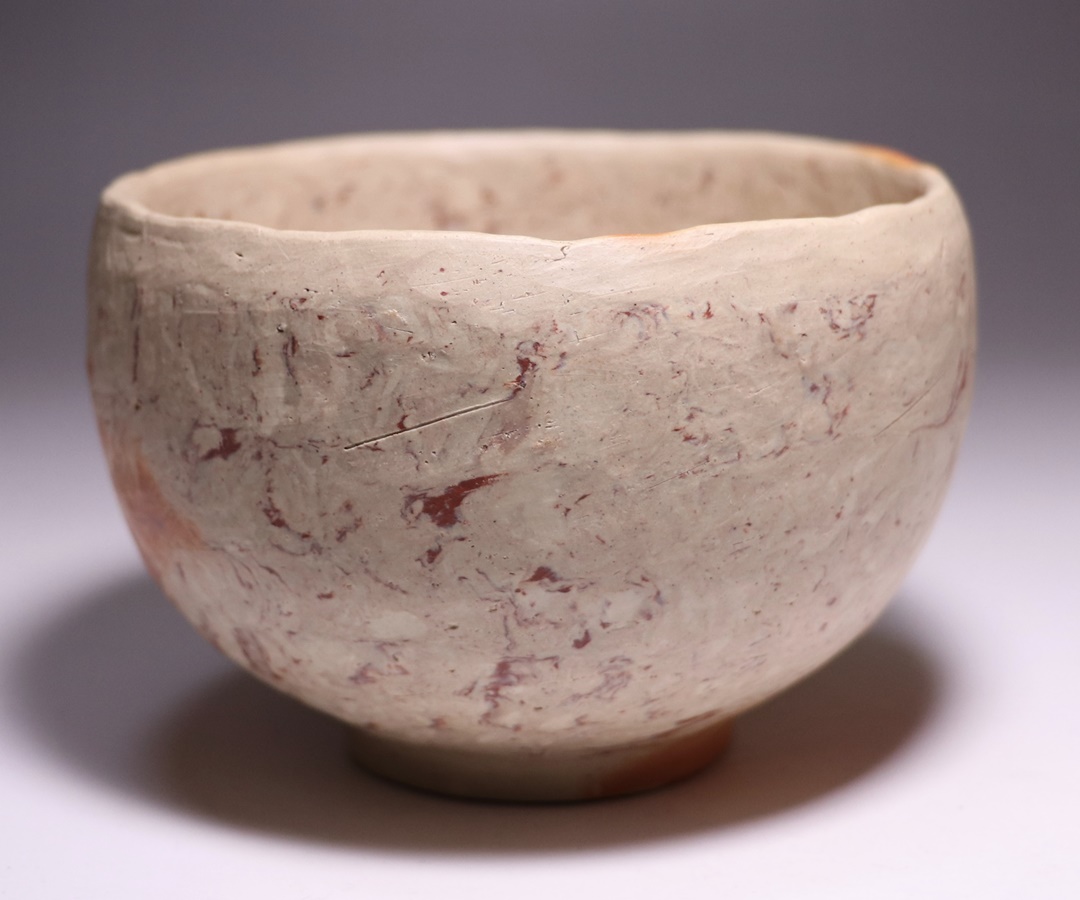
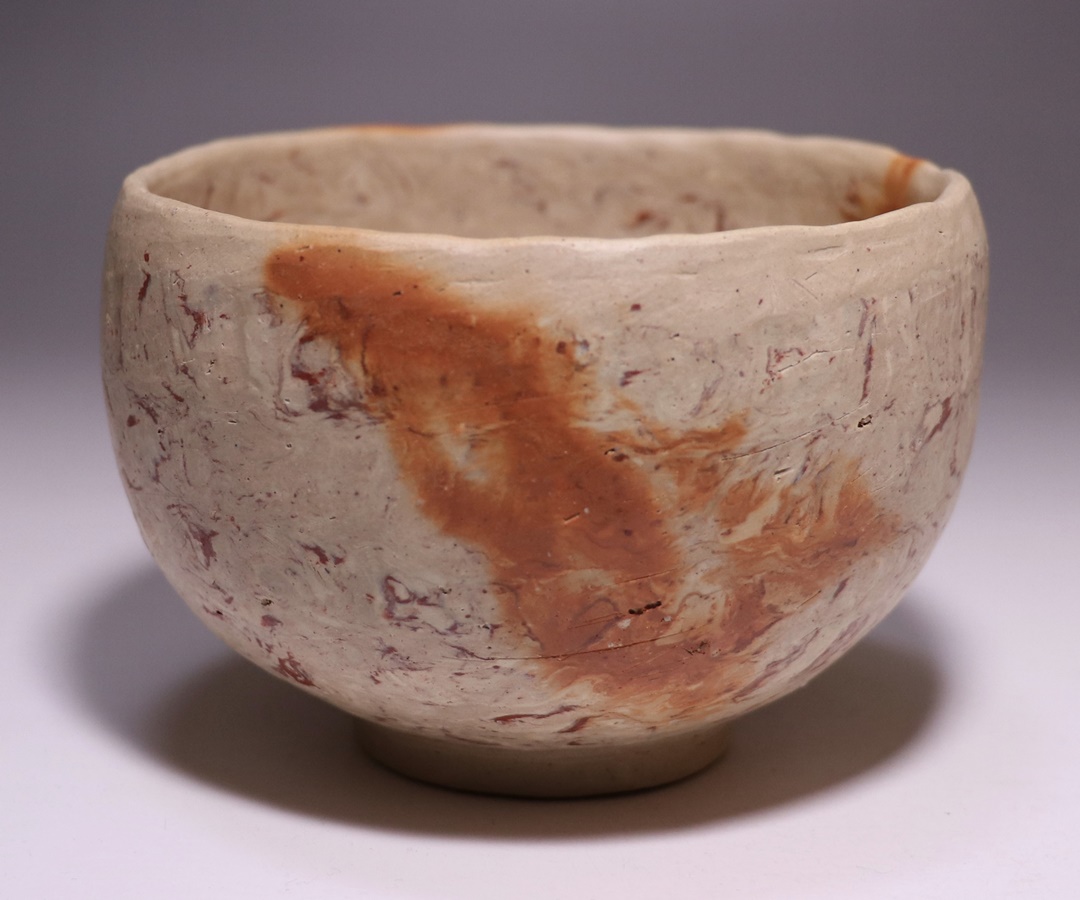
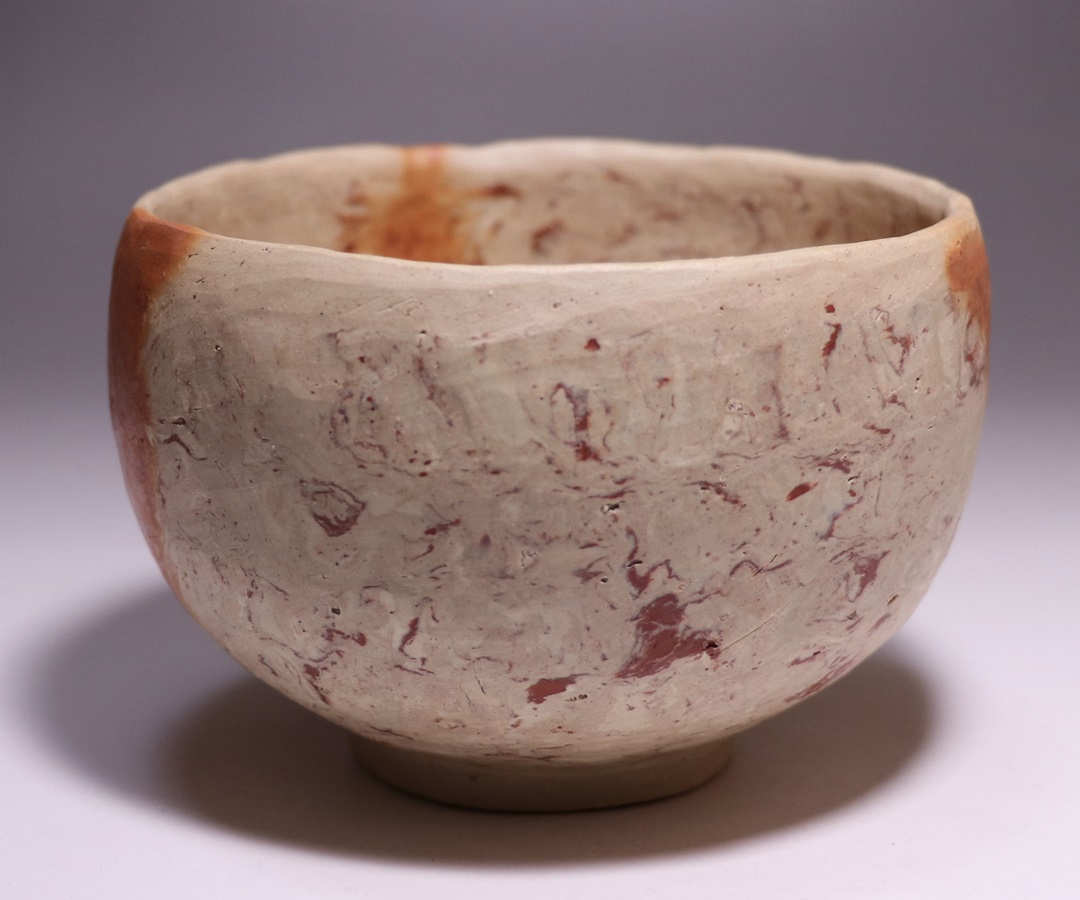
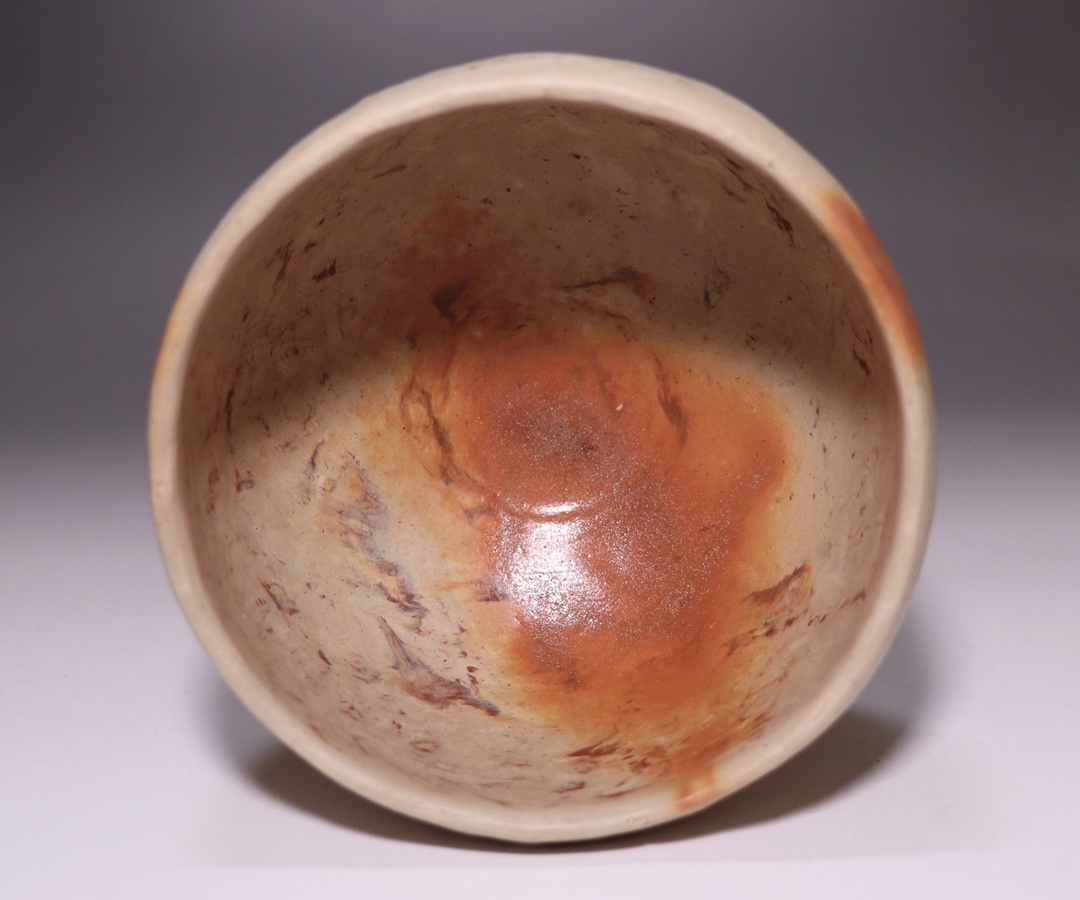
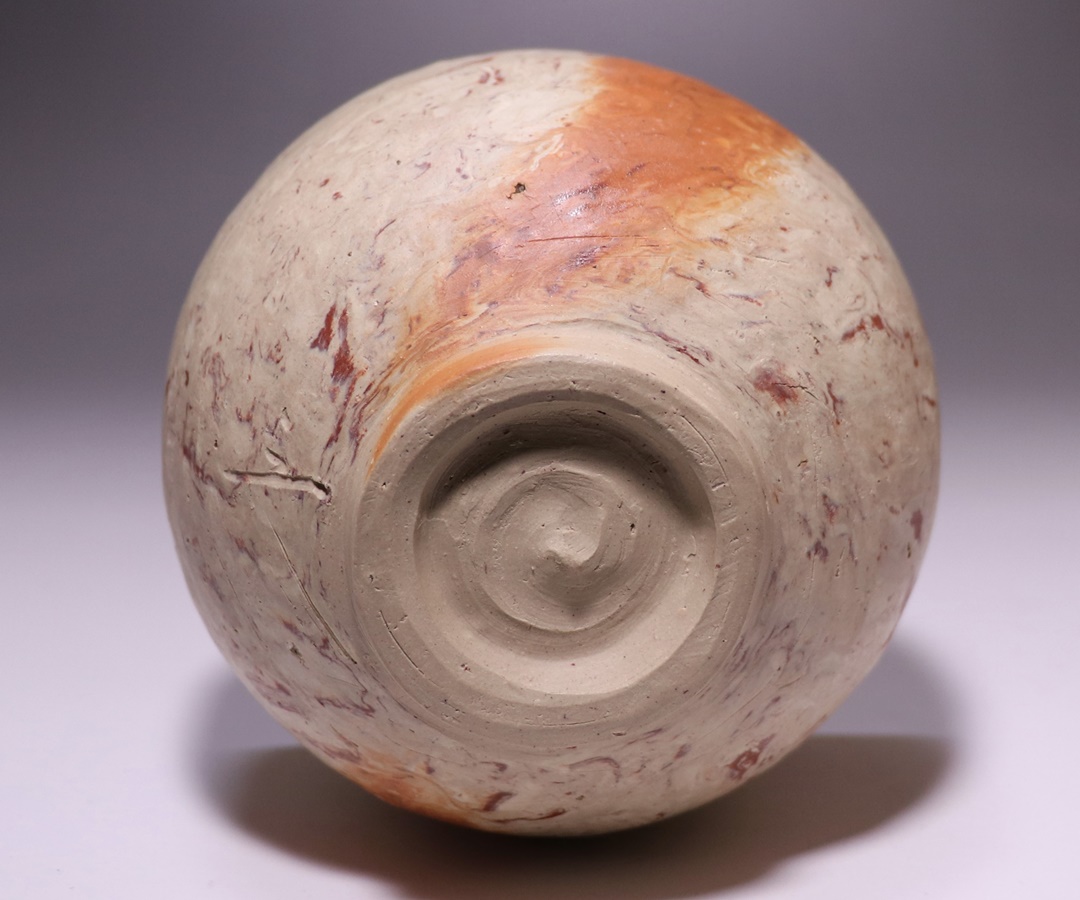
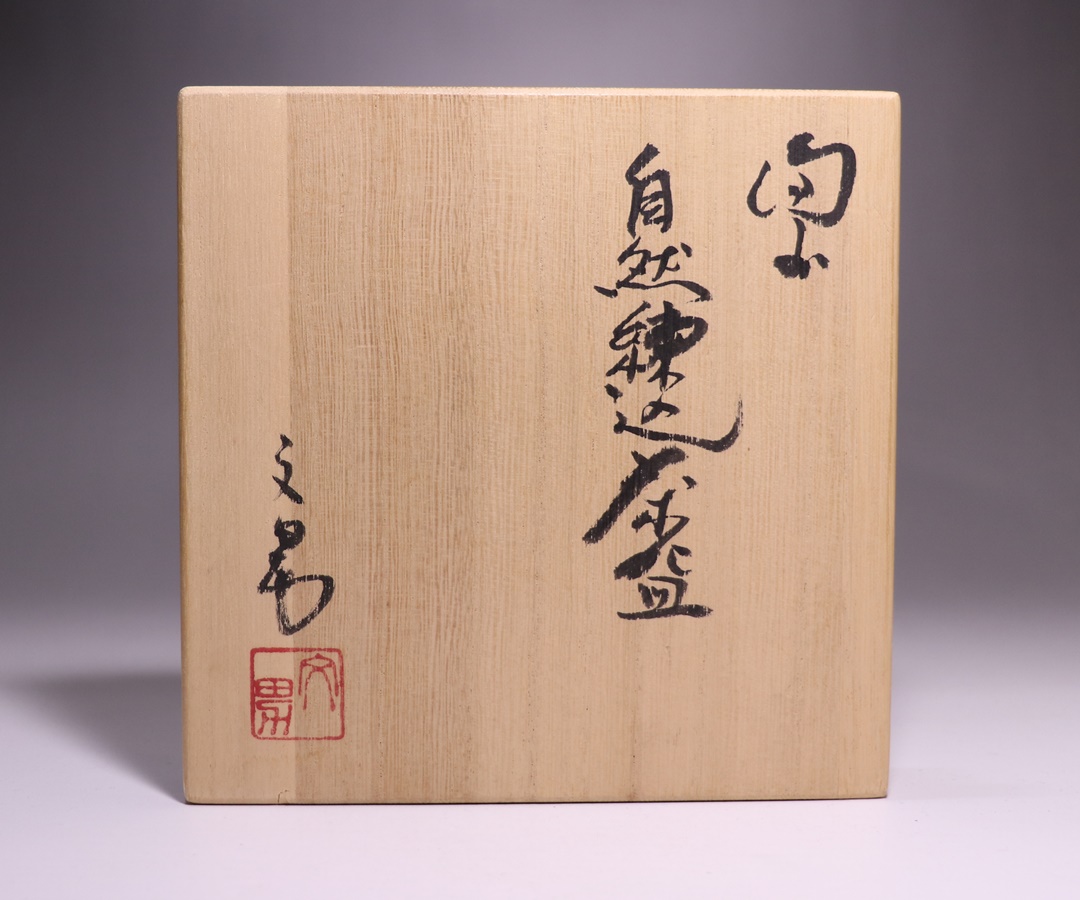
Fumio Kawabata - Bizen Shizen Nerikomi Chawan
20,000 YENSold out
size : W11.7cm×11.6cm×H7.9cmThis works was produced using the technique of "Shizen Nerikomi".
"Shizennerikomi" means natural kneading.
Using techniques devised by Fumio Kawabata, he creates works without completely mixing clay.
The difference in the composition of each clay results in a different color and a marble pattern.
The red part of this Chawan is Hidaski.
FIRST PREV 4 / 6 page NEXT LAST