
Products
| Bizen Sake Bottle & sake Cup | Tea Ceremony Things | Bizen Flower Vase | Bizen Dish & Bowl | Others |
Others
466 Items
FIRST PREV 3 / 39 page NEXT LAST
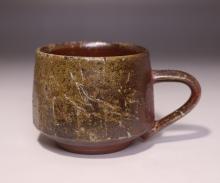


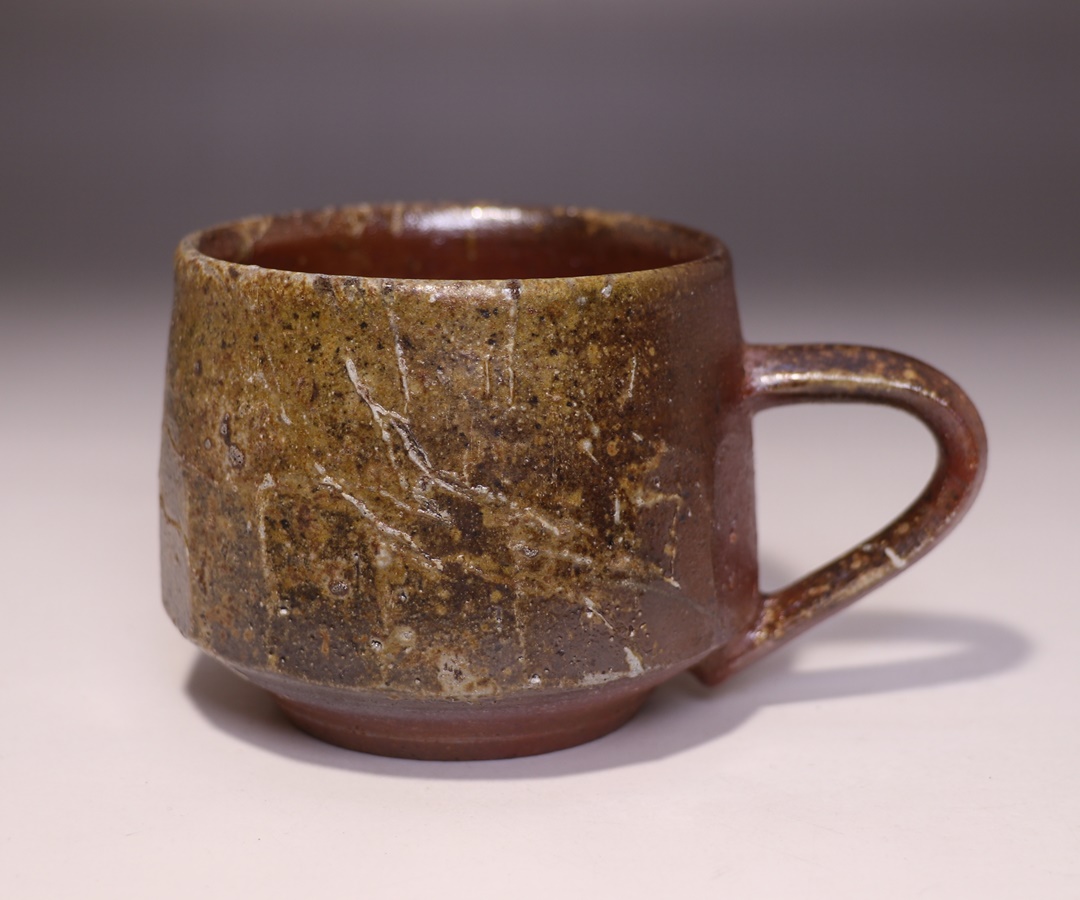
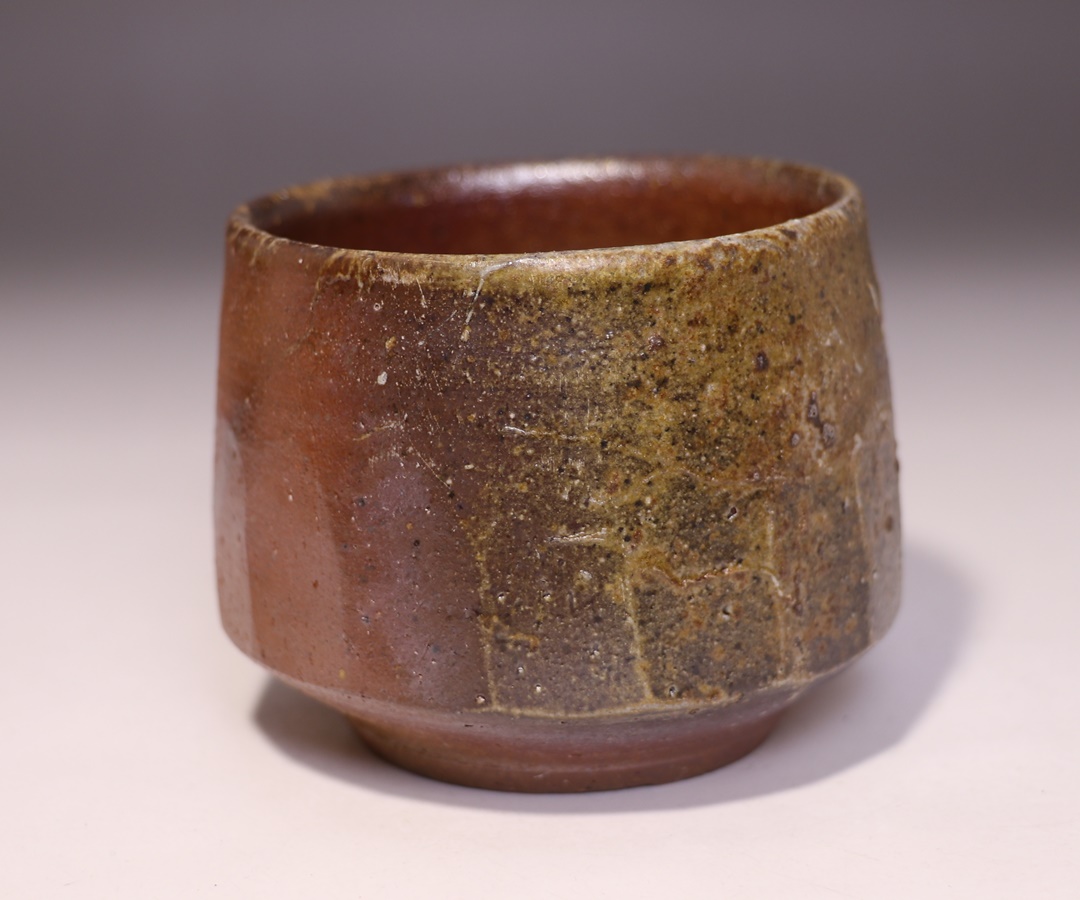
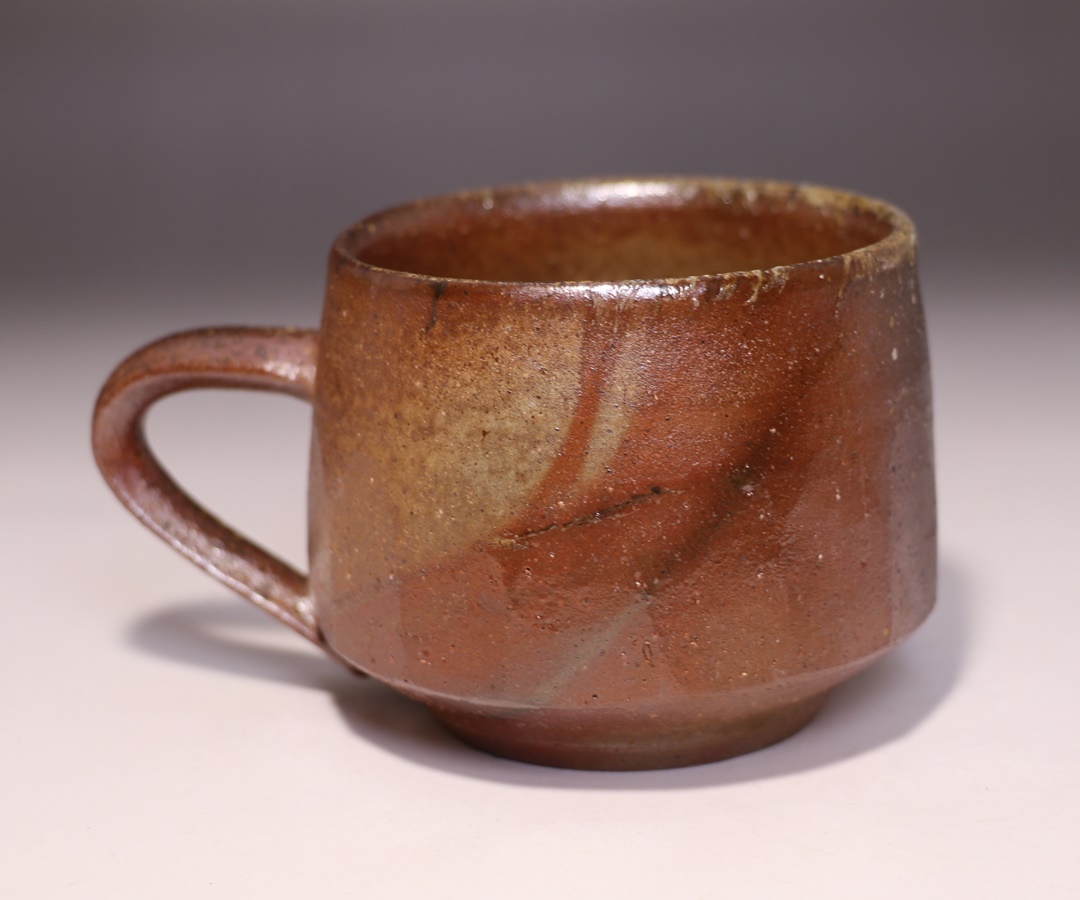
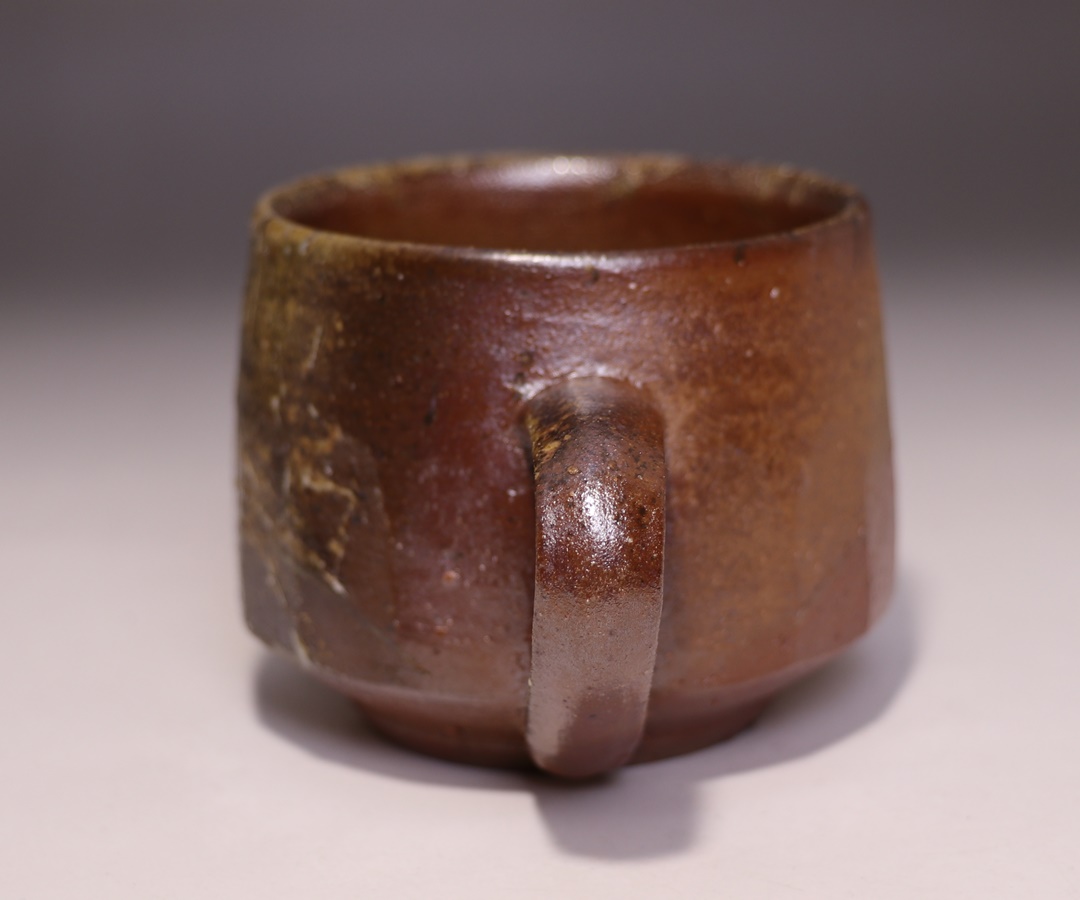
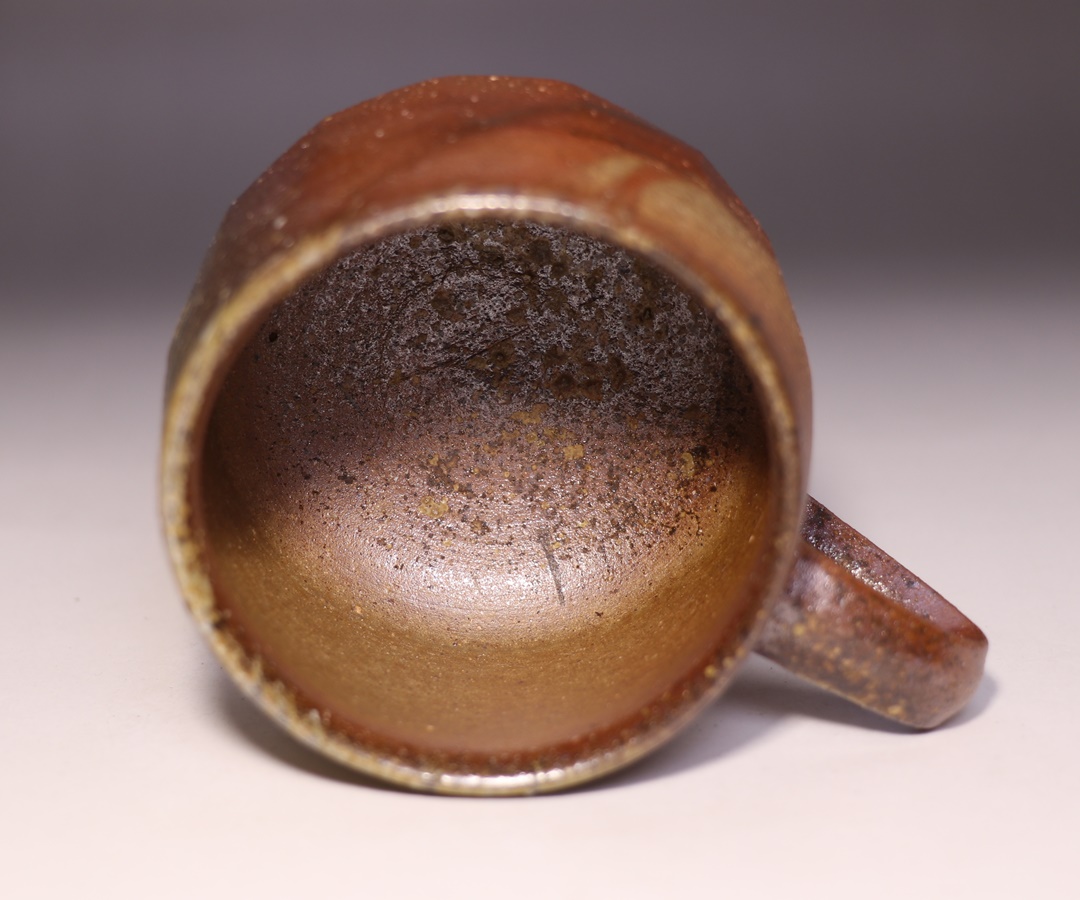
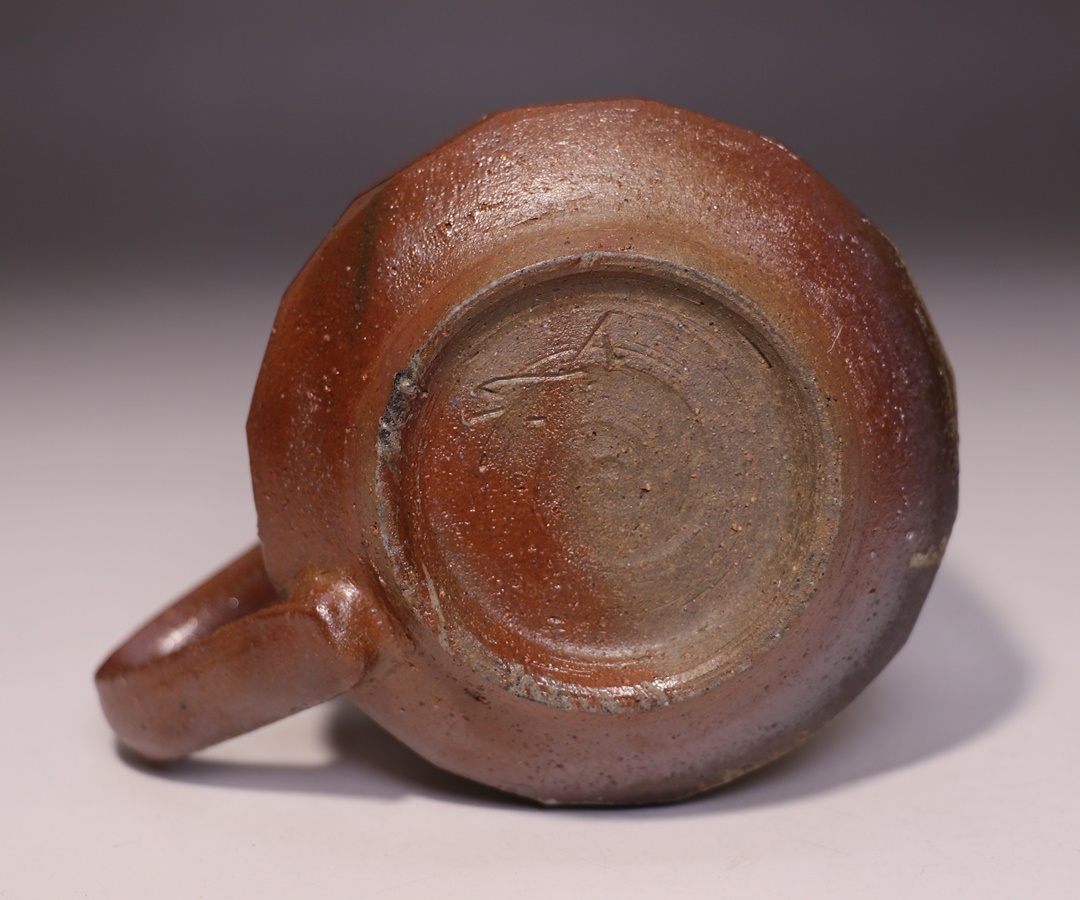
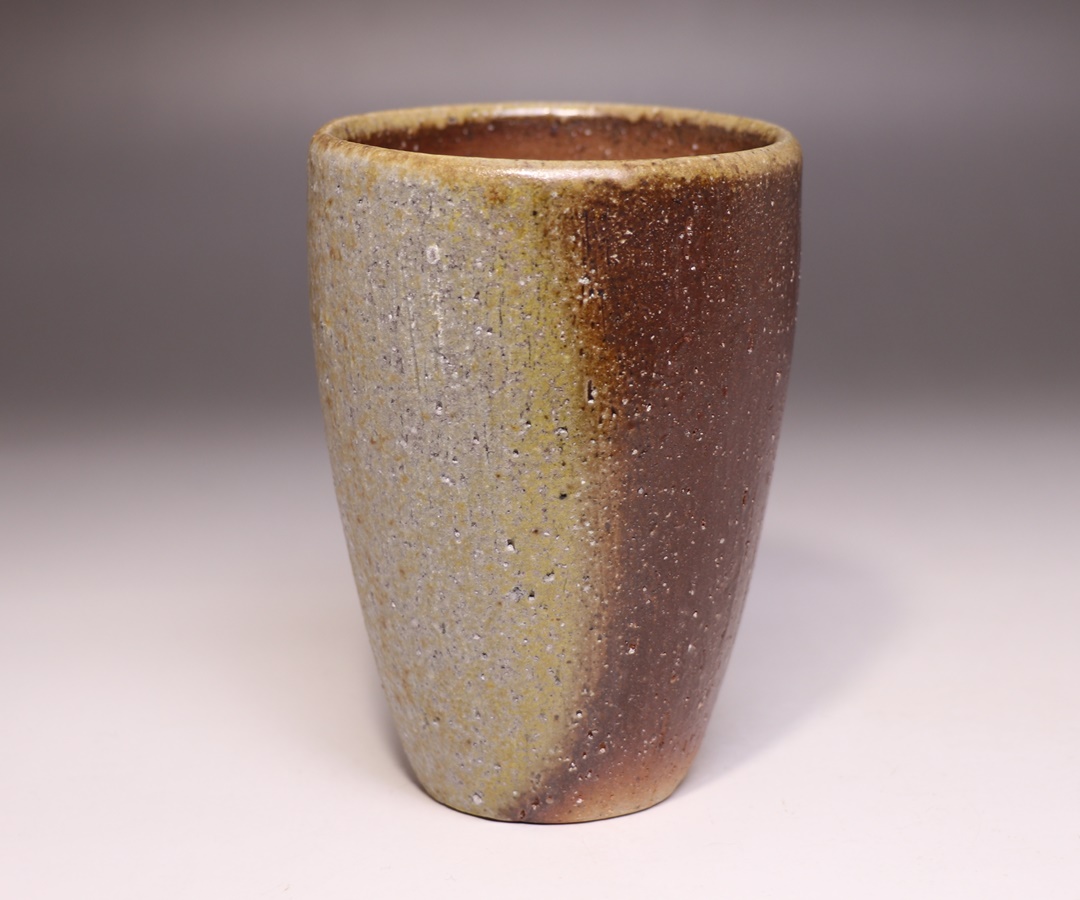
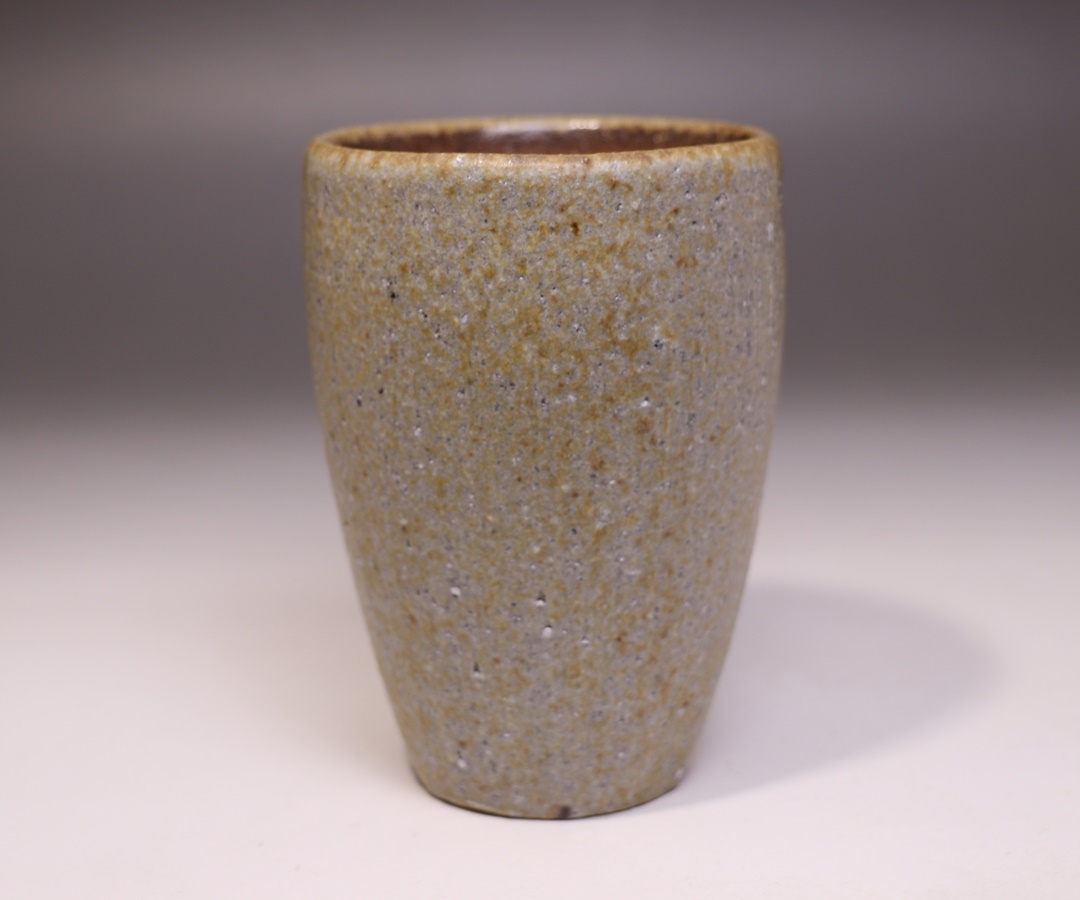
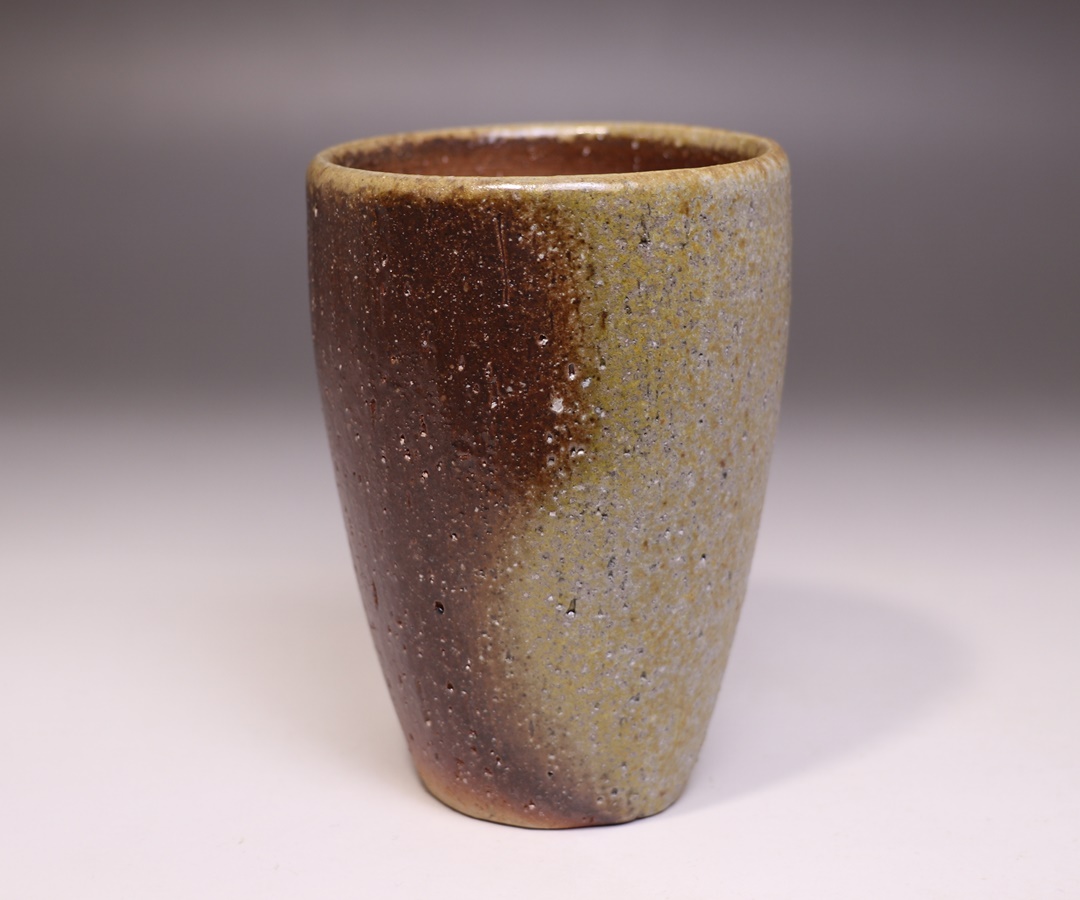
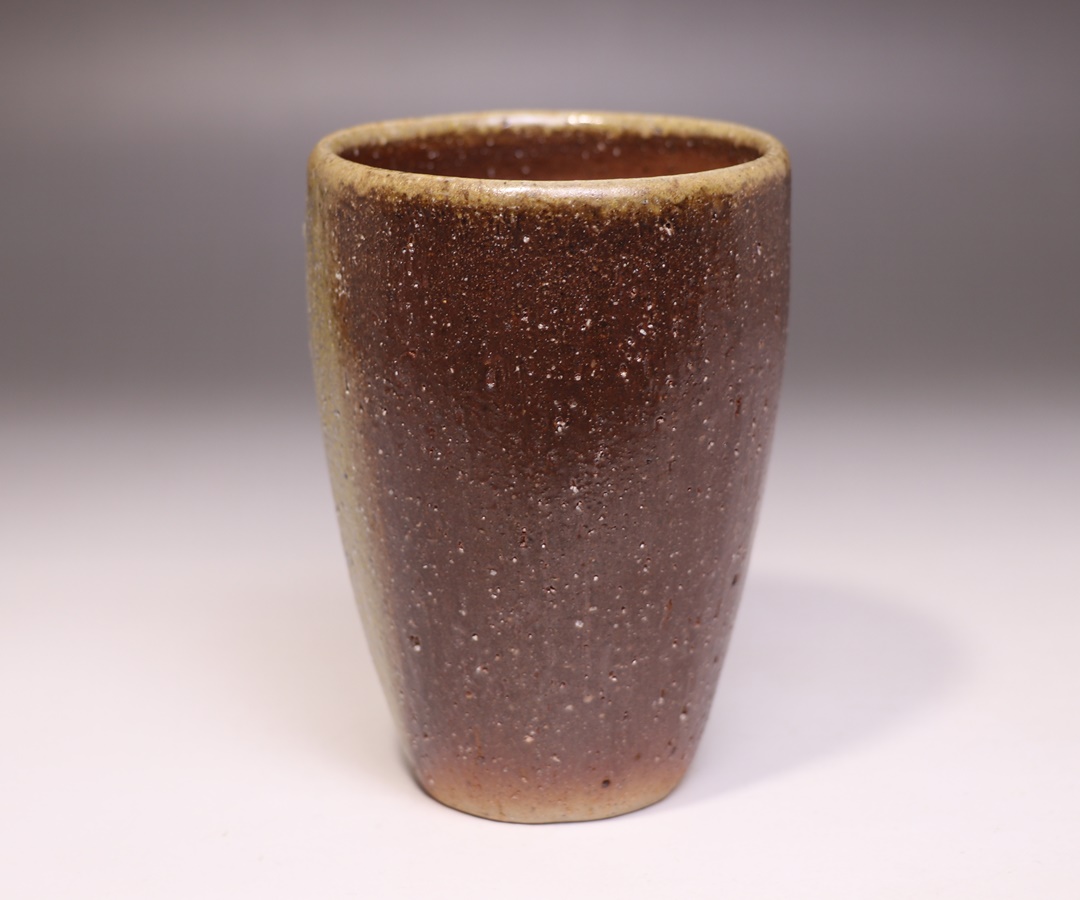
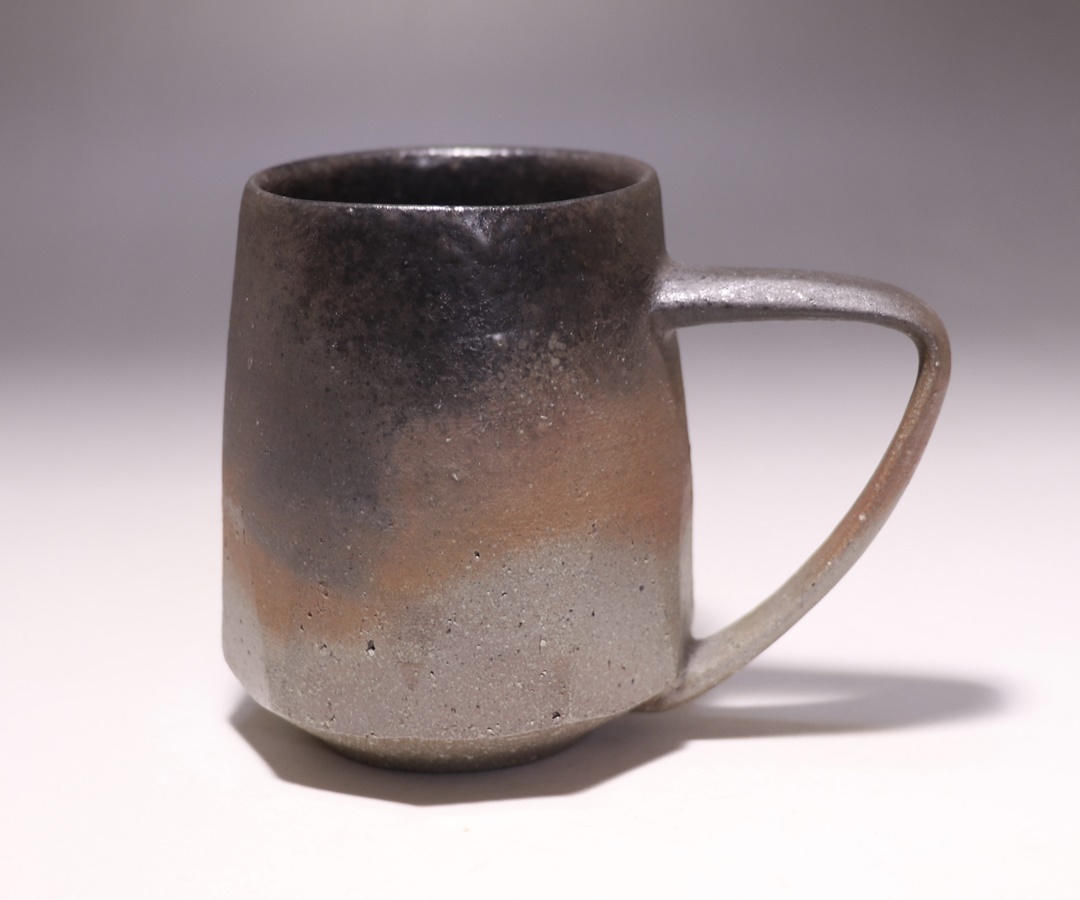
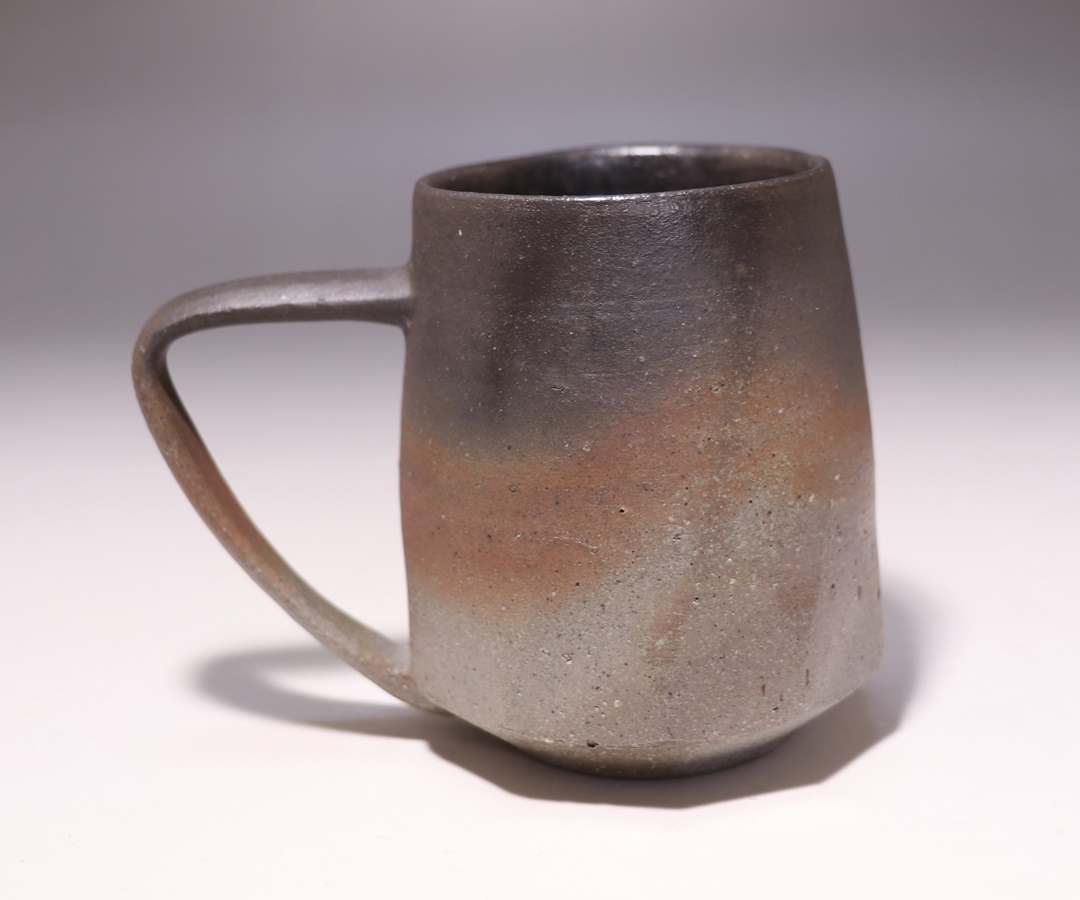
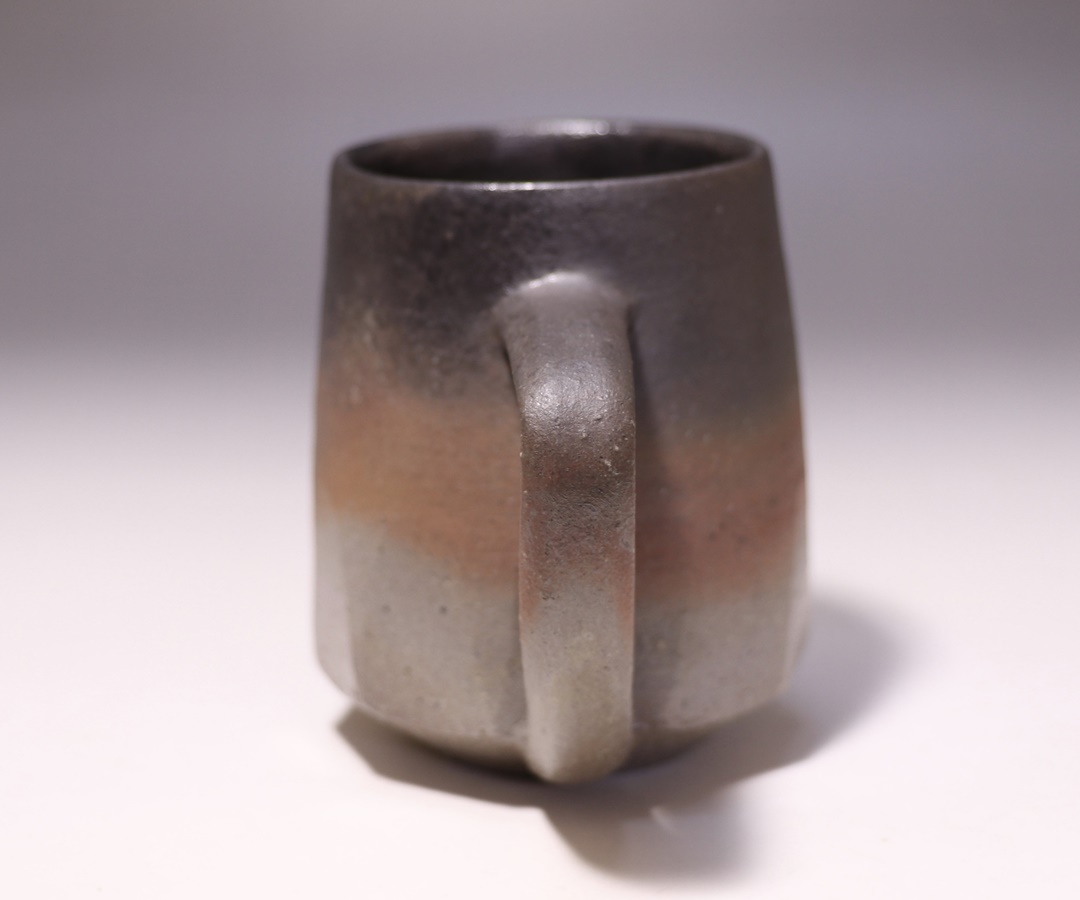
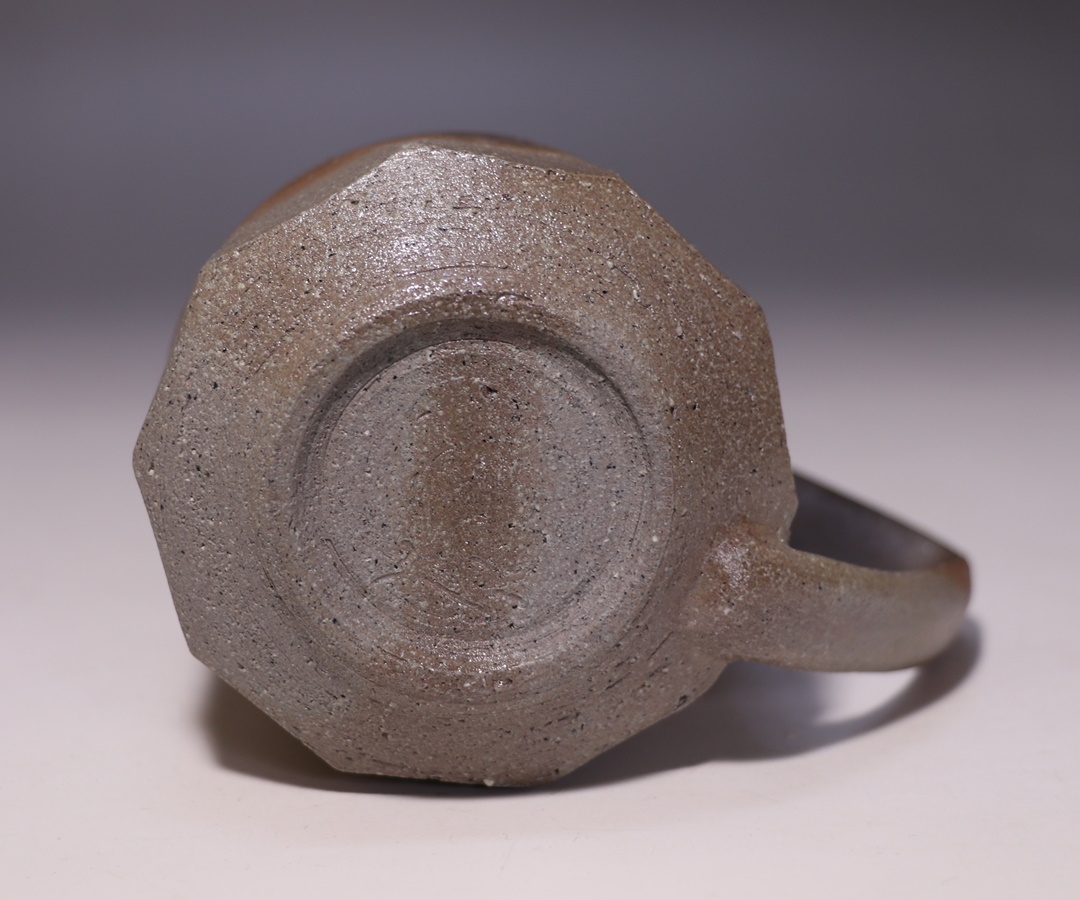
Sohei Takashima - Bizen Mugcup
4,950 YENSold out
size : W11.2cm×8.2cm×H6.6cmAfter completing his training at Jun Isezaki’s studio, Sohei Takashima received the Contemporary Ceramic Art Encouragement Award from the Japan Ceramic Society, marking a brilliant debut. This is his Bizen Mug Cup.
Sohei Takashima studied under Jun Isezaki, the fifth Living National Treasure of Bizen ware, and later established himself in Ushimado, Setouchi City. This is one of his Bizen Mug Cups.
The main appeal of this piece lies in the fire patterns created through Anagama firing, a specialty of the Isezaki lineage. A wide variety of Yohen effects appear across the reddish-brown surface characteristic of Bizen ware.
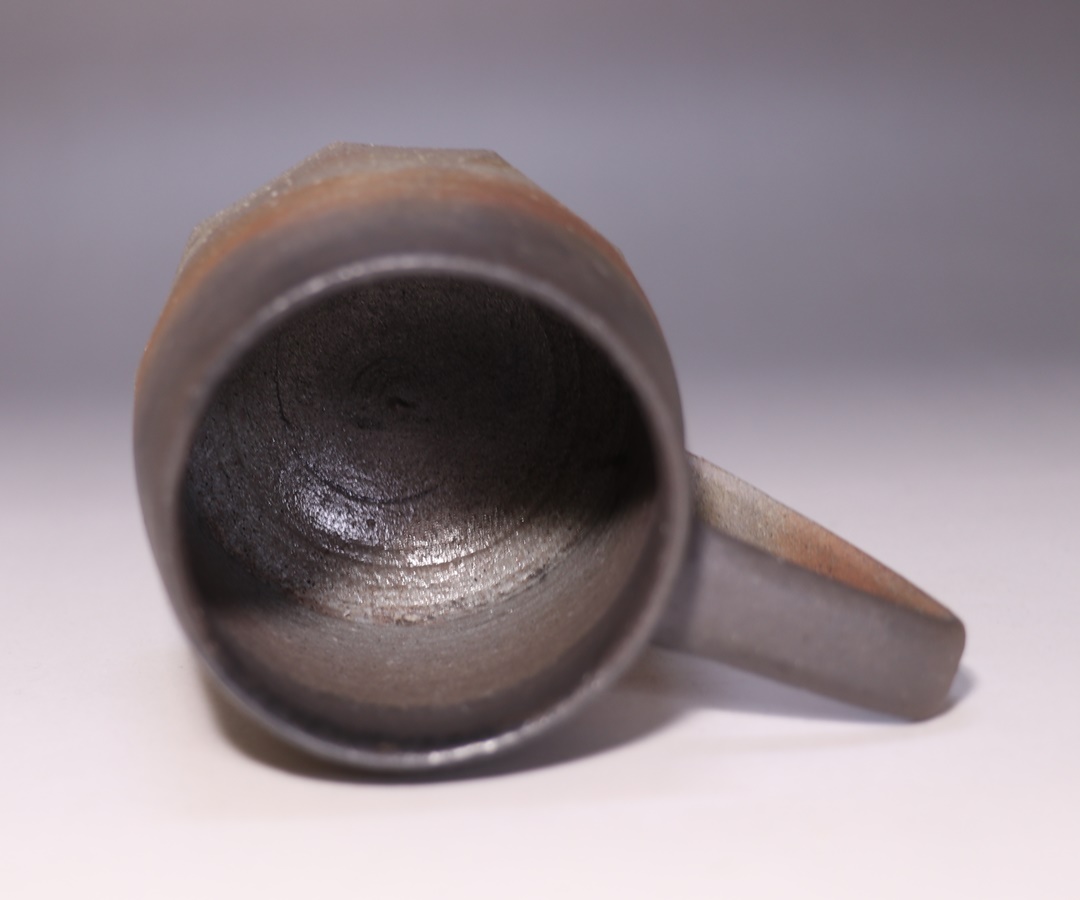
The front shows Tobi-Goma and Ito-Goma, while the reverse displays rich Hidasuki. Inside, even finer particles than Tobi-Goma, known as Mijin-Goma, appear across the surface, resulting in a firing that seems to encompass the full range of Anagama Yohen effects.
Takashima crafts every work, from tableware to tea utensils, with exceptional care and attention to detail. This piece, with its carefully formed rising shape and the beautiful appearance of Ito-Goma and Hidasuki, already possesses a refined elegance as if it had been made by a seasoned veteran artist.
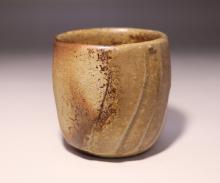


Masao Akiya - Bizen Yunomi
3,300 YENSold out
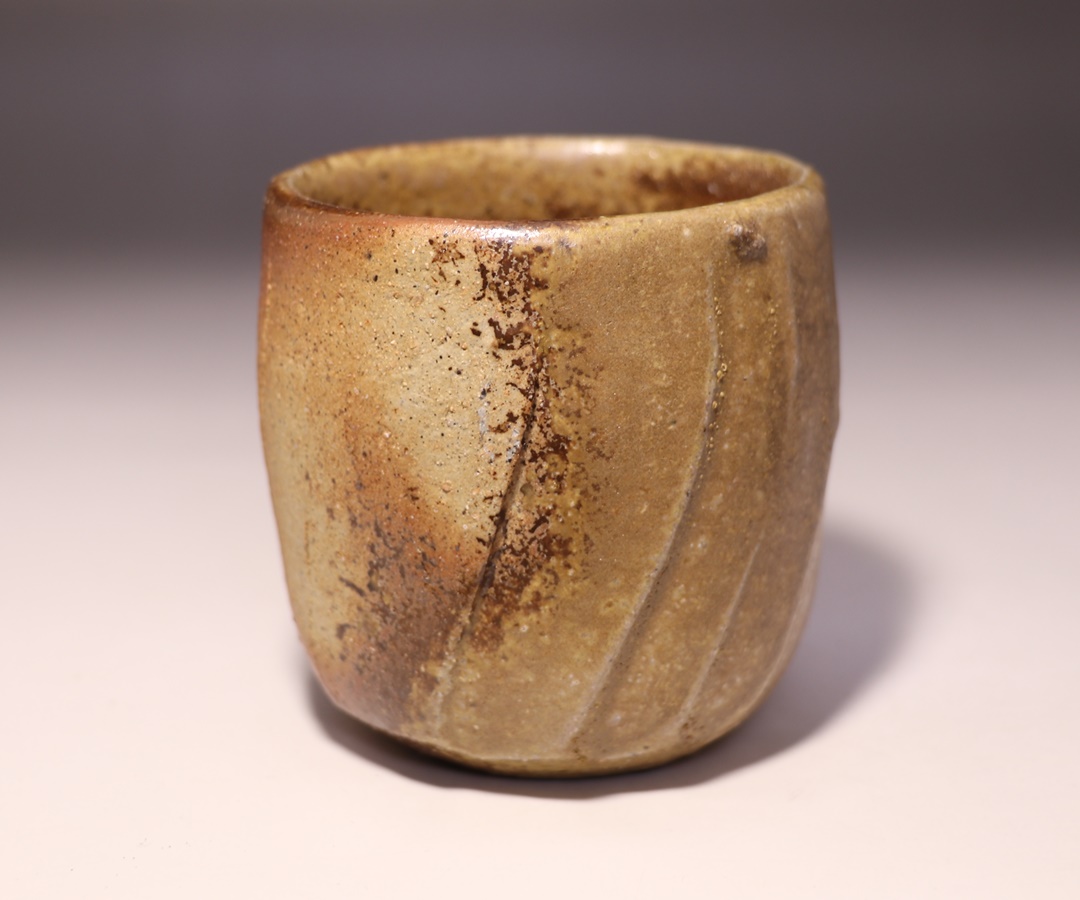
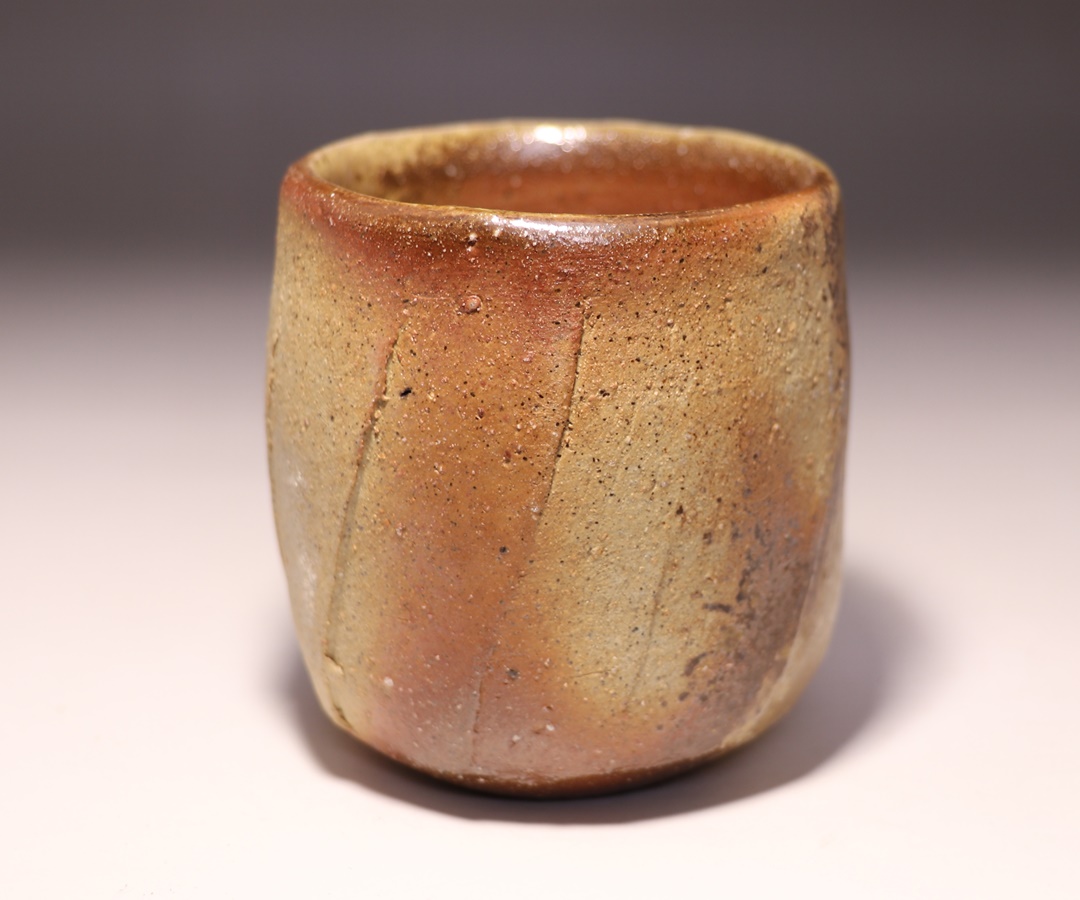
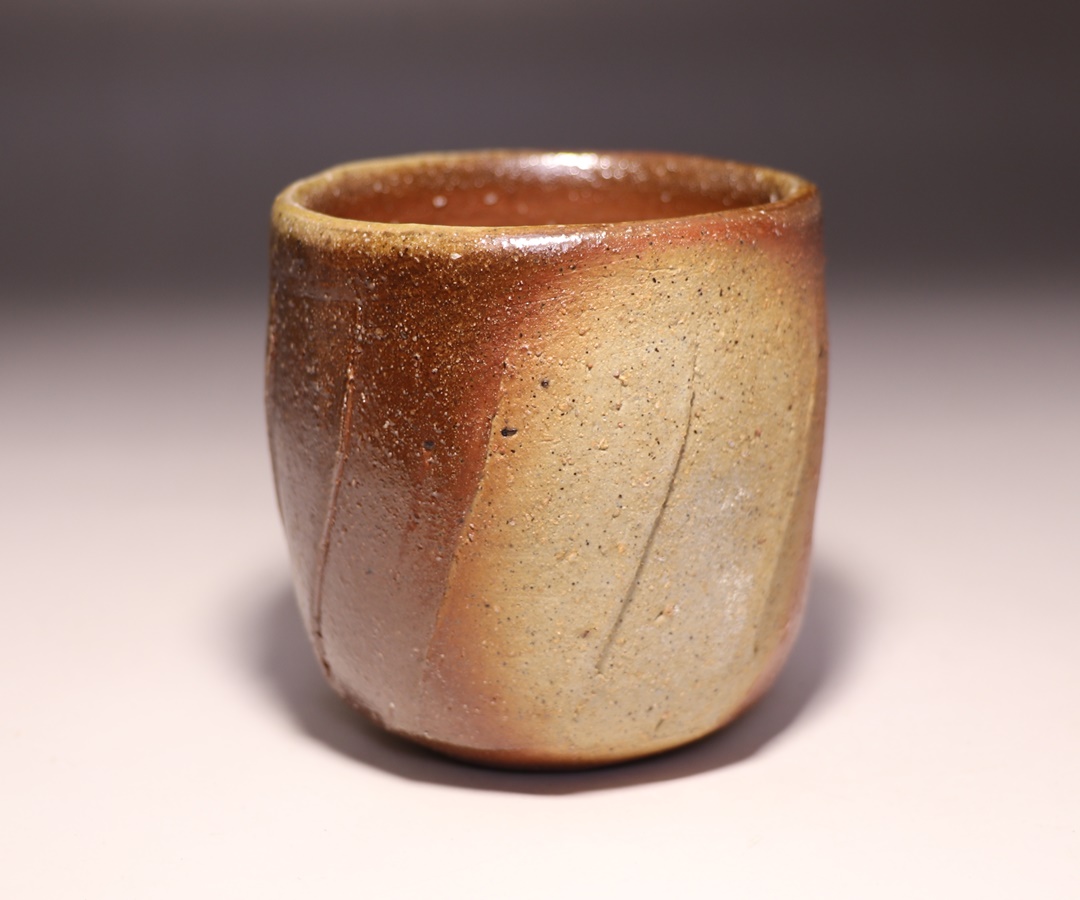
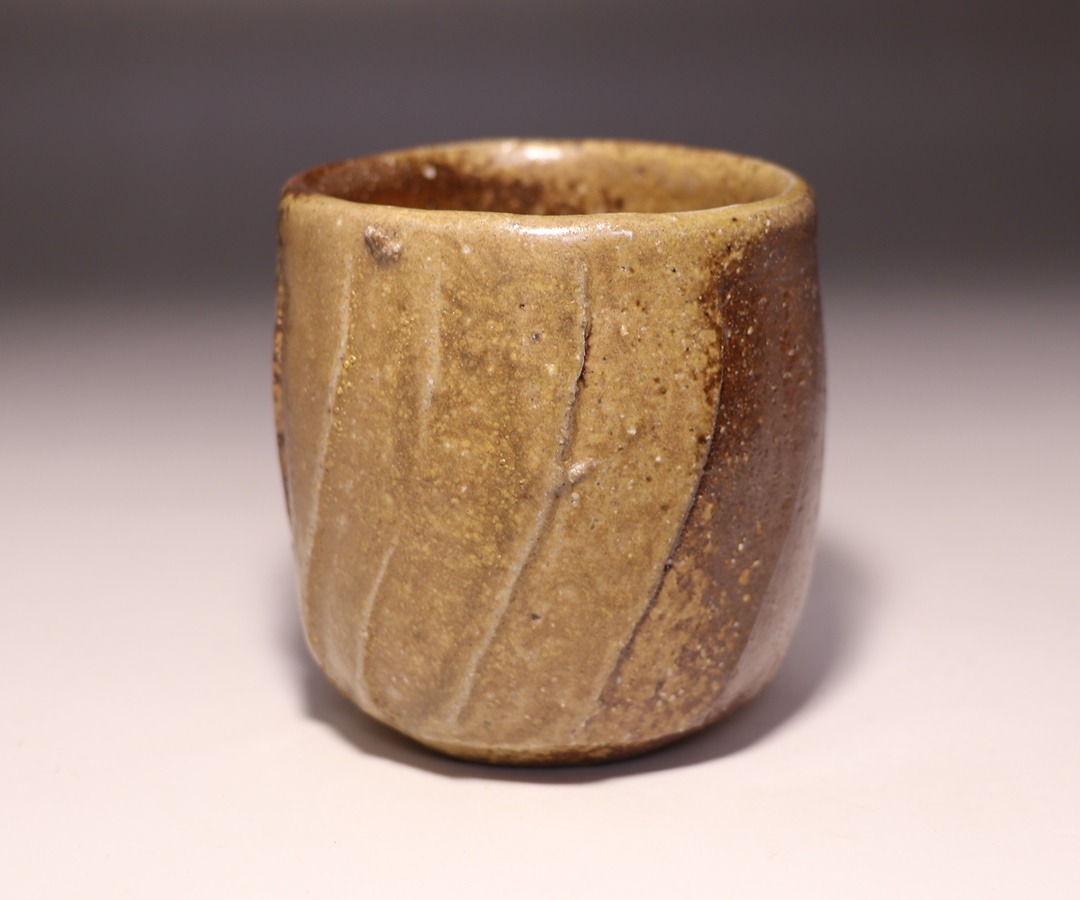
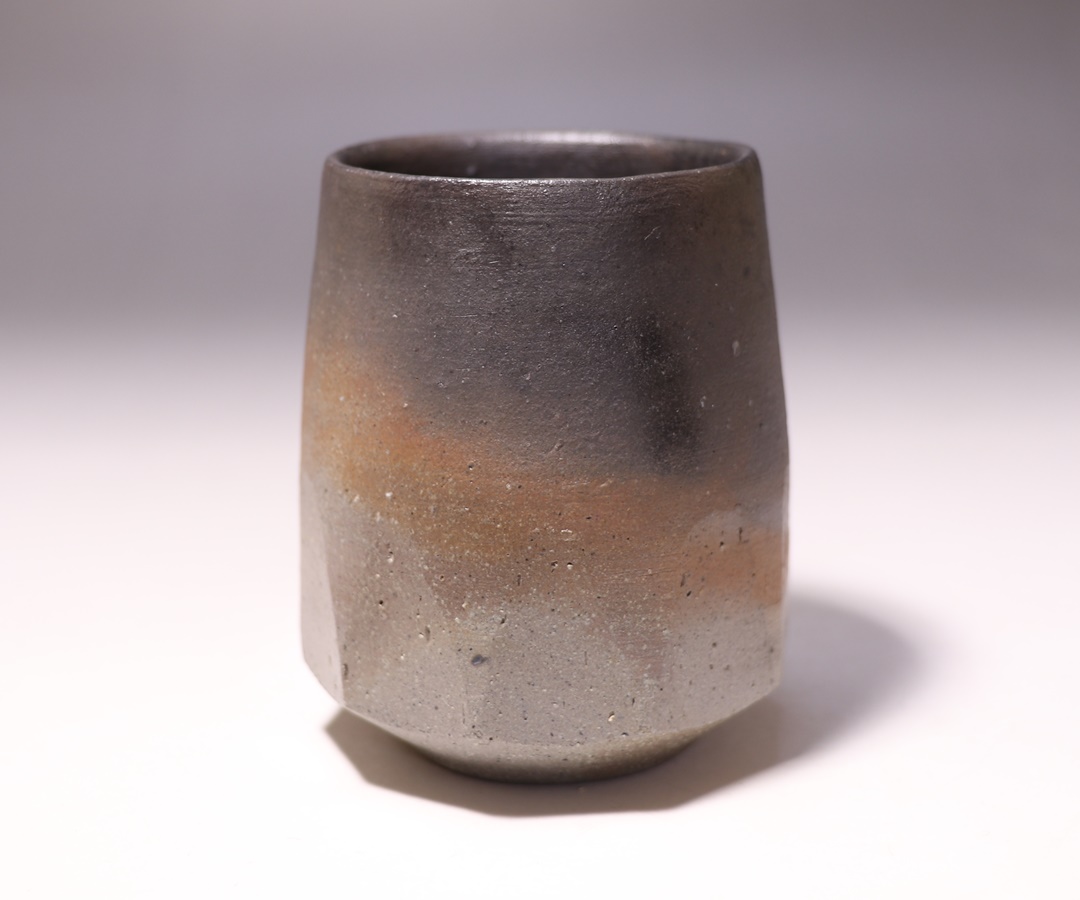
size : W8.1cm×7.9cm×H8.0cmThis is a newly fired Bizen Yunomi by Masao Akiya, who studied under Jun Isezaki, the fifth Living National Treasure of Bizen ware, and creates highly original works with a fresh and distinctive spirit.
This is one of his latest works, newly fired in February 2026.
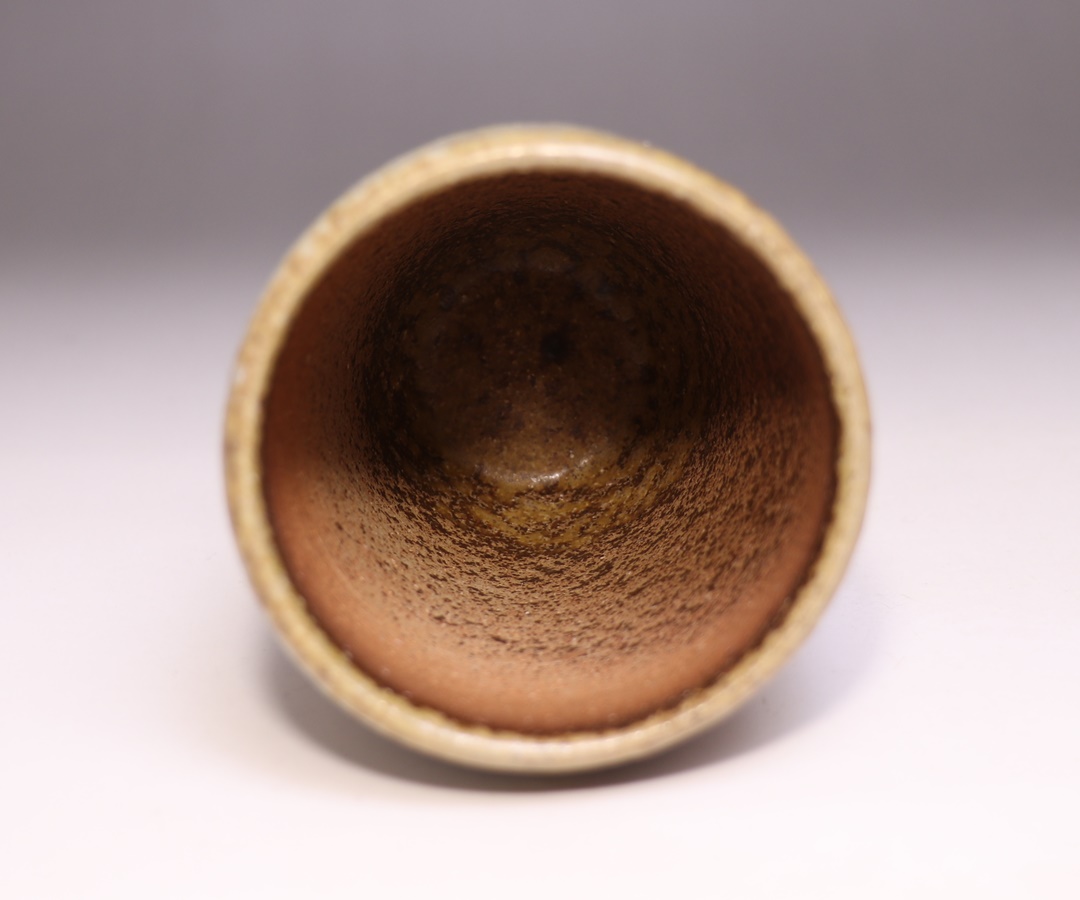
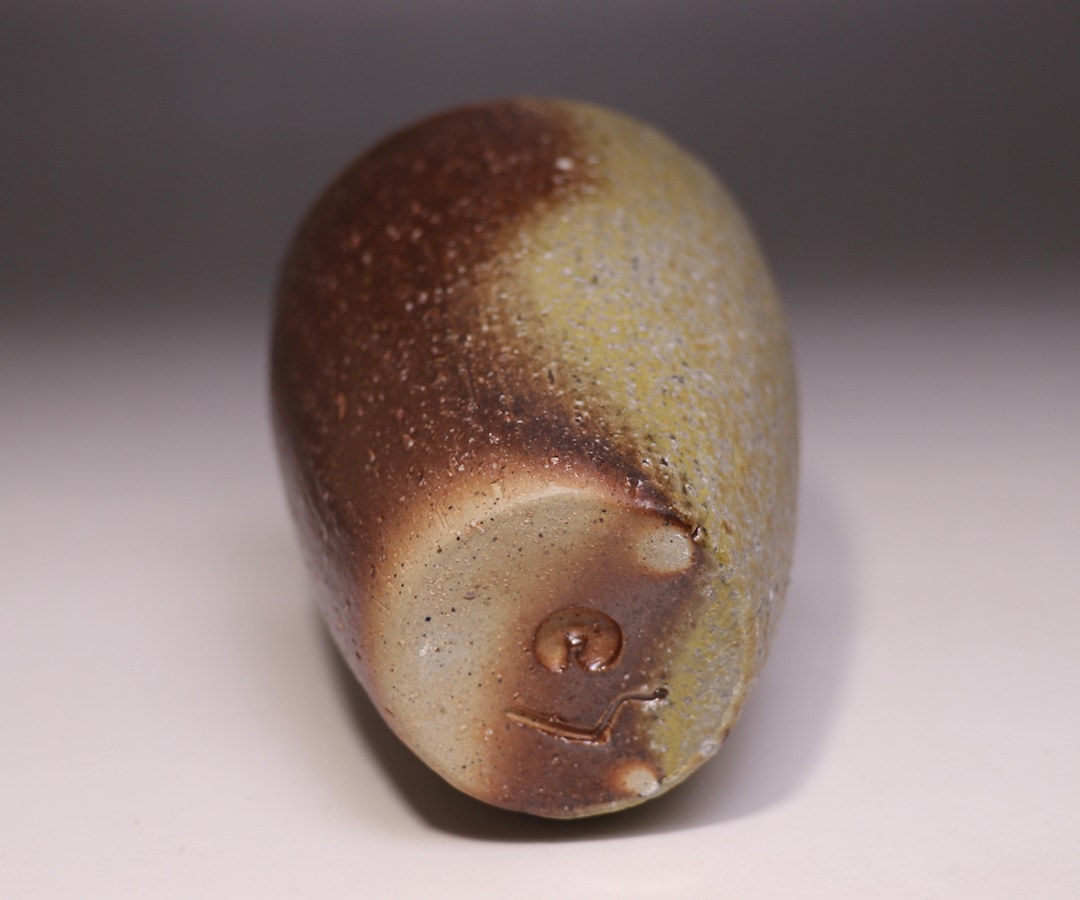
This Yunomi is especially appealing for its splendid fire pattern created through the traditional Anagama firing of the Isezaki lineage. Against a base of fresh beige clay tones, beautiful Kigoma and amber-colored Yohen appear across the surface.
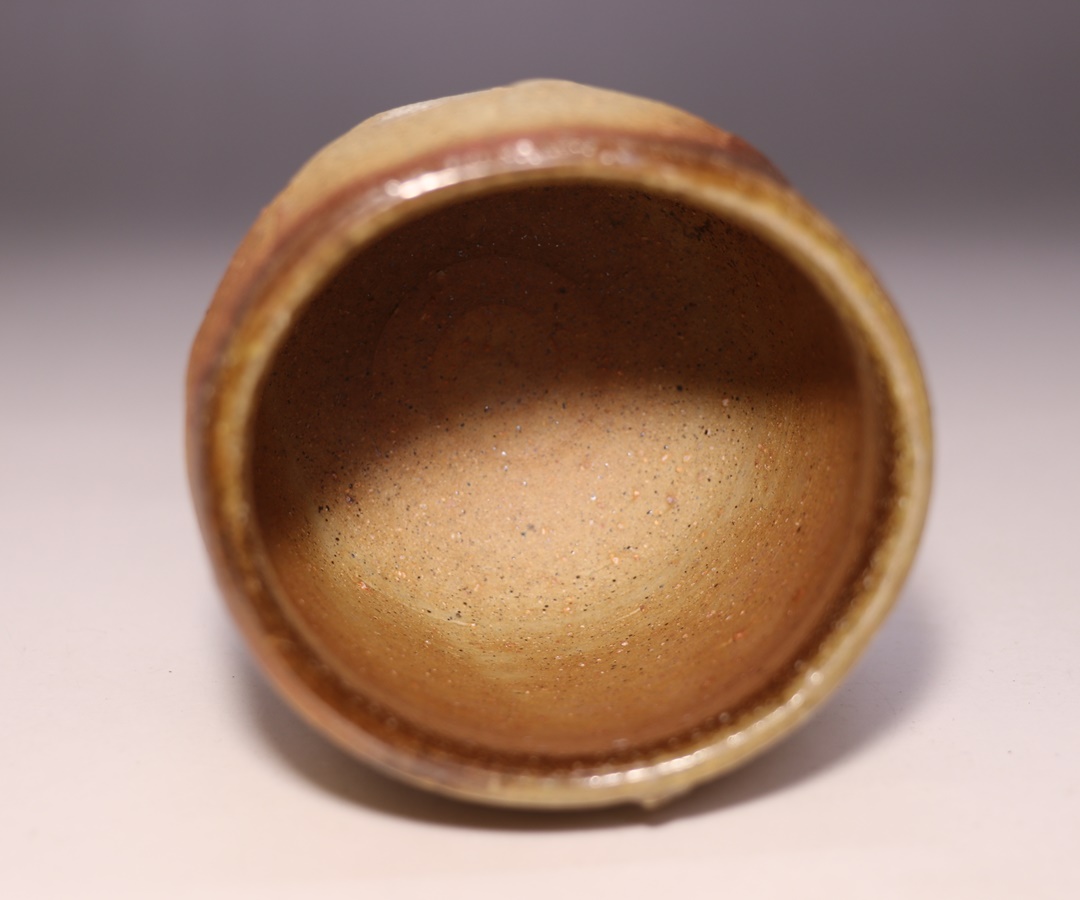
The interior is particularly impressive, with a beautiful gradation shifting from amber to beige. When tea or other liquid is poured in and moisture is absorbed into the clay, the beauty of the clay surface becomes even more vivid.
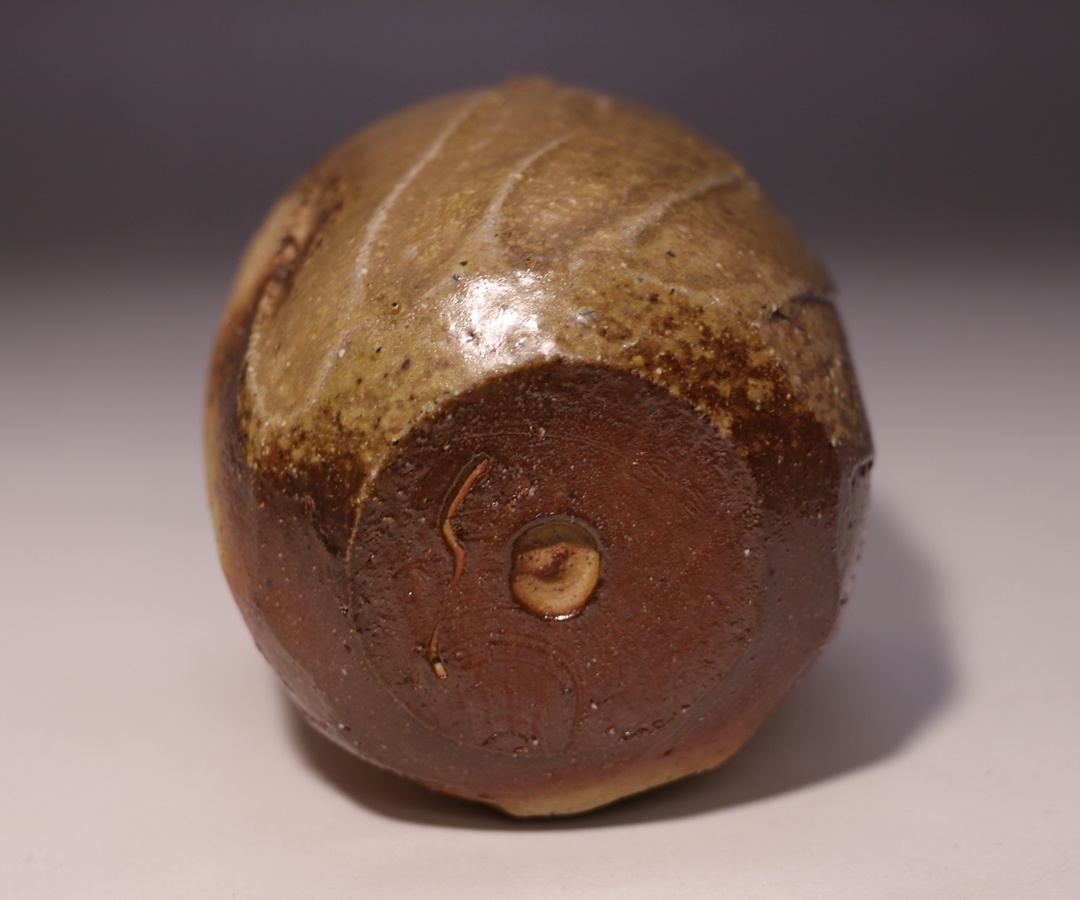
Around the exterior, the surface has been carved using the Shinogi technique, in which the clay is shaved away with a spatula. Together with the bold Goma pattern, this gives the piece a strong sense of depth and dimensionality.
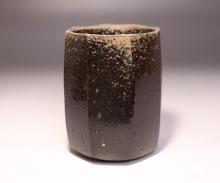


Masao Akiya - Kuro Yunomi
4,400 YENSold out
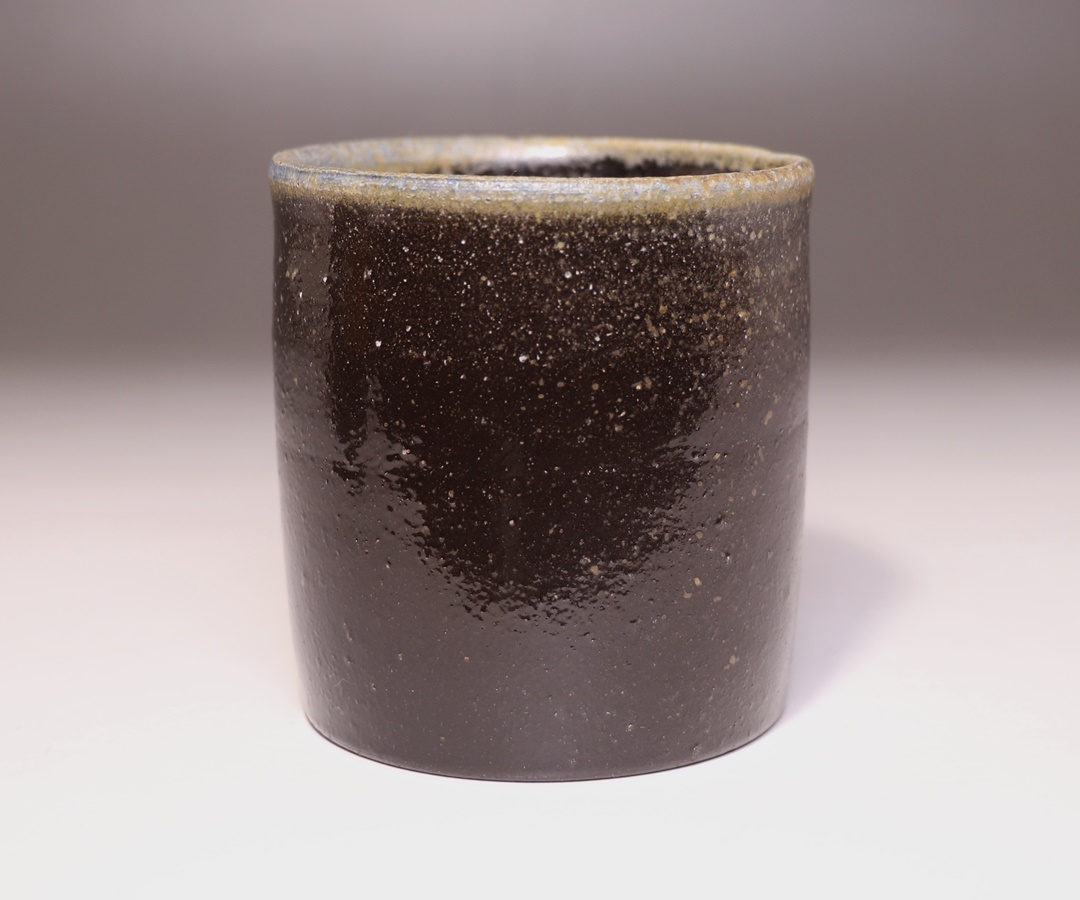
size : W7.2cm×7.1cm×H9.3cmThis is a Kuro Yunomi by Masao Akiya, who studied under Jun Isezaki, the fifth Living National Treasure of Bizen ware, and creates highly original works with a fresh and distinctive spirit.
This piece was newly fired in February 2026.
It was made using the Kuro-Bizen technique inherited from his master, Jun Isezaki, and the black surface is especially attractive, combining a deep luster with a warm tone.
A special clay collected in areas such as Osafune, near Bizen City, is applied to the surface after being blended with a small amount of cobalt, producing a stylish and deeply expressive black finish.
The piece was formed using the Shinogi technique, in which the clay is first shaped thickly and then carved away with a spatula. The resulting form is especially appealing, pursuing both sculptural interest and visual impact.
The evenly spaced tool marks, carved to a consistent depth, complete its solid and refined appearance, while further emphasizing the fire pattern that resembles blue flames flickering in the darkness.
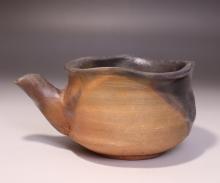


Kazuki Nakamura - Bizen Katakuchi
22,000 YENSold out
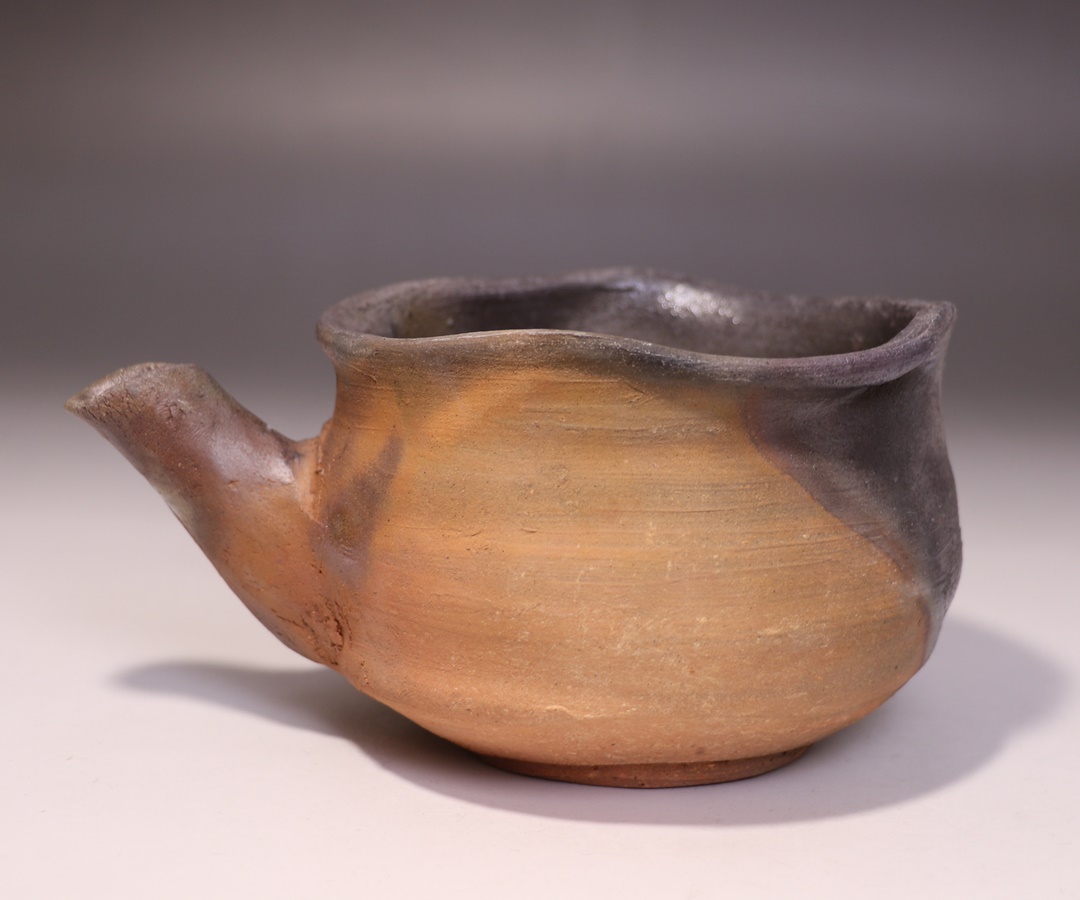
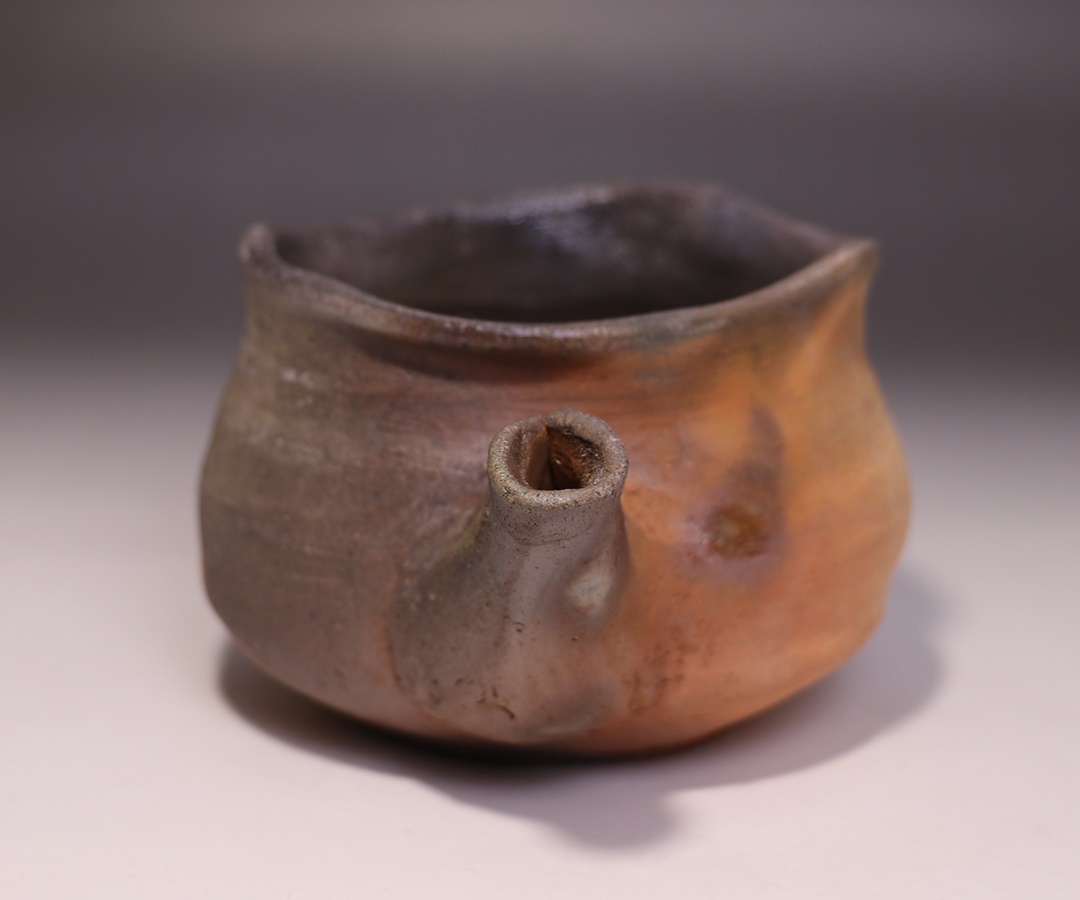
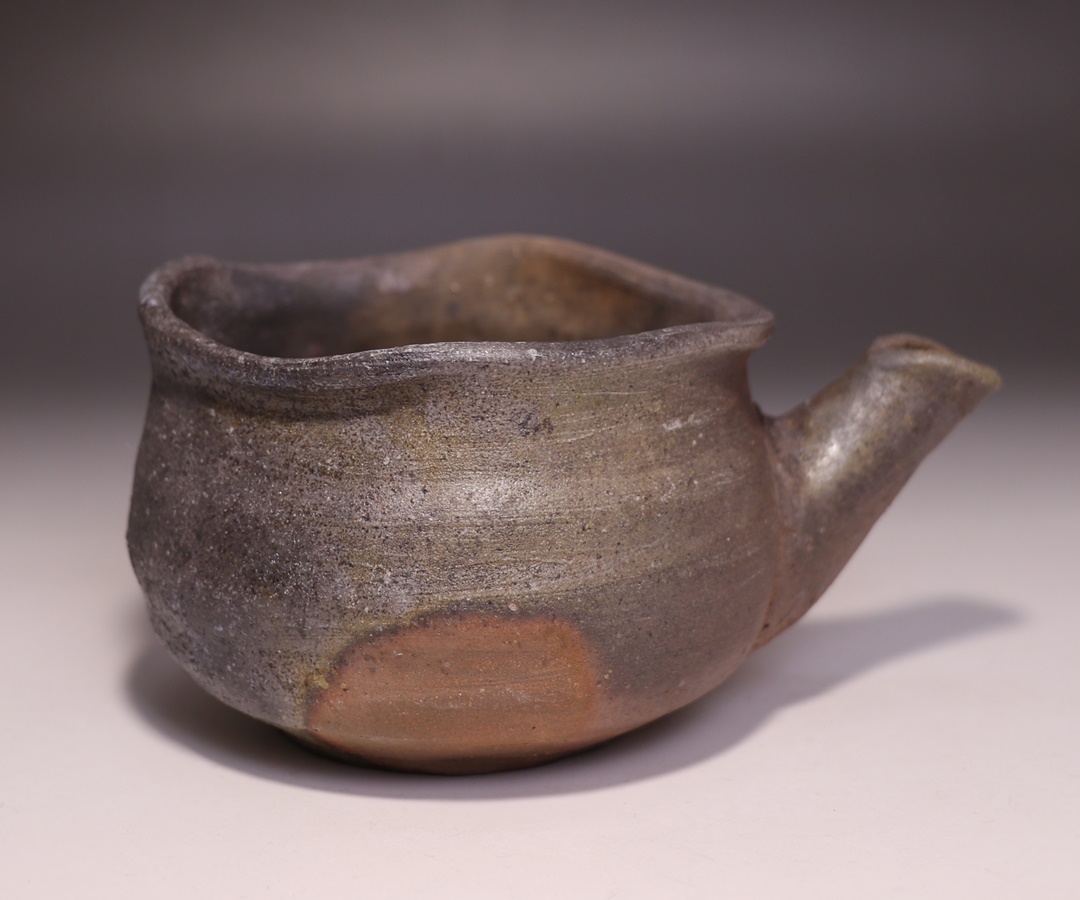
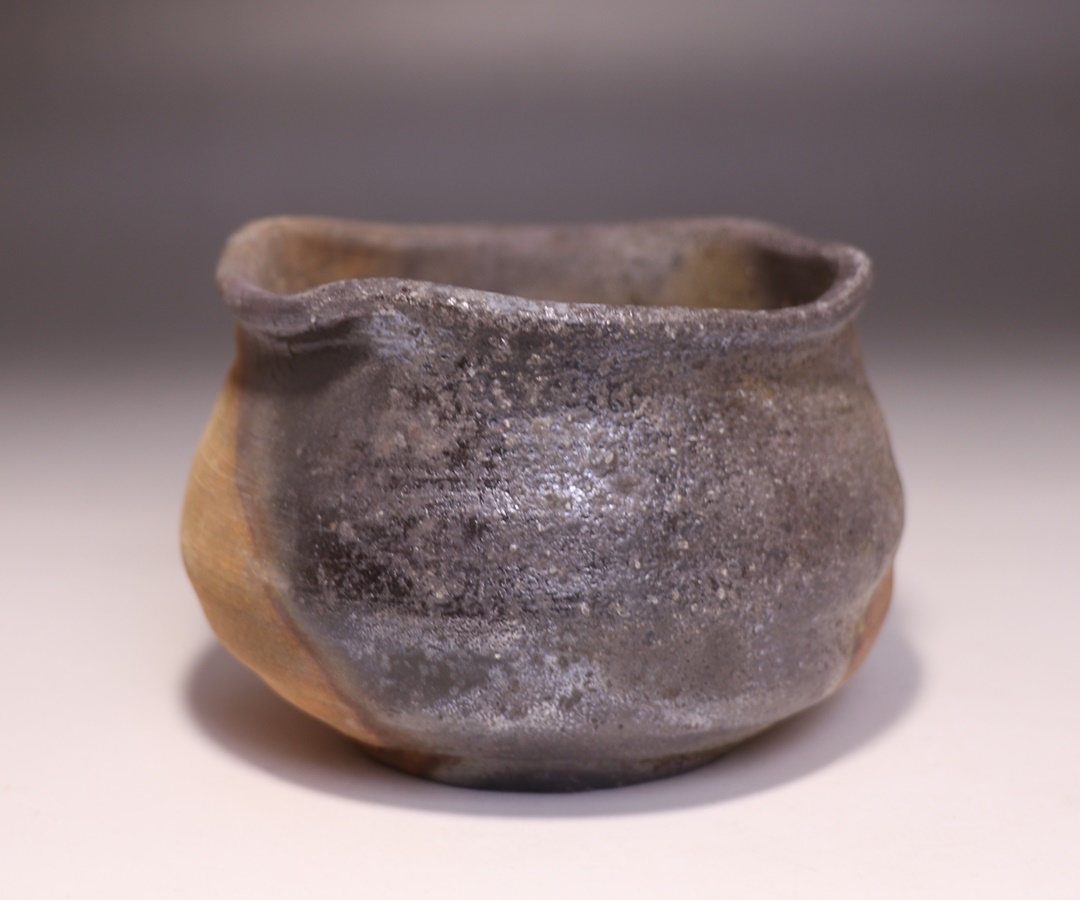
size : W15.3cm×11.2cm×H7.9cm 340ccThis is a newly fired Bizen Katakuchi by Kazuki Nakamura, who carries on the lineage of the master sake-vessel makers Rokuro Nakamura and Makoto Nakamura, and creates works full of depth and character.
While inheriting the tradition of masterful sake-vessel making, this sake pourer also shows the distinctive color and sensibility that are uniquely Kazuki Nakamura’s, different from both his father and grandfather.
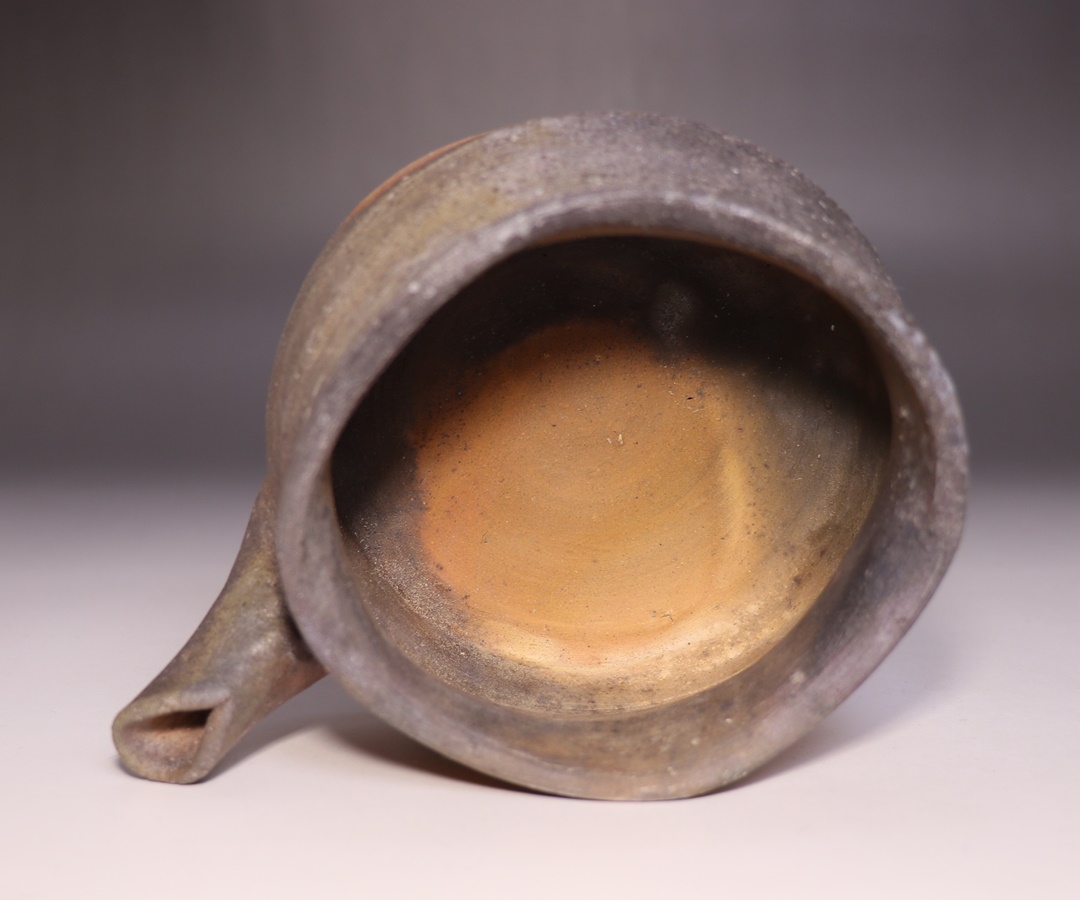
It is one of his latest works, newly fired in June 2026. Its form is especially interesting, with a gently undulating rim that makes it look almost like an enlarged Guinomi.
Although the form has a distinctive sensual elegance, careful attention has also been given to ease of use in the Nakamura family tradition. When the fingers are placed along the shoulder, the body fits naturally into the palm, creating a sense of unity with the hand.
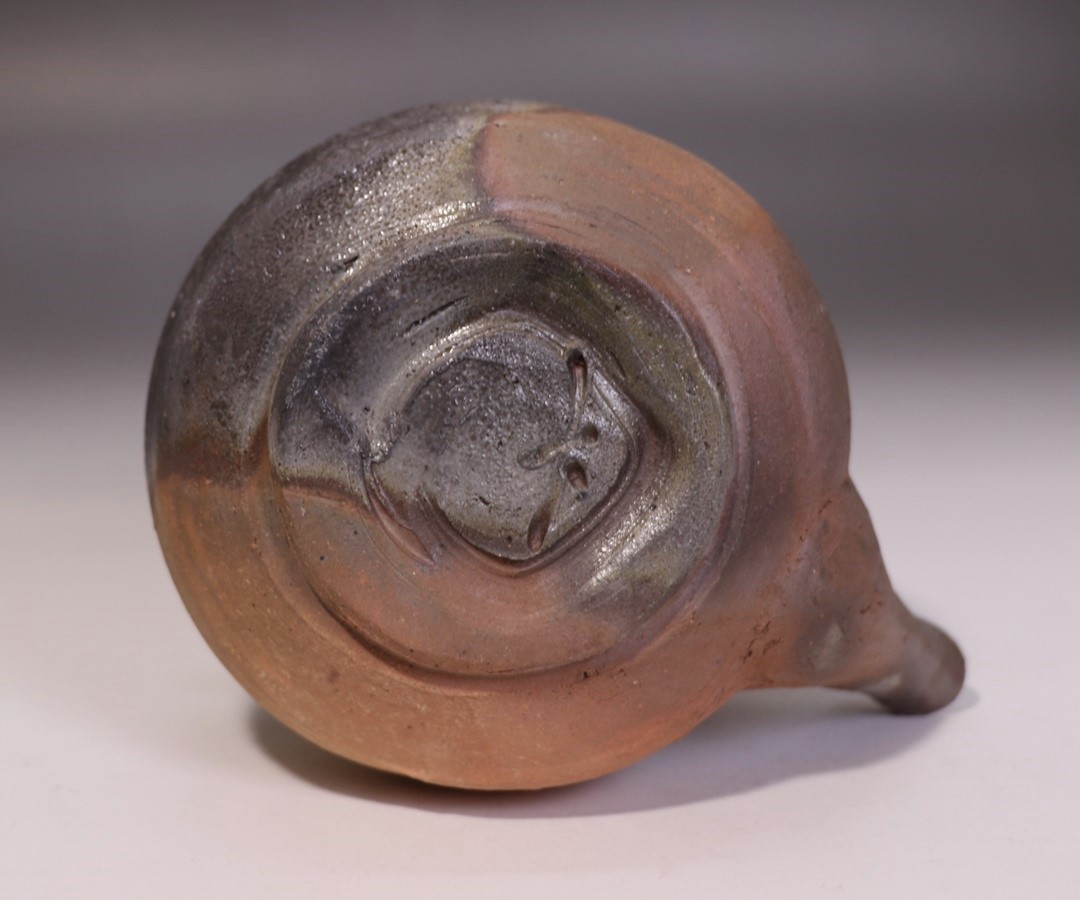
In harmony with the rich ash-covered Yohen, the clay tone also shows a superb hiro color, creating an exceptional contrast of red and black that immediately identifies the piece as a work of the Nakamura family.
This is a sake pourer filled with Kazuki Nakamura’s careful attention to detail. It is highly recommended not only for lovers of Bizen ware, but also as an excellent introductory piece for those new to sake or ceramics, as it is easy to care for and use.
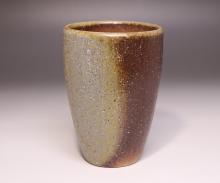


Masao Akiya - Bizen Beerglass
4,400 YENSold out
size : W7.9cm×7.8cm×H10.8cmThis is a newly fired Bizen Beer Mug by Masao Akiya, who studied under Jun Isezaki, the fifth Living National Treasure of Bizen ware, and creates highly original works with a fresh and distinctive spirit.
This is one of his latest works, newly fired in February 2026.
This Beer Mug is especially appealing for its splendid fire pattern created through the traditional Anagama firing of the Isezaki lineage. Against a base of amber-colored clay tones, beautiful white Kase-Goma appears in a striking half-and-half pattern.
Inside the piece, the characteristic nature of Anagama firing—where the flames rush powerfully toward the back of the kiln—can be clearly seen. Fine Tobi-Goma has settled as if gathering toward the bottom, creating a fascinating effect that naturally draws the eye during use.
Along the sides of the piece, the clay has been carefully shaved away with fine spatula work. This extra step makes a significant difference in the final result.
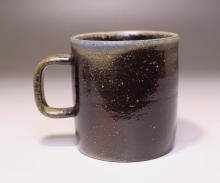


Masao Akiya - Kuro Mugcup
5,500 YENSold out
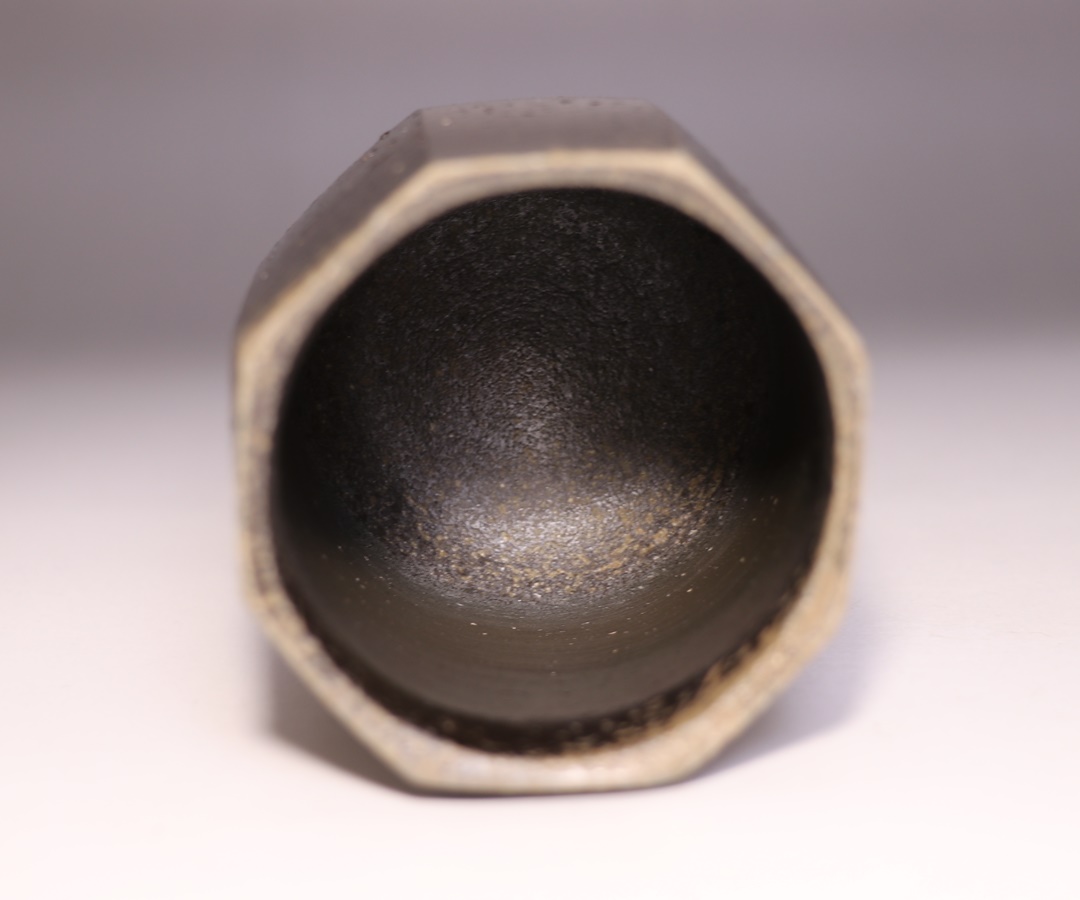
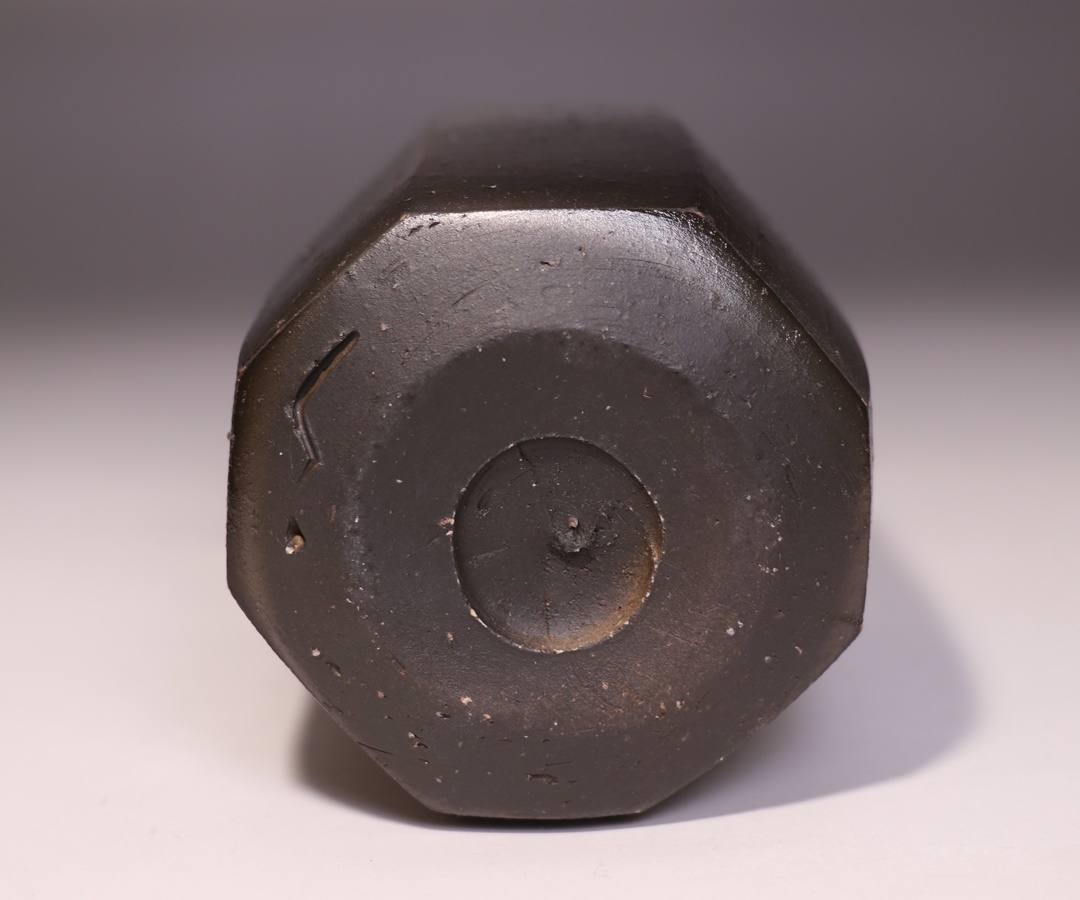
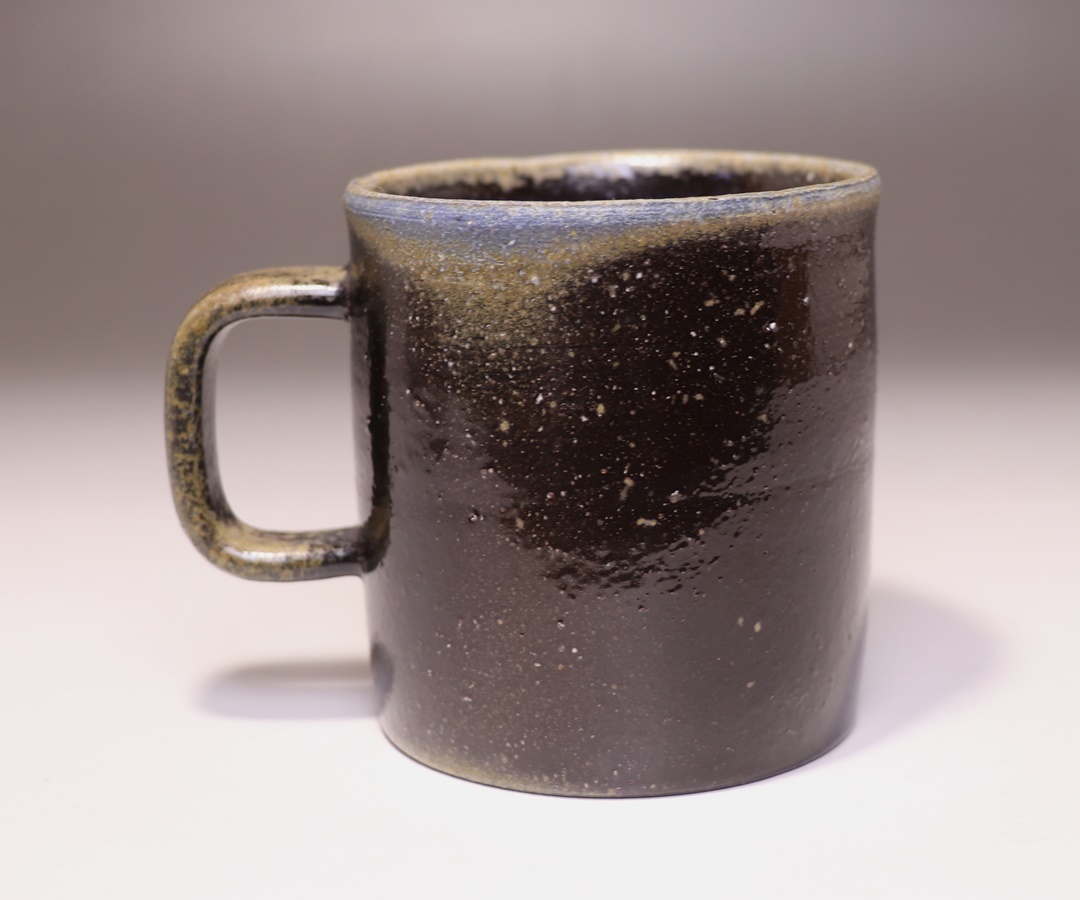
size : W10.7cm×8.1cm×H8.4cmThis is a Kuro Mug Cup by Masao Akiya, who studied under Jun Isezaki, the fifth Living National Treasure of Bizen ware, and creates highly original works with a fresh and distinctive spirit.
This piece was newly fired in February 2026.
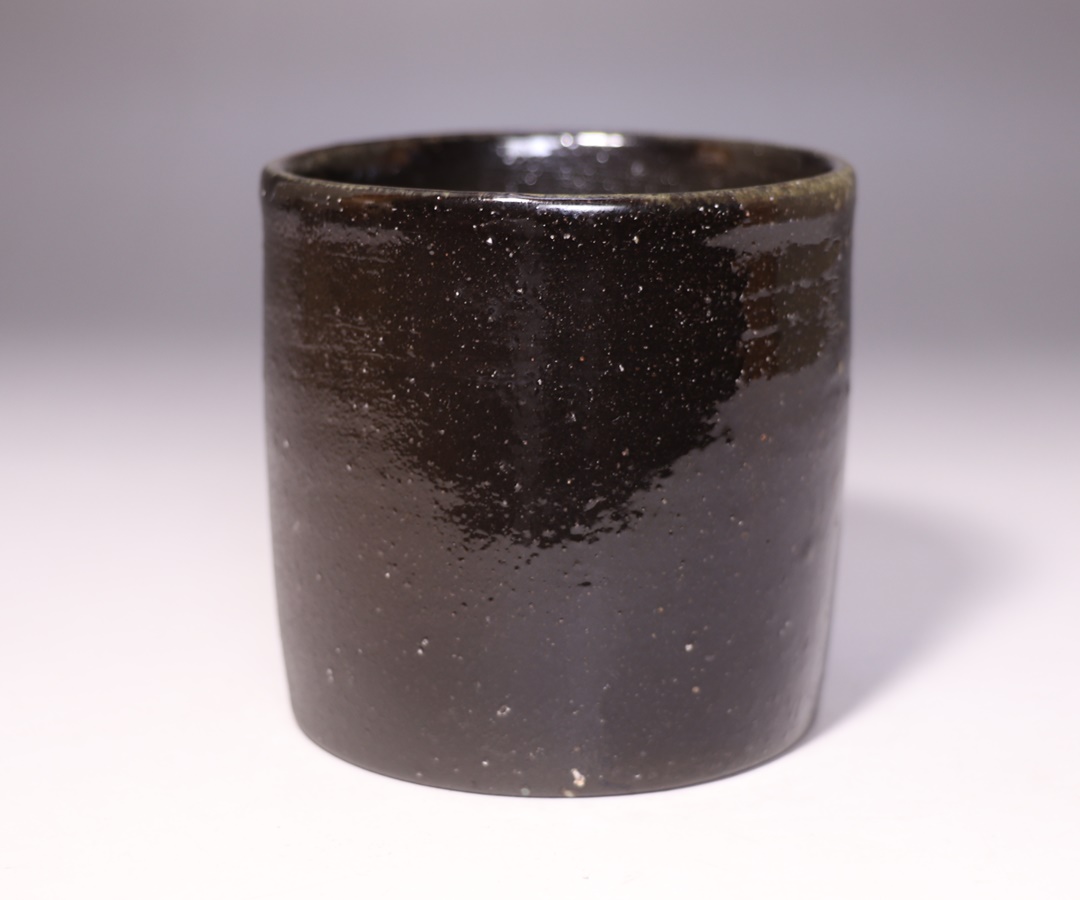
It was made using the Kuro-Bizen technique inherited from his master, Jun Isezaki, and the black surface is especially attractive, combining a deep luster with a warm tone.
A special clay collected in areas such as Osafune, near Bizen City, is applied to the surface after being blended with a small amount of cobalt, producing a stylish and deeply expressive black finish.
The entire black surface of this piece has a smooth luster, allowing the user to enjoy its rich sheen while its soft texture makes it comfortable to hold and use.
The refined design characteristic of Masao Akiya is exceptionally stylish. Rather than relying on elaborate decoration, the piece has been kept simple in order to bring out the chic and modern character of his Kuro works, placing the beauty of its silhouette and lines at the forefront.
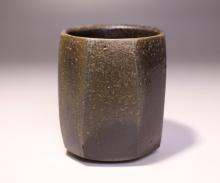


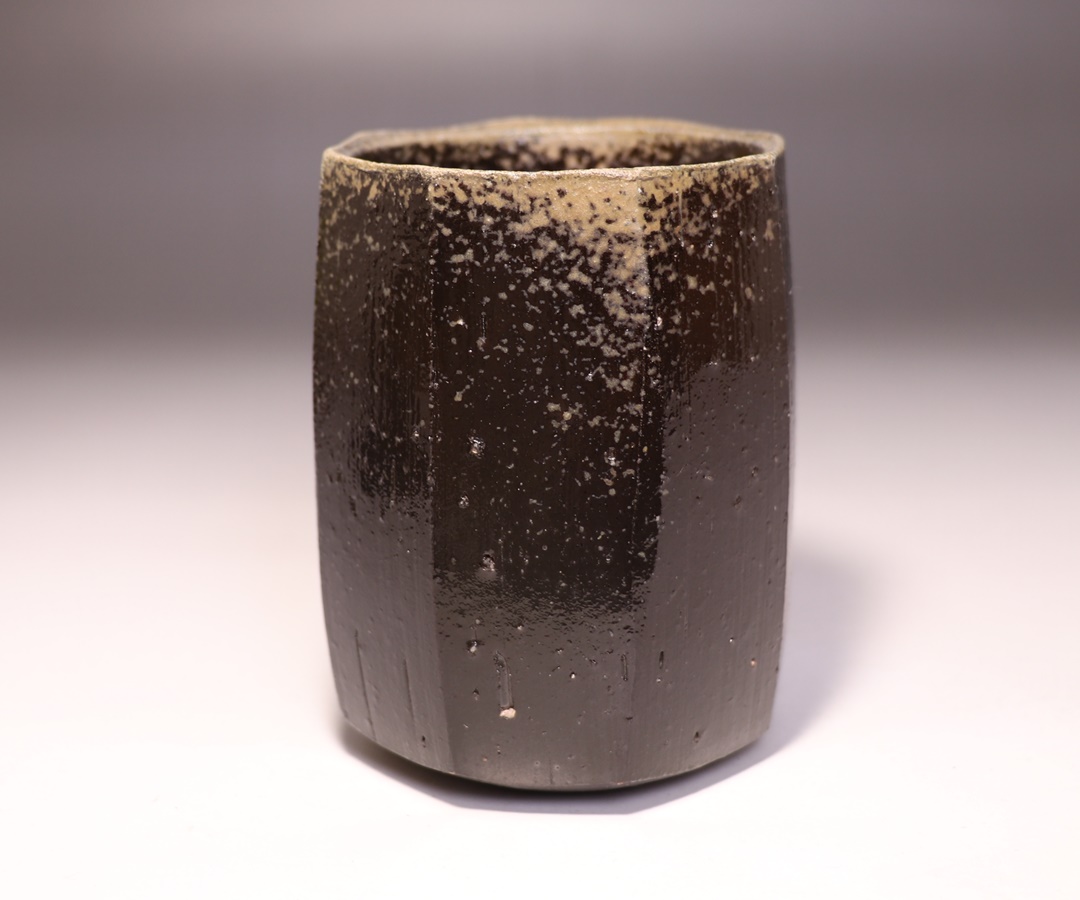
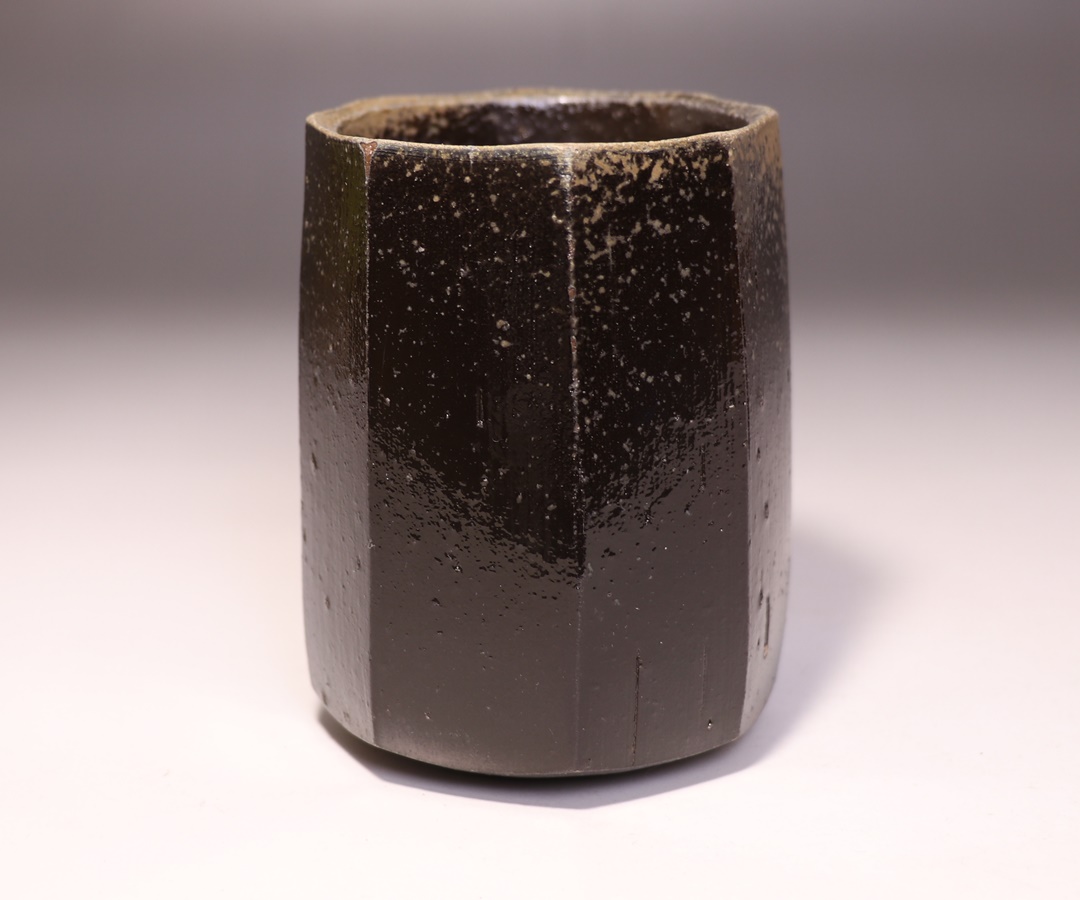
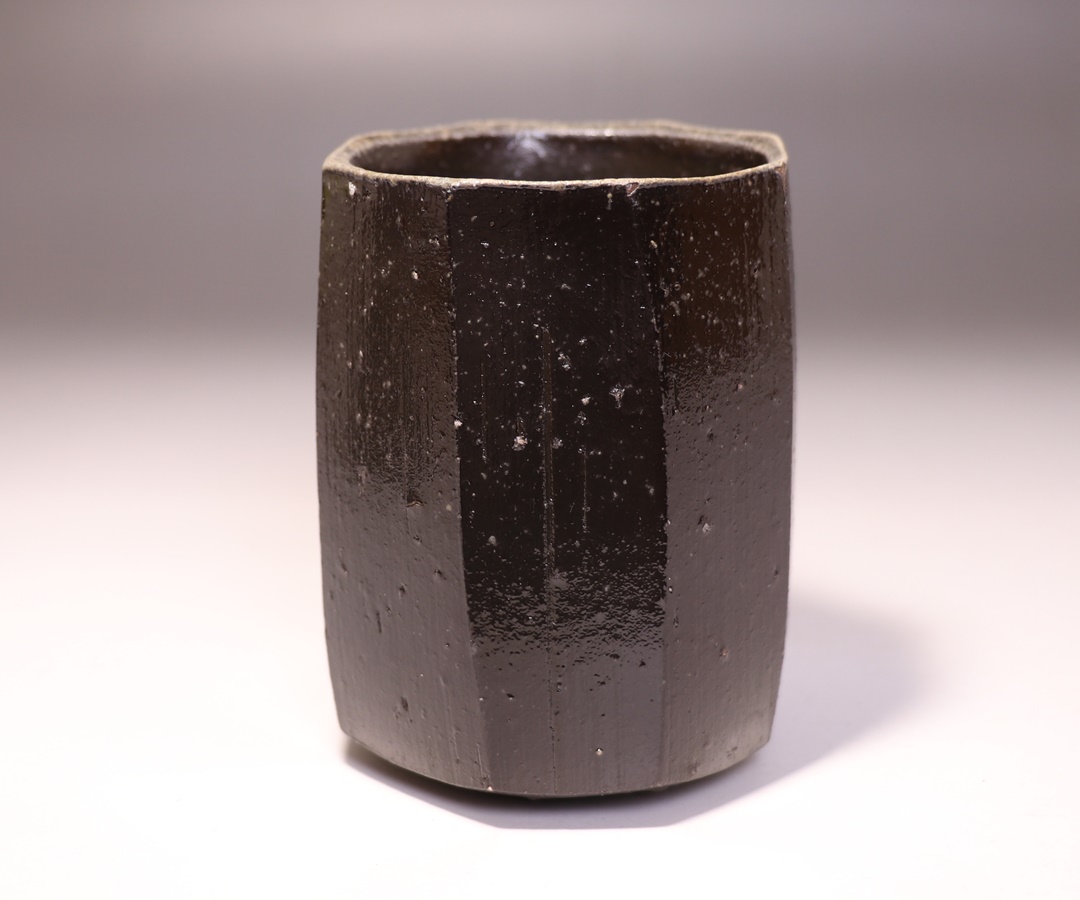
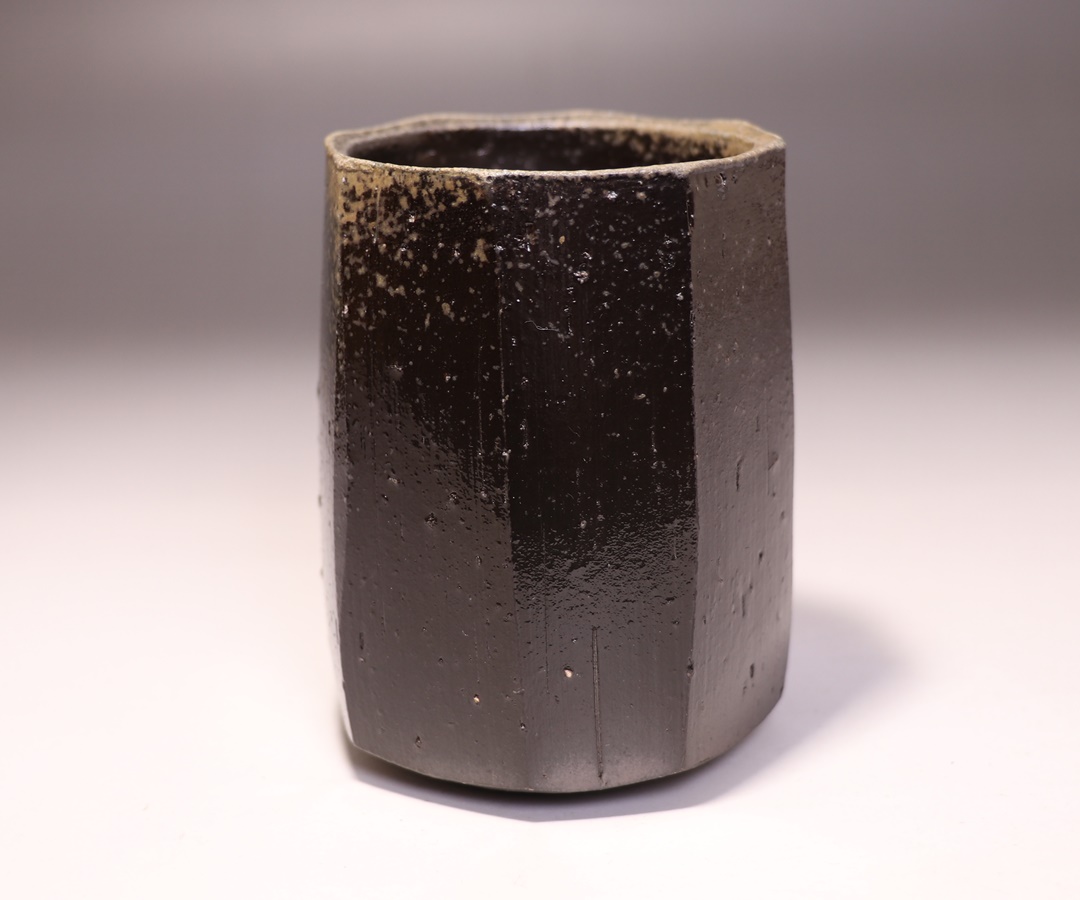
Masao Akiya - Kuro Yunomi
4,400 YENSold out
size : W7.4cm×7.3cm×H8.8cmThis is a Kuro Yunomi by Masao Akiya, who studied under Jun Isezaki, the fifth Living National Treasure of Bizen ware, and creates highly original works with a fresh and distinctive spirit.
This piece was newly fired in February 2026.
It was made using the Kuro-Bizen technique inherited from his master, Jun Isezaki, and the black surface is especially attractive, combining a deep luster with a warm tone.
A special clay collected in areas such as Osafune, near Bizen City, is applied to the surface after being blended with a small amount of cobalt, producing a stylish and deeply expressive black finish.
The piece was formed using the Shinogi technique, in which the clay is first shaped thickly and then carved away with a spatula. The resulting form is especially appealing, pursuing both sculptural interest and visual impact.
The evenly spaced tool marks, carved to a consistent depth, complete its solid and refined appearance, while further emphasizing the fire pattern that resembles blue flames flickering in the darkness.
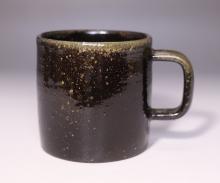


Masao Akiya - Kuro Mugcup
5,500 YENSold out
size : W10.7cm×8.1cm×H7.8cmThis is a Kuro Mug Cup by Masao Akiya, who studied under Jun Isezaki, the fifth Living National Treasure of Bizen ware, and creates highly original works with a fresh and distinctive spirit.
This piece was newly fired in February 2026.
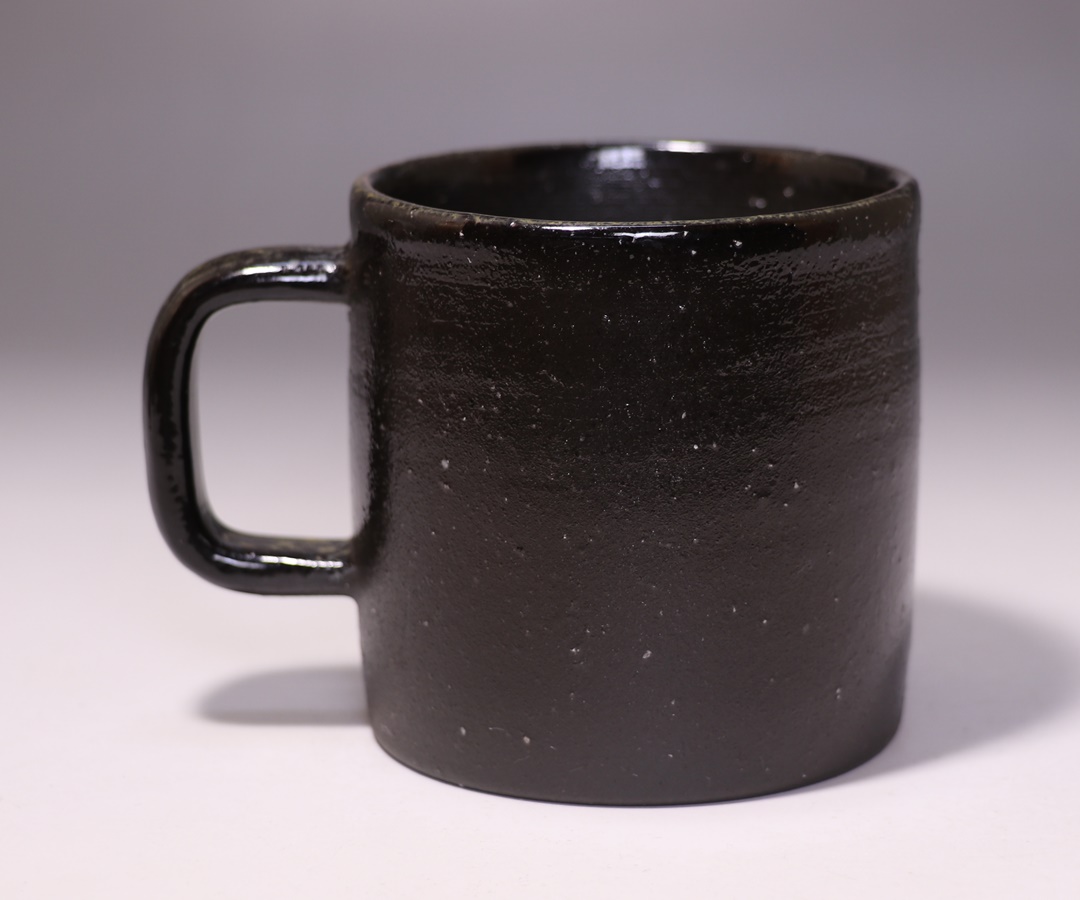
It was made using the Kuro-Bizen technique inherited from his master, Jun Isezaki, and the black surface is especially attractive, combining a deep luster with a warm tone.
A special clay collected in areas such as Osafune, near Bizen City, is applied to the surface after being blended with a small amount of cobalt, producing a stylish and deeply expressive black finish.
The entire black surface of this piece has a smooth luster, allowing the user to enjoy its rich sheen while its soft texture makes it comfortable to hold and use.
The refined design characteristic of Masao Akiya is exceptionally stylish. Rather than relying on elaborate decoration, the piece has been kept simple in order to bring out the chic and modern character of his Kuro works, placing the beauty of its silhouette and lines at the forefront.
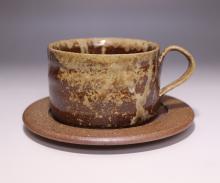


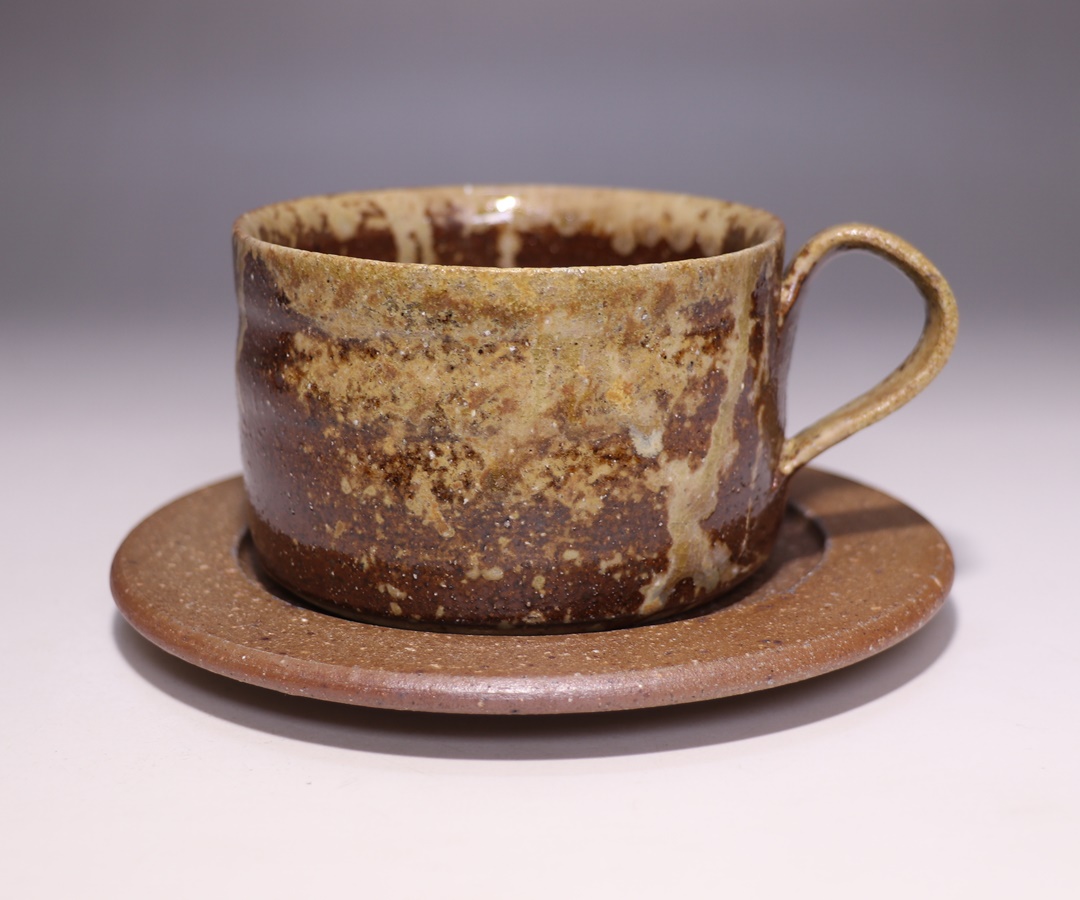
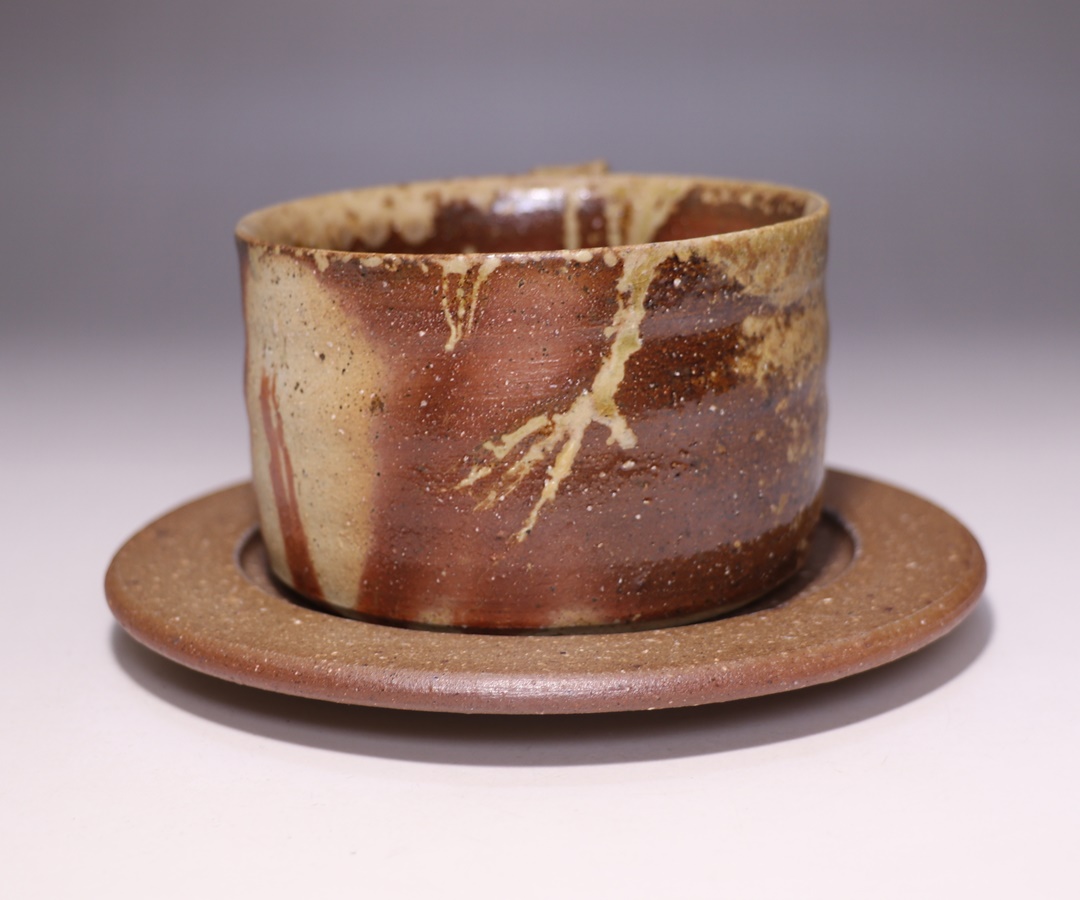
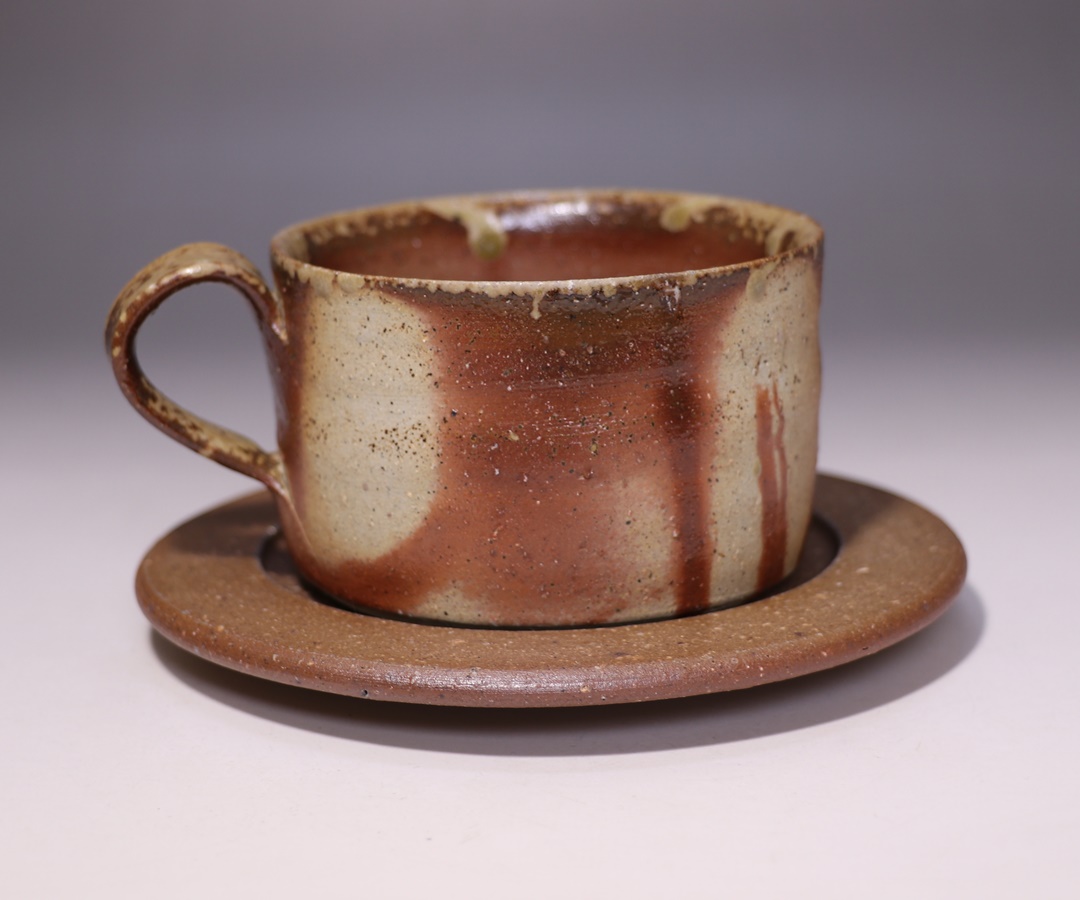
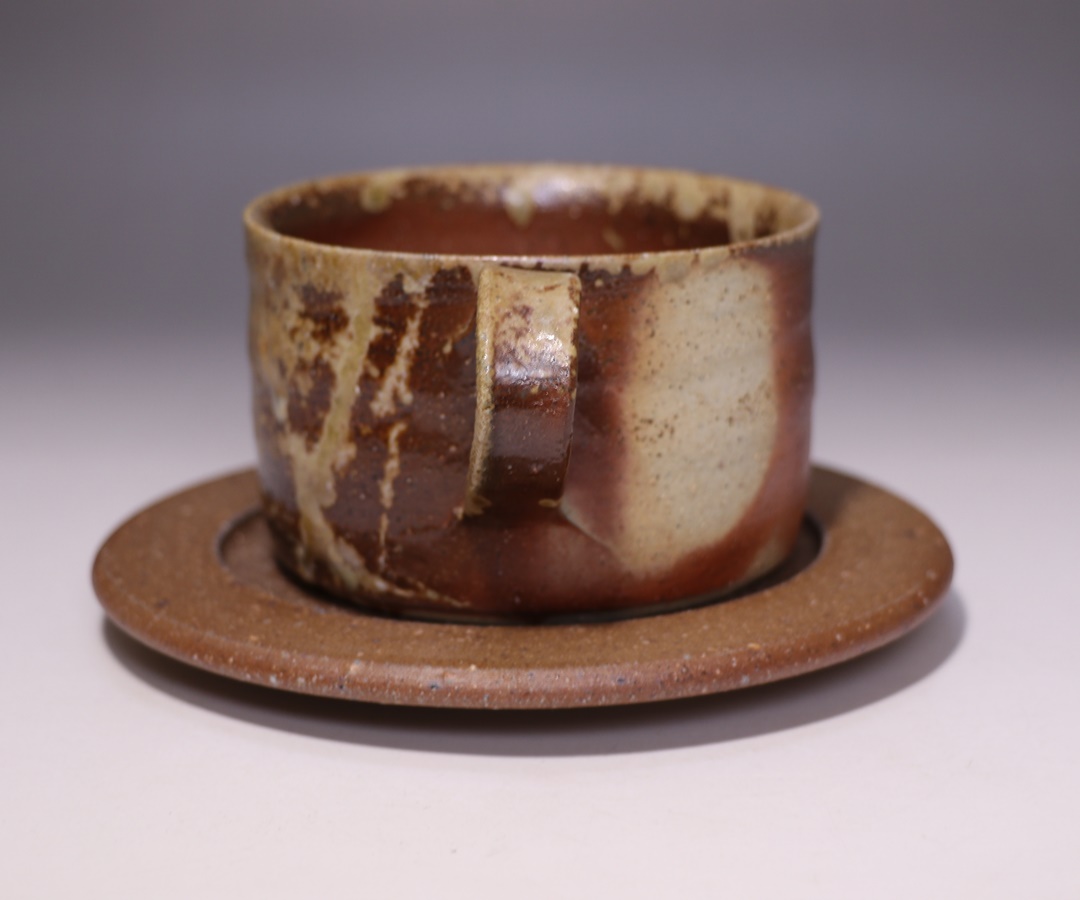
Masao Akiya - Bizen cup and saucer
4,400 YENSold out
size : cup:W11.5cm×9.0cm×H5.8cm
saucer:W14.0cm×13.8cm×H1.6cmThis is a Bizen Cup and Saucer by Masao Akiya, who studied under Jun Isezaki, the fifth Living National Treasure of Bizen ware, and creates highly original works with a fresh and distinctive spirit.
This piece was newly fired in February 2026.
This Cup and Saucer set is especially appealing for its splendid fire patterns created through the traditional Anagama firing of the Isezaki lineage. It is a stylish and beautiful set that displays the distinctive character of Masao Akiya’s work.
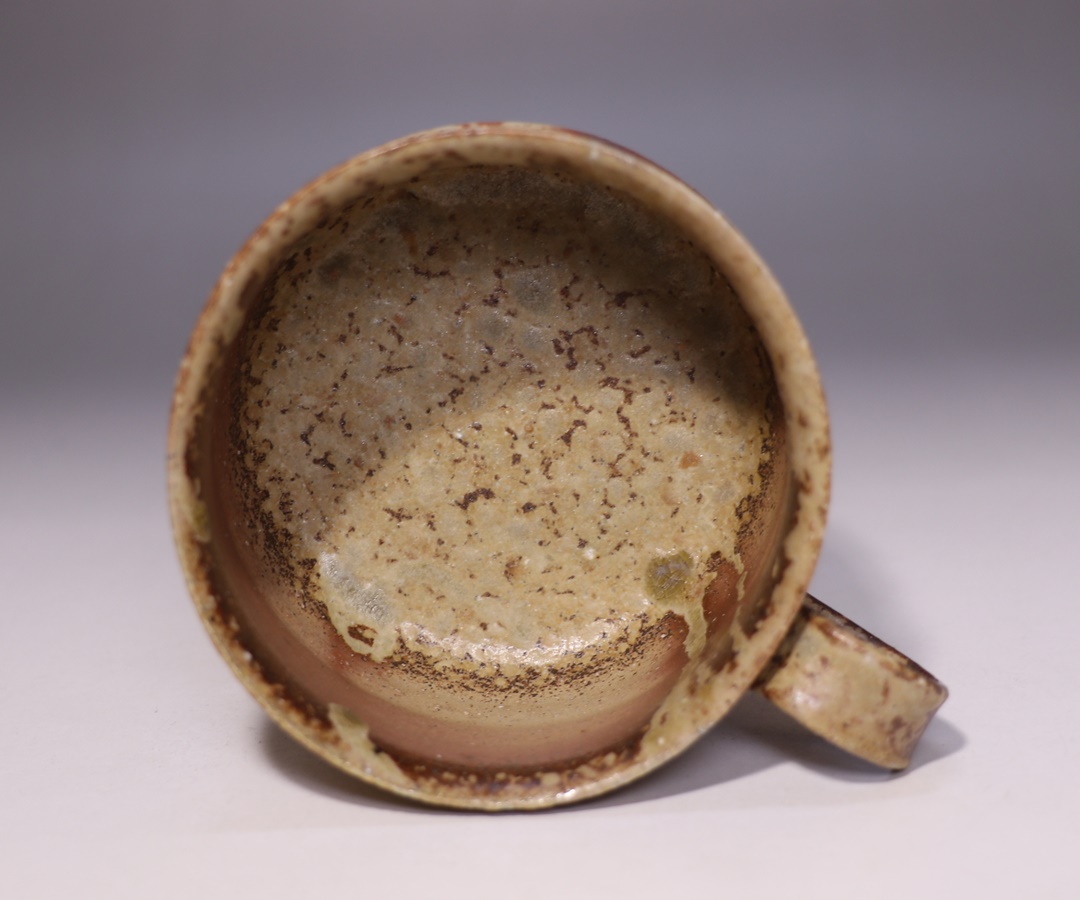
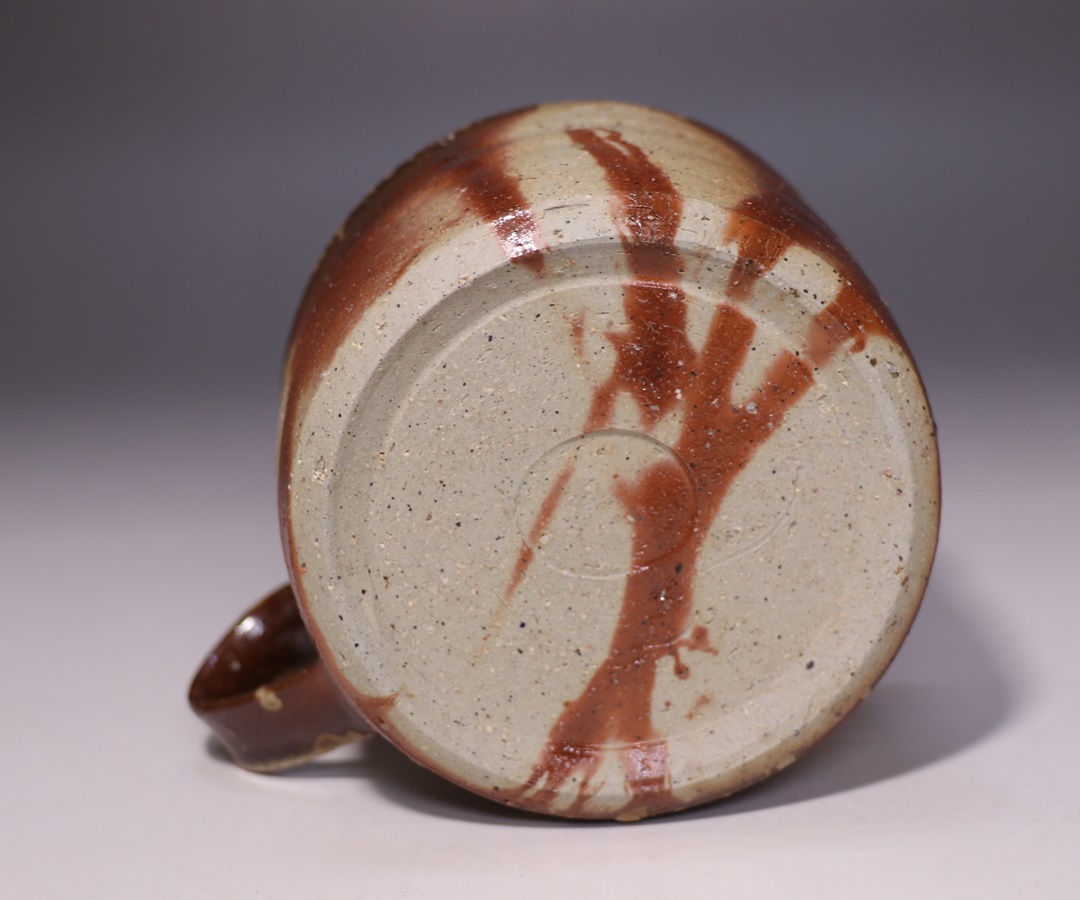
The cup was fired with abundant heat, and its main features are the subdued reddish-brown surface, created by allowing it to absorb smoke slowly, and the scattered Kigoma.
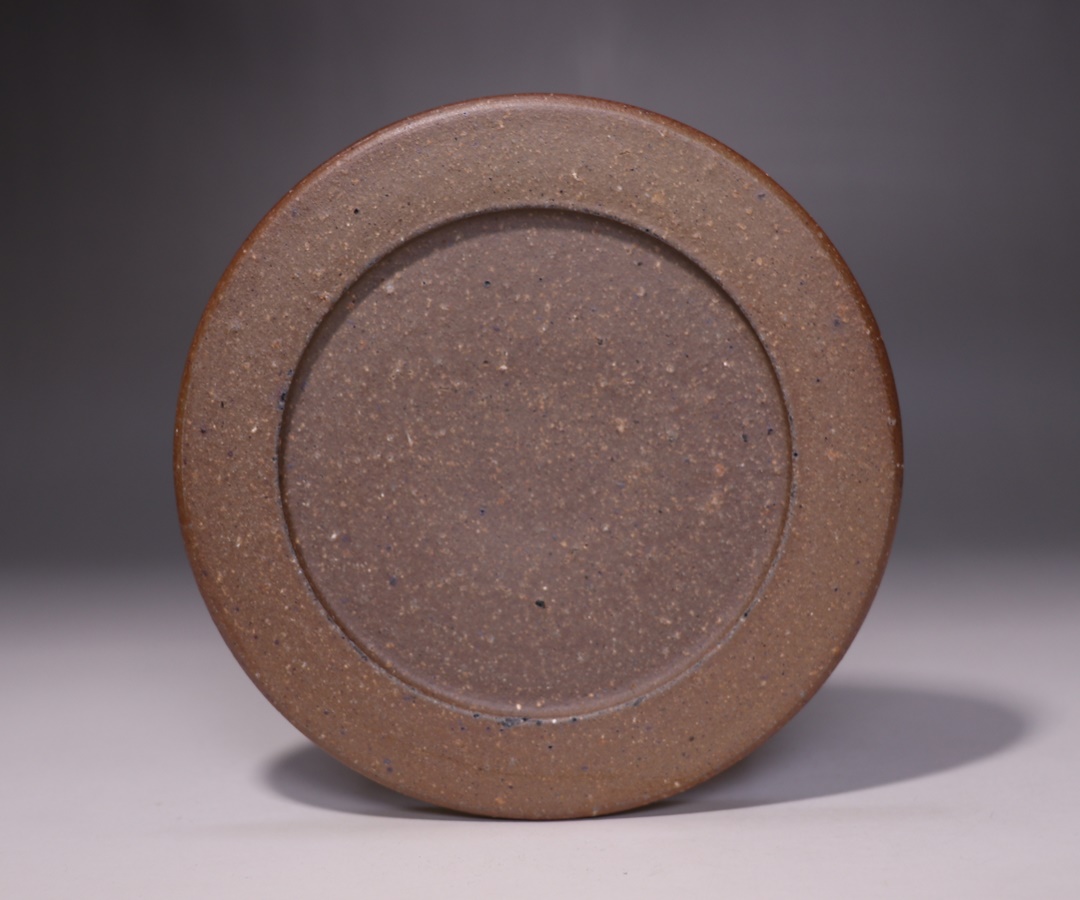
In contrast, the saucer was fired while stacked with other pieces, preserving the natural color of the clay. Lightning-like Hidasuki stands out beautifully against its white surface.
The entire set has a simple, thin-walled design. The handle in particular is made especially thin, giving the cup a distinctive and interesting feel in the hand.
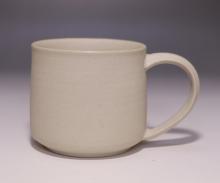


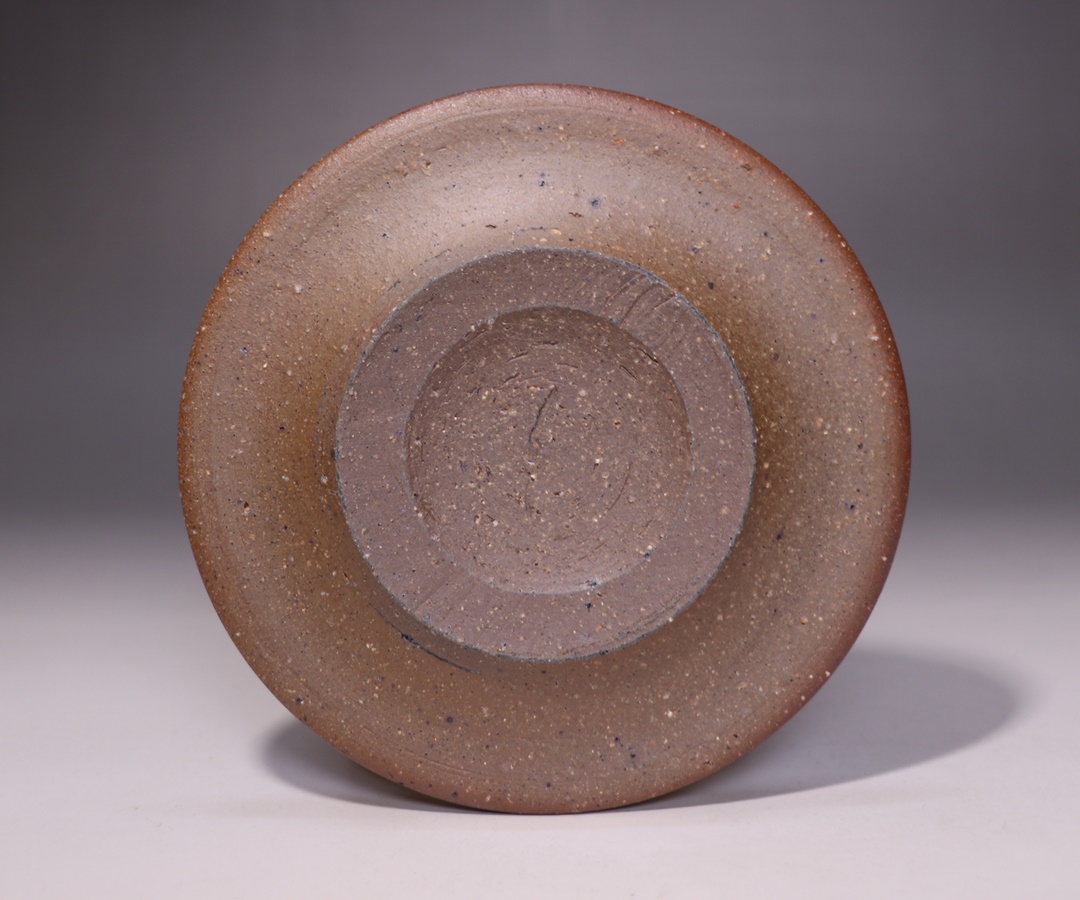
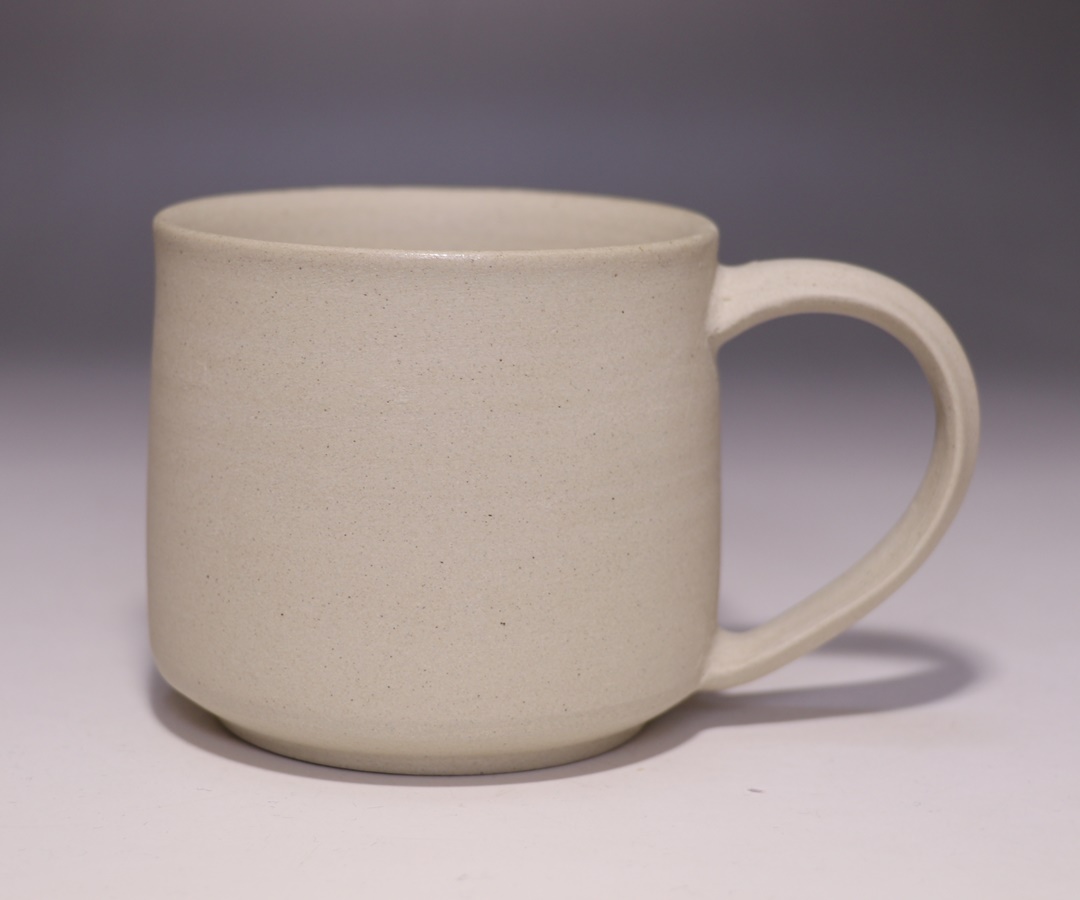
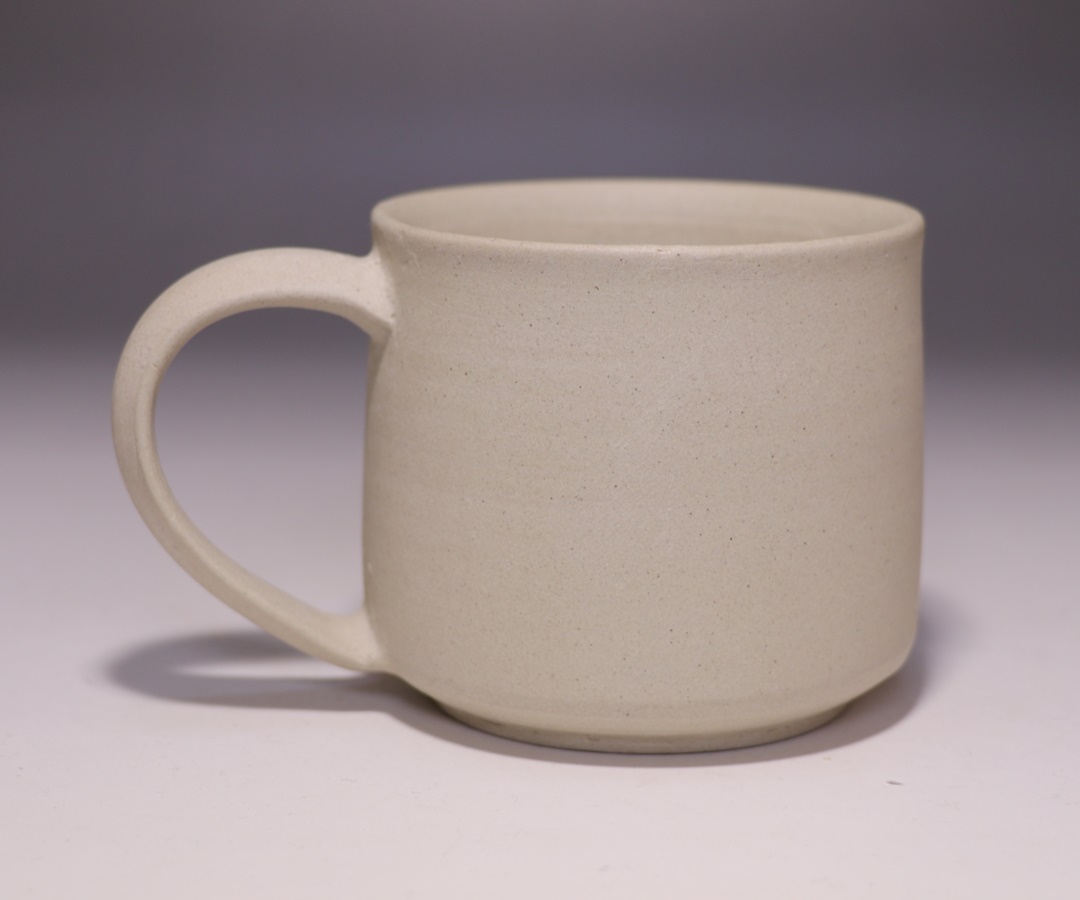
Sohei Takashima - Bizen Mitsuishi Mugcup
4,400 YEN
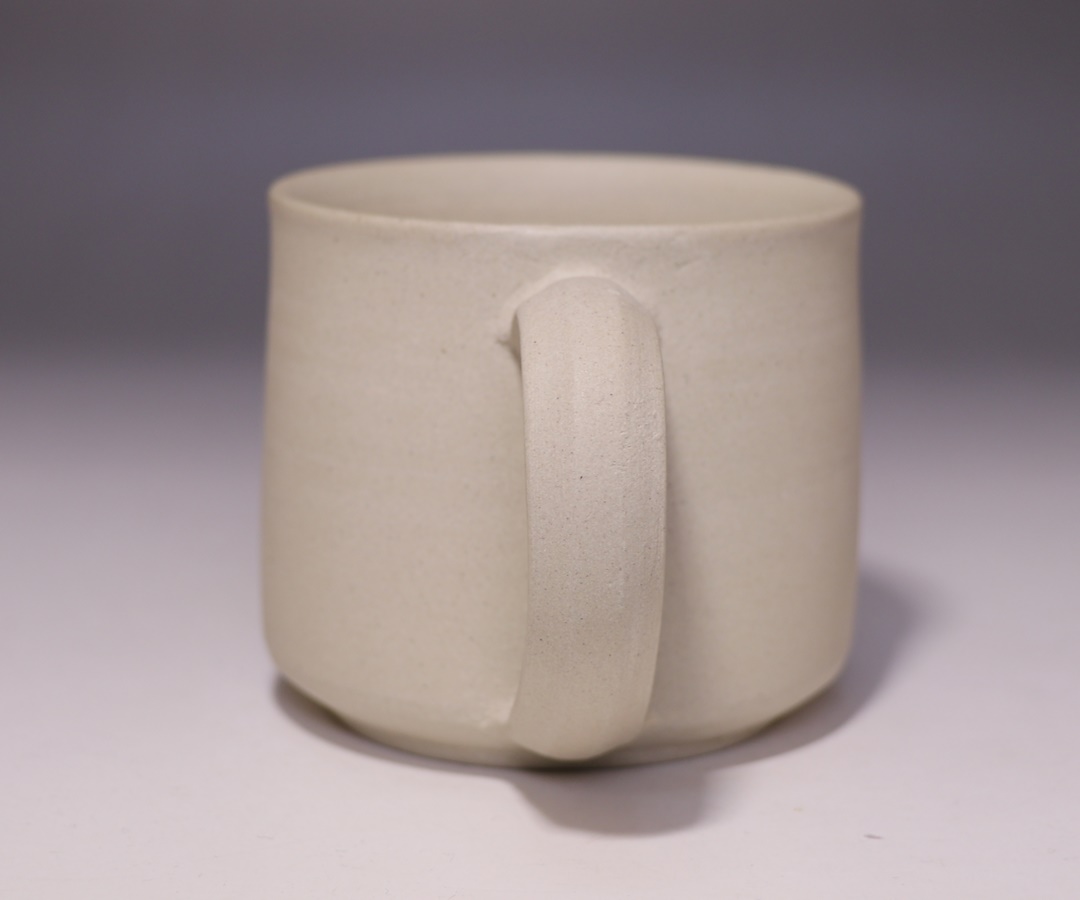
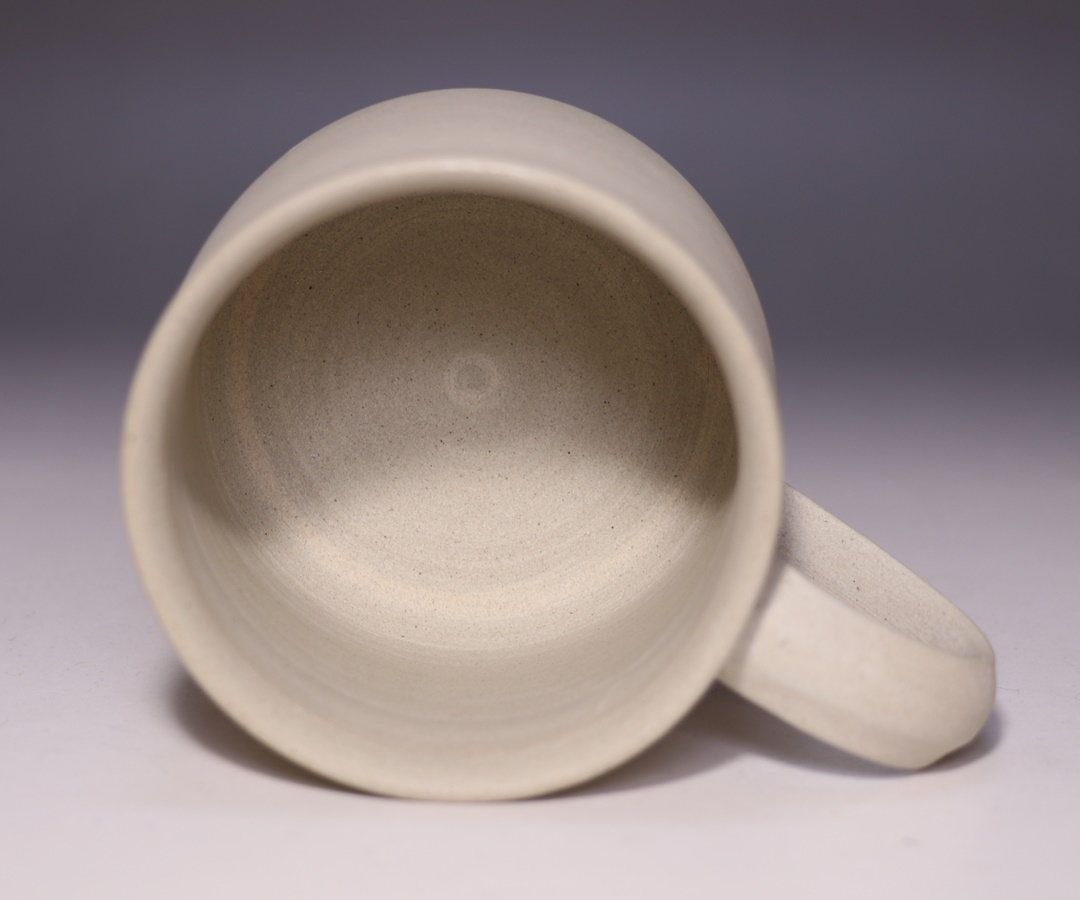
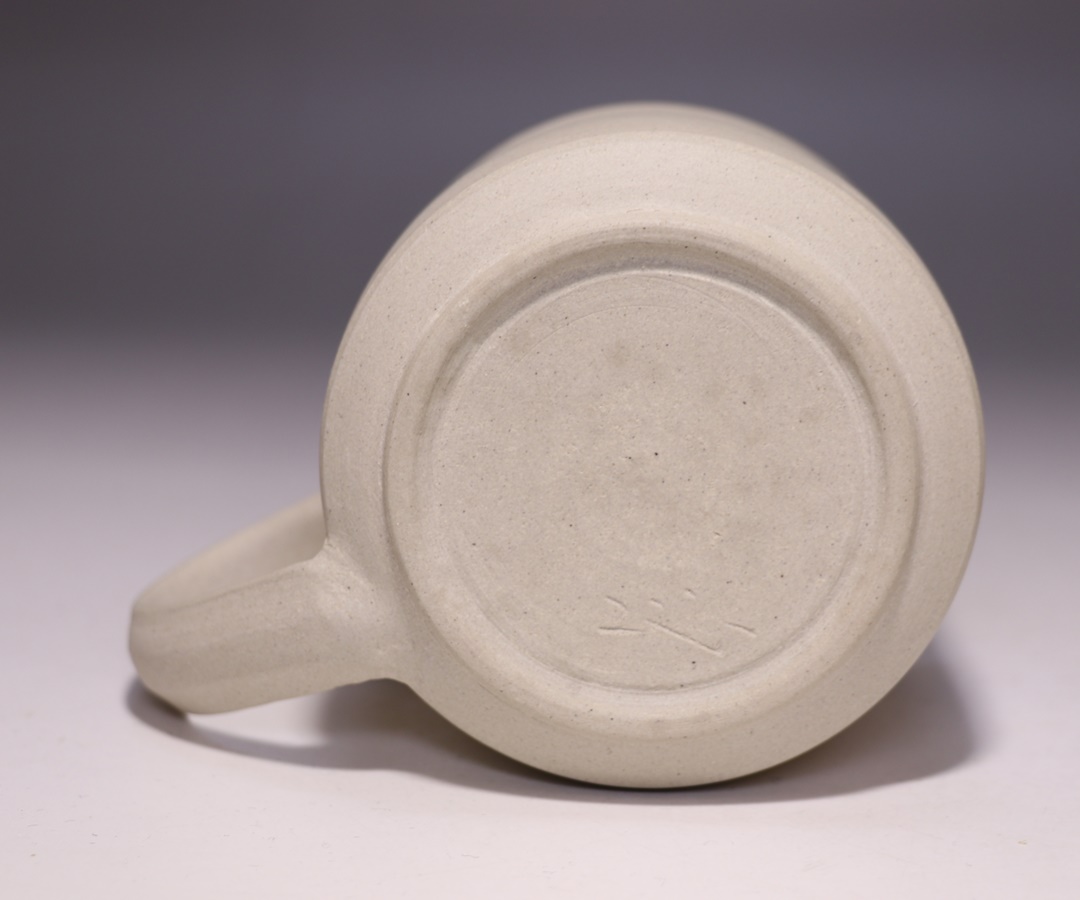
size : W11.6cm×8.3cm×H7.1cmAfter completing his training at Jun Isezaki’s studio, Sohei Takashima received the Contemporary Ceramic Art Encouragement Award from the Japan Ceramic Society, marking a brilliant debut. This is his new Bizen Mitsuishi mug cup.
Sohei Takashima studied under Jun Isezaki, the fifth Living National Treasure of Bizen ware, and later established himself in Ushimado, Setouchi City. This is one of his mug cups.
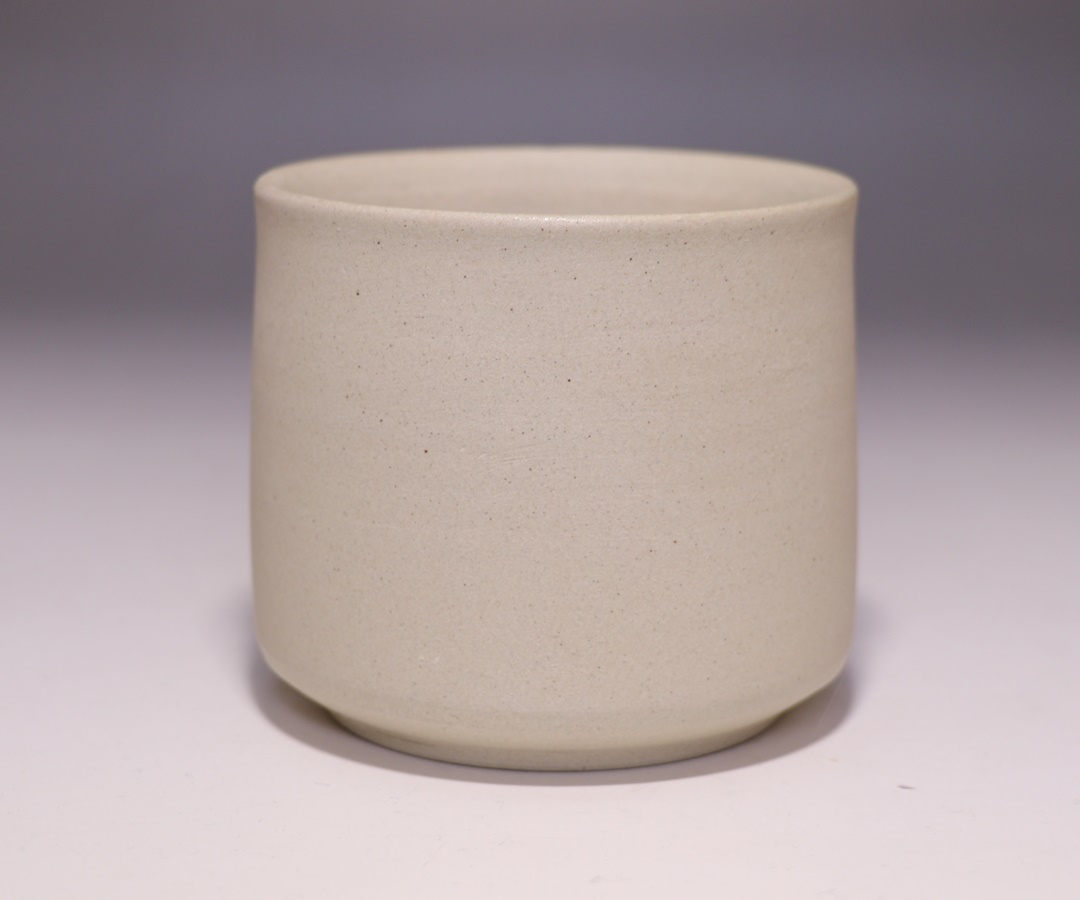
This piece was made by mixing Bizen clay with roseki stone from the Mitsuishi district in eastern Bizen City, resulting in a white surface that looks almost like unfired clay.
The roseki stone, a specialty of Mitsuishi, is finely crushed and blended into the clay, giving the piece an extremely smooth texture that matches its porcelain-like appearance.
Because of the nature of the clay, this is a piece that will develop beautifully with use. The colors of tea, coffee, and other drinks will gradually soak into the surface, and it is said that the piece will slowly take on a soft, earthy tone, almost as if it were being fired once again.
In keeping with the character and color of the clay, all unnecessary gestures have been completely stripped away. The result is a wonderfully simple and quiet design that perfectly suits its clean, pure appearance.
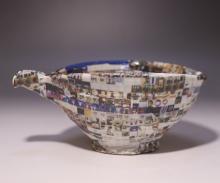


Youtaro Isezaki - Hibi 2022 Katakuchi
38,500 YEN
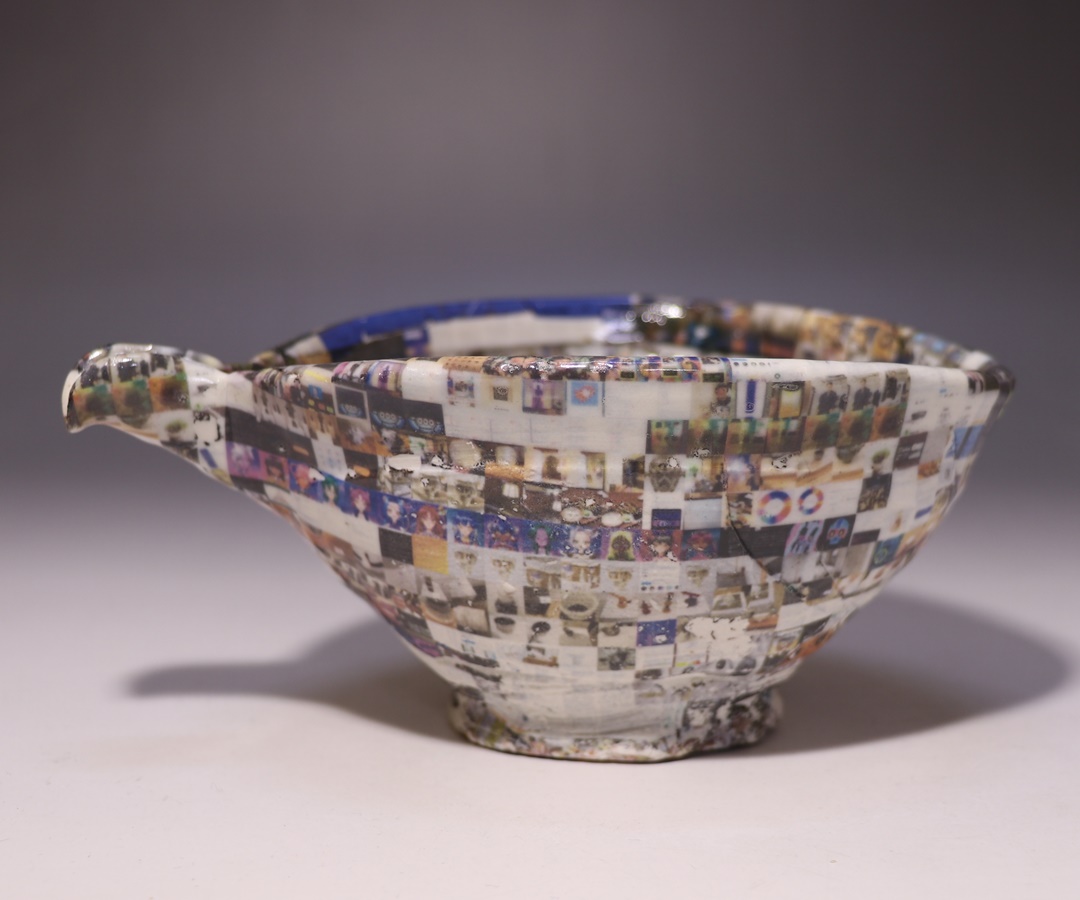
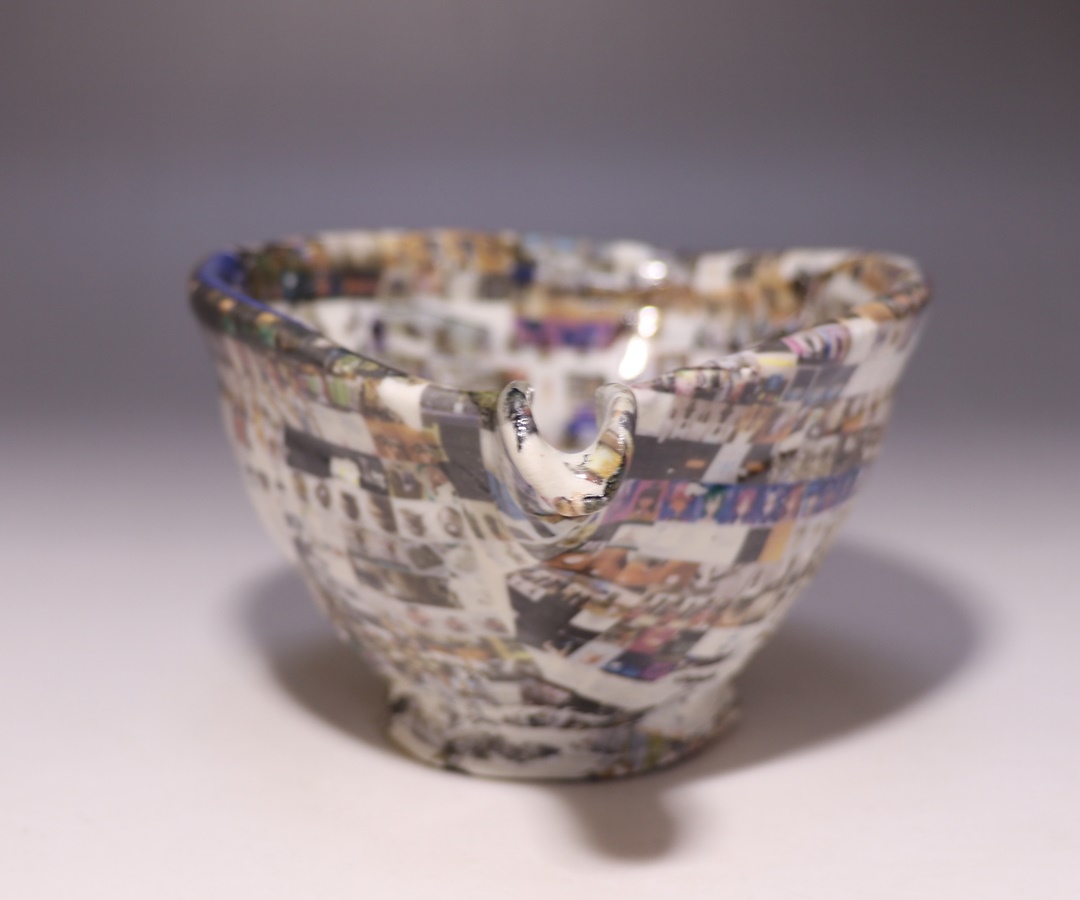
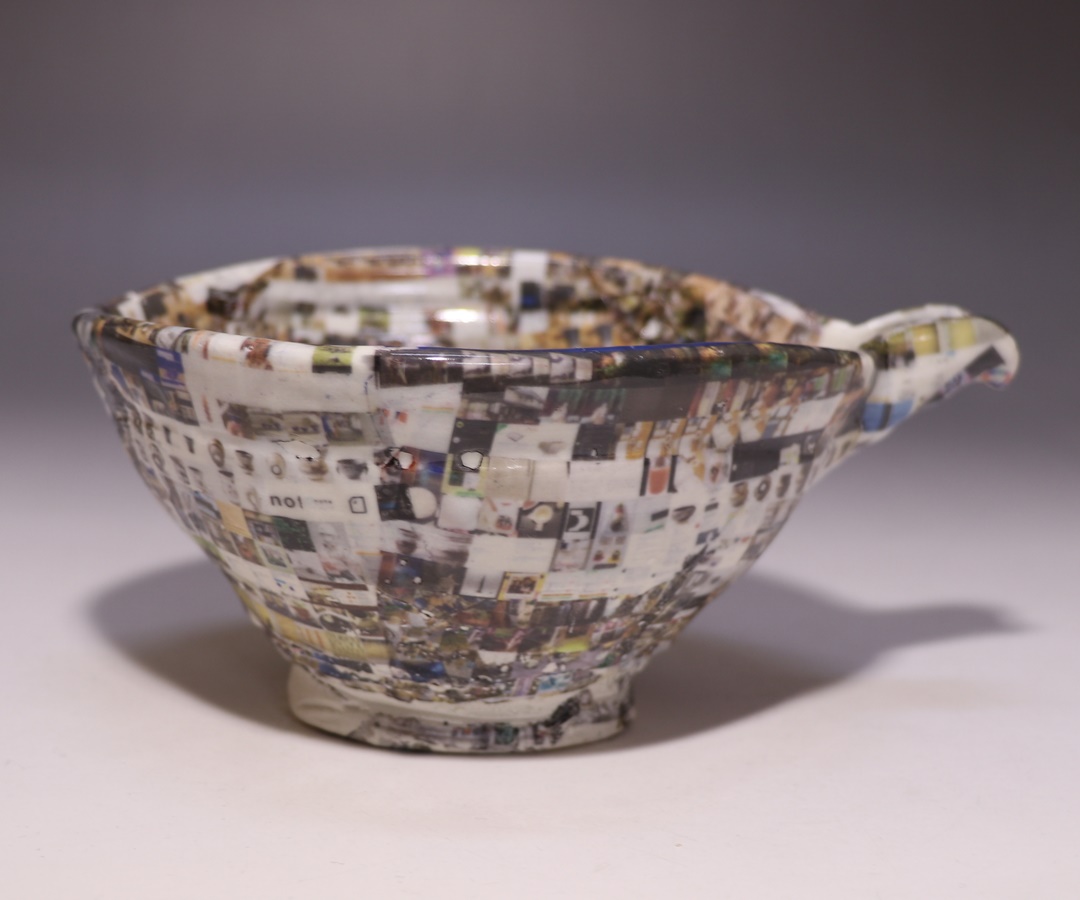
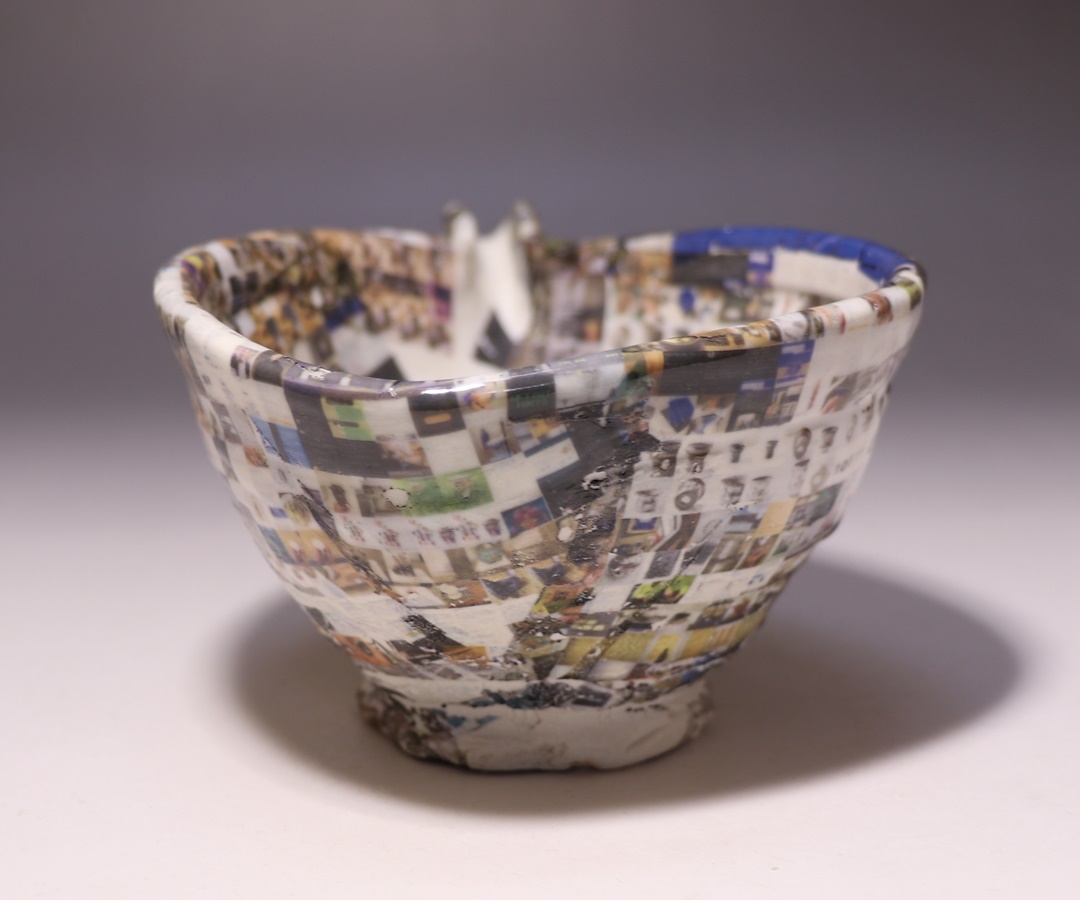
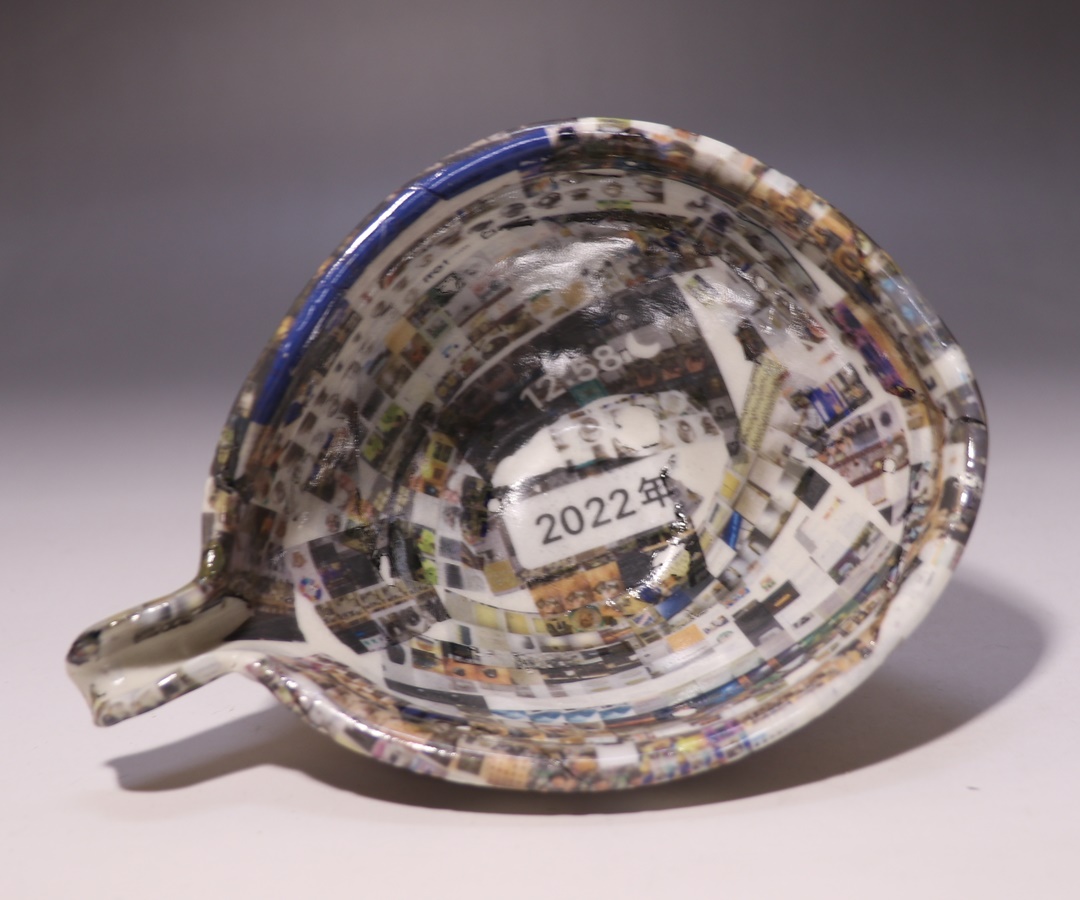
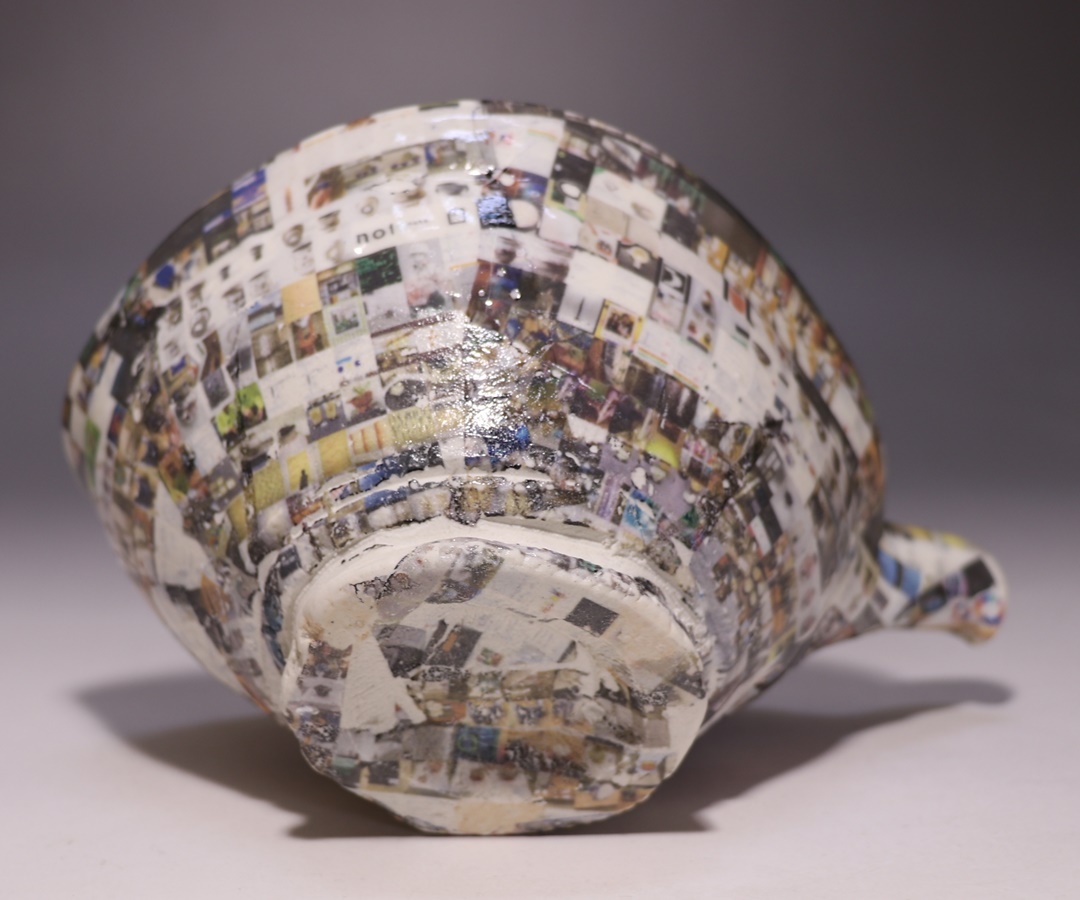
size : W16.7cm×11.8cm×H7.5cm 200ccBorn as the eldest son of Shin Isezaki into a prestigious family of Bizen ware, Youtarou Isezaki continues to create works in a new style that is not bound by conventional ideas. This is his **Hibi 2022 Katakuchi**.
By incorporating AI-generated imagery and decal transfer techniques, he pursues a distinctive form of expression that brings contemporary sensibilities into ceramics.
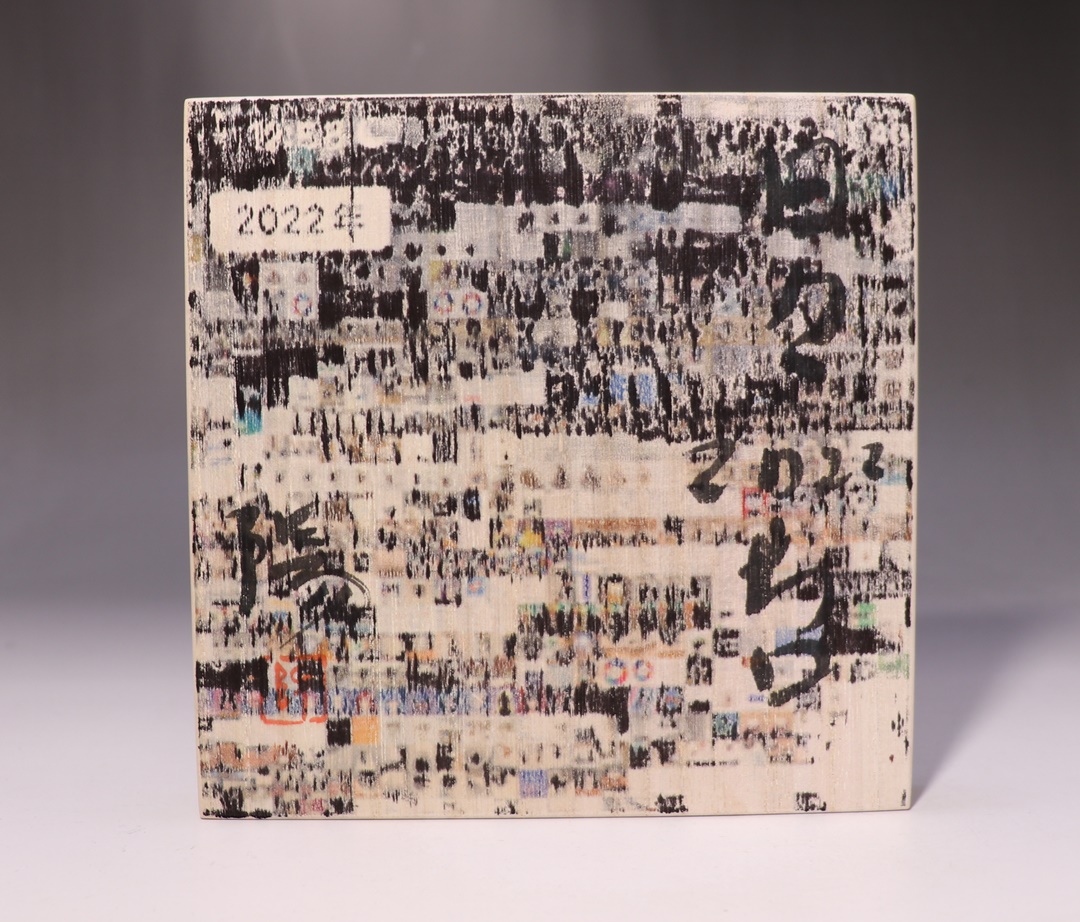
As suggested by the title Hibi 2022 — with “Hibi” carrying the sense of everyday life and the repeated passing of days — he applies images from his own iPhone camera roll across the entire surface of the vessel with transfer paper, creating an effect reminiscent of a photo collage.
Based on an original clay body made by blending porcelain clay and Mogusa clay, the surface is adjusted with coated clay and glaze, allowing the vessel itself to function like a canvas.
Furthermore, this clay canvas affects the outlines of the transferred images through the texture of the clay particles and the glaze, creating a uniquely faded surface impression, as if the piece had been used over a long period of time.
The body has a conventional oval form fitted with a semicircular spout, making it remarkably easy to use despite its visually striking appearance.
While based on the traditional form of a sake vessel, this work brings together contemporary elements such as AI, decal transfer, and smartphone functions, creating a new ceramic expression unique to Youtarou Isezaki.
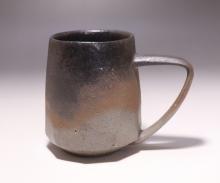


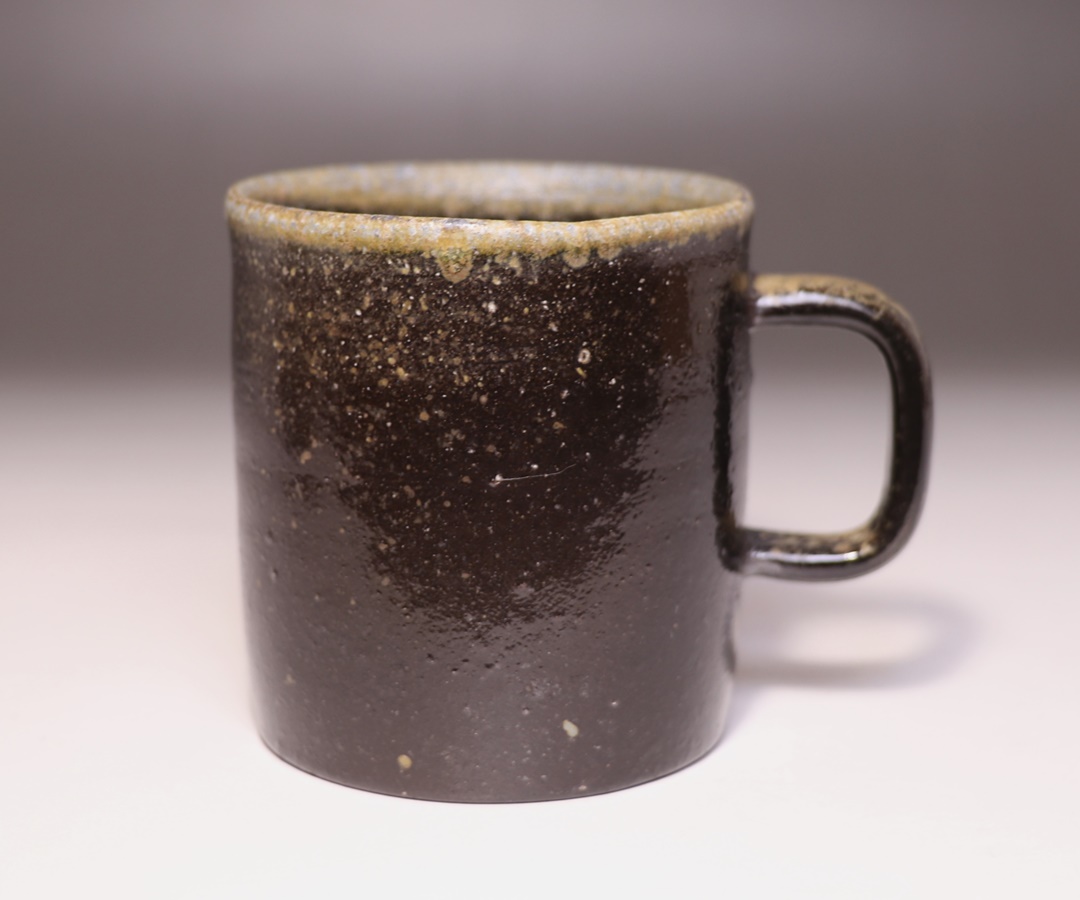
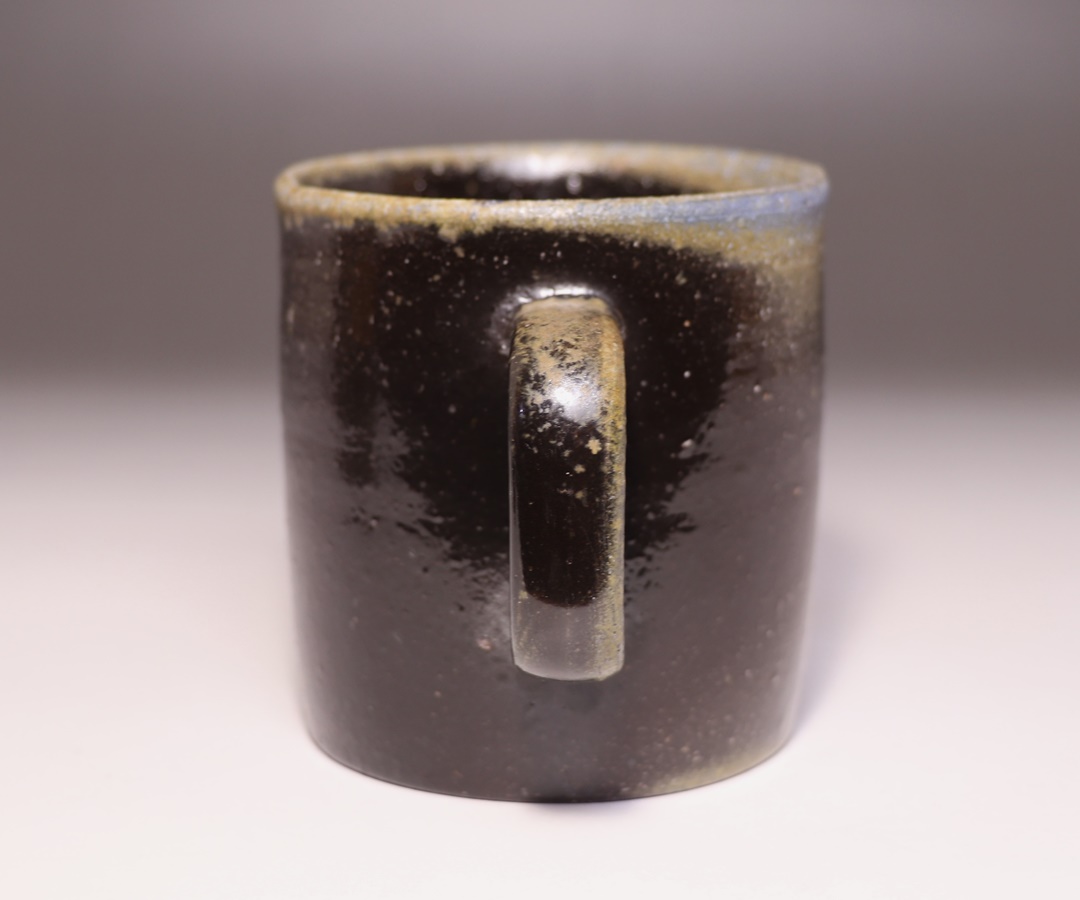
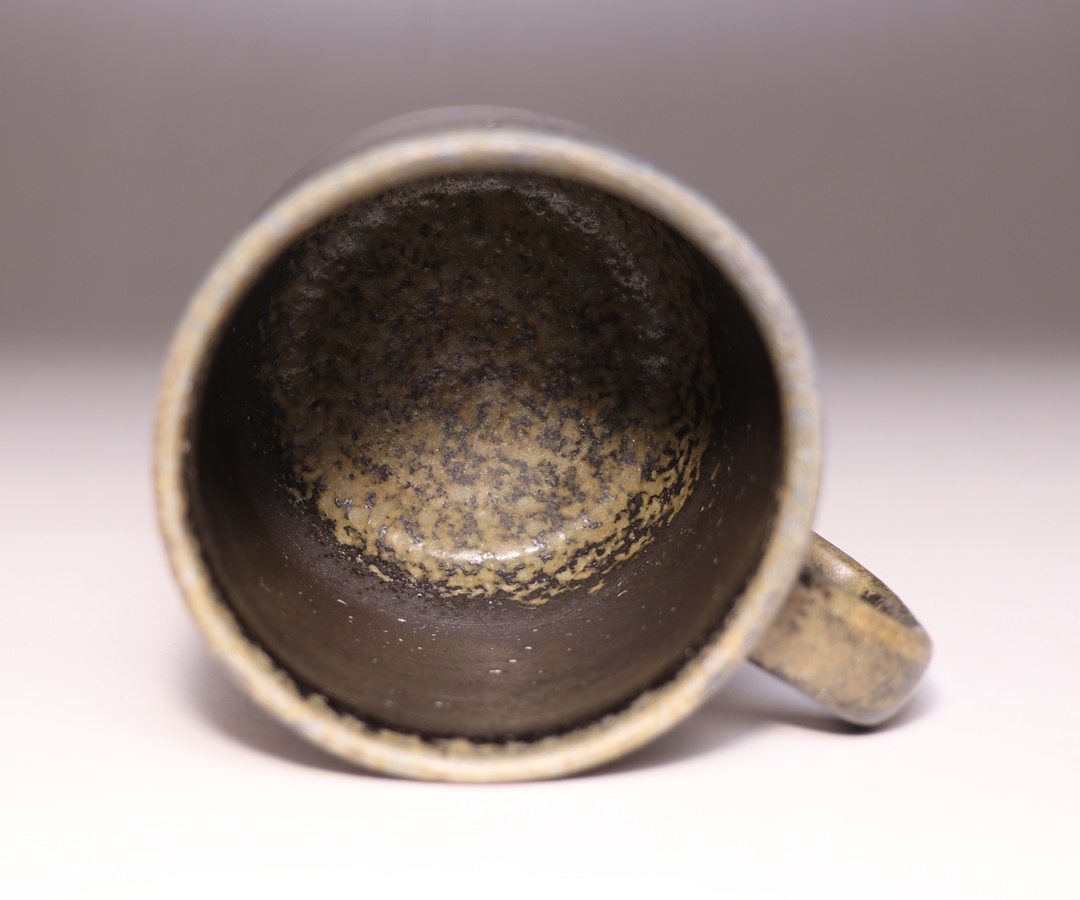
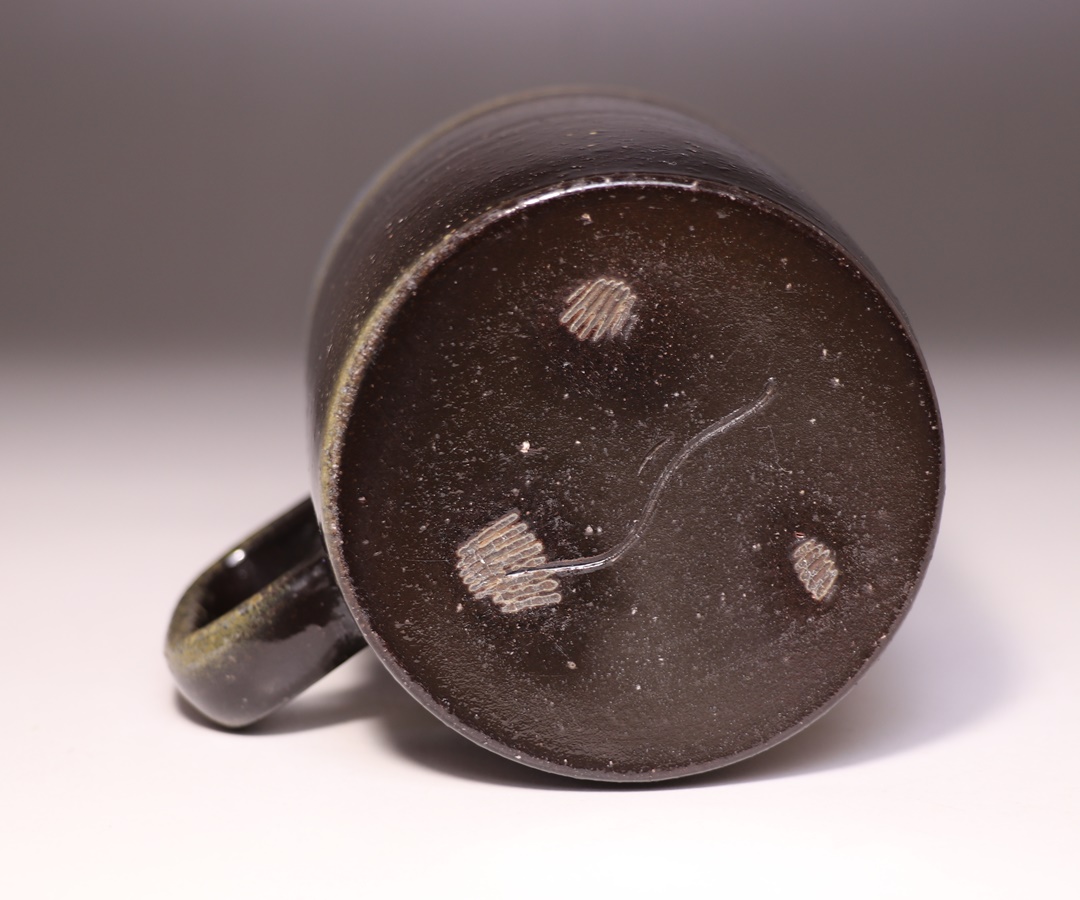
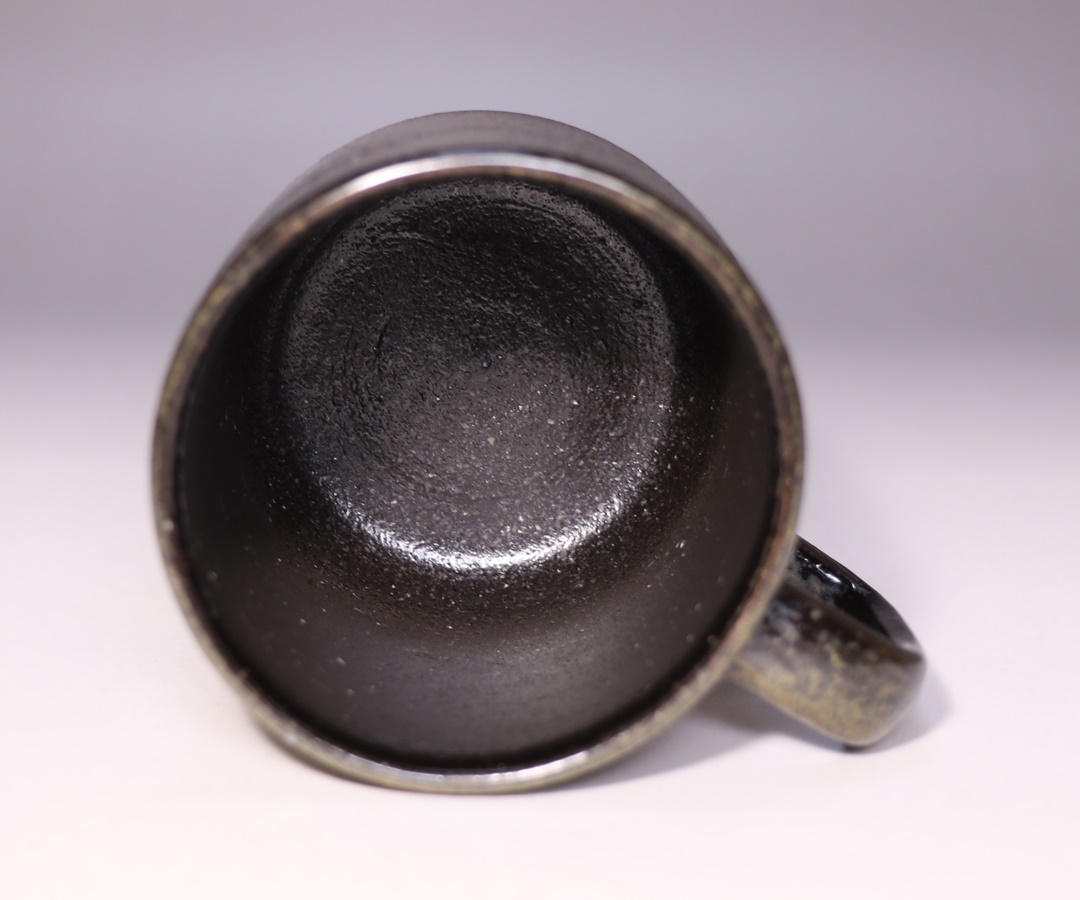
Sohei Takashima - Bizen Kuro Mugcup
5,500 YEN
size : W11.1cm×7.5cm×H8.8cmAfter completing his training at Jun Isezaki’s studio, Sohei Takashima received the Contemporary Ceramic Art Encouragement Award from the Japan Ceramic Society, marking a brilliant debut. This is his **Bizen Kuro Mug Cup**.
Sohei Takashima studied under Jun Isezaki, the fifth Living National Treasure of Bizen ware, and later established himself in Ushimado, Setouchi City. This is one of his Bizen Kuro Mug Cups.
By introducing his own innovations into the final firing in an electric kiln, he creates artificial golden highlights across the entire surface, while a gradation of three different clay tones gives the piece its distinctive atmosphere.
The clay surface has an almost metallic coloration, beautifully accentuating Takashima’s precise and refined form.
Takashima crafts every work, from tableware to tea utensils, with exceptional care and attention to detail. This piece is no exception, offering a highly satisfying presence in which every part has been meticulously finished.
FIRST PREV 3 / 39 page NEXT LAST