
Products
| Bizen Sake Bottle & sake Cup | Tea Ceremony Things | Bizen Flower Vase | Bizen Dish & Bowl | Others |
Bizen Sake Bottle & sake Cup
1094 Items
FIRST PREV 3 / 92 page NEXT LAST
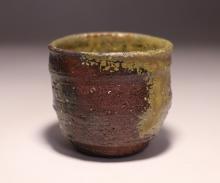


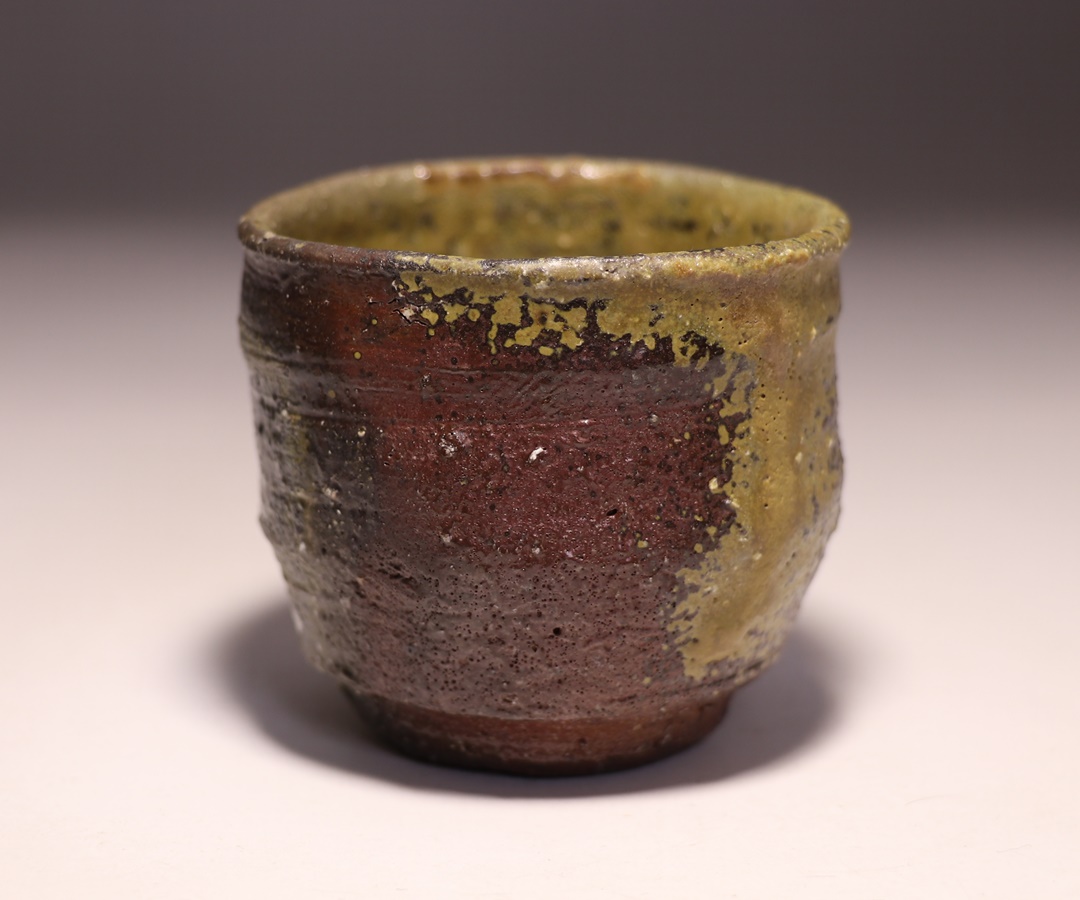
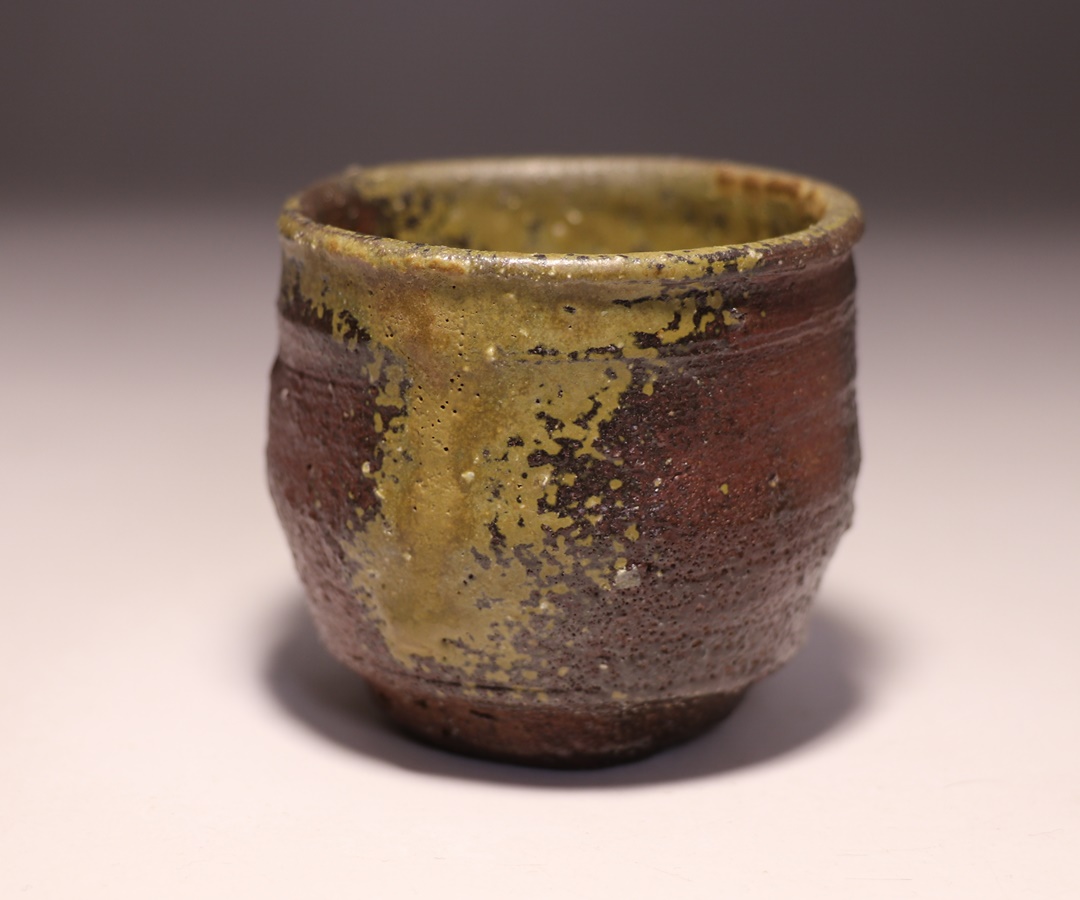
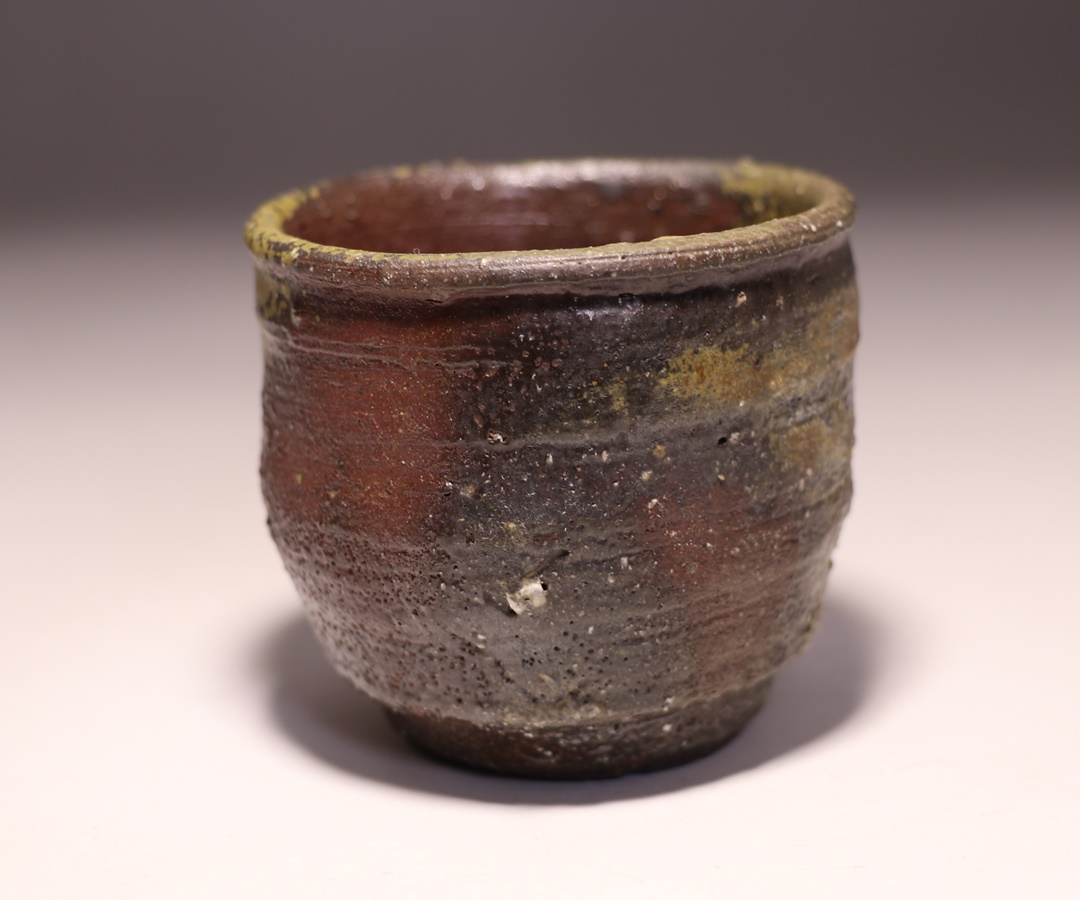
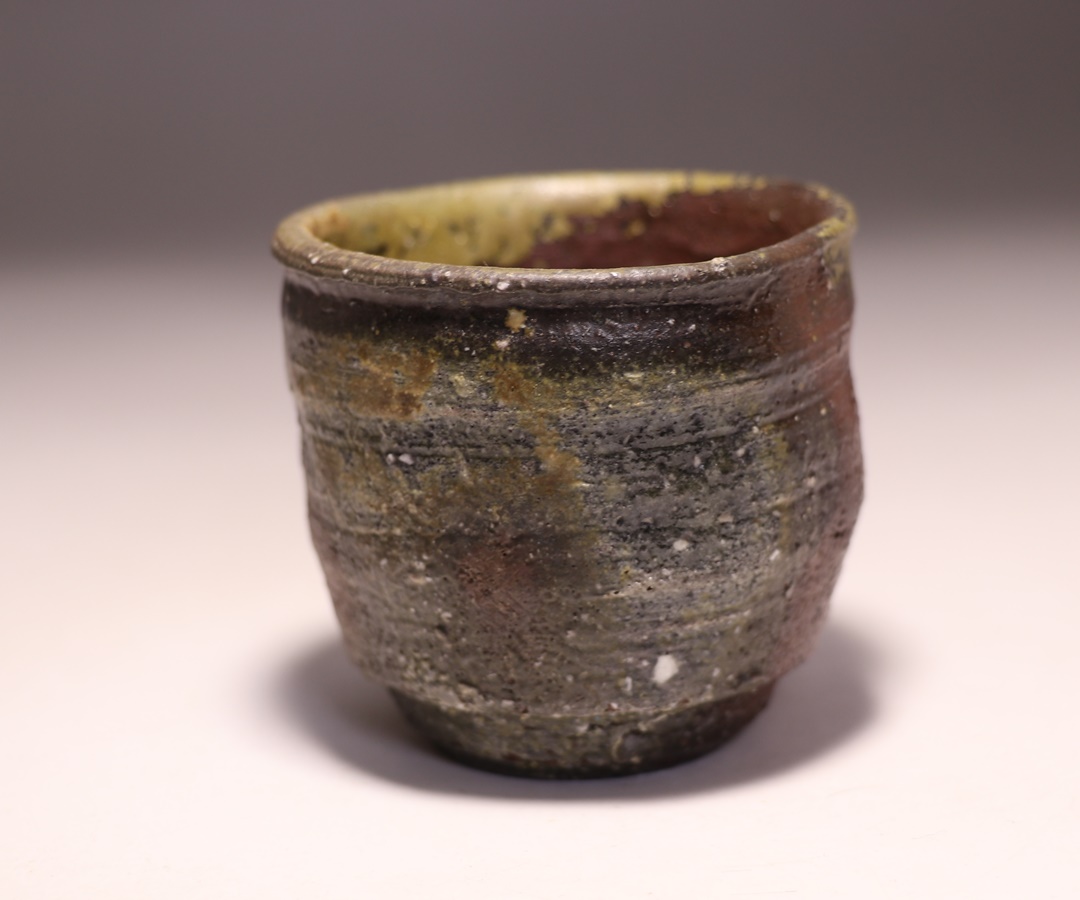
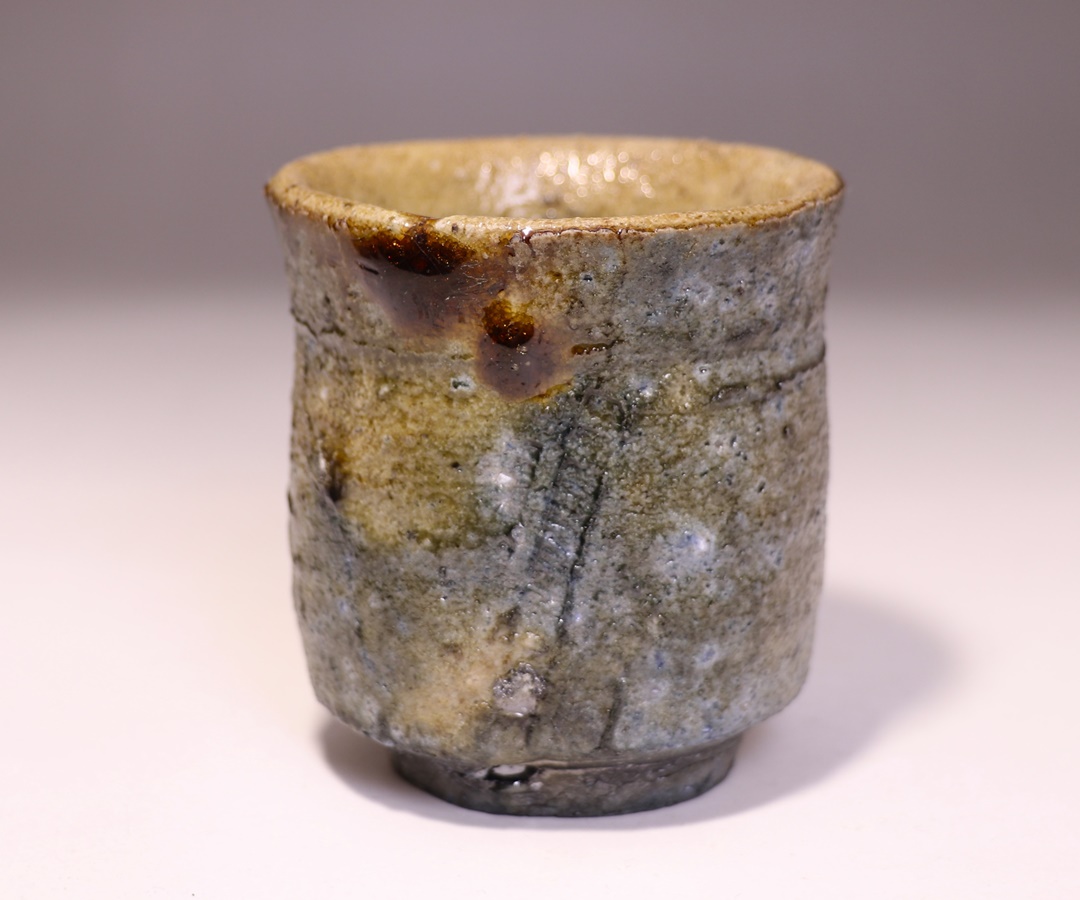
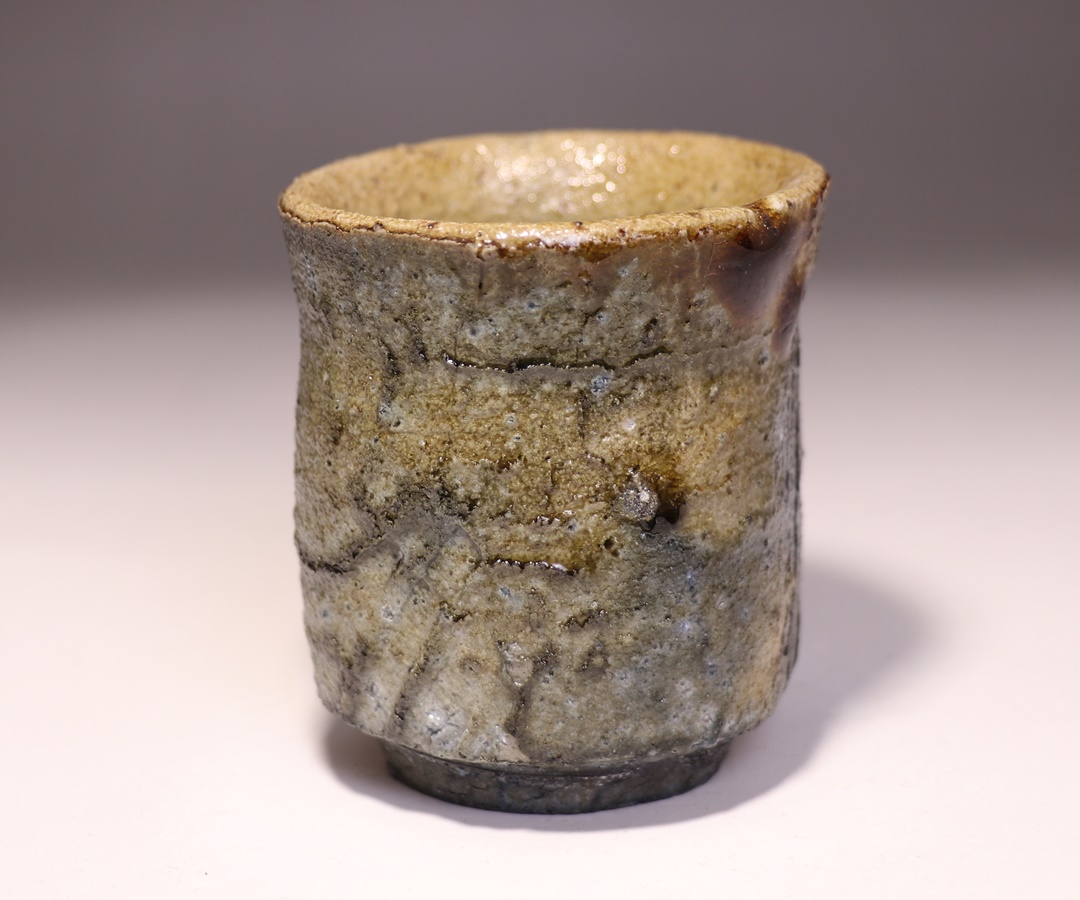
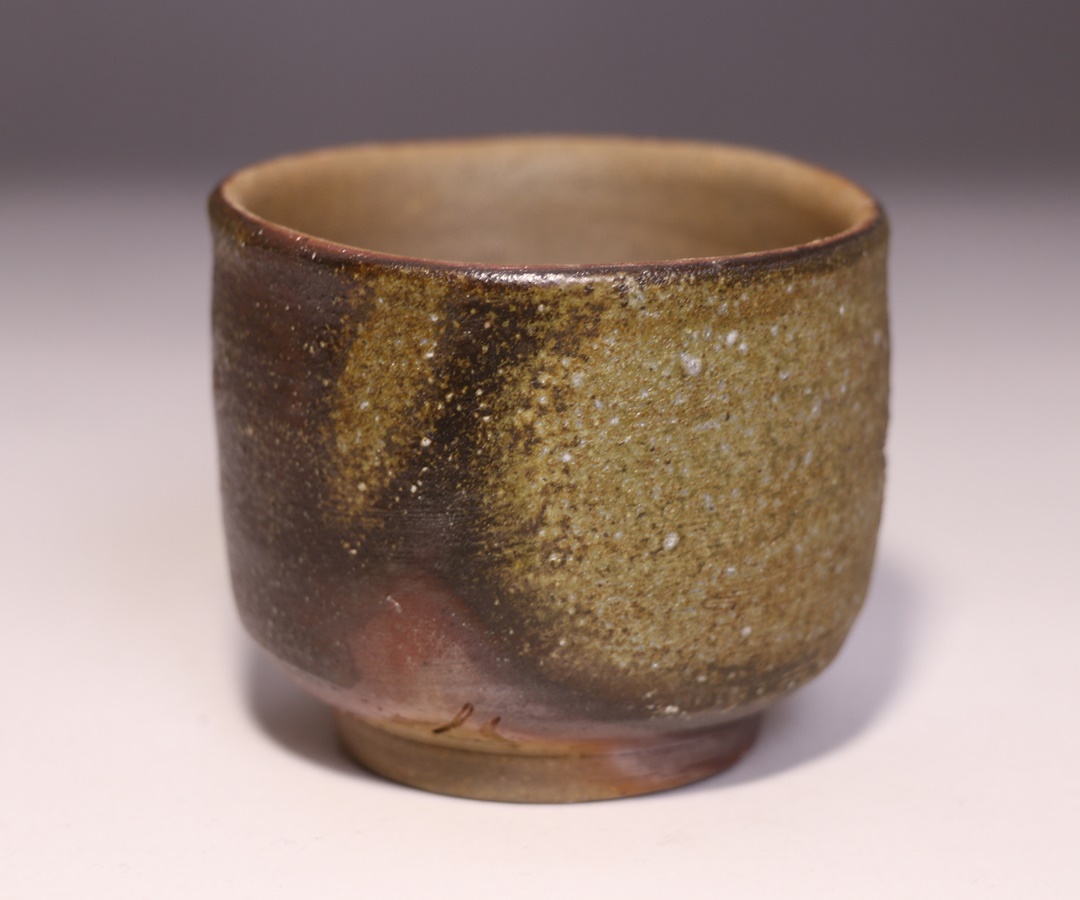
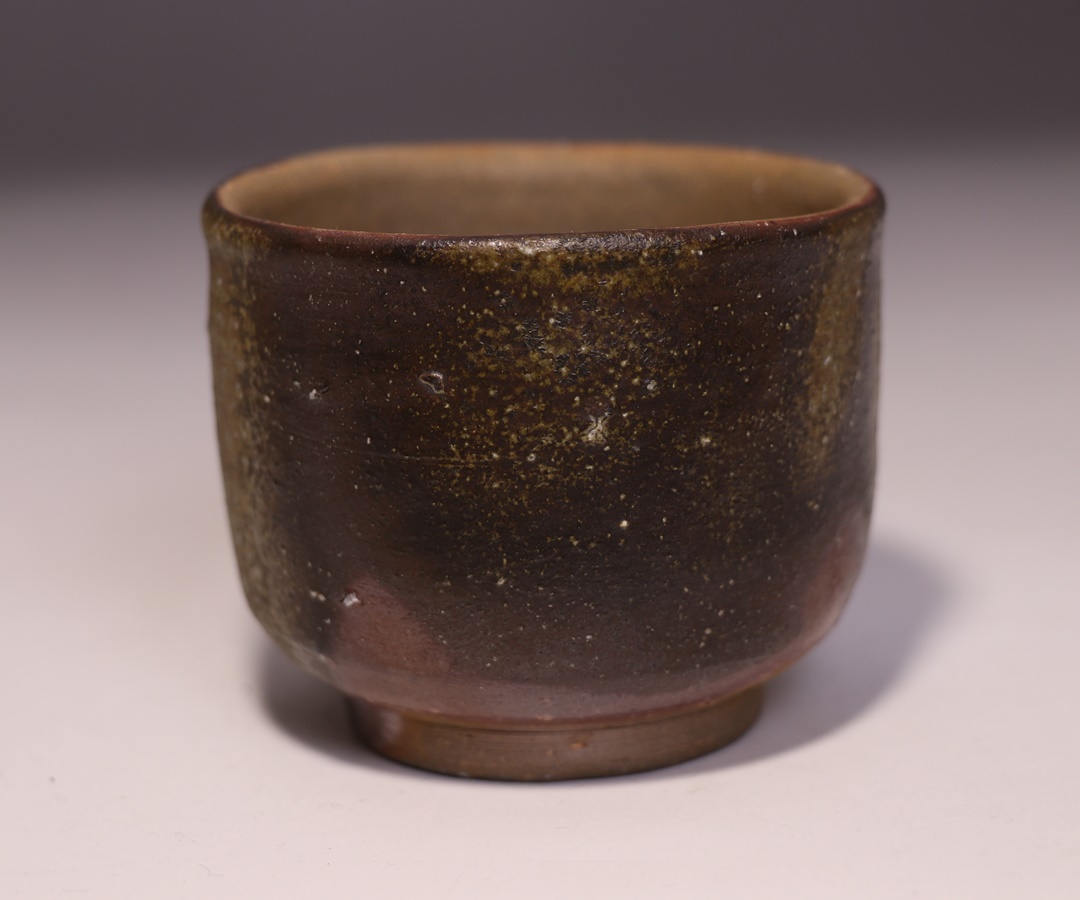
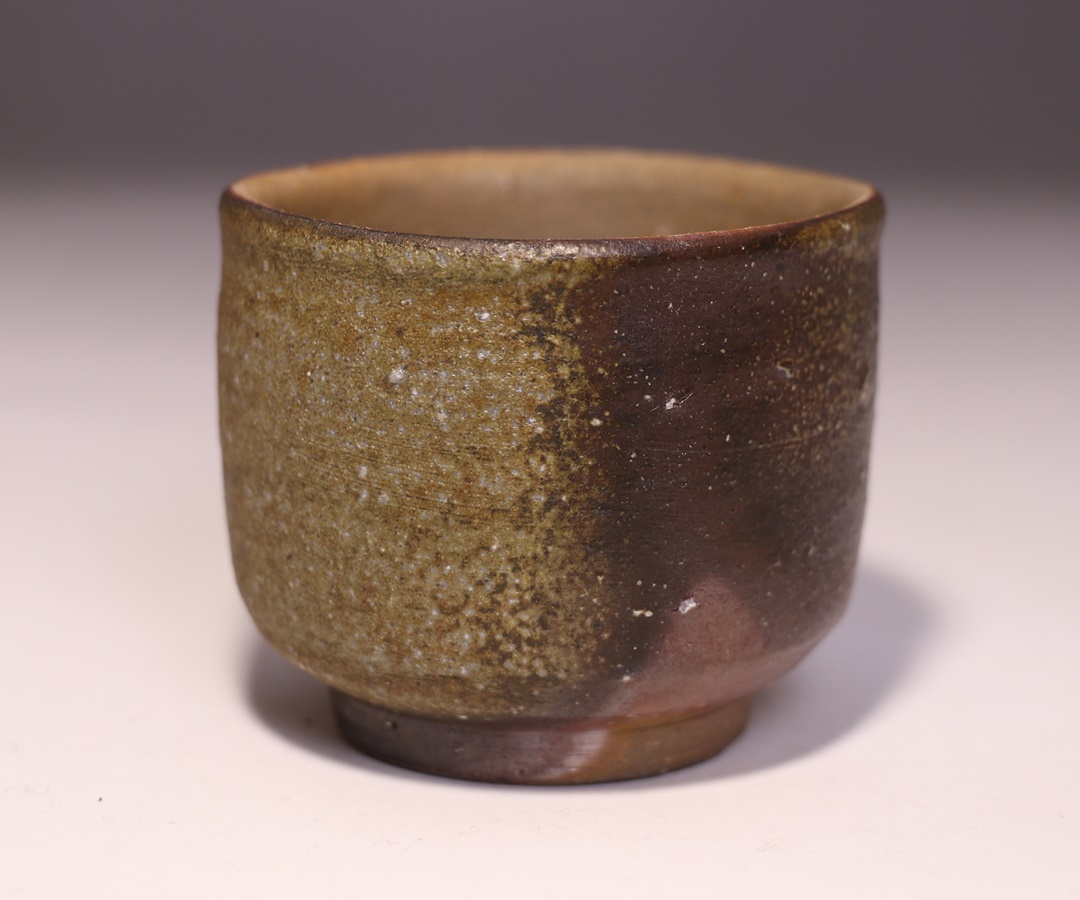
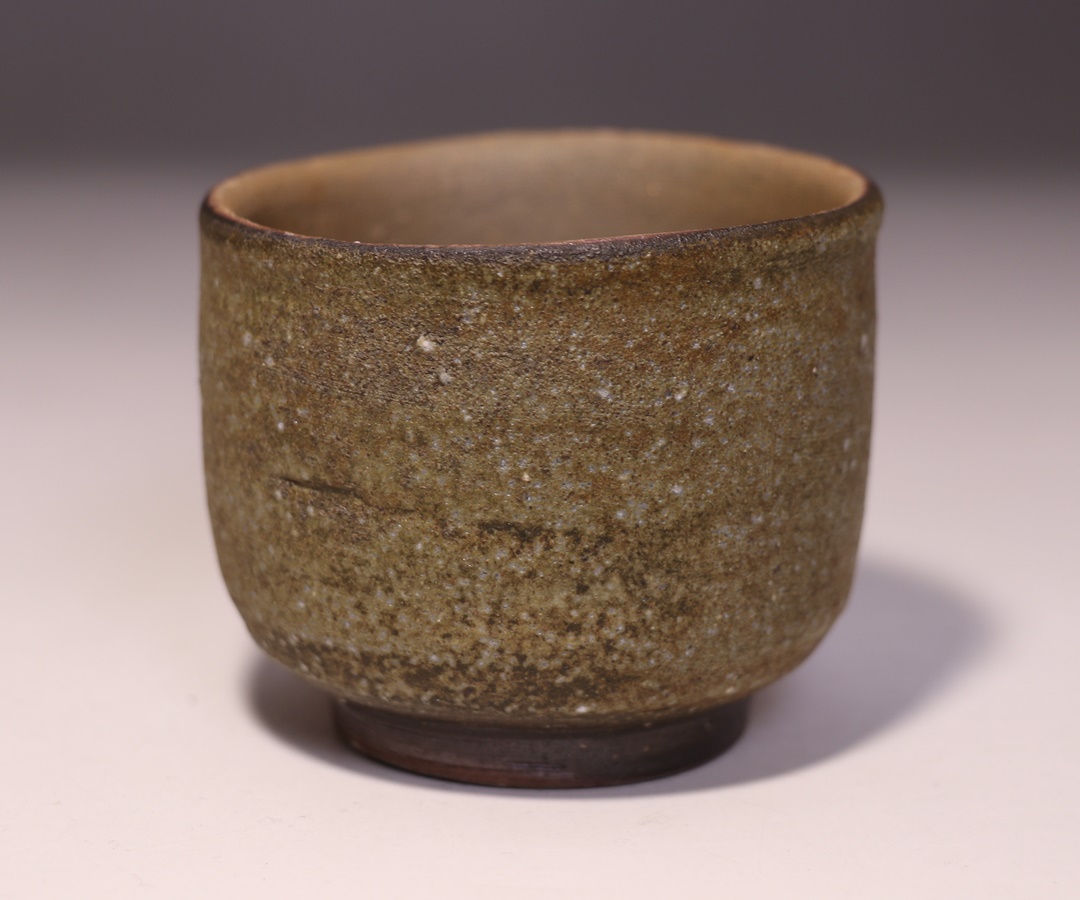
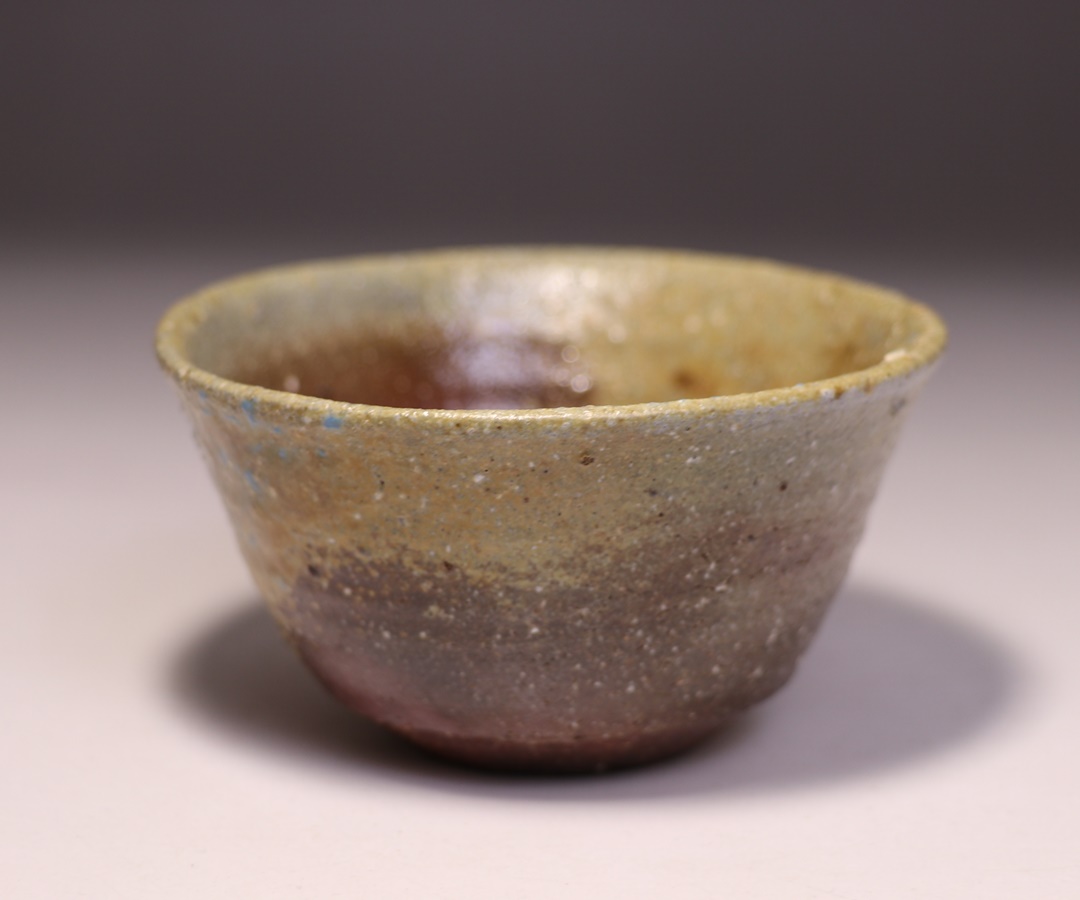
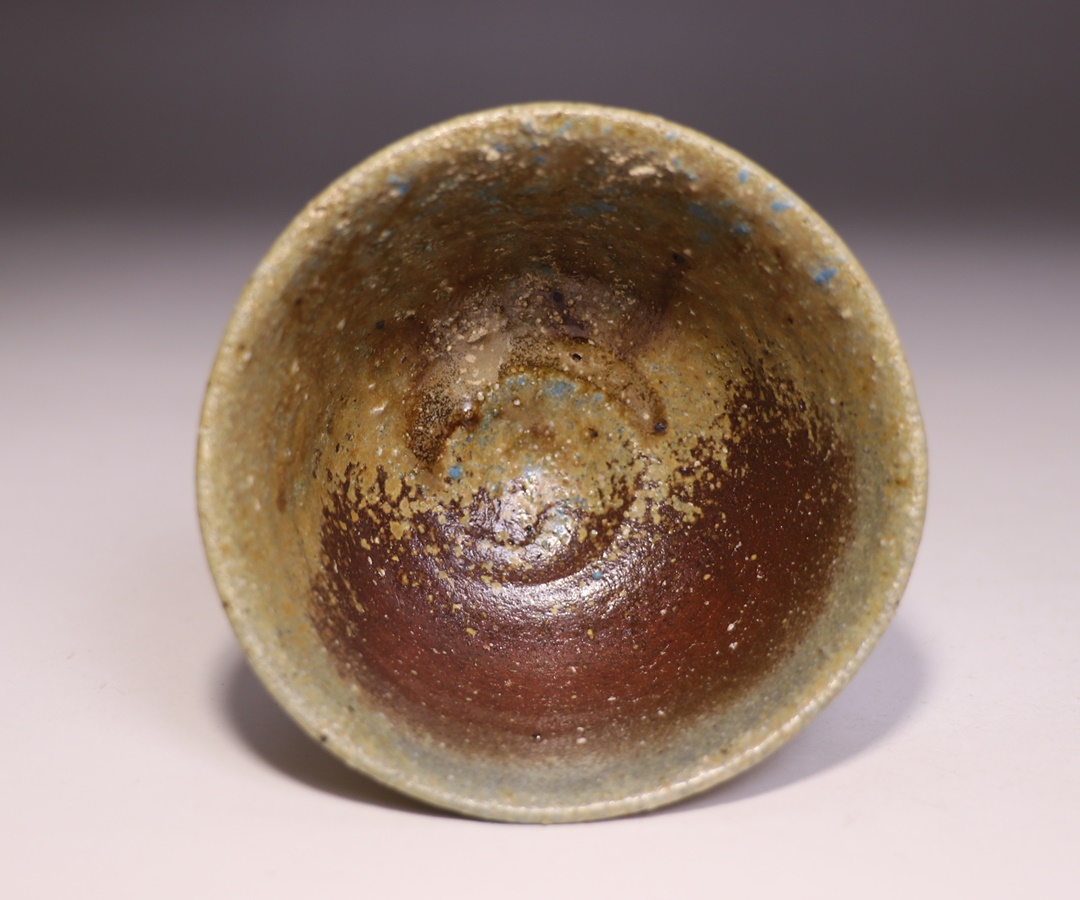
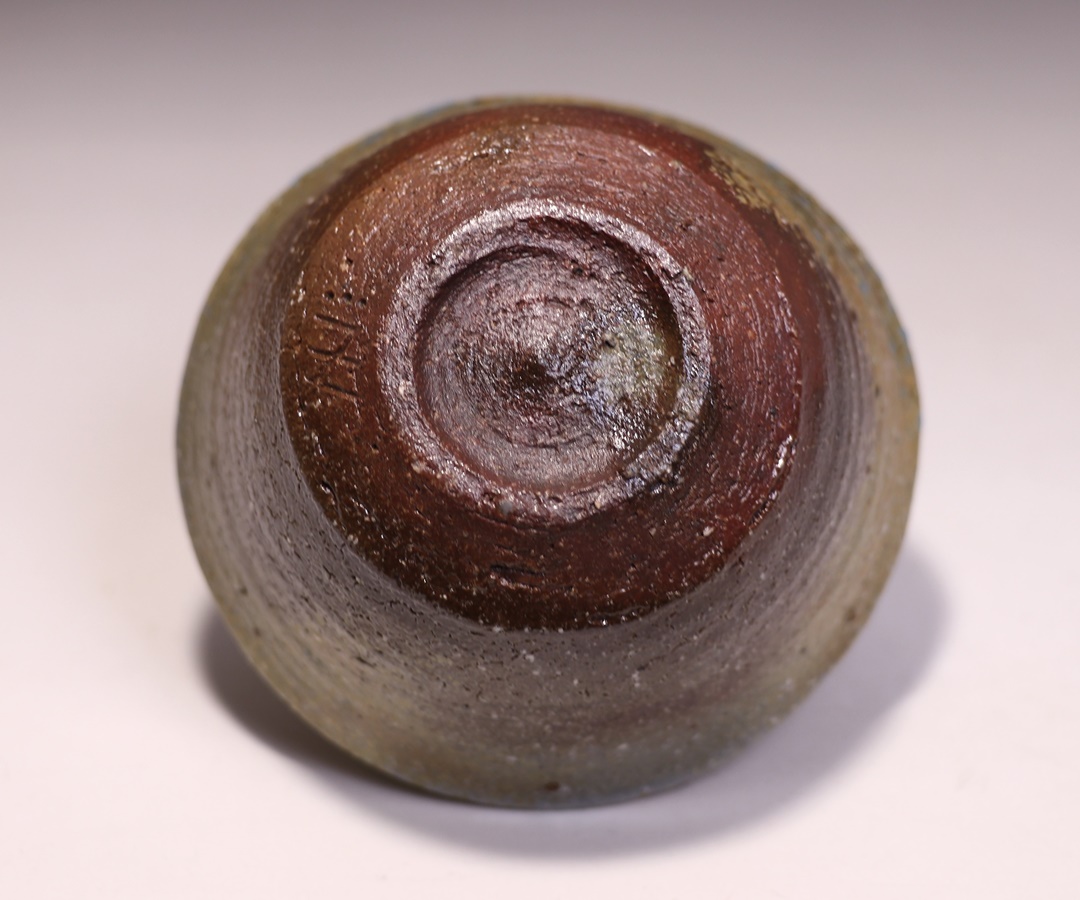
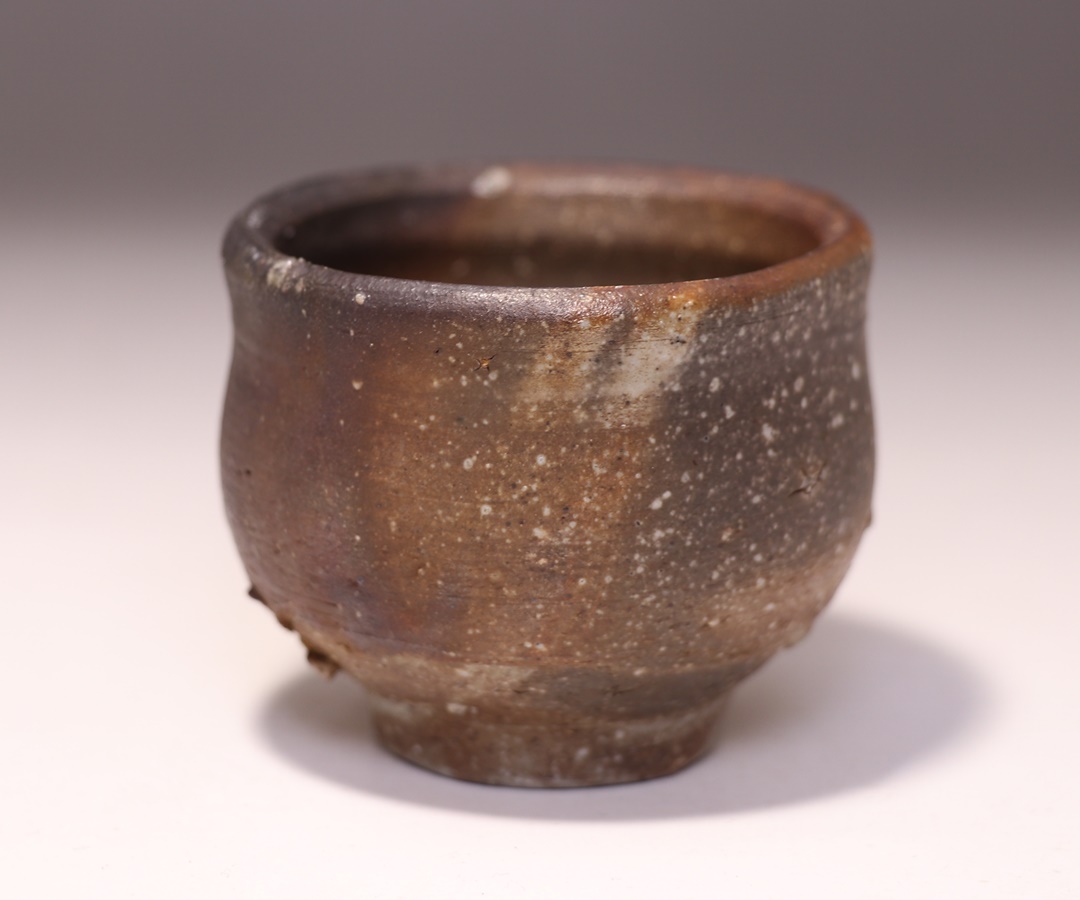
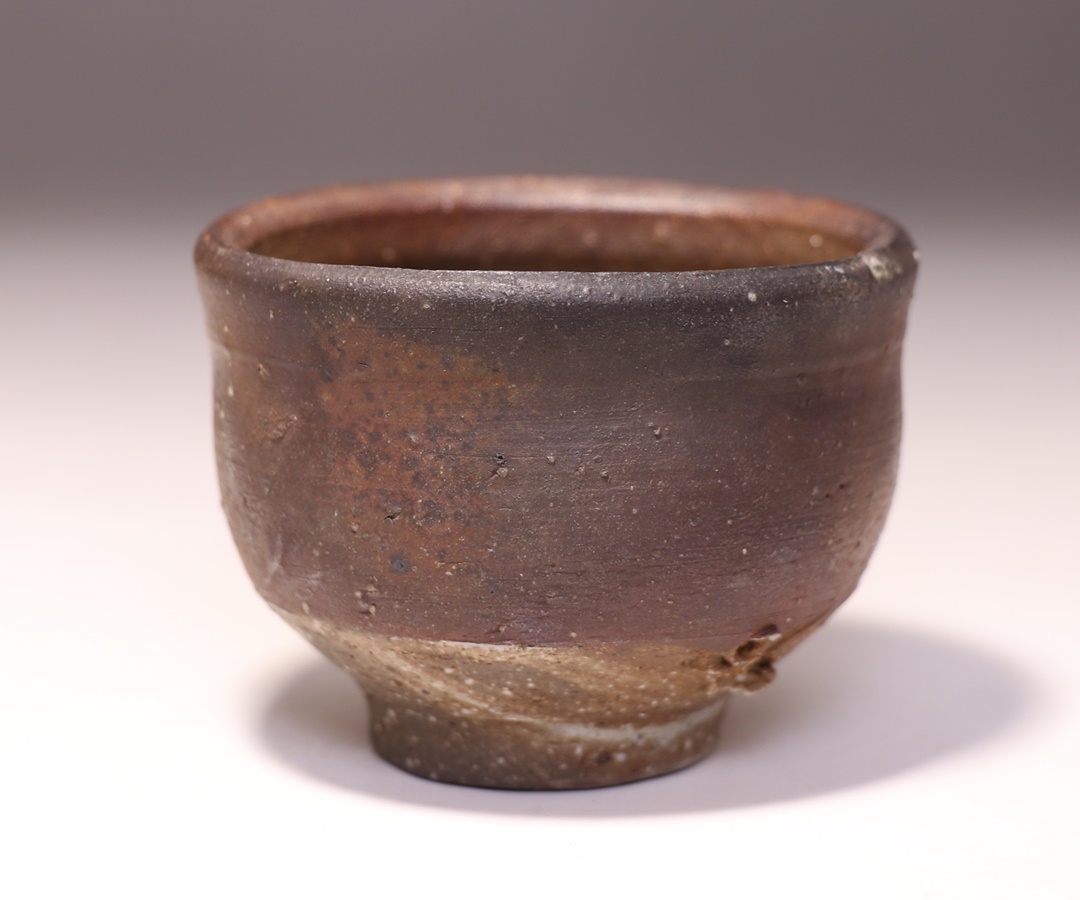
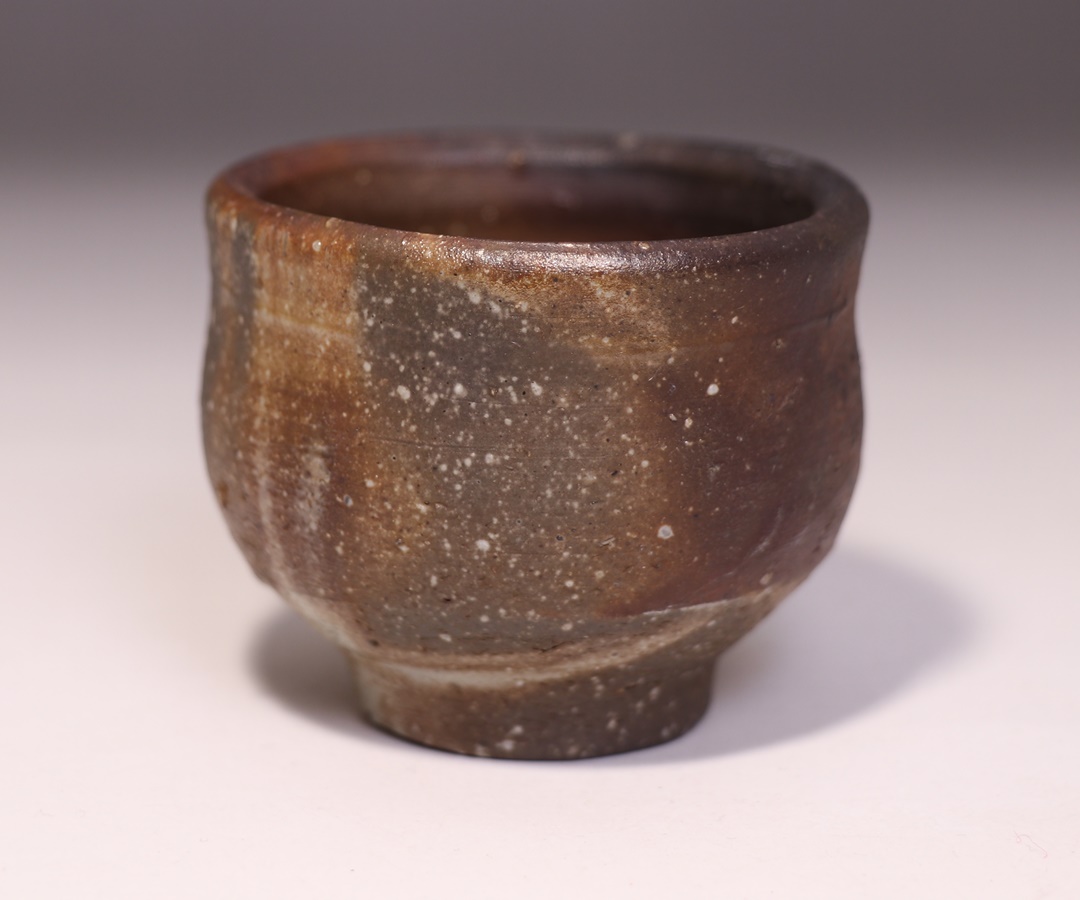
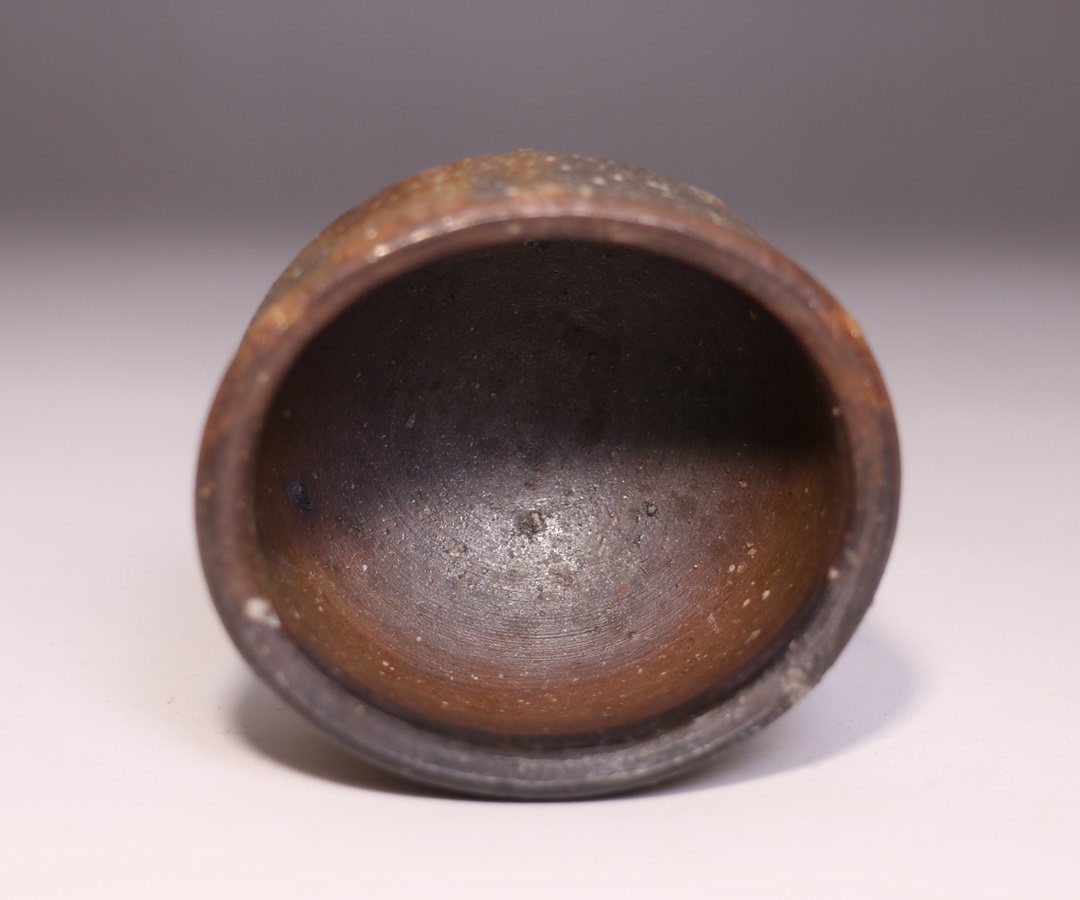
Shinjiro Aika - Bizen Guinomi
19,800 YENSold out
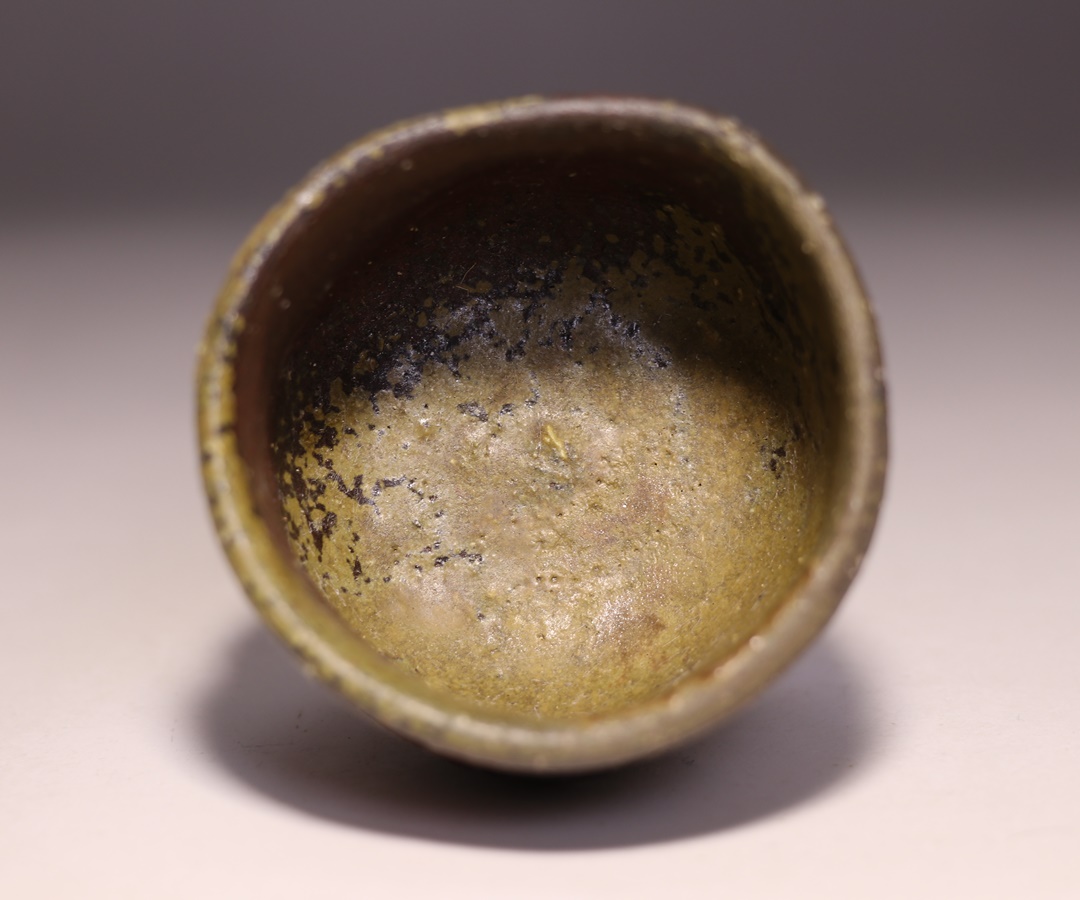
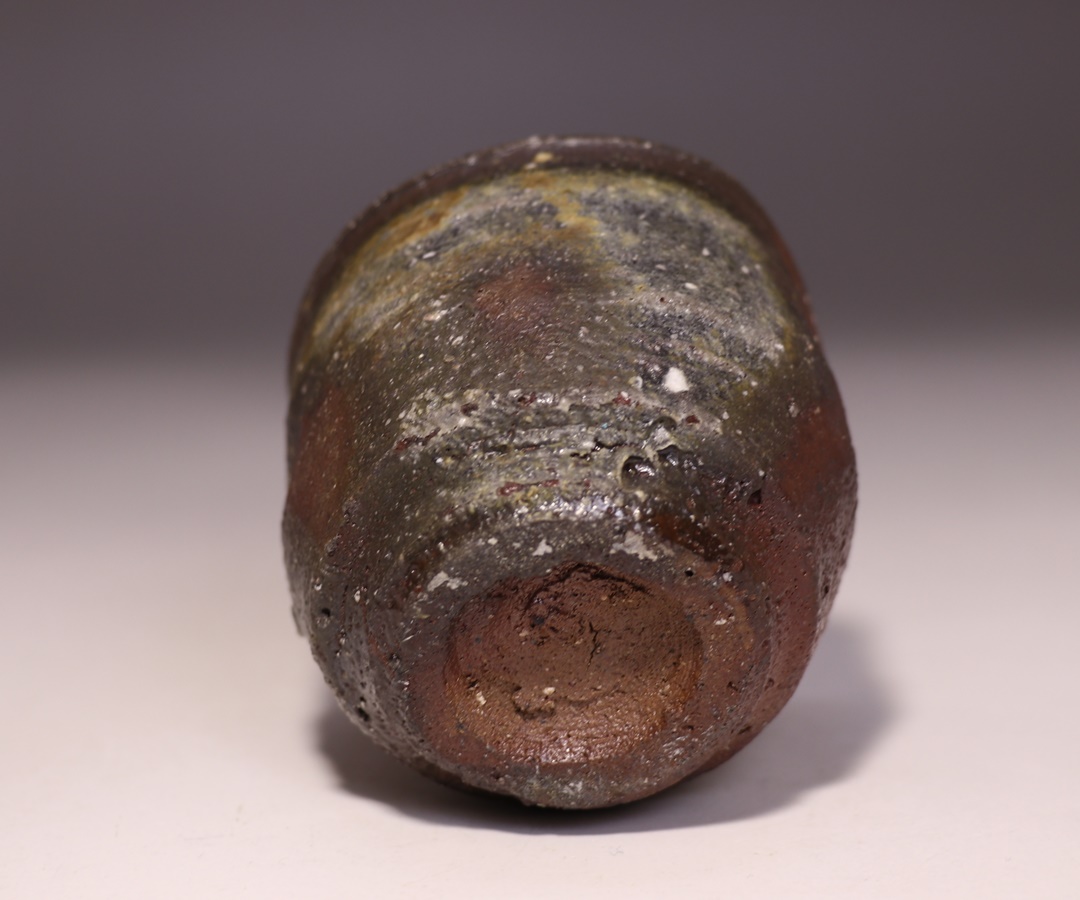
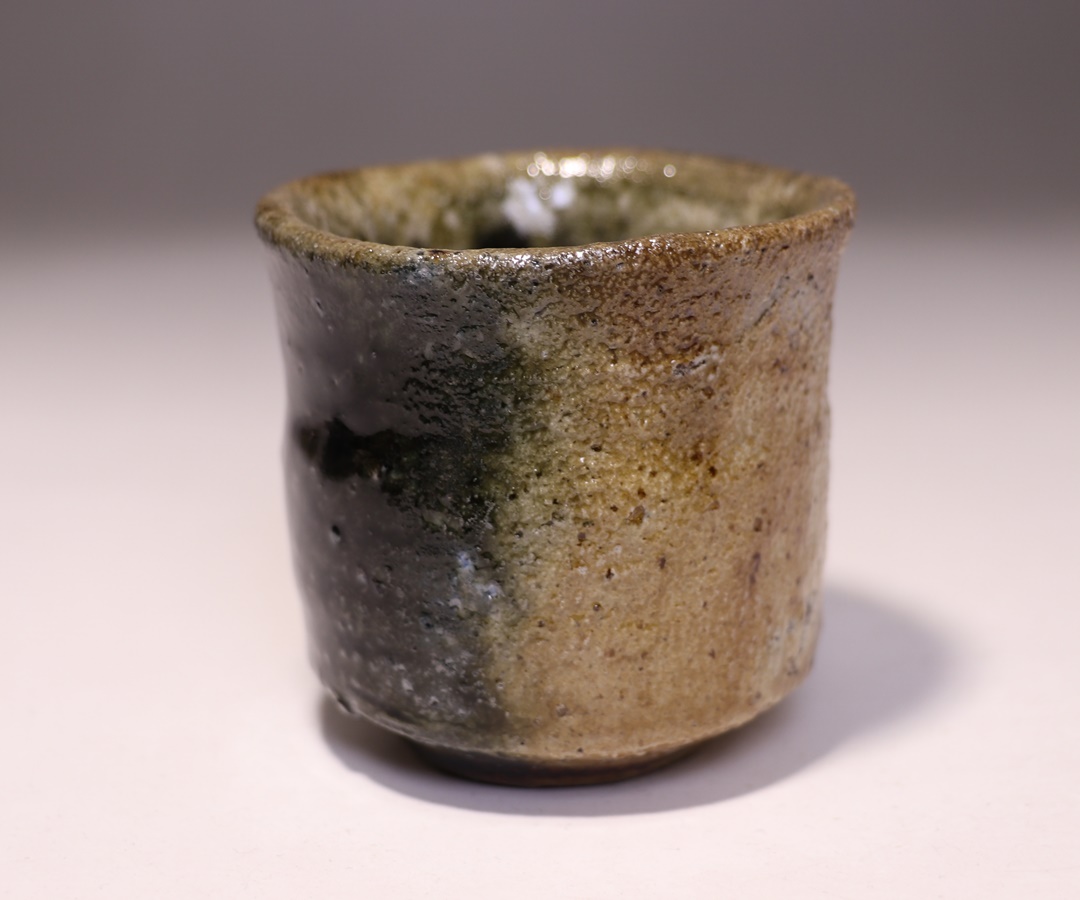
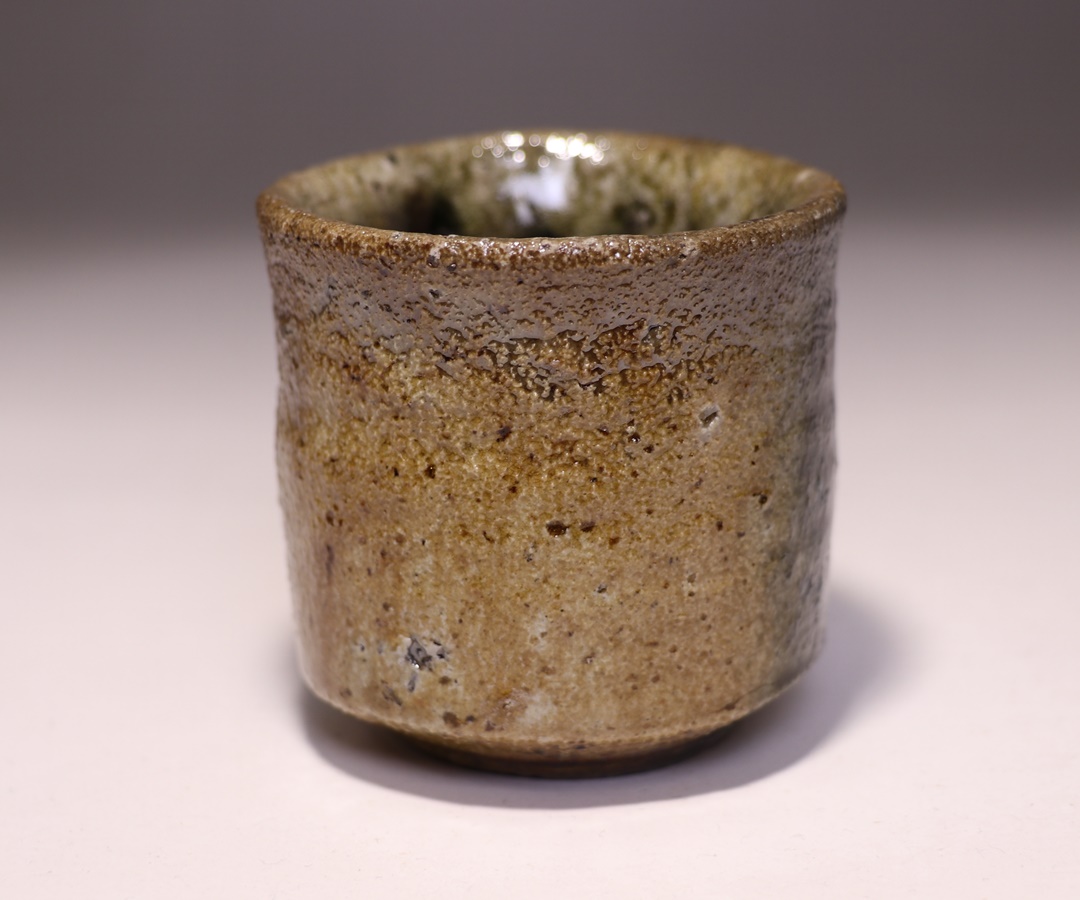
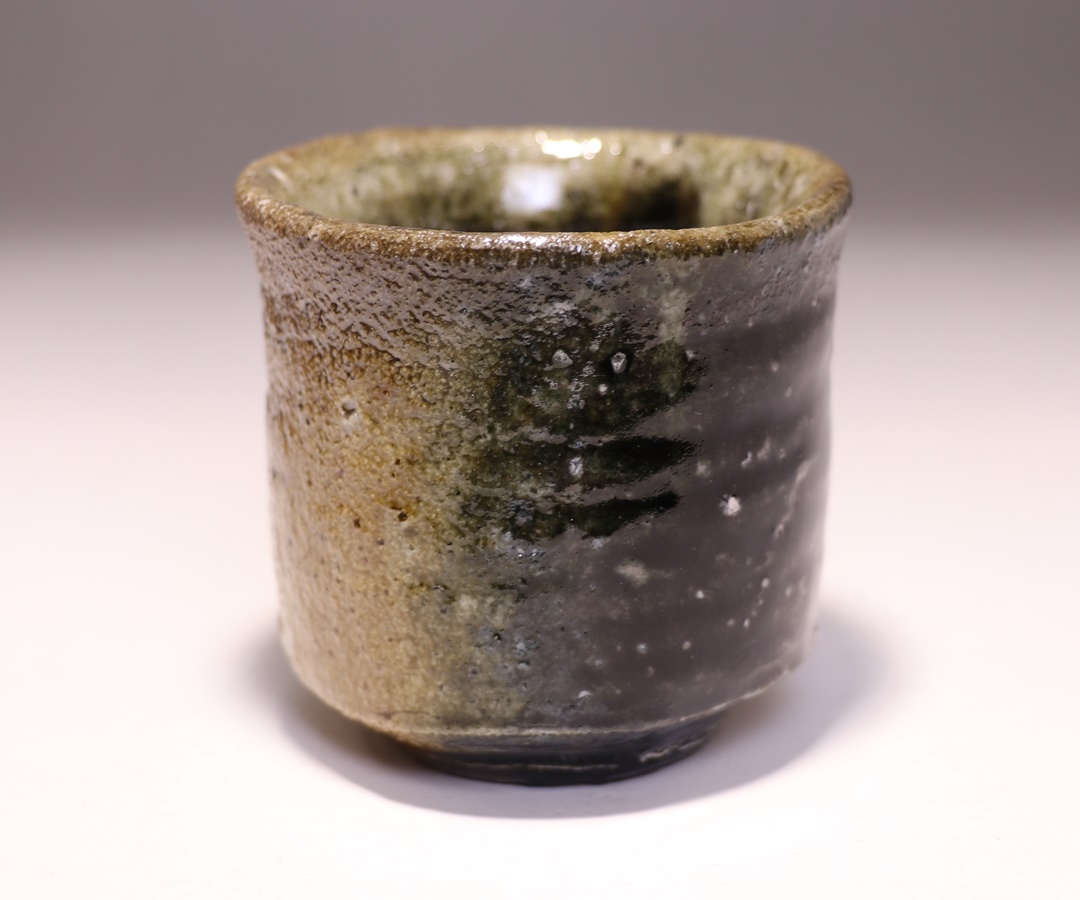
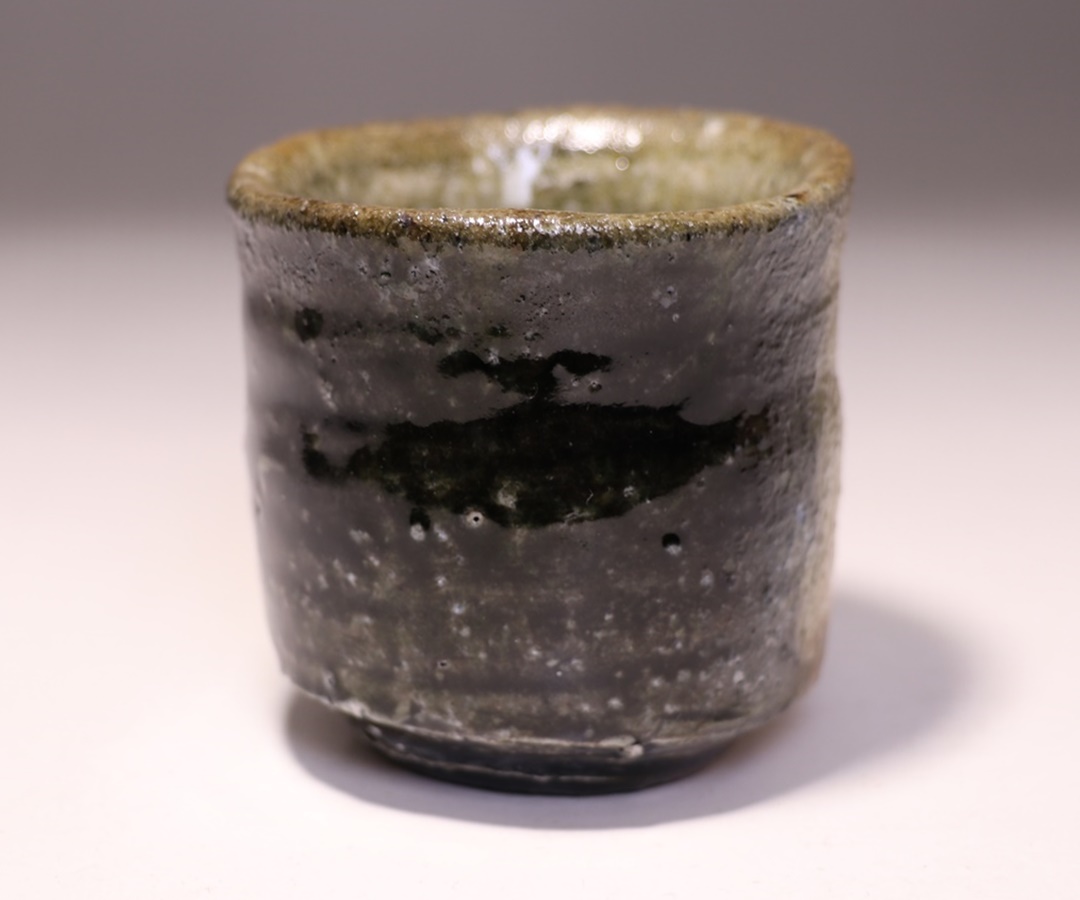
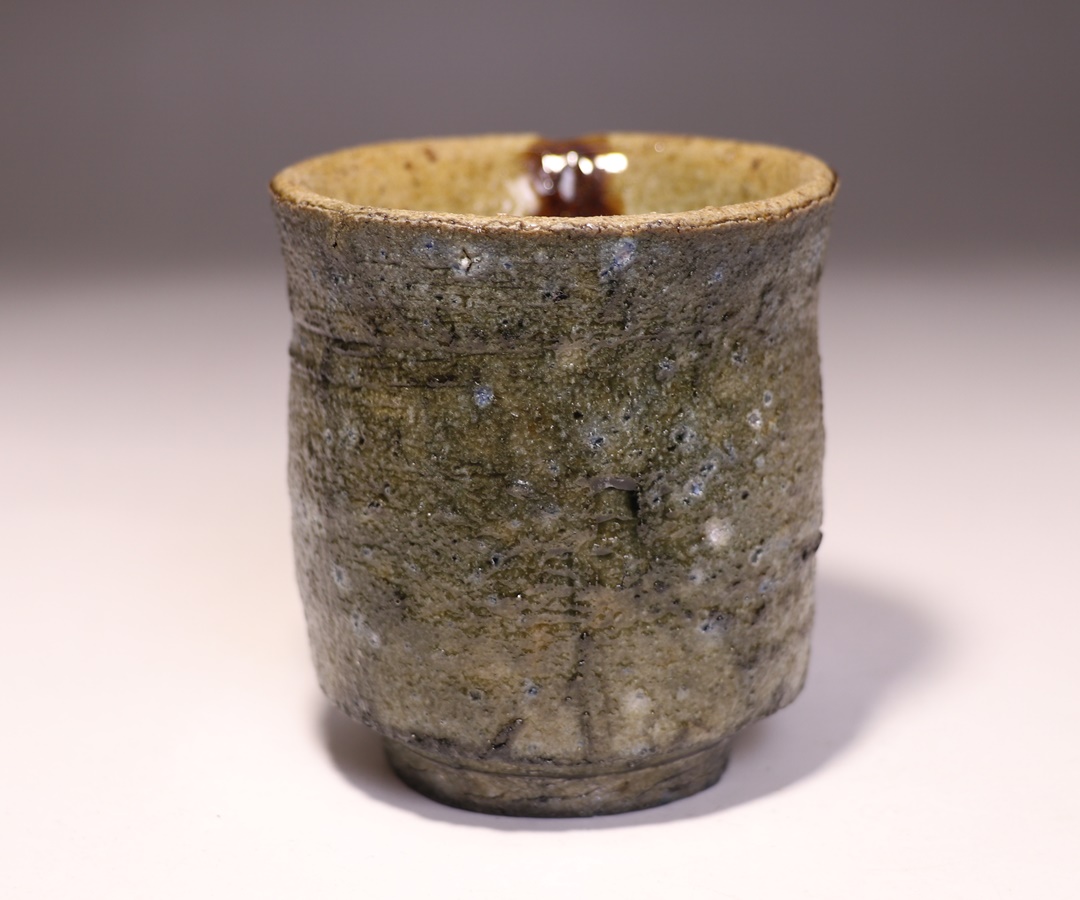
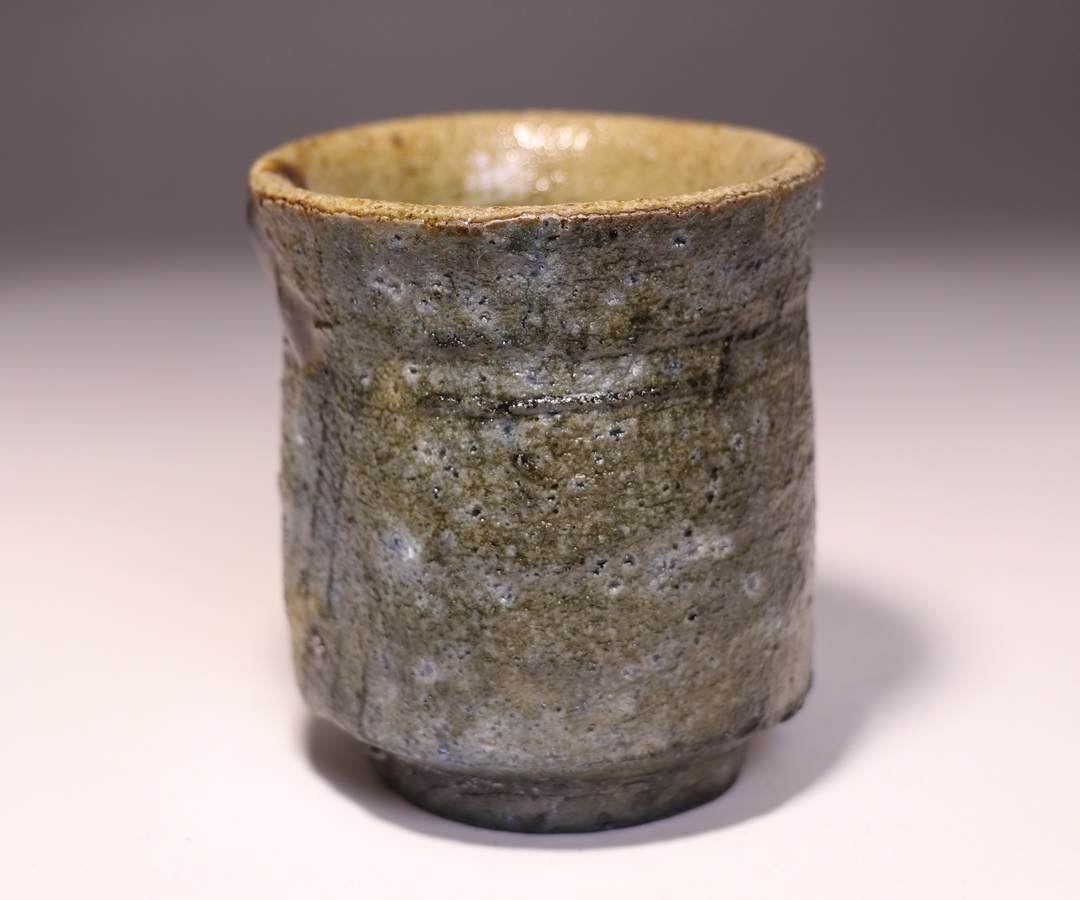
size : W6.2cm×6.2cm×H5.6cmShinshiro Aika creates works of unwavering honesty and strength. This is a newly released Bizen Guinomi by the artist.
Even among the many artists working in Bizen ware, Aika is distinguished by his particular devotion to firing. This work allows one to appreciate the rich colors of the clay and the expressive kiln effects that emerge only through exceptionally thorough firing.
Few works seem to embody the phrase “created without regard for profitability” as perfectly as this one. Aika fired it relentlessly until it achieved the appearance he sought, then selected it through an uncompromising process of evaluation. Even from a distance, it is immediately apparent that the vessel bears extraordinary kiln transformations.
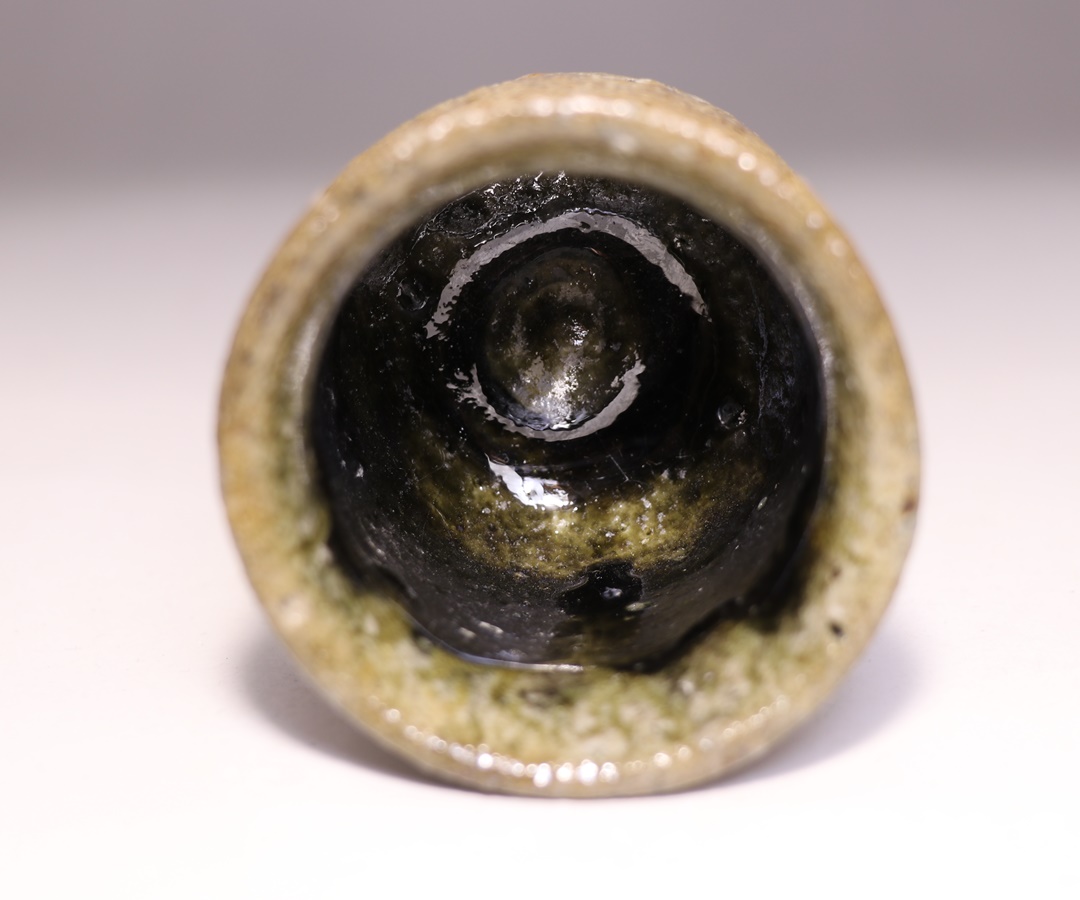
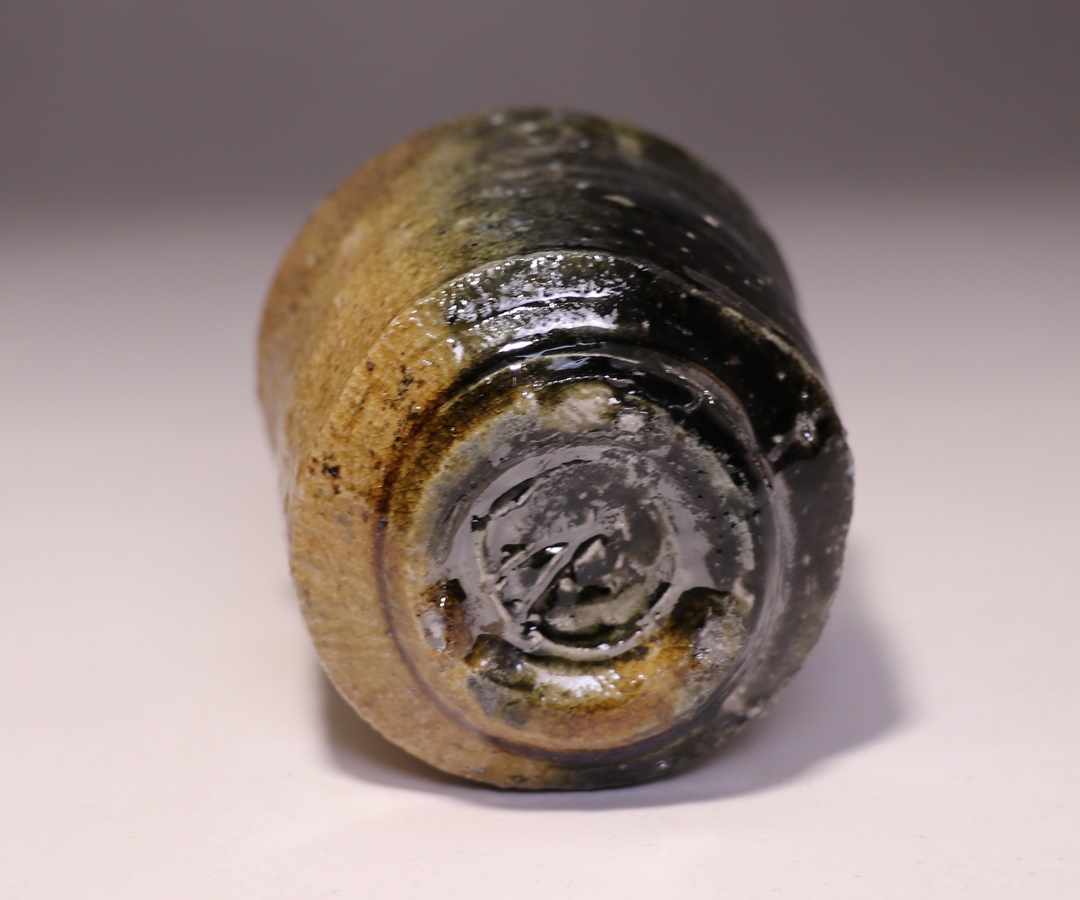
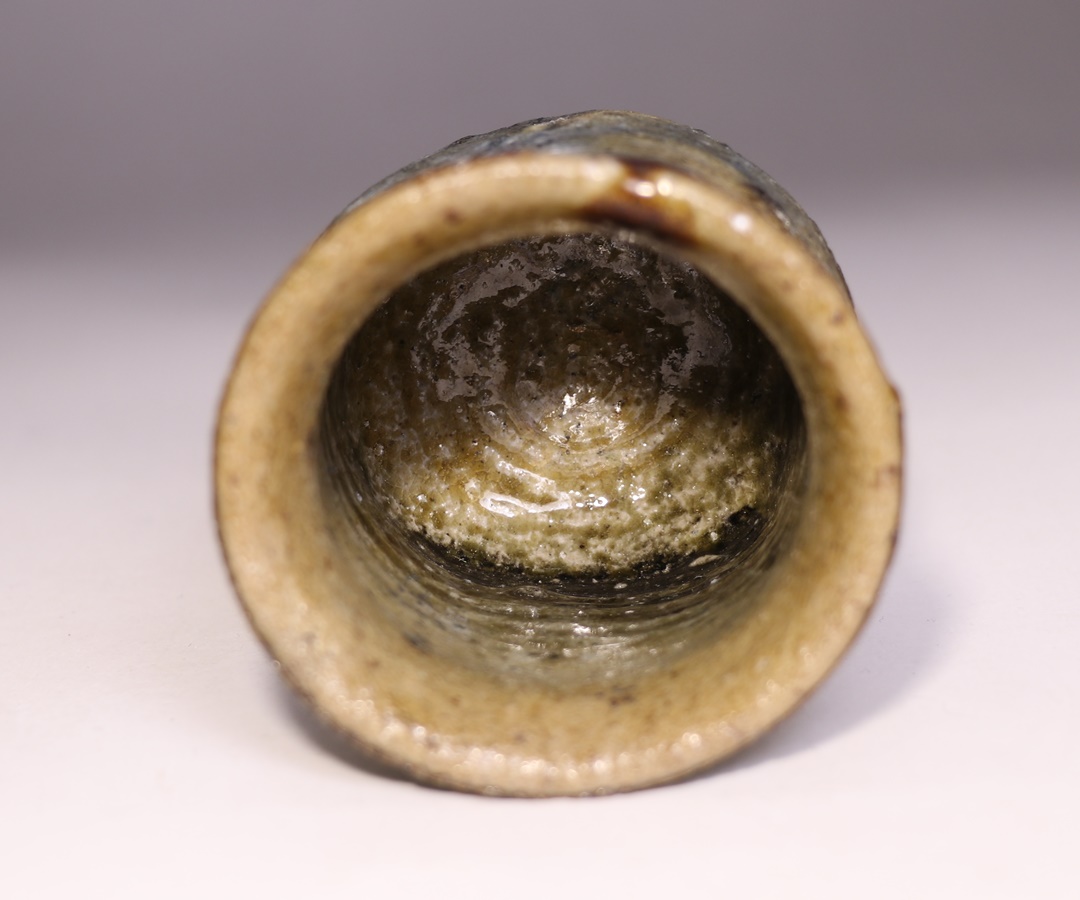
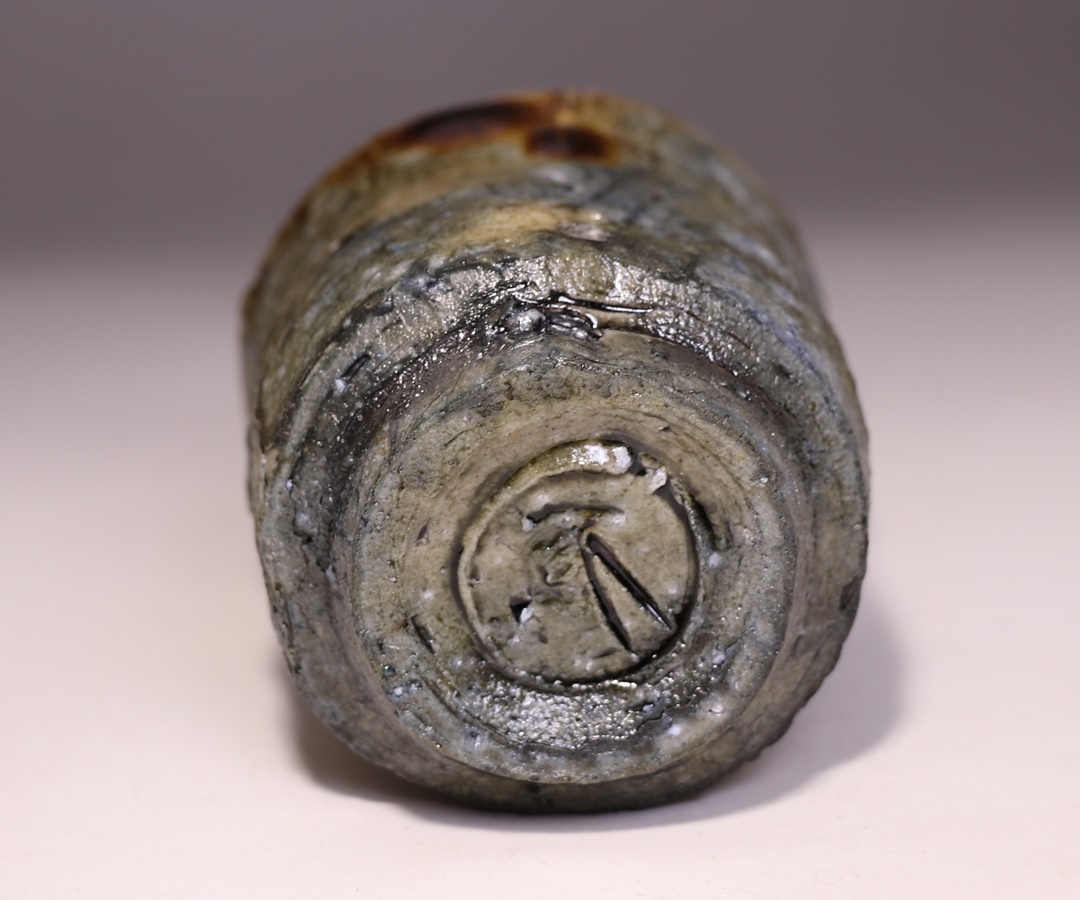
Clay slips and repeated firings were used extensively, creating a complex interplay of clay surfaces and kiln effects, each with its own distinctive coloring. Together they form an astonishing texture reminiscent of Ko-Bizen ware—at once moist in appearance and yet distinctly dry to the touch.
As Bizen ware is fired more intensely, its surface generally becomes harder and increasingly loses its color. This work, however, retains a subtle, almost wet-looking sheen, together with a profound palette in which reddish purple, dark brown, and other tones blend intricately into one another.
The form has also been meticulously calculated and constructed, giving the vessel a poised and compelling presence. It is a work that invites one to enjoy sake slowly while appreciating the dynamic movement expressed in every detail.
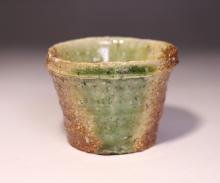


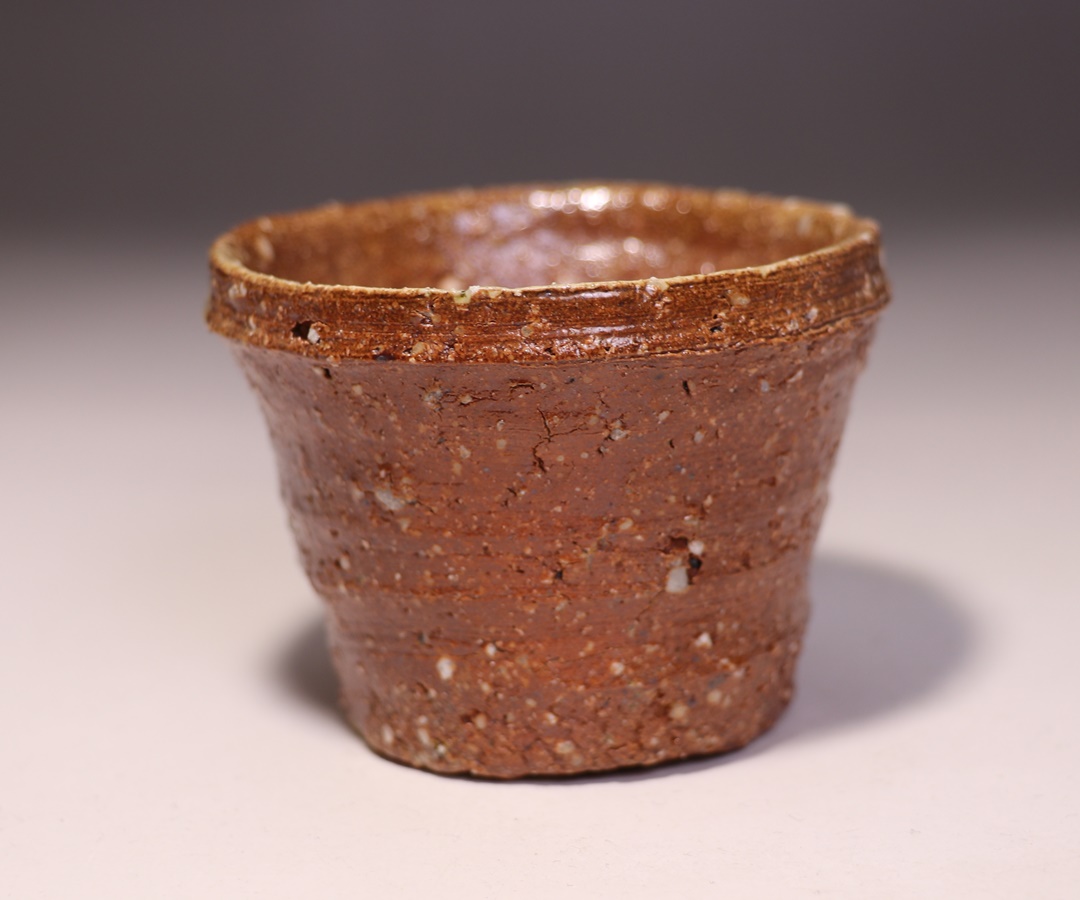
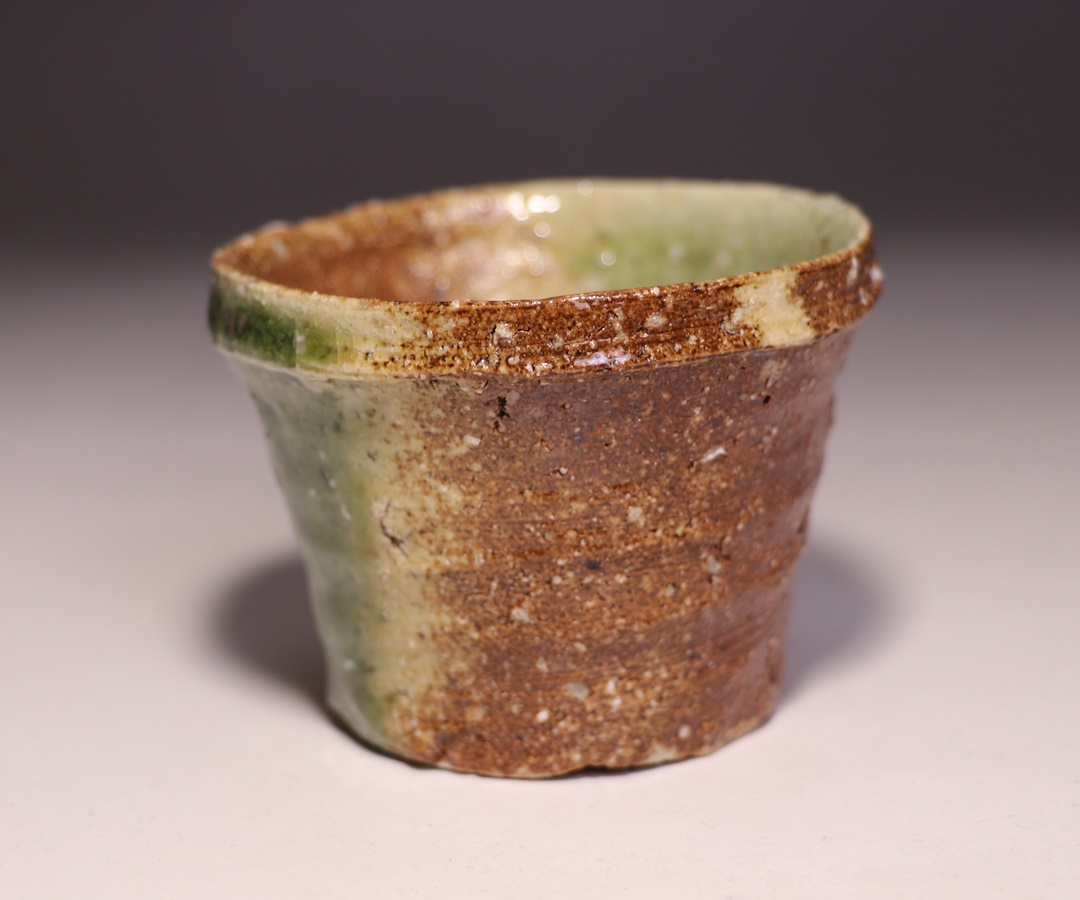
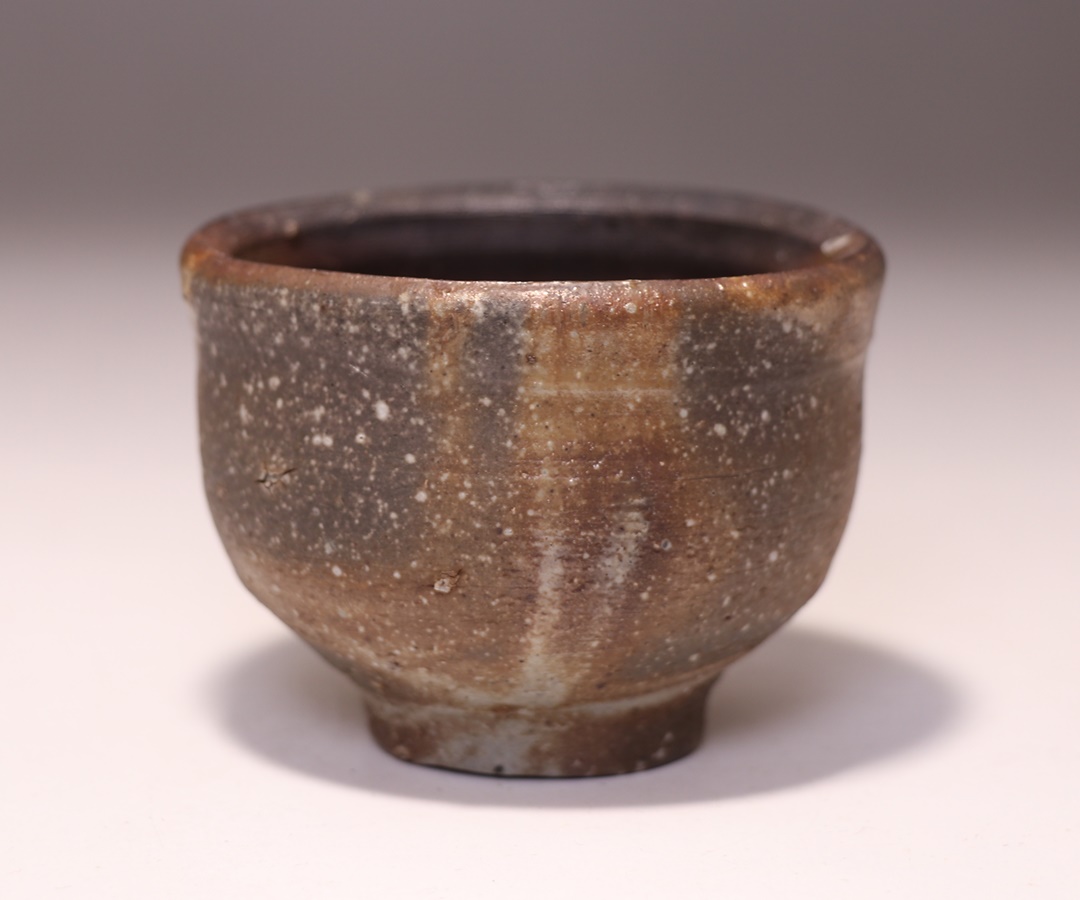
Shinjiro Aika - Shigaraki Onioke Guinomi
19,800 YENSold out
size : W7.3cm×7.2cm×H5.3cmShinshiro Aika creates works of unwavering honesty and strength. This is a Shigaraki Onioke Guinomi by the artist.
Even among the many artists working in Bizen ware, Aika is distinguished by his particular devotion to firing. This work allows the viewer to appreciate the rich colors of the clay and the powerful kiln effects that emerge only through exceptionally thorough firing.
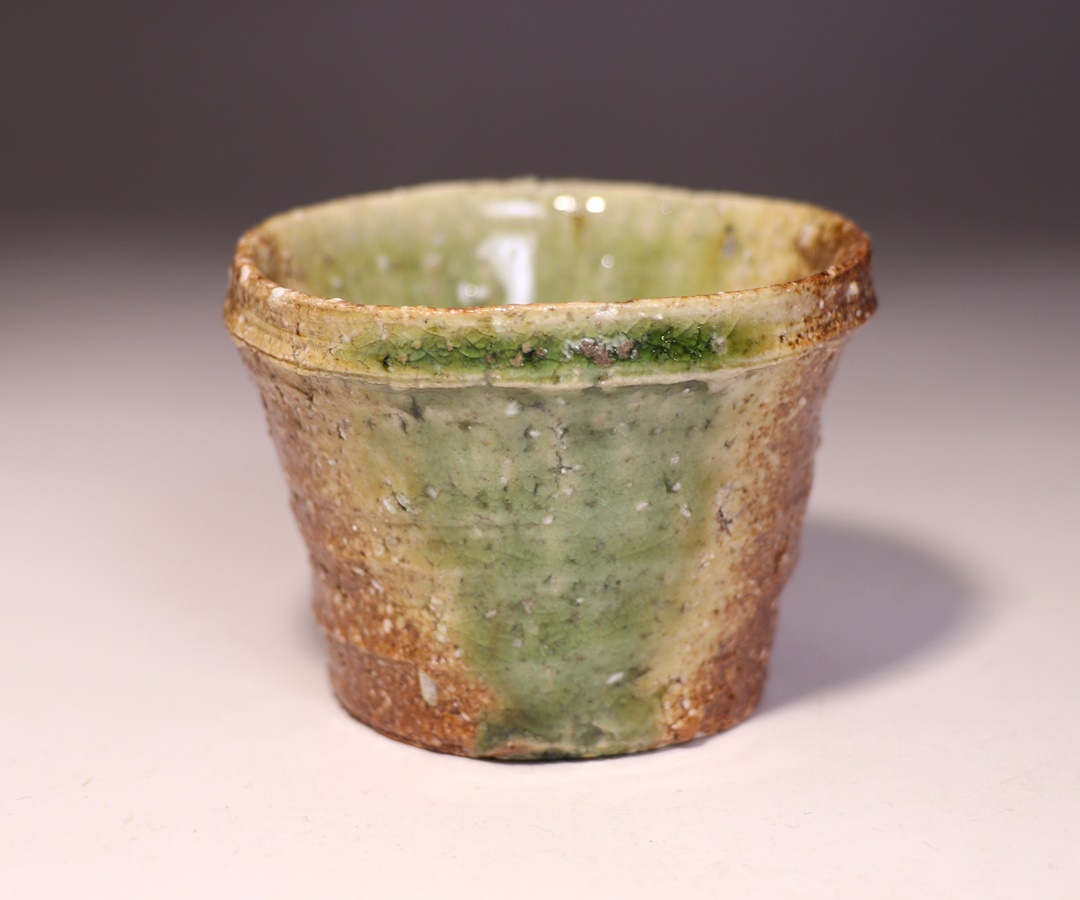
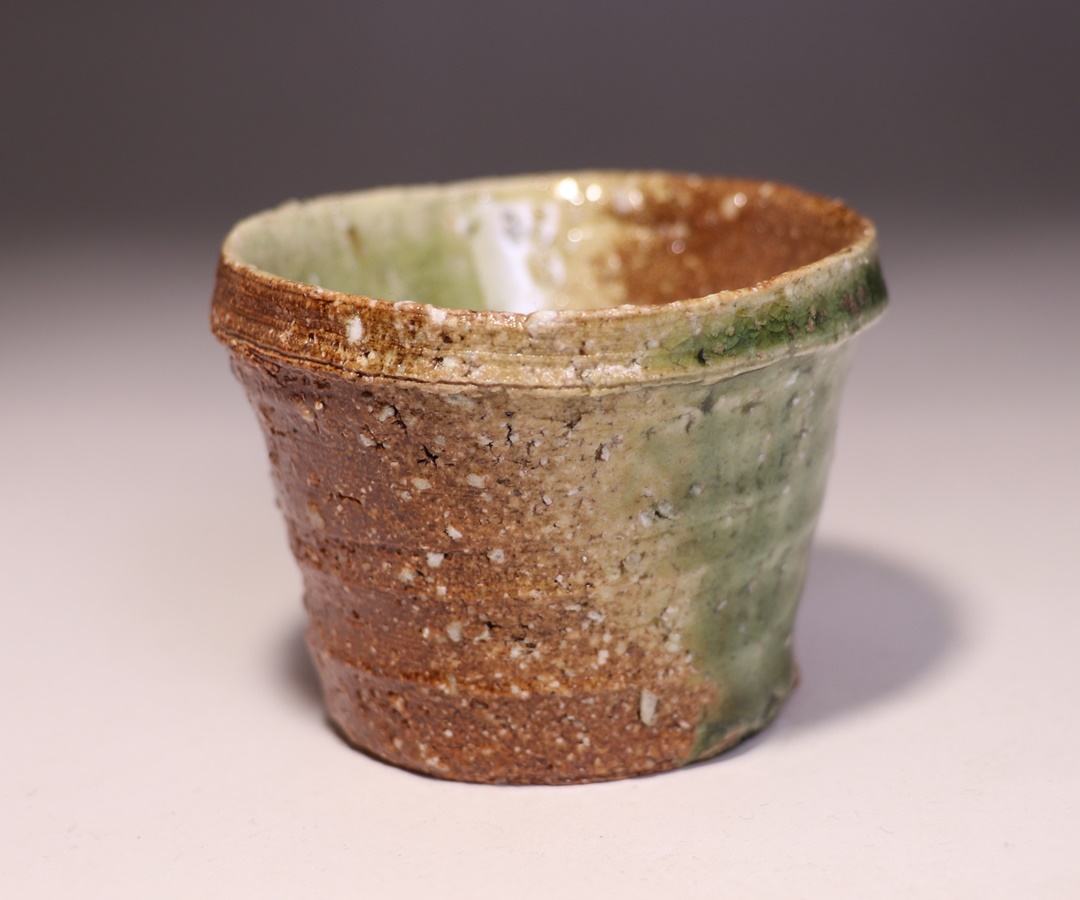
The Guinomi features a unique design inspired by the celebrated Shigaraki *Onioke Mizusashi*. Its boldly formed rim, characteristic of the Onioke style, harmonizes beautifully with natural ash glaze flowing like a clear mountain stream.
Few works seem to embody the phrase “created without regard for profitability” as perfectly as this one. Aika fired the piece relentlessly until it achieved the appearance he sought, resulting in a truly remarkable surface.
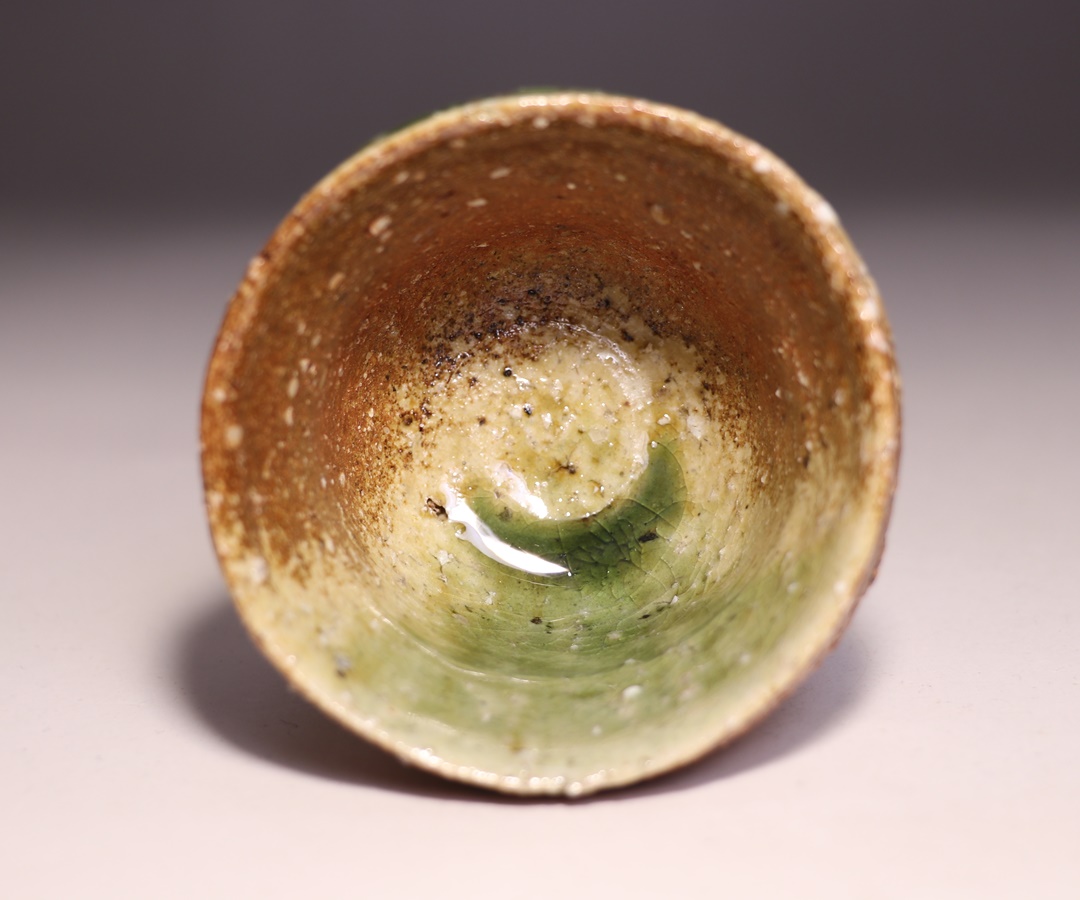
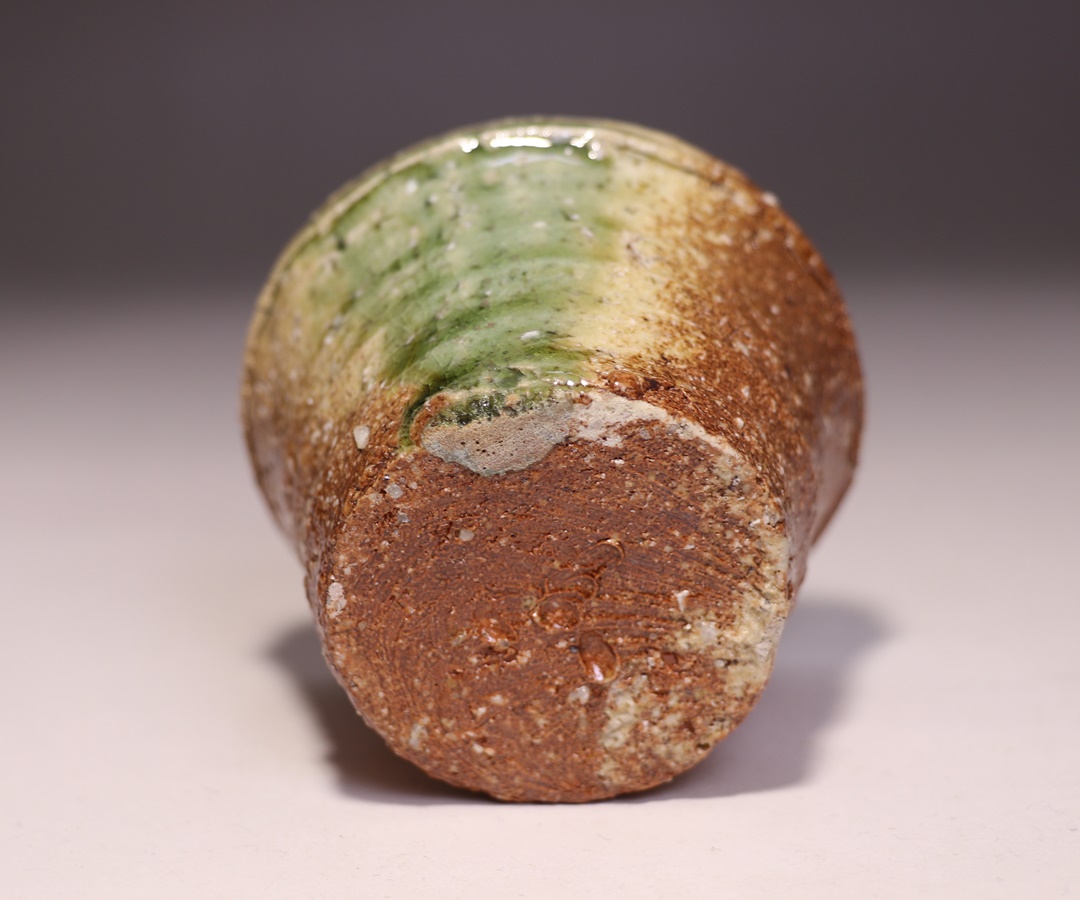
The natural ash glaze cascading dramatically down both the front and reverse is nothing short of breathtaking. Its fresh, translucent green, reminiscent of a clear stream flowing deep in the mountains, complements the Shigaraki clay beautifully.
The rich orange clay surface characteristic of Shigaraki appears to sparkle grain by grain. Combined with the overall sheen of the vessel, it gives the work the impression of emitting a faint glow from within.
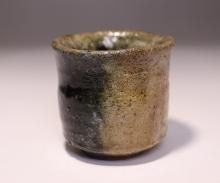


Jun Isezaki - Bizen Hikidashi-guro Guinomi
165,000 YENSold out
size : W6.8cm×6.6cm×H6.5cmDrawing a wealth of inspiration from the natural environment of his beloved home of Bizen, Jun Isezaki brought a new spirit to the tradition of Bizen ware. This is a newly released Bizen Hikidashi-guro Guinomi by the artist.
Fired in February 2026, it is a work from the final period of his career.
The Guinomi was created using the hikidashi technique, one of the signature firing methods of the Isezaki family. It was placed near the firebox of the kiln and removed during firing from an interior approaching 1,200°C. As only a very small number of such works can be obtained from a single firing, Hikidashi-guro pieces are exceptionally rare.
As a result of being drawn directly from the kiln, the Goma has developed an amber-like color infused with shades of blue. Its translucent and beautiful kiln transformation is unique to works created through the hikidashi process.
The black surface has also taken on a deep, clear blue tone through the effect of cobalt contained in the applied clay slip. When used, the surface will absorb moisture and is likely to shimmer with even greater beauty.
Most Bizen ware evokes the force of intense flames and searing heat, but Hikidashi-guro alone possesses a very different, exceptionally delicate expression. Its gentle surface scenery brings to mind softly falling rain.
Beyond the Kigoma and blue kiln effects, the smooth black coloring of the exposed clay and the exceptionally large, energetic form also give the work a finish that is unmistakably characteristic of Jun Isezaki.
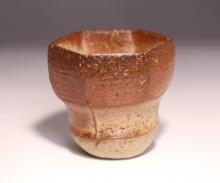


Togaku Mori - Guinomi
38,500 YENSold out
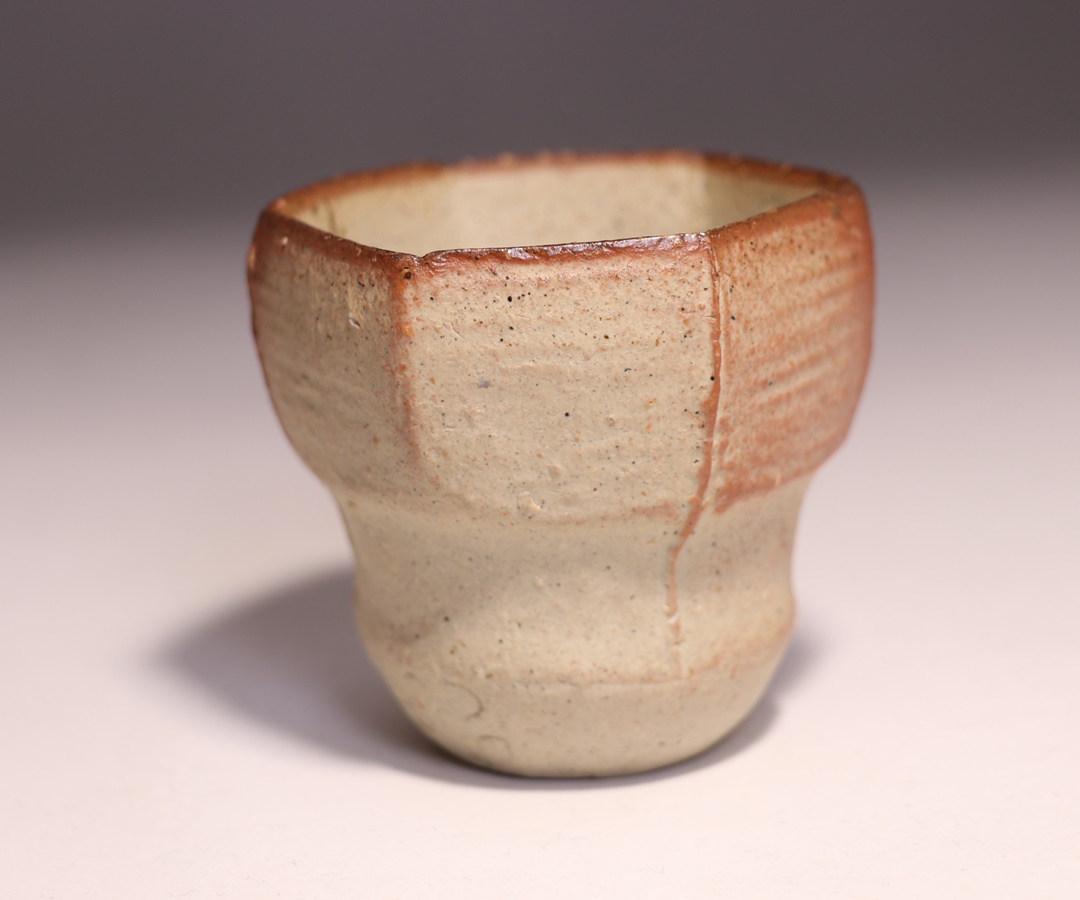
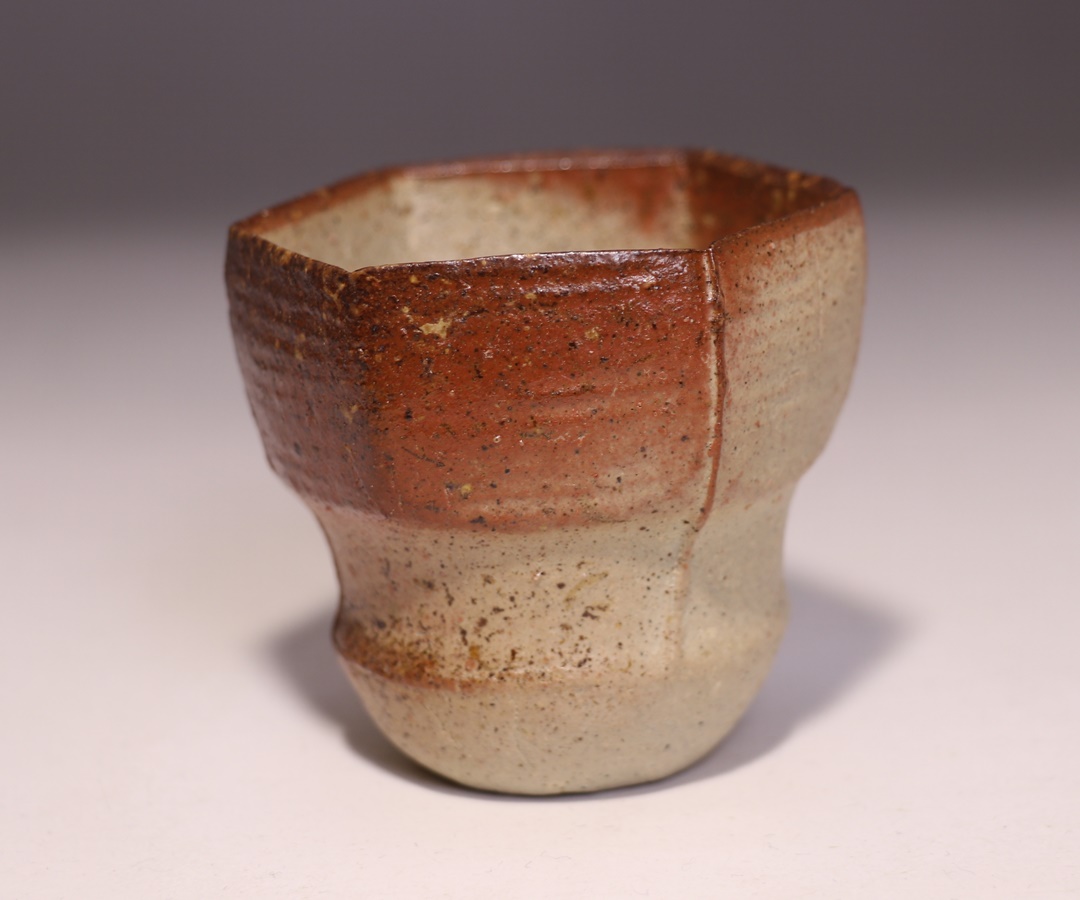
size : W6.3cm×6.0cm×H5.8cmTogaku Mori achieved one of the great feats in the history of ceramics by successfully firing an enormous kiln measuring 85 meters in length. This is an earlier Guinomi by the artist.
Created around the middle period of Mori’s career, the work is accompanied by an artist biography listing his achievements through 1993.
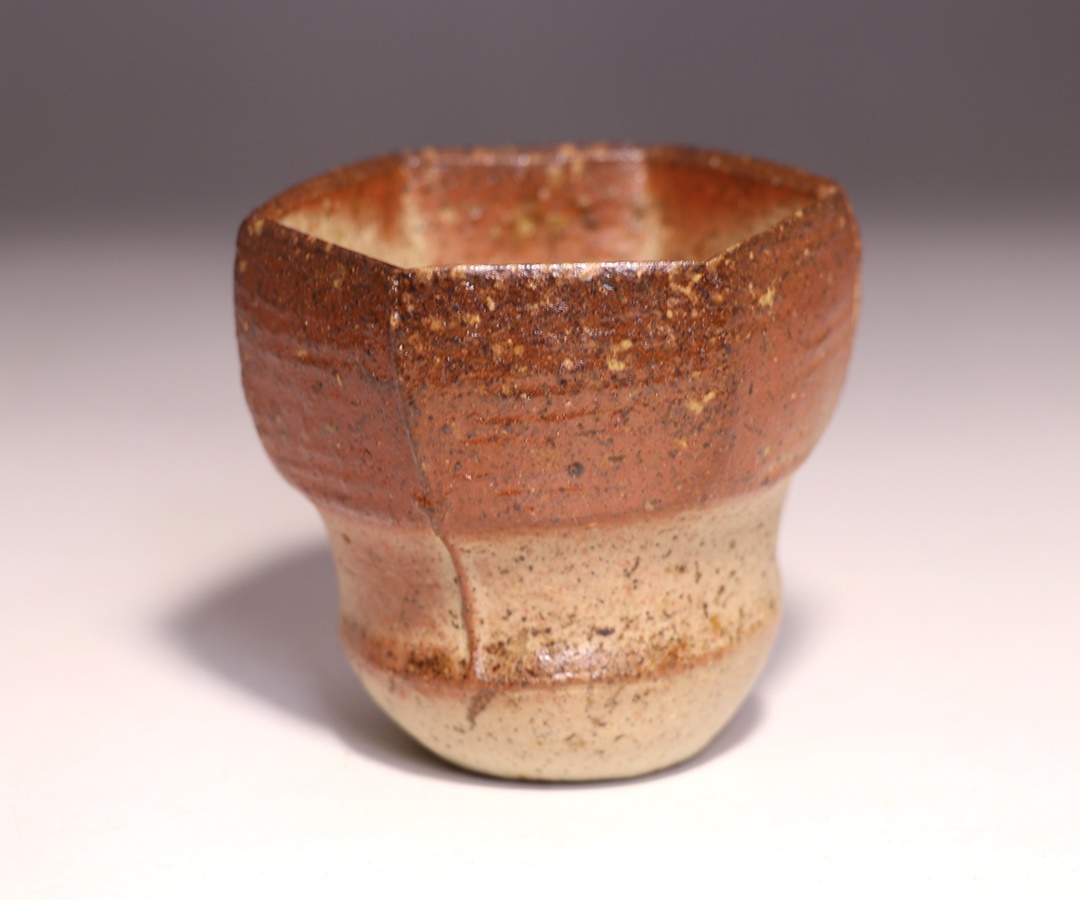
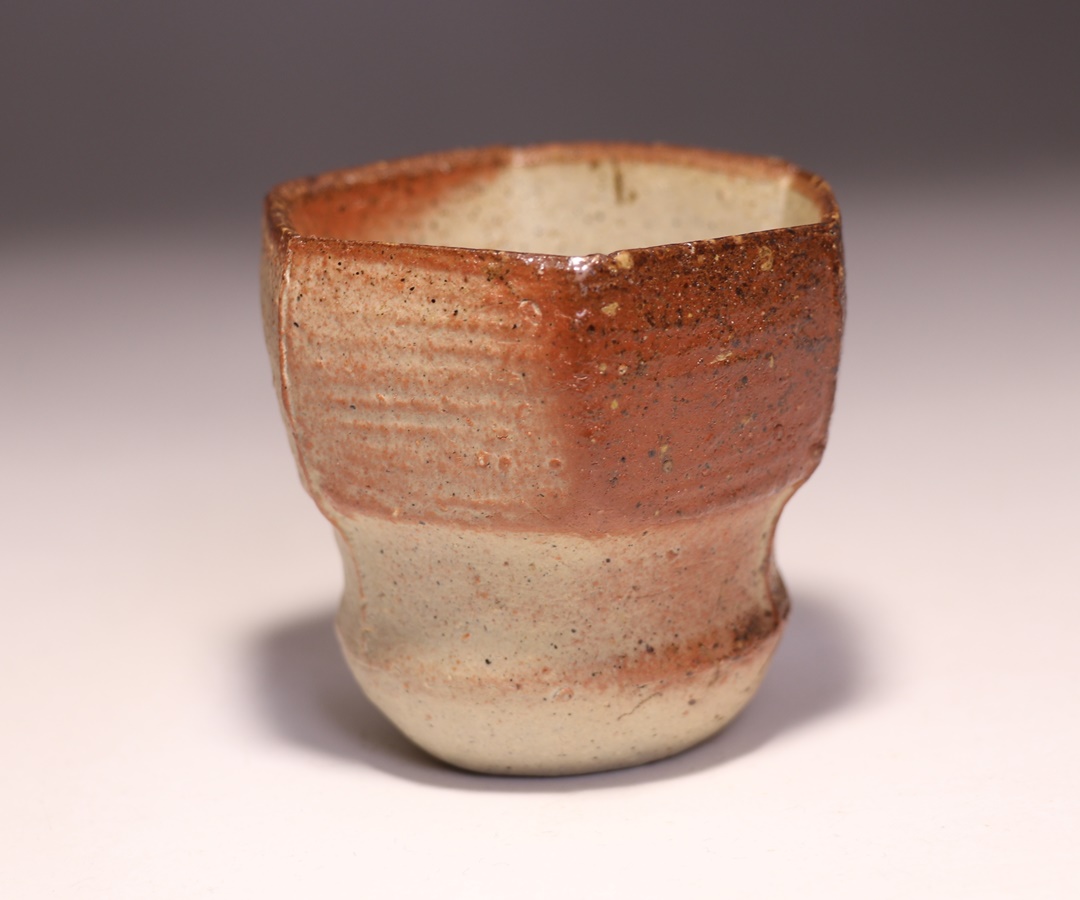
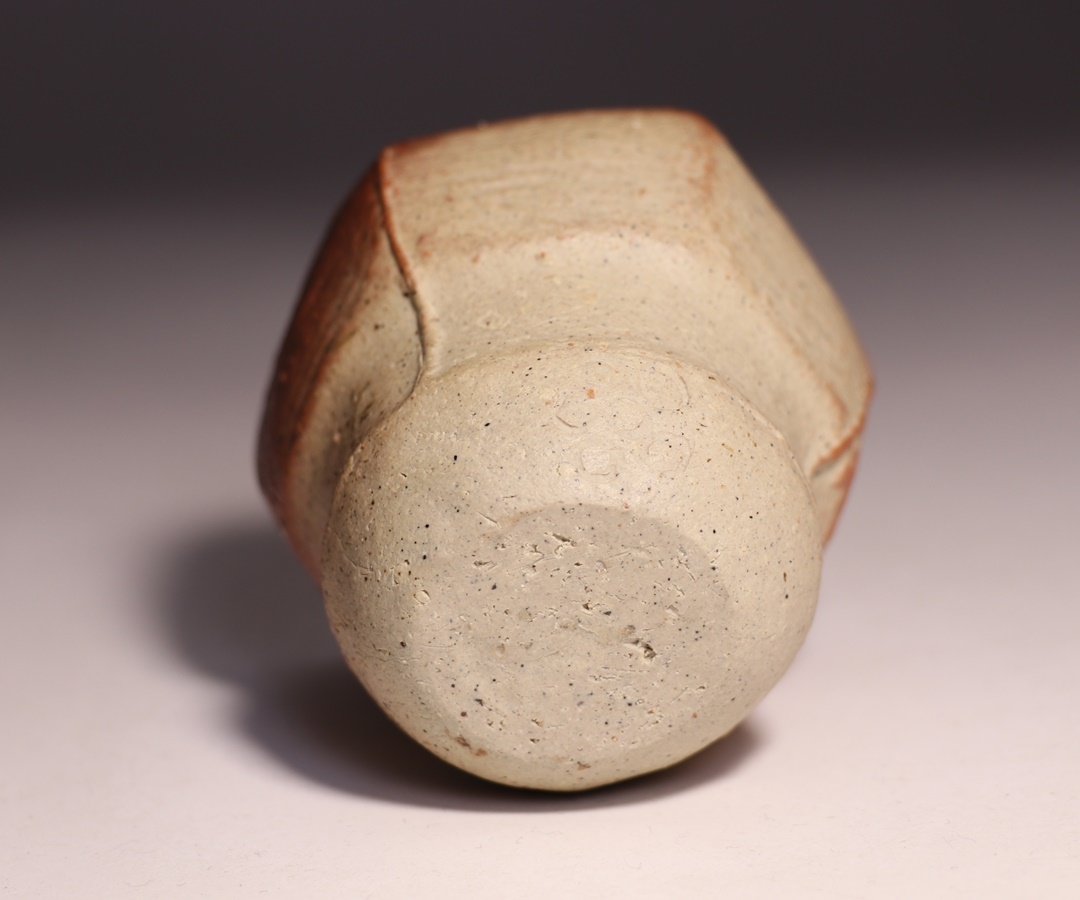
It was made after Mori had completed his firings in the Aioi Great Kiln and relocated to Samukaze. Beautiful Tobi-Goma markings appear across the clean white clay characteristic of Samukaze.
The distinctive gradation of the Samukaze kiln, shifting from scarlet to deep brown, is also clearly visible. The gradual transformation of the white Samukaze clay resembles fruit slowly taking on color and remains endlessly captivating to observe.
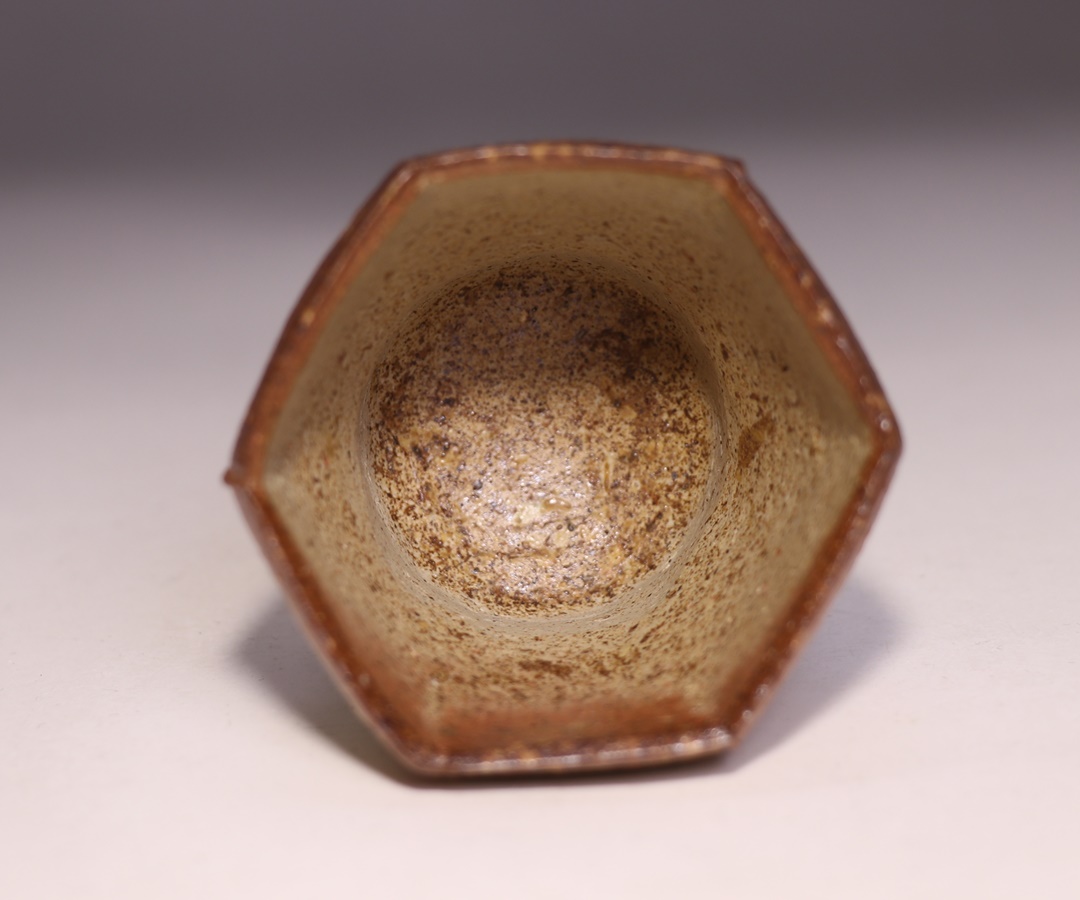
By this period, Mori had begun moving away from wheel throwing and toward forming his works with plaster molds. This piece was also constructed by joining three separate sections to create its hexagonal rim.
Unlike wheel-thrown vessels, it is difficult to perceive the maker’s rhythm or breathing through traces of the potter’s wheel, giving the work a somewhat impersonal and almost inorganic atmosphere.
Yet this very quality harmonizes beautifully with the white Samukaze clay. The result is a refined design that feels both primal and remarkably timeless.
Although this is an earlier work offered on the secondary market, it shows no staining, wear, or signs of use.
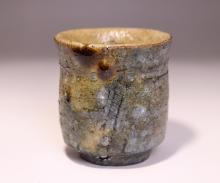


Jun Isezaki - Bizen Hikidashi-guro Guinomi
165,000 YENSold out
size : W7.0cm×6.6cm×H7.4cmDrawing a wealth of inspiration from the natural environment of his beloved home of Bizen, Jun Isezaki brought a new spirit to the tradition of Bizen ware. This is a newly released Bizen Hikidashi-guro Guinomi by the artist.
Fired in February 2026, it is a work from the final period of his career.
The Guinomi was created using the hikidashi technique, one of the signature firing methods of the Isezaki family. It was placed near the firebox of the kiln and removed during firing from an interior approaching 1,200°C. As only a very small number of such works can be obtained from a single firing, Hikidashi-guro pieces are exceptionally rare.
As a result of being drawn directly from the kiln, the Goma has developed an amber-like color infused with shades of blue. Its translucent and beautiful kiln transformation is unique to works created through the hikidashi process.
The black surface has also taken on a deep, clear blue tone through the effect of cobalt contained in the applied clay slip. When used, the surface will absorb moisture and is likely to shimmer with even greater beauty.
Most Bizen ware evokes the force of intense flames and searing heat, but Hikidashi-guro alone possesses a very different, exceptionally delicate expression. Its gentle surface scenery brings to mind softly falling rain.
Beyond the Kigoma and blue kiln effects, the smooth black coloring of the exposed clay and the exceptionally large, energetic form also give the work a finish that is unmistakably characteristic of Jun Isezaki.
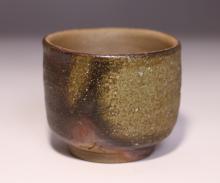


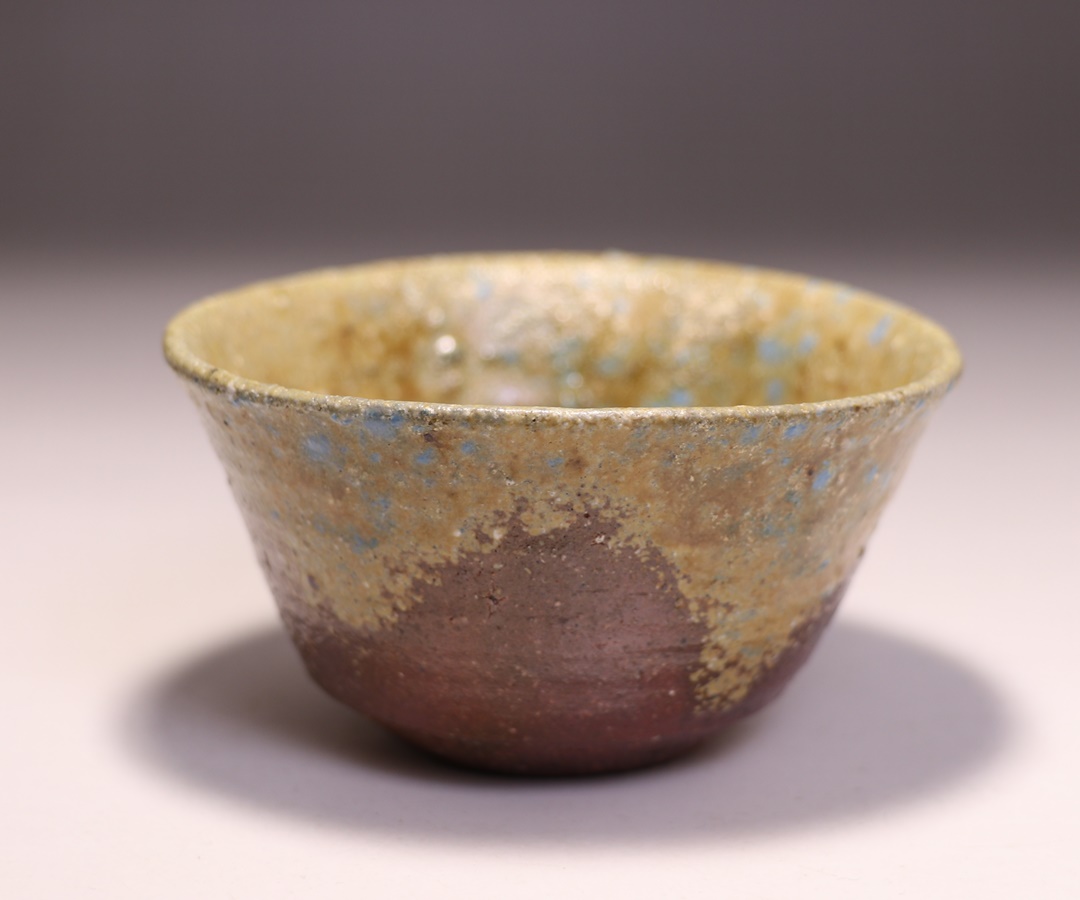
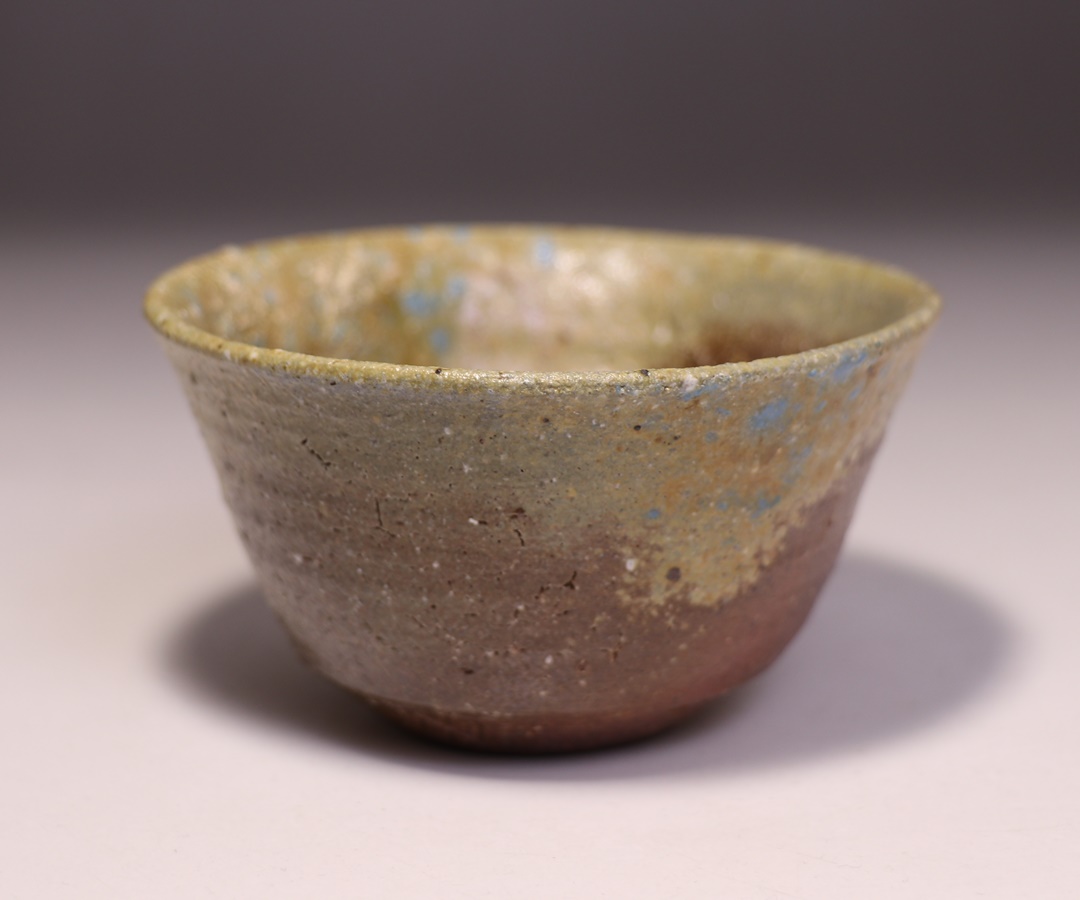
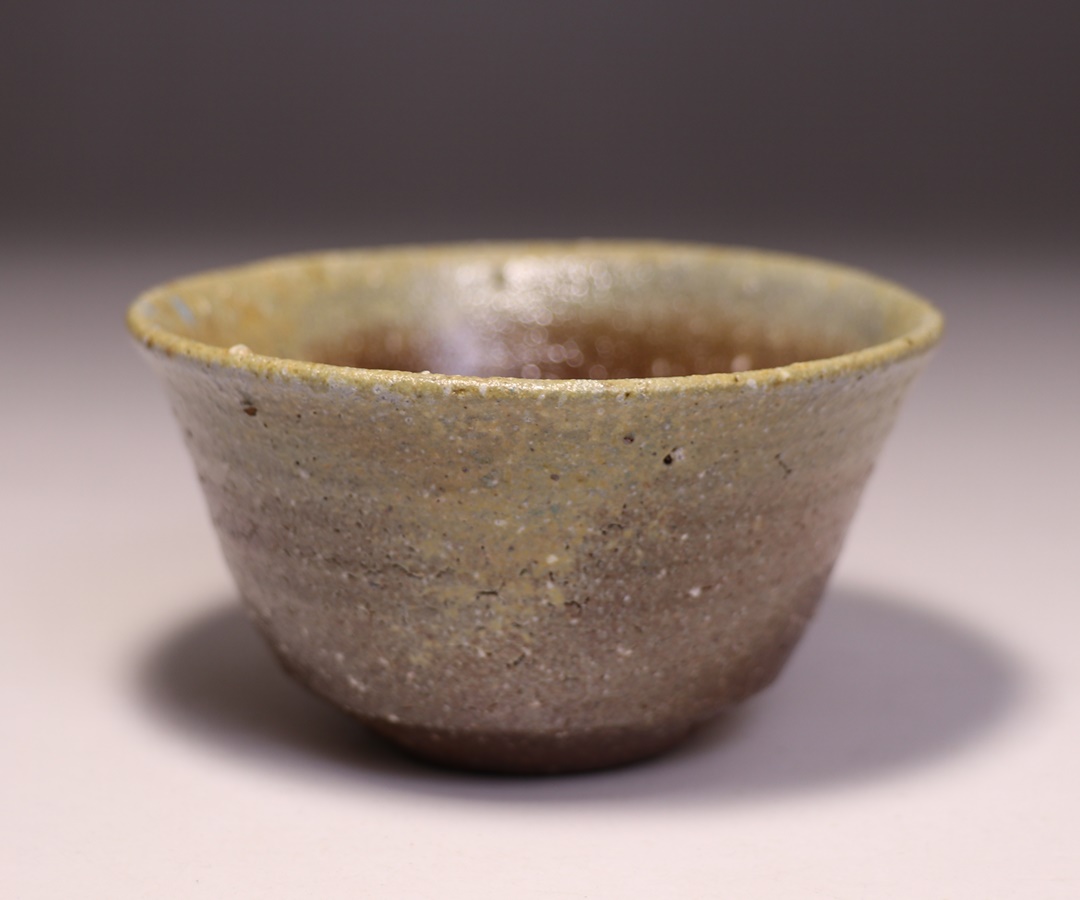
Tosyu Yamamoto - Bizen Guinomi
88,000 YEN
size : W6.7cm×6.6cm×H5.6cmPossessing extraordinary and unrivalled skills often described as almost divine, Tōshū Yamamoto created numerous masterpieces and was designated a Living National Treasure. This is a Bizen Guinomi by the artist.
Yamamoto began his career as a craftsman and lived through a period of great upheaval before being designated a holder of an Important Intangible Cultural Property by Okayama Prefecture. This Guinomi bears the potter’s mark he used during the later years of his career.
Its perfectly balanced, symmetrical, and exceptionally refined form is deeply pleasing to the eye, reflecting the mastery of an artist who devoted his entire life to working at the potter’s wheel.
Through the Yamamoto family’s distinctive firing method, which combines assorted hardwoods with Japanese red pine, deep green-tinged Goma effects have developed across the surface. The resulting scenery brings together both the power of the flames characteristic of Tōshū Yamamoto and a quiet sense of wabi-sabi.
Alongside the deep green Goma, natural black kiln effects have also appeared without the use of a clay slip. Together with the golden tones emerging from the clay body, these colors make the work immediately recognizable as one by Tōshū Yamamoto.
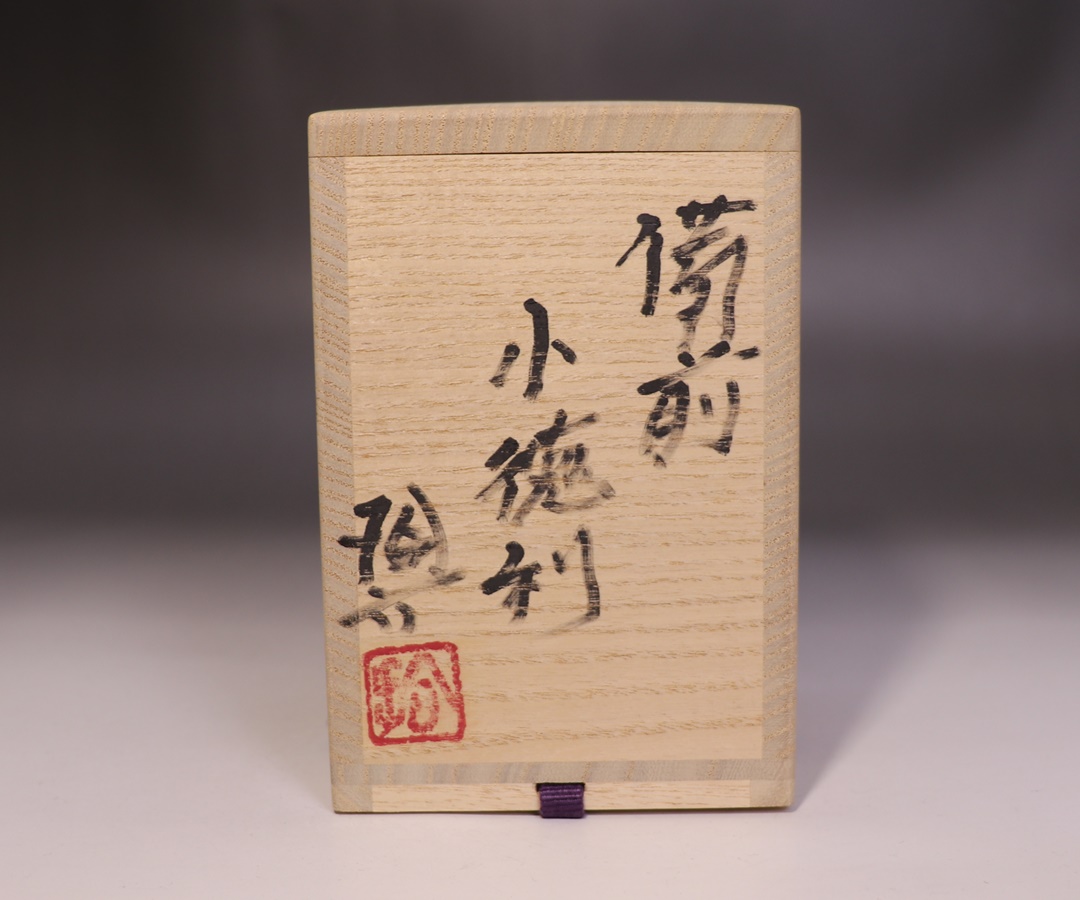
Judging from the box inscription, the potter’s mark, and the overall style, this work dates from the final years of his career. Nevertheless, the remarkably swift and precise trimming of the foot shows no trace of age. It suggests that his craftsmanship had progressed beyond conscious theory or technique, becoming deeply embedded in the memory of his body.
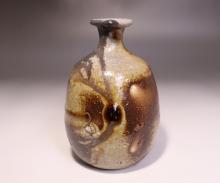


Jun Isezaki - Bizen Tokkuri
330,000 YEN
size : W9.8cm×9.7cm×H14.5cm 520ccDrawing a wealth of inspiration from the natural environment of his beloved home of Bizen, Jun Isezaki brought a new spirit to the tradition of Bizen ware. This is a newly released Bizen Tokkuri by the artist.
Fired in February 2026, it is a work from the final period of his career.
The Tokkuri was fired for approximately ten days in a semi-underground Anagama kiln. Its dynamic kiln effects include Koge-Goma, flowing Nagare-Goma, bead-like Tamadare, and Shiro-Goma, offering a rich expression unique to Anagama firing.
Natural ash glaze covers approximately ninety percent of the outer surface. Rather than forming a uniform color, however, the appearance changes dramatically from one area to another, making the work exceptionally rewarding to view from every angle.
During firing, the Tokkuri was positioned with its front side facing downward toward the kiln floor. A large volume of natural ash glaze flowed from the back and enveloped the entire vessel, creating a complex veil of Goma effects layered one upon another.
Particularly striking are the streams of Goma that flowed down the sides and formed bead-like deposits in different colors around the rim and body. Those near the rim have a metallic, lead-like tone, while those on the body resemble amber-colored mineral deposits, giving the work a profoundly mysterious appearance.
Despite the powerful kiln transformation covering the vessel, areas of soft caramel-brown clay remain clearly visible along the sides of the body. The work fully conveys the beauty of Anagama firing that Jun Isezaki loved and pursued throughout his life.
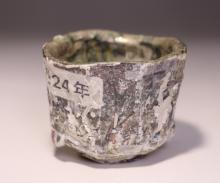


Youtaro Isezaki - Hibi Ginsai 2024 Faceted Guinomi
17,600 YEN
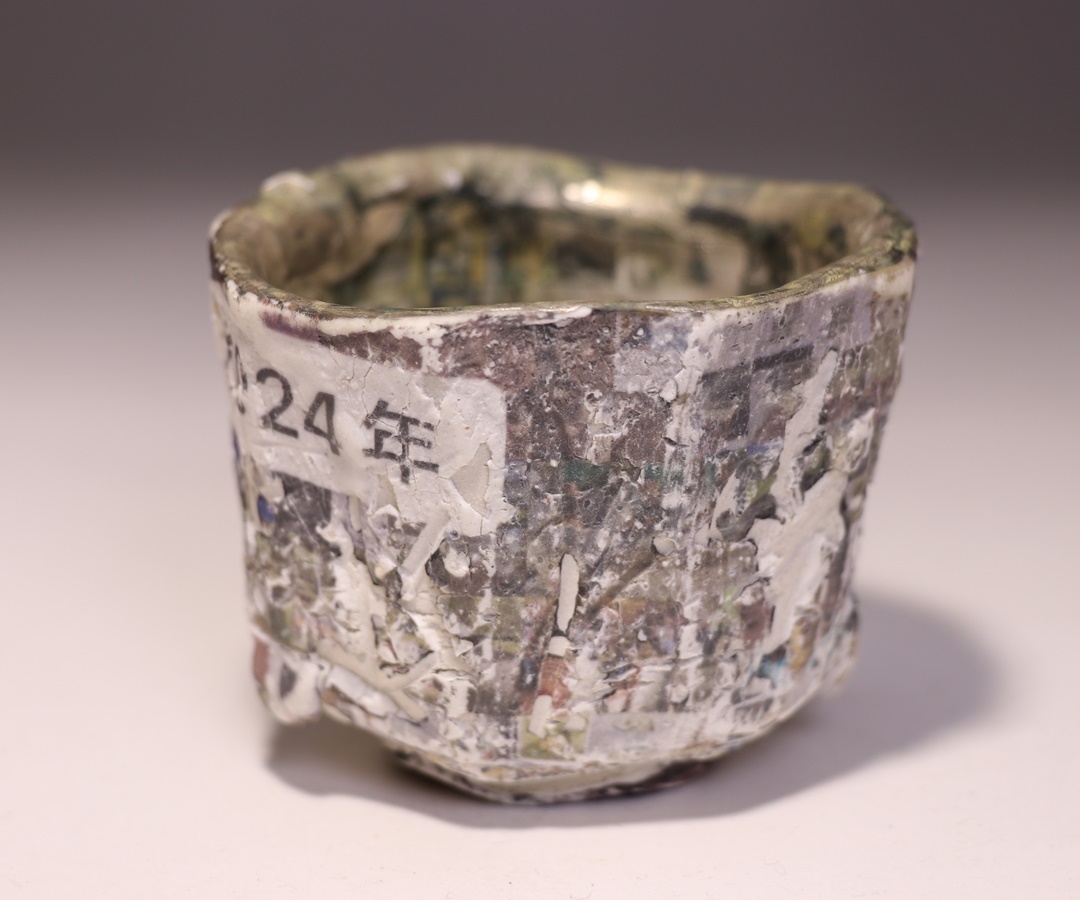
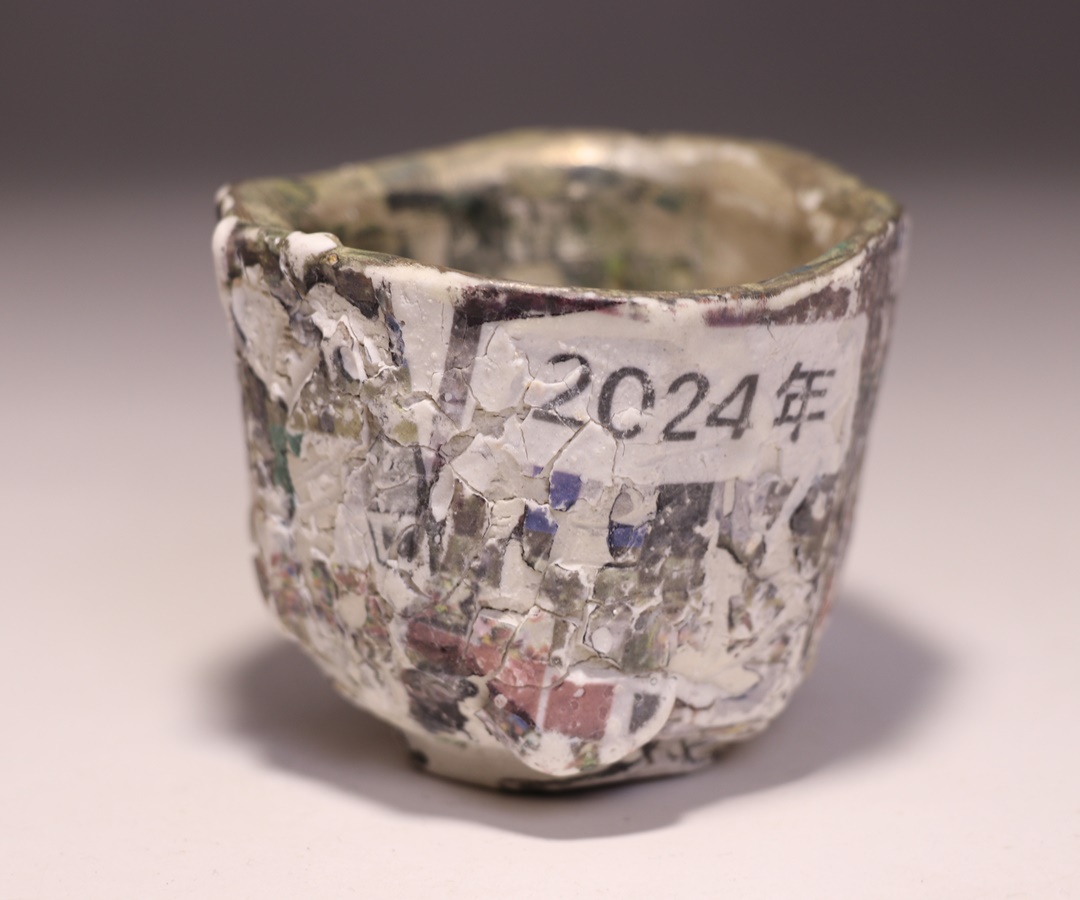
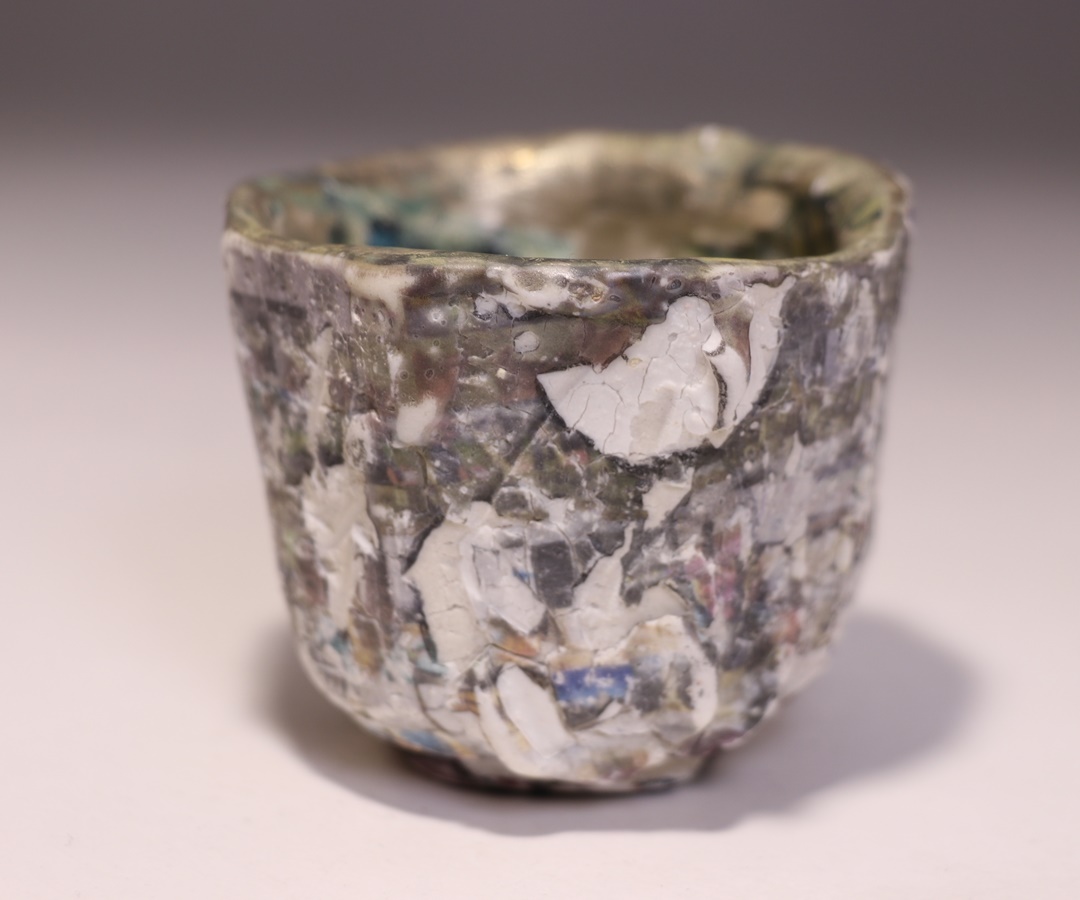
size : W7.3cm×6.7cm×H5.5cmBorn into a distinguished Bizen ware family as the eldest son of Shin Isezaki, Yotaro Isezaki continues to create works in a new style unconstrained by conventional ideas. This is his *Hibi Ginsai 2024* Faceted Guinomi.
Incorporating AI-generated imagery and transfer-printing techniques, Isezaki brings a contemporary sensibility to ceramics while pursuing a distinctive form of expression.
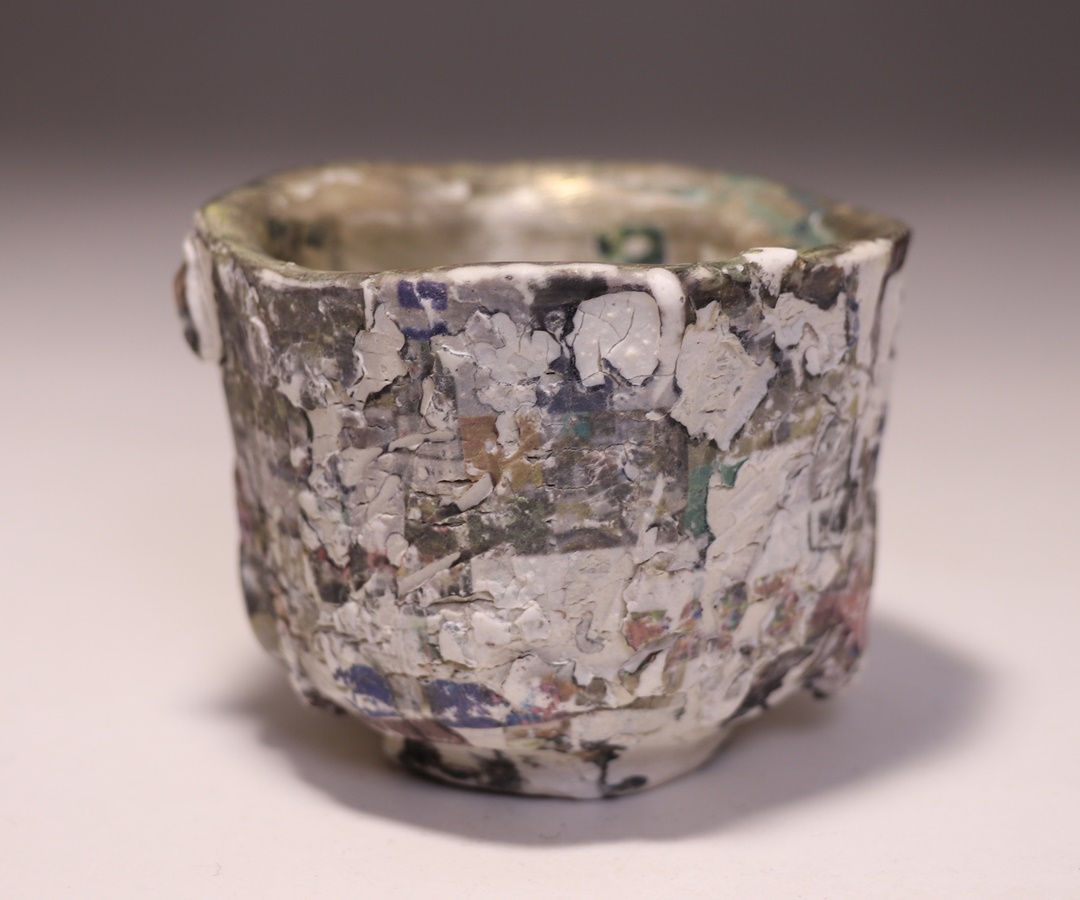
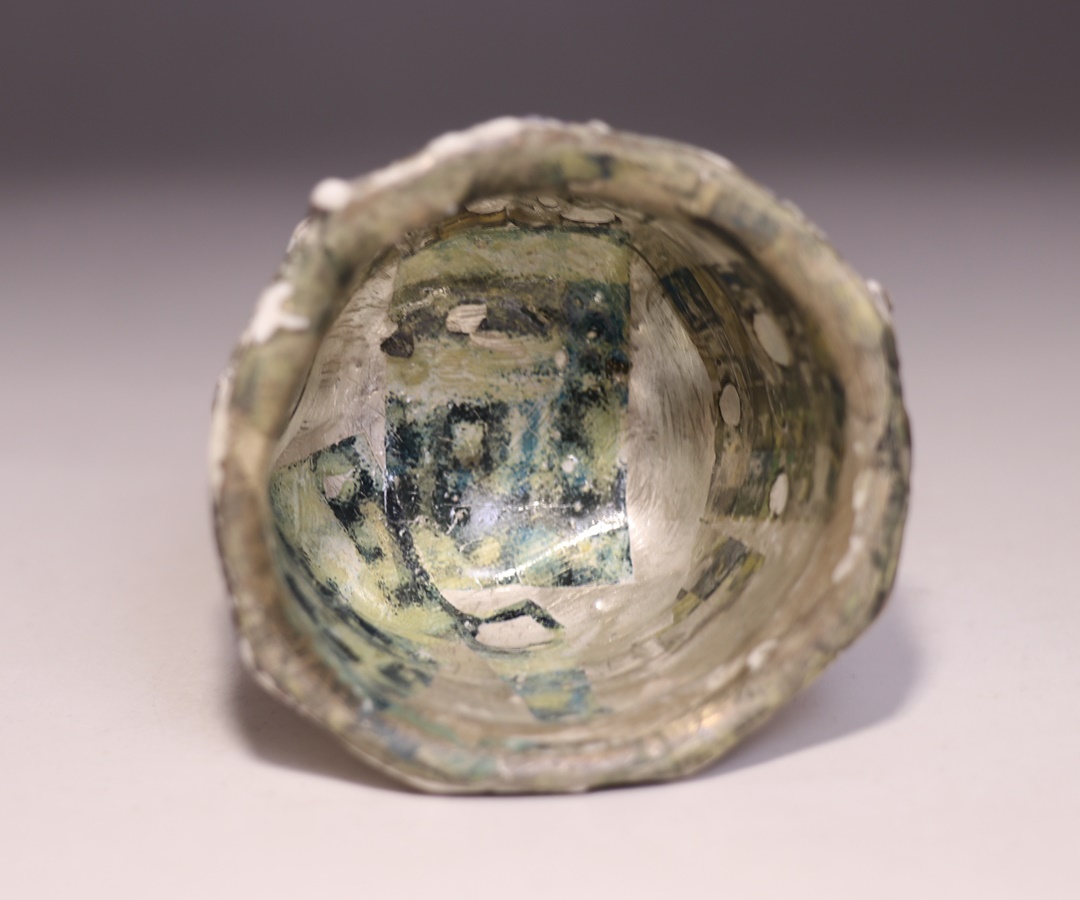
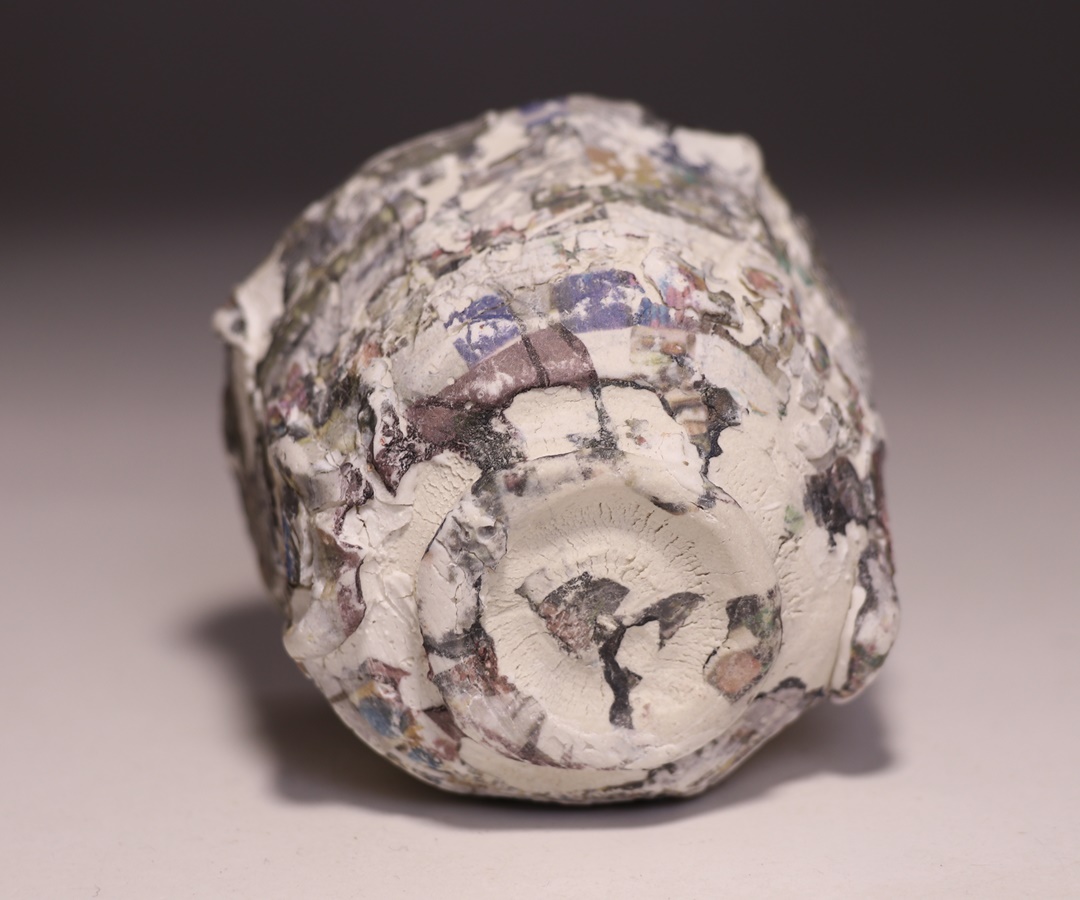
As suggested by the title *Hibi 2024*, images taken from the camera roll of his own iPhone are scattered across the entire surface of the vessel using ceramic transfer paper, creating an effect reminiscent of a photographic collage.
As also indicated by the title, silver decoration has been applied to the underlying surface inside the Guinomi. The slightly subdued tone of the silver gives the transferred photographs a distinctly nostalgic atmosphere.
The clay body also affects the clarity of the transferred images through the texture of its particles and the influence of the glaze. This creates a uniquely worn and faded appearance, as though the vessel had been used and aged over many years.
The body is finely faceted with numerous vertical cuts made using a spatula. When held in the hand, one can quietly sense the traditional approach to form passed down through the Isezaki family from Mitsuru Isezaki, adding another intriguing dimension to the work.
Built upon the form of a traditional sake vessel while layering contemporary elements such as AI, image transfer, and smartphone technology, this work presents a new mode of ceramic expression unique to Yotaro Isezaki.
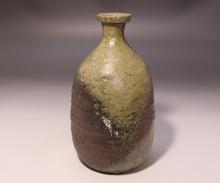


Mitsuhiro Kaneshige - Bizen Tokkuri
33,000 YEN
size : W9.5cm×9.2cm×H16.6cm 510ccBorn into Kaneshige Rito-en, one of the six traditional kiln families of Bizen ware, Mitsuhiro Kaneshige nevertheless creates without relying on the prestige of his family name, following his own curiosity and spirit of exploration. This is a Bizen Tokkuri by the artist.
By combining firings in an electric kiln and a wood-fired kiln under a variety of conditions, Kaneshige seeks to approach the rich surface textures found in the antique ceramics he admires.
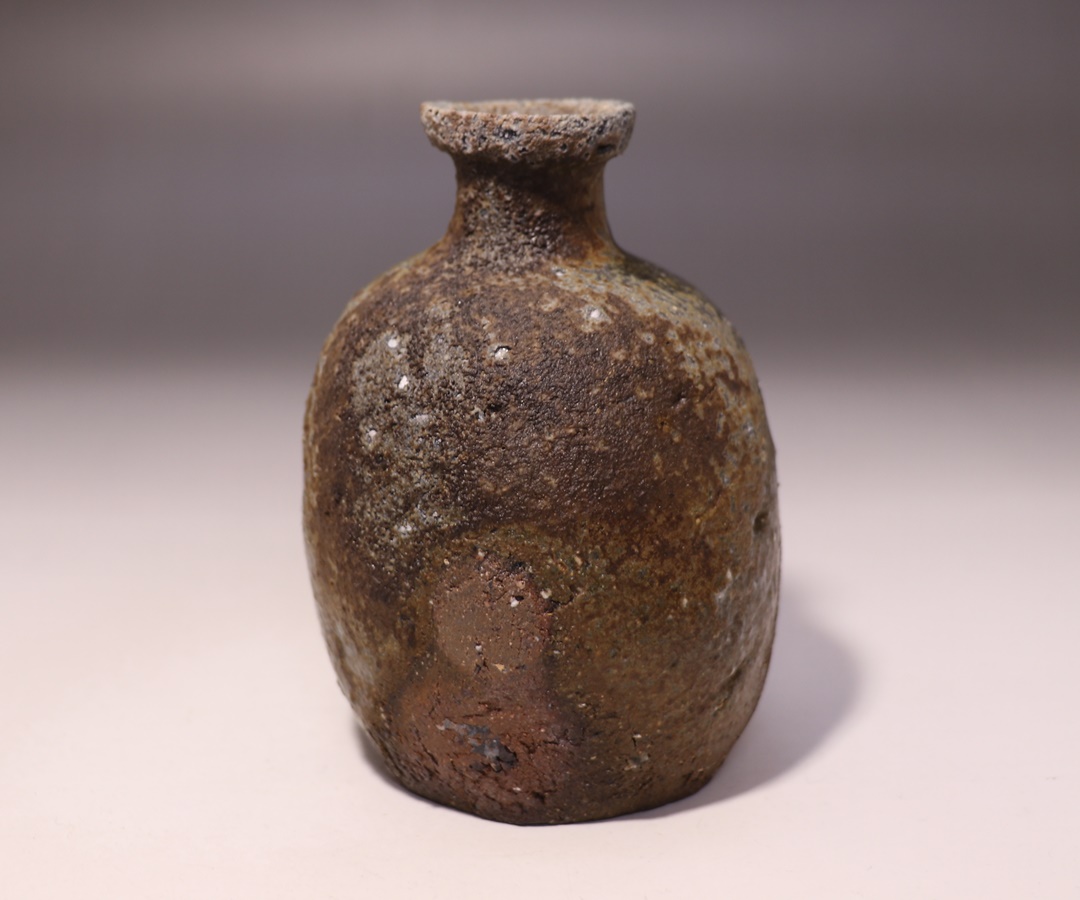
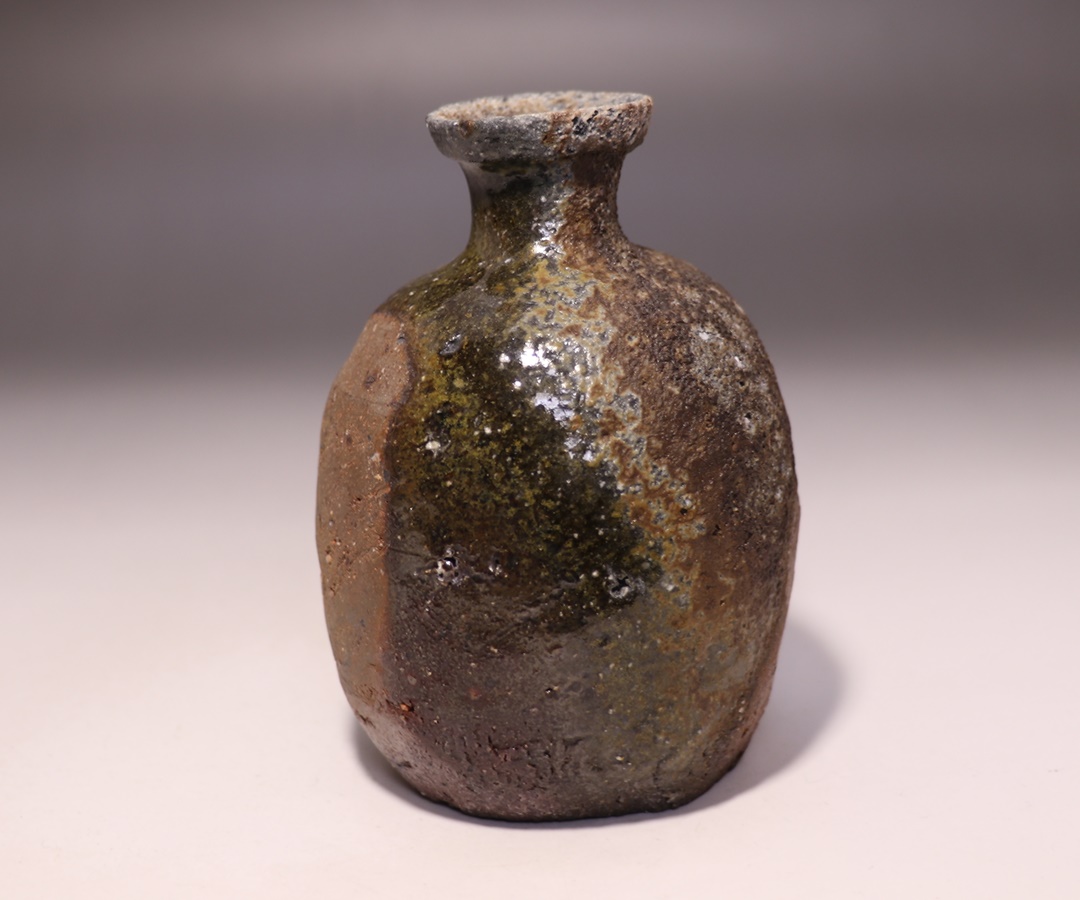
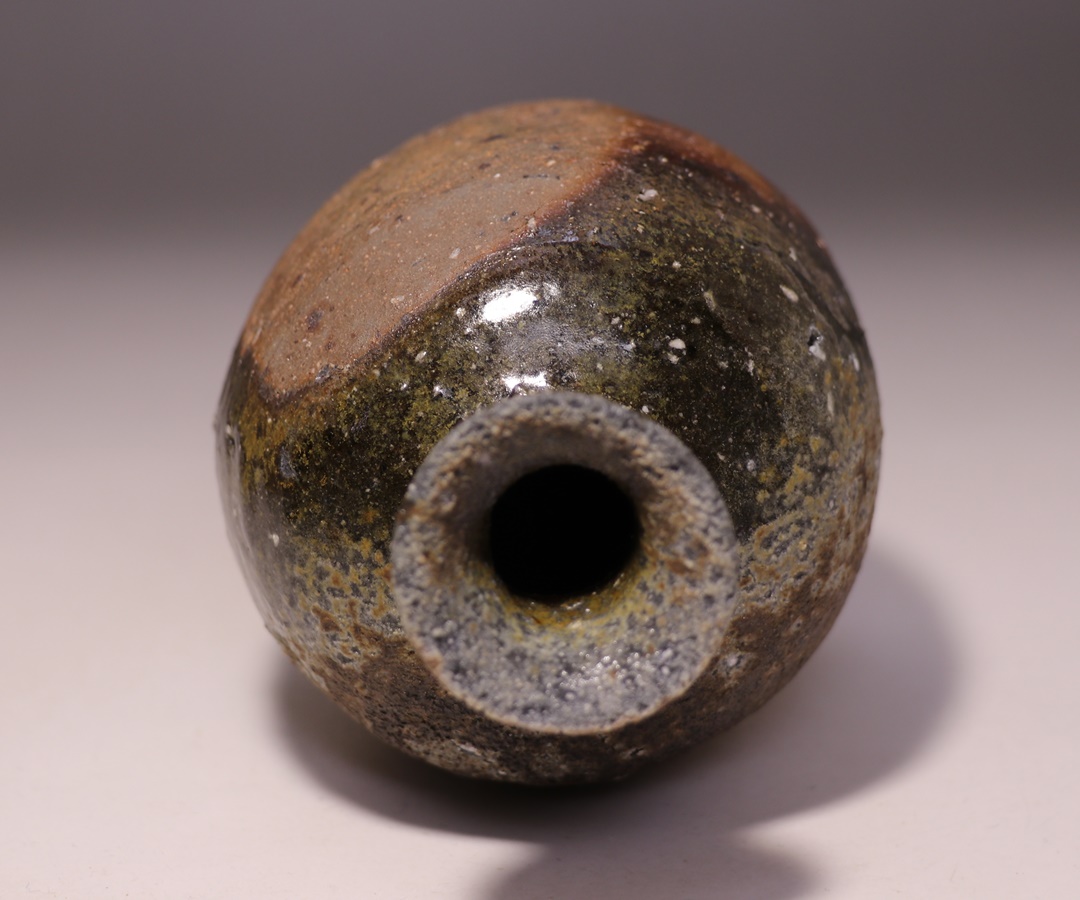
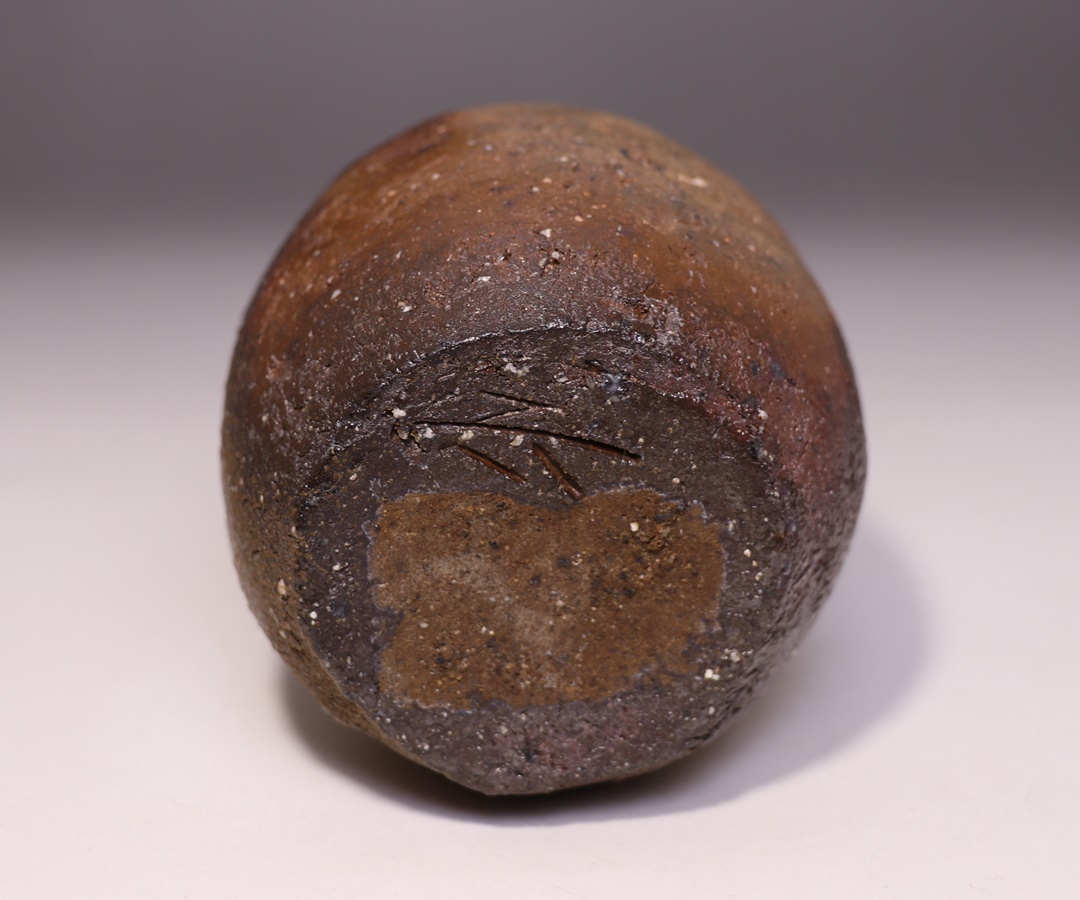
The Tokkuri is distinguished by the substantial surface created through multiple firings, together with its deeply developed Kigoma and Sangiri effects. It successfully recreates the rich dark-brown coloring and thoroughly fired clay character associated with Ko-Bizen ware.
One particularly fascinating feature of this work is the presence of two distinct types of sheen across its surface. Areas with a restrained sparkle, as though individual grains of clay were glimmering, coexist with extremely matte sections that reflect only the faintest trace of light.
Kaneshige’s control of the kiln effects, made possible through repeated firings, is equally remarkable. Fine thread-like Goma markings created by straw scattered across the shoulder, finely textured Kigoma resembling a light spray, and the characteristic Sangiri effect around the lower body are all arranged in a carefully balanced composition.
Despite its powerful firing, the surface is remarkably smooth, while the neck is shaped for a comfortable and secure grip. The result is a thoroughly considered design that reflects Kaneshige’s extensive study and collection of ceramics from many different traditions.
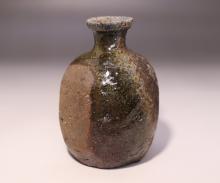


Shuroku Harada - Bizen Ko-Tokkuri
176,000 YENSold out
size : W8.1cm×8.0cm×H11.2cm 250㏄This is a Bizen Ko-Tokkuri by Shuroku Harada, a gifted artist who studied Ko-Bizen together with Matasaburo Katsura, one of the great contributors to Bizen ware. Harada was once described as “formidable in his future potential,” reflecting the extraordinary talent he showed.
A pottery biography up to Heisei 25, or 2013, is included with this piece, and the work is believed to have been made around that time.
This is one of the very late works fired by Harada in his own kiln. It has a powerful natural ash glaze over a heavy clay surface, showing the distinctive firing style of Shuroku Bizen.
The bold firing, filled with the knowledge and techniques he developed through his study of Ko-Bizen, is truly remarkable. Over the yellowish-green Goma characteristic of his later years, there is an additional layer of scorched Goma with a texture reminiscent of rugged rock.
The rich clay texture, another hallmark of Harada’s work, is also outstanding. Its deeply alluring surface gives the impression that, if polished through use with sake over time, it may one day develop a presence surpassing even Ko-Bizen.
This piece was built by the coil-building method and then slowly carved with a spatula. The gently triangular body has a very strong presence when held in the hand.
Although it is a slightly thick and solid Tokkuri, the distinctive carving on the body also makes it easy to hold. The piece beautifully combines a powerful, weighty presence with practical usability.
It remains in the same condition as when it was fired, with no signs of use or staining.
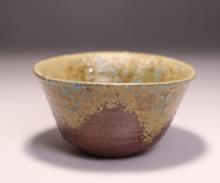


Mitsuhiro Kaneshige - Bizen Iro-Goma Shuhai
19,800 YENSold out
size : W8.5cm×8.4cm×H4.7cmThis is a Bizen Iro-Goma Shuhai by Mitsuhiro Kaneshige, who was born into Kaneshige Ritouen, one of the six traditional Bizen kiln families. Rather than relying on the prestige of his family name, he continues to create works guided by his own curiosity and spirit of exploration.
This piece was made through a combination of electric kiln and wood-fired kiln firings under various firing conditions, as Kaneshige sought to approach the rich matière found in antique ceramics that he admires.
The Shuhai is characterized by its heavy, richly fired surface created through multiple firings, together with deep yellow Goma-Sangiri effects. It beautifully recreates the firmly fired clay texture and rich dark brown tones reminiscent of Ko-Bizen.
As indicated by the title “Iro-Goma,” this piece also incorporates a coloring technique. A pale blue glaze has been applied over the Goma in a way that blends naturally with the surface, serving as an accent color that connects the yellow Goma with the dark brown clay tones.
The carefully considered wheel marks in the interior, reminiscent of a tea pool, and the delicately shaped go-ishi style foot are also superbly executed.
This is a distinctive Shuhai by Mitsuhiro Kaneshige, in which a modern sense of playfulness is beautifully matched with powerful, richly layered firing effects.
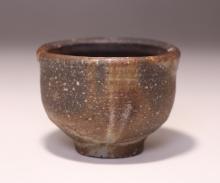


Kei Fujiwara - Bizen Shuhai
55,000 YENSold out
size : W7.0cm×6.3cm×H5.2cmThis is a Bizen Shuhai, or Guinomi, by Kei Fujiwara, a beloved artist whose warm style was admired by many for its generous, broad-minded character and the gentle kindness that seemed to emanate from his works.
Judging from its style, this piece appears to have been made around the middle period of Fujiwara’s career. It is a rare Shuhai featuring a beautiful golden-toned Hidasuki effect.
The piece was likely fired together with a different type of work, such as a jar or large flower vase, or placed inside a saggar during firing. Due to the wide range of effects produced in the climbing kiln, the Hidasuki has transformed into a golden, metallic-looking tone.
In terms of firing technique, this golden Hidasuki effect is closely related to Ao-Bizen, or blue Bizen, produced through strong reduction firing. This work also shows distinctive kiln changes reminiscent of Ao-Bizen in various areas.
The clay surface around the Hidasuki areas is especially unique in color. The coppery, Ao-Bizen-like texture, combined with whitish feldspar-like particles emerging from the clay, creates a landscape that resembles granite or another kind of volcanic rock. It is a highly fascinating feature.
Although slightly thickly potted, the rim has been shaped outward with the fingers, giving the piece a bold character that feels very much in keeping with Fujiwara’s own love of sake.
This is an ideal companion for the sake table, a piece that will continue to grow richer in character the more it is used.
FIRST PREV 3 / 92 page NEXT LAST